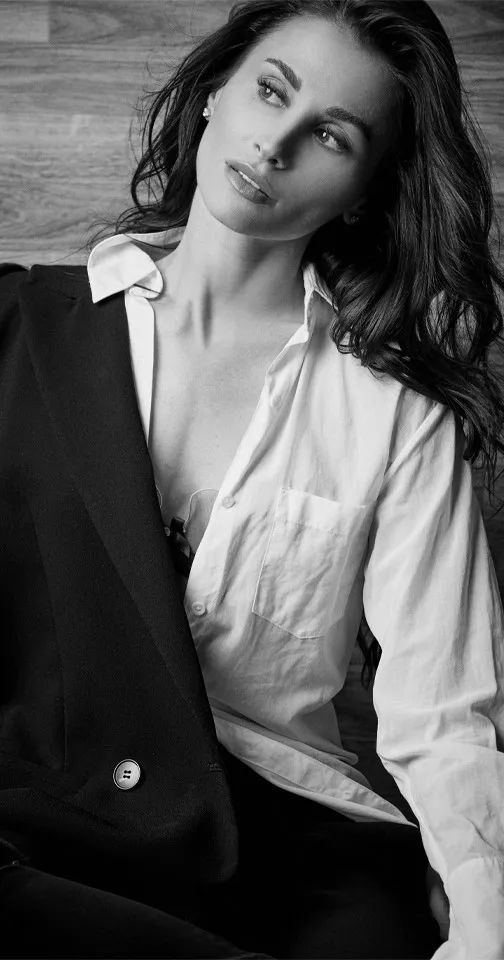
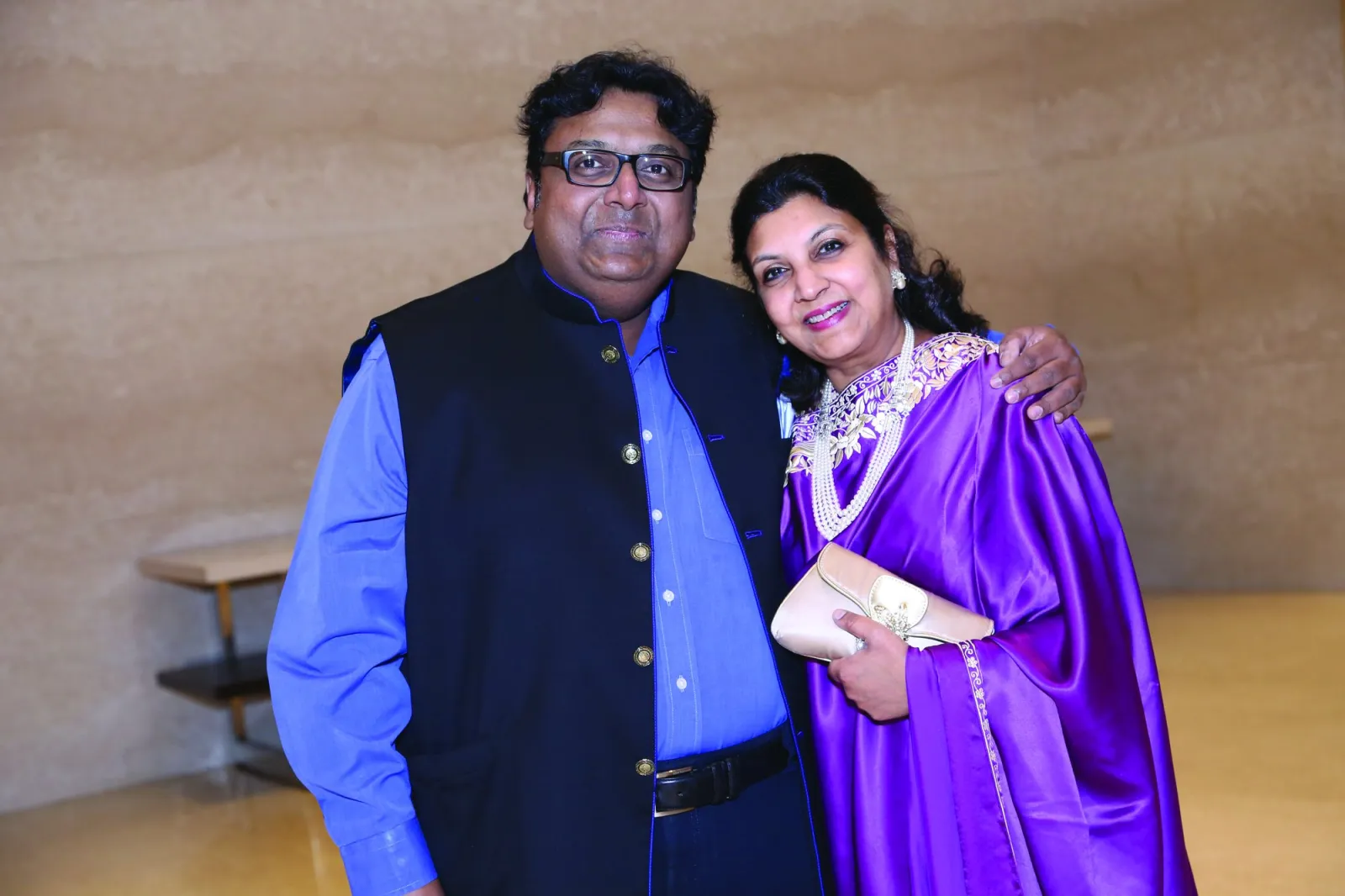
Vidhi Singhania Ashwin Sanghi Super Siblings
Ashwin Sanghi explains why he writes mythological fiction, asking what if Rama or Krishna were real people. Research for a typical book takes six to twelve months.




Lots! We are introducing three new self-help books in the 13 Steps series in 2019. My sixth book in the Bharat Series (following The Rozabal Line, Chanakya’s Chant, The Krishna Key, The Sialkot Saga and Keepers of the Kalachakra) is also due for release towards the end of the year. In addition, I am developing an original story idea for a web series and assisting with the adaptation of one of my books.
Q3. You have been engaged in mythological writing and the first to do so. What makes it so interesting as a genre?
 L’Officiel India DigitalRead L’Officiel India in the digital libraryEvery issue and every cover story, on TCG Media.Read now
It was the novelist CS Lewis who said that a myth is a lie that reveals a truth. The delicious question is “What if?” What if Rama, Krishna, Shiva or Ganesha were real people—historical characters—who began to be worshipped because of their great deeds? I remember visiting a temple in Kolkata where Amitabh Bachchan is worshipped as a god. Isn’t it possible that our deities started out like that? Some people ask me why mythology fascinates me. The truth is that it doesn’t. It is the overlap of two words “myth” + “history” that results in a new word, “mystery”. That’s what fascinates me and that single word describes the inspiration behind most of my books.
Q4. What goes into the research for your books?
I spend several months on research. For a typical Bharat series book, this could be six to twelve months. The nature of the research varies according to the book. For example, Chanakya’s Chant simply involved multiple readings of the Arthashastra and the Mudrarakshasa. The Krishna Key involved travel to Mathura, Dwarka, Somnath etc. The Sialkot Saga involved interviewing people who had lived through Calcutta and Bombay of the fifties and sixties. Keepers of the Kalachakra involved teaching myself quantum theory. I then spend around three months on the plot. The plot will usually have every twist and turn in the story planned chapter-wise. It is only after these two stages that I start writing. Detailed plotting ensures that I do not allow the pace to slacken except by my own choosing. I am not a great writer but I am a decent rewriter, so I rewrite the manuscript several times before it goes in for editing. All in all, two years is the average from beginning to end. The most difficult part of this process is blending fact and fiction. Too much fact and the pace slackens, too much fiction and it doesn’t feel real.
Q5. What are your earliest memories of your sister Vidhi and you from childhood?
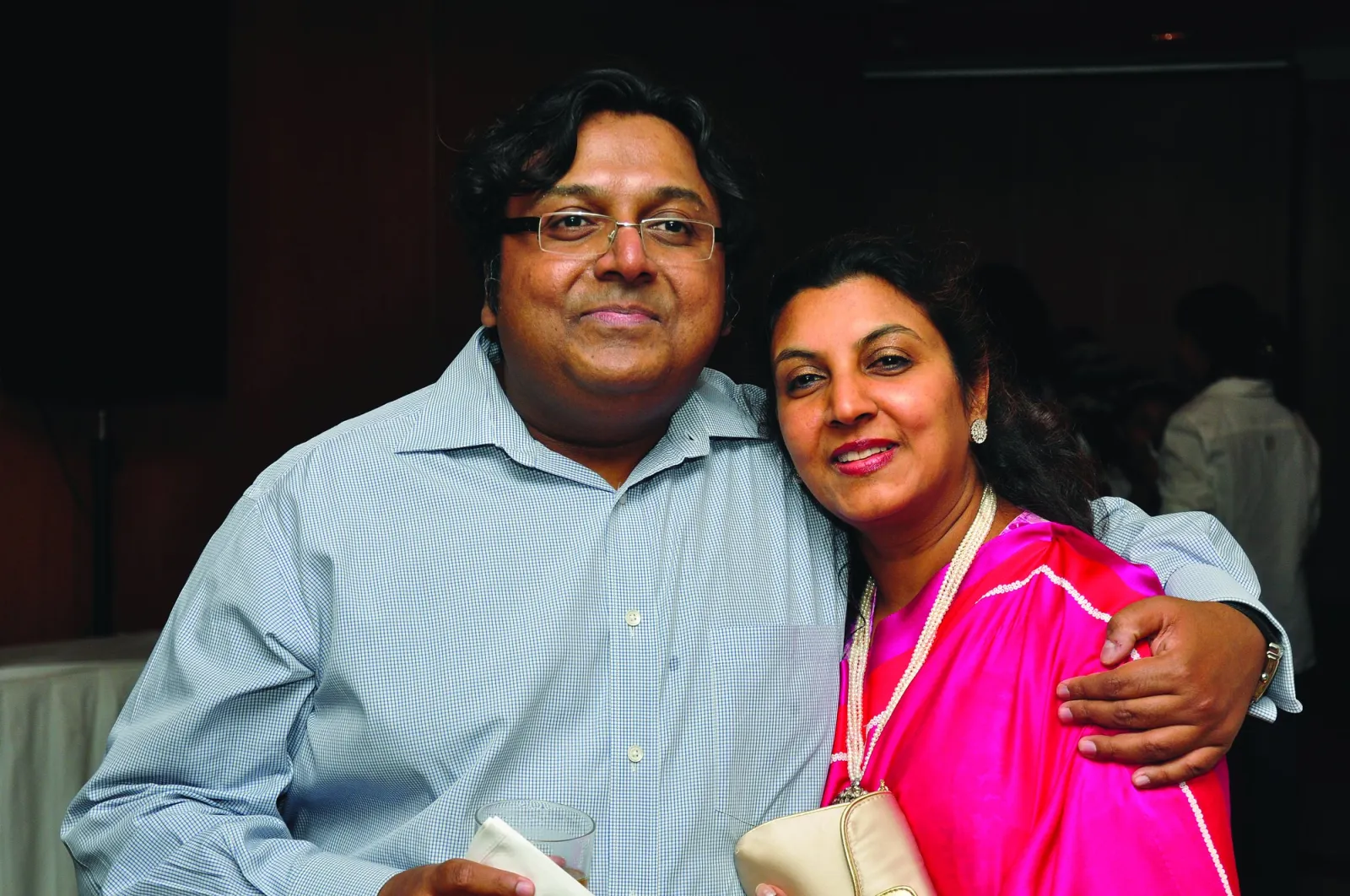
I was utterly irresponsible as a student, always leaving exam preparation, homework and holiday projects to the very end. I would then helplessly turn to my darling sister for help and she would graciously oblige. She is seven years older than me and has always treated me as a baby. When she was settled overseas for a couple of years, I would visit her and we would cook together. I was just twelve when she got married and there was a huge vacuum in my life for the next few years.
Q6. She has been a leader in responsibly crafted saris in India. What do you think of her career?
I am so very proud of her. She pours herself into every design that she crafts. She is not only creative but also meticulous in execution. Her care for the weavers that she employs is truly remarkable. She has succeeded in taking a niche and rather unknown fabric from Kota and converting it into something elegant, chic and fashionable. I strongly believe that the best is yet to come from her.
Q7. What did you get to learn from her?
She has gone through so many turmoils without flinching. Persistence, optimism, perseverance, empathy, meticulousness, planning, caring, generosity… these are qualities that one could pick up from her. Alas, I am slow on the uptake!
Q8. Do you ever plan to collaborate with each other?
One should never say never, but I know that we would be a disastrous combination. Both of us are very strong-headed and we would be at loggerheads with each other if we tried to get a collaboration going!
Q9. What, according to you, is the definition of power?
Tough question. Depends whether you see it as “outside-in” where power is granted to a person by someone else or “inside-out” where power is cultivated by people from within. Ultimately, power is about the thoughts you bake, the choices you make, and the actions you take. The only thing that power gives you is the ability to get things done. One’s ability to influence others without wielding authority is power. In that sense, it is an inner energy. An inner energy that has the outward ability to change places, people, objects and thoughts.
Spotted a mistake, or your photo used without permission? Report a correction