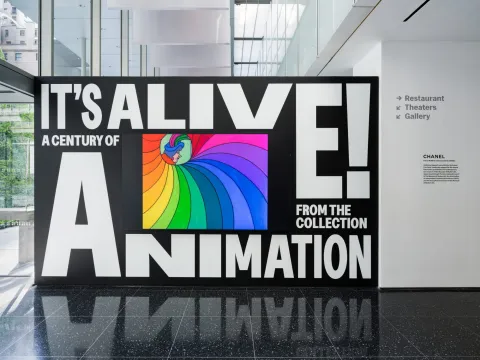
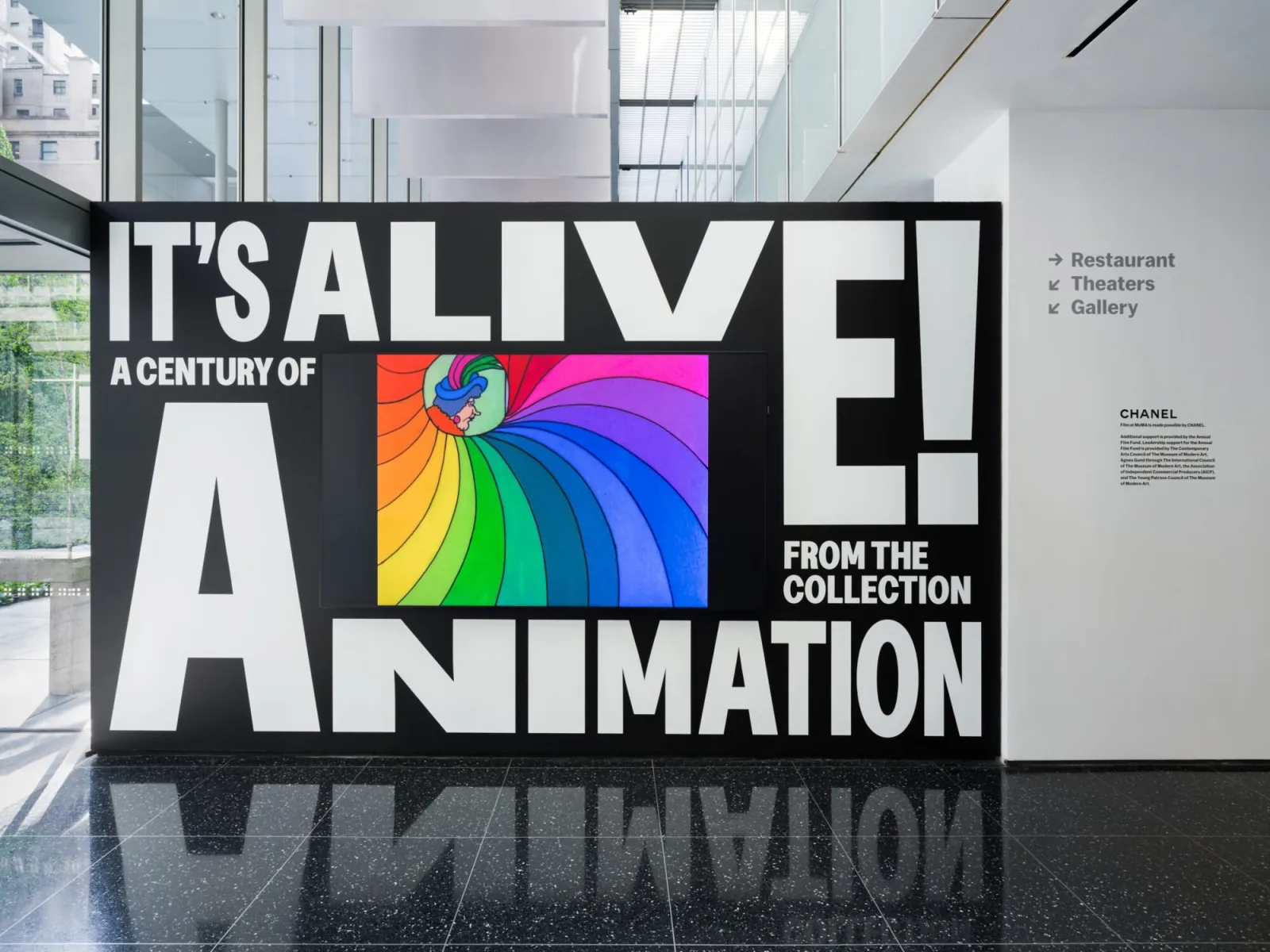
More than a history of cartoons, It’s Alive! is a journey through a century of experimentation, where artists challenged the limits of the still image by giving it movement, personality and life.
Animation has never been merely about making drawings move. For more than a century, it has offered artists a way to bend reality, invent characters, manipulate time and build entirely new visual languages. Opening at The Museum of Modern Art in New York on August 1, 2026, It’s Alive! A Century of Animation from the Collection brings together more than 200 pieces of production art and films created between 1908 and 2020. Featuring the work of more than 35 artists and filmmakers, the exhibition follows animation from its silent-film beginnings through the pre-digital era and into the cultural explosion of television and MTV.
From Felix the Cat to MTV
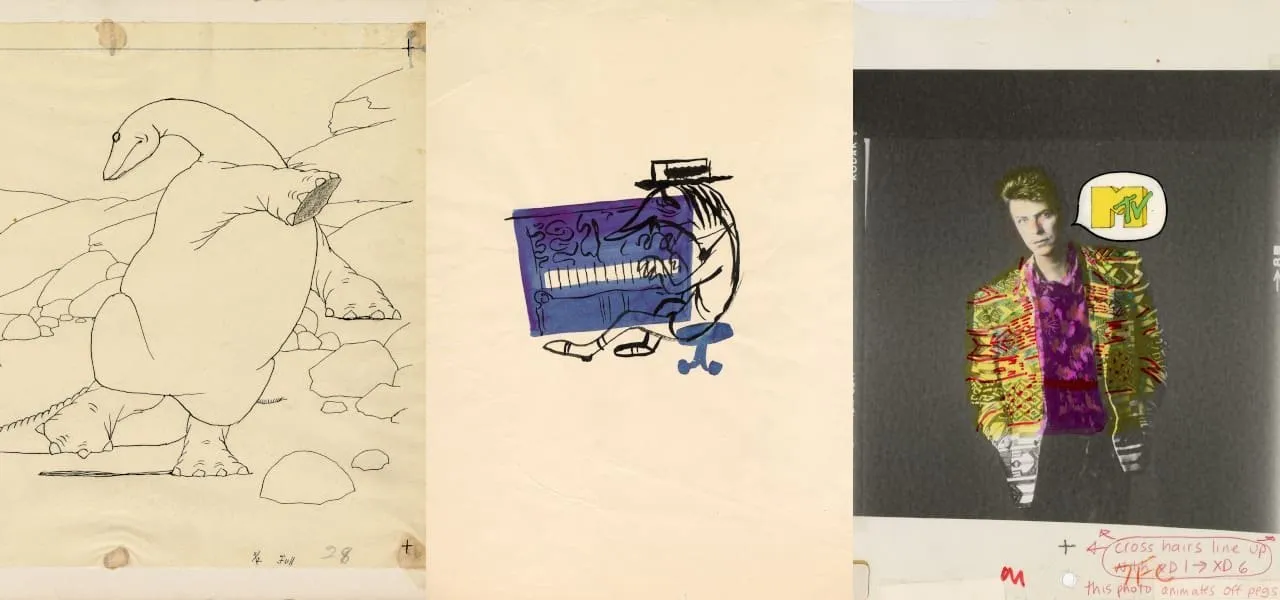
The Silent Era: Where Characters Came First. The exhibition begins with some of animation’s earliest enduring figures, including Otto Messmer’s Felix the Cat, Dave Fleischer’s Koko the Clown and Winsor McCay’s Gertie the Dinosaur. Their hand-drawn characters demonstrate how personality, movement and visual storytelling helped establish animation as a popular cinematic language during the 1890s–1920s.
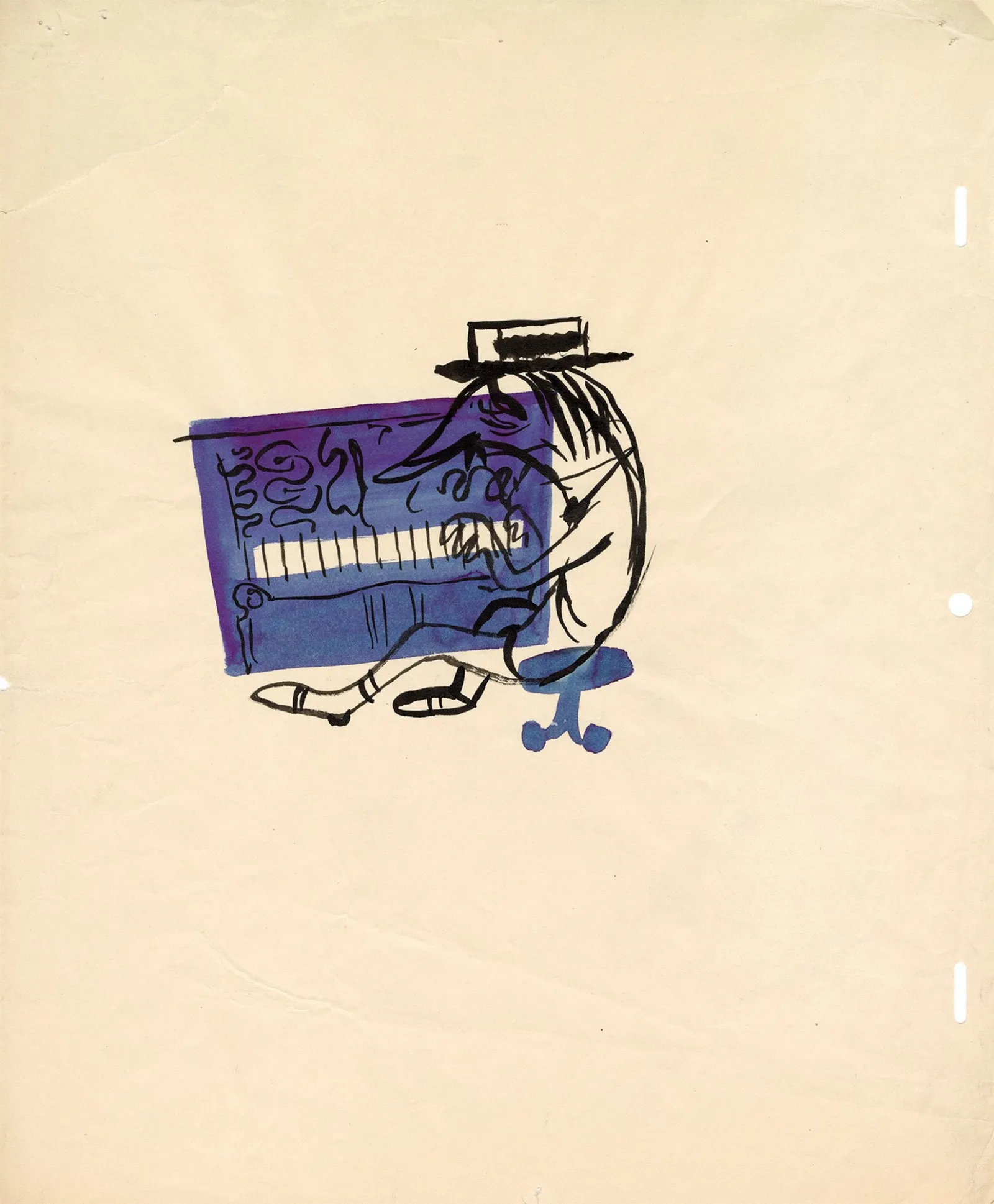
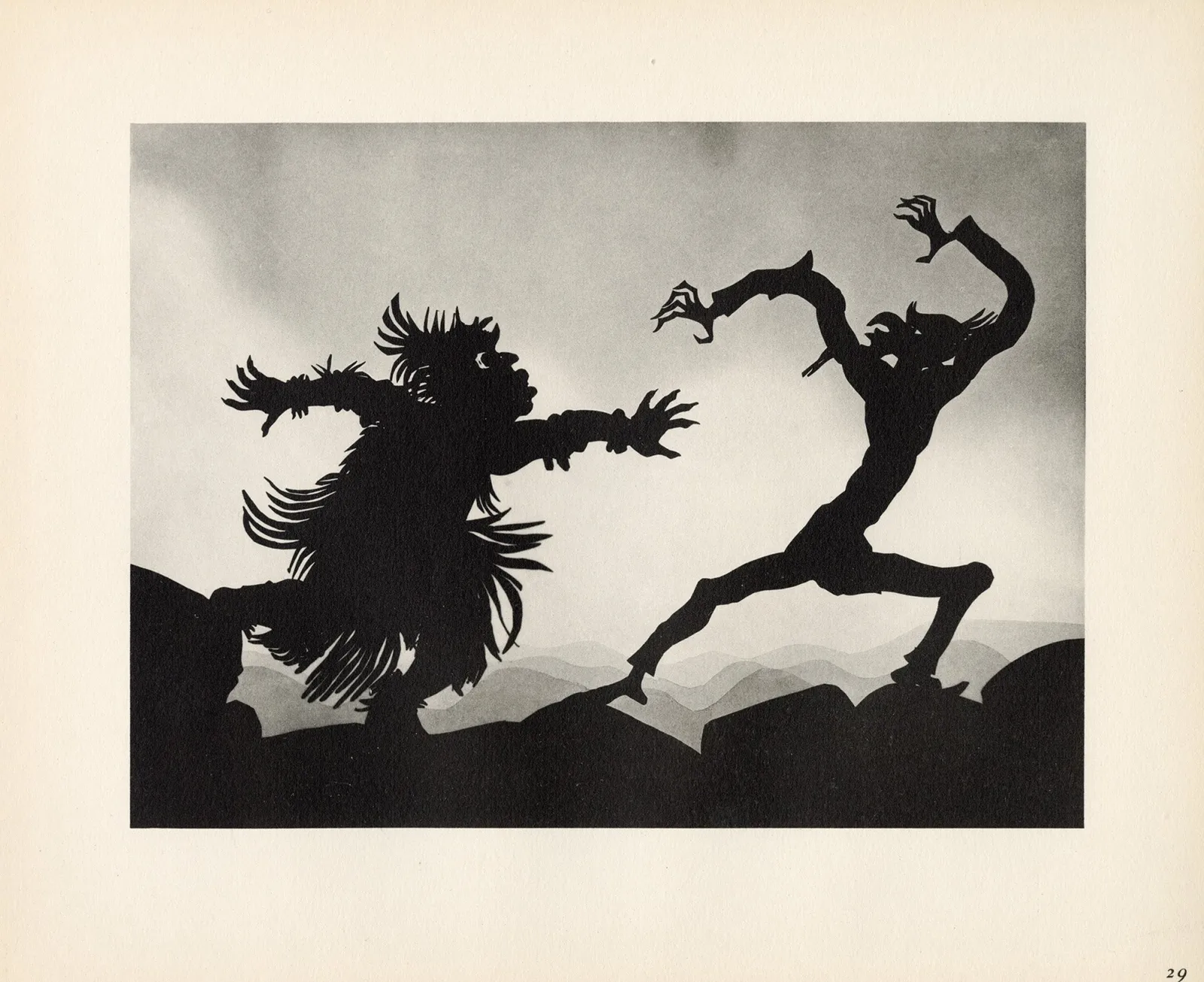
Drawing as Expression. Animation’s visual vocabulary continued to evolve long before digital tools entered the picture. Works by artists including Isadore Sparber, Mary Beams, Kathy Rose, Tissa David and David Ehrlich demonstrate how black-and-white line drawing remained an expressive and influential technique throughout the pre-digital period.
Through a rich archive of moving images and production art, MoMA charts animation’s remarkable journey from early experiments to a powerful language of contemporary visual culture.
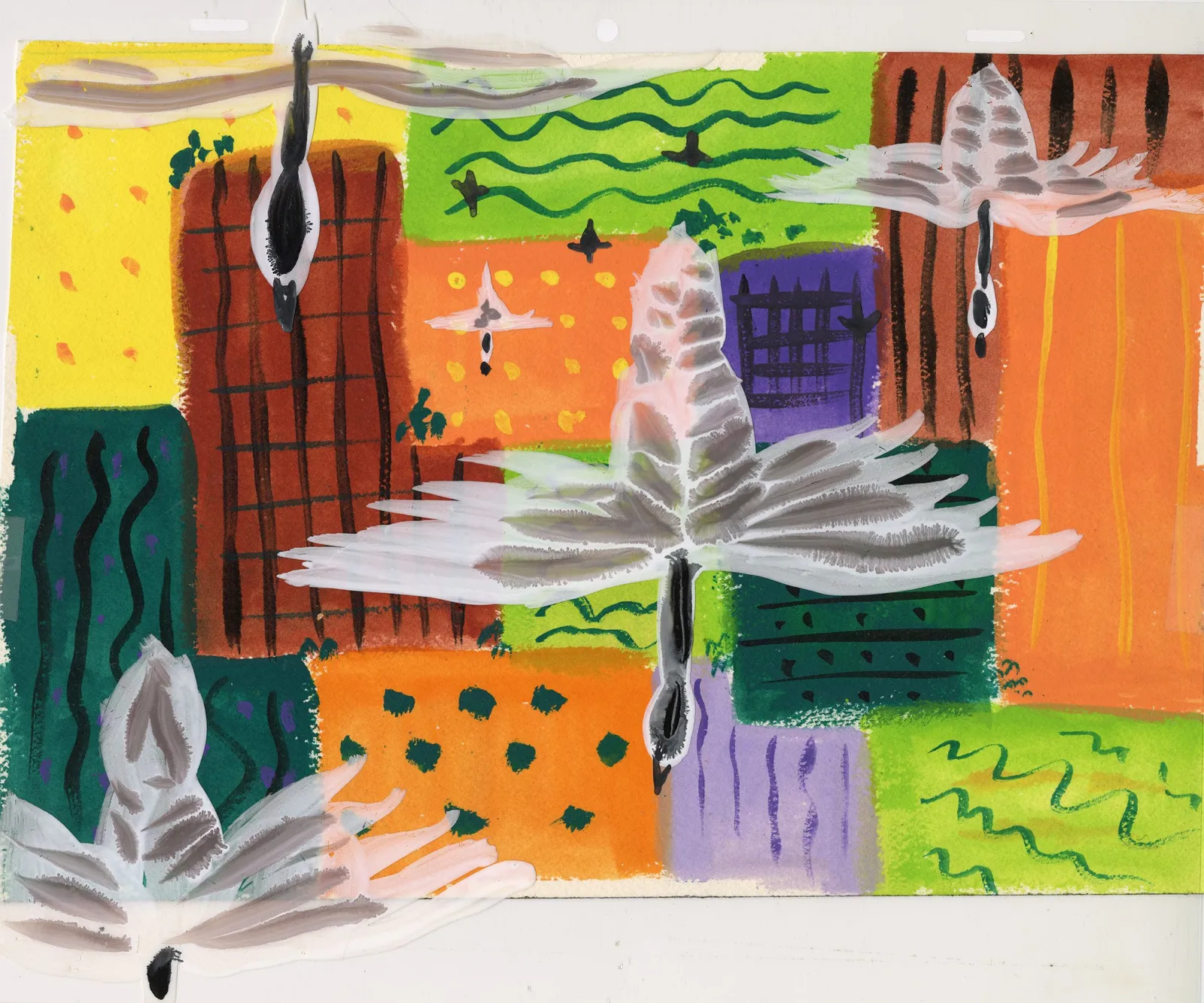
Colour Changes the Frame. The arrival of colour in the 1930s opened another chapter, while John Hubley’s approach to animation design in the 1950s challenged the dominance of the classical Disney aesthetic. His influence helped encourage a generation of independent animators to explore looser, more individual approaches to movement and design.
When Animation Entered Pop Culture
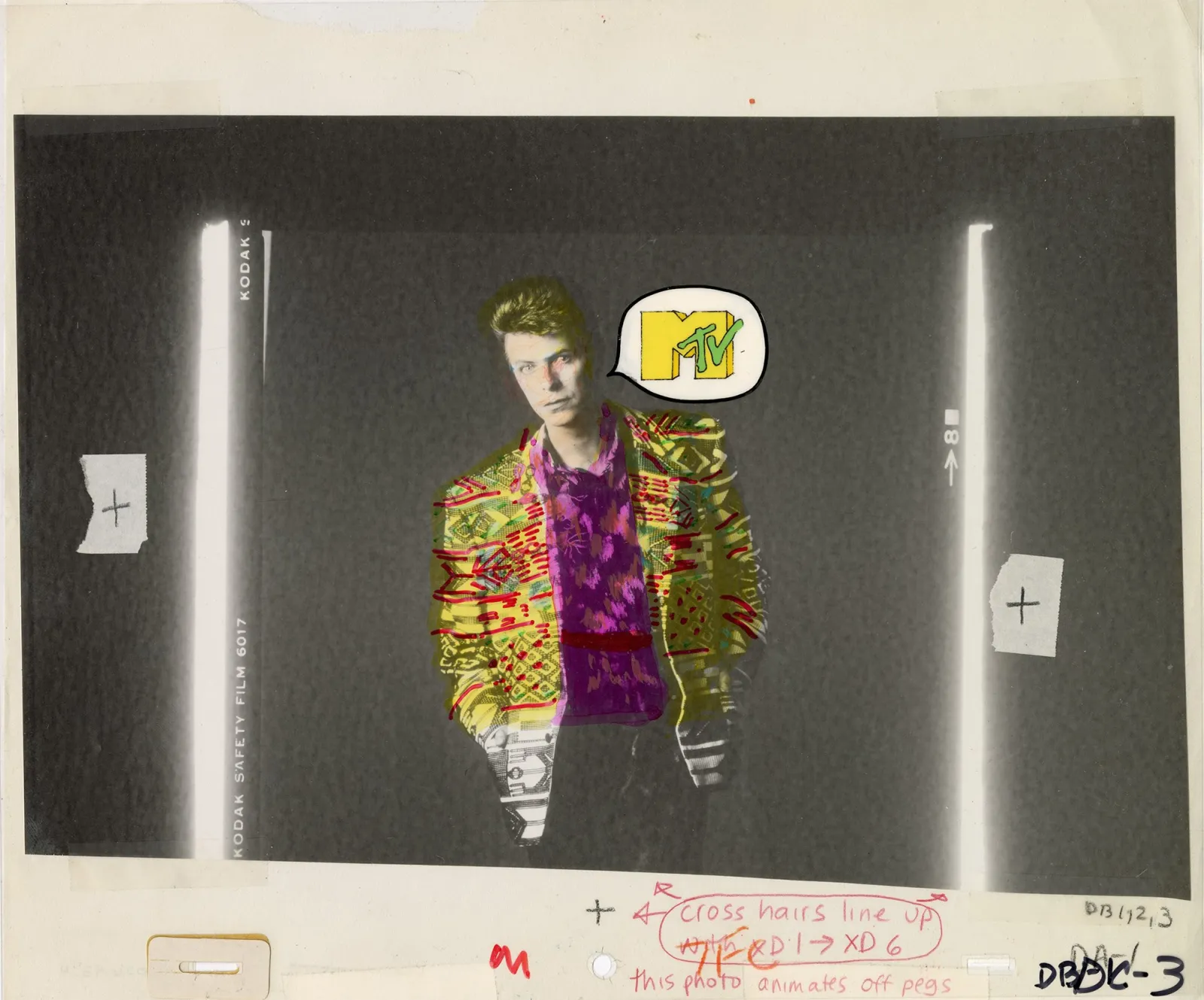
The exhibition also looks beyond theatrical cartoons to the ways animation became embedded in television and popular culture. Works connected to Public Television, including Sesame Street, sit alongside rare material from MTV’s iconic “I Want My MTV” spots. Featuring imagery associated with musicians such as Cyndi Lauper, David Bowie, Lionel Richie, Madonna, Hall & Oates and Culture Club, these pieces reveal how animation became an essential part of the visual language of music television.
New York as the Creative Engine
One of the exhibition’s strongest themes is its focus on New York as a centre for animation. Many of the featured artists lived and worked in the city, developing practices that moved between commissioned projects, independent filmmaking, television and experimental art. The exhibition therefore becomes more than a history of animation—it is also a portrait of New York’s contribution to moving-image culture and its ability to nurture unconventional creative voices.
The Artists Who Changed the Language
Among the artists represented are Jane Aaron, John Canemaker, Sally Cruikshank, Tissa David, Jerome Hill, Candy Kugel, Emily and Faith Hubley, David Ehrlich, George Griffin, Jeff Scher and Michael Sporn. Their practices demonstrate that animation can exist somewhere between cinema, illustration, design and fine art, refusing to remain confined to a single medium or aesthetic.
What did we learn from It’s Alive!? Animation’s history is anything but static. From hand-drawn cartoons and experimental line work to television graphics and MTV imagery, every generation has reinvented what movement on screen can mean. At MoMA, a century of animated experimentation becomes a reminder that the medium’s greatest strength has always been its ability to make the impossible feel completely alive.





 L’Officiel India DigitalRead L’Officiel India in the digital libraryEvery issue and every cover story, on TCG Media.Read now