Read Between the Lines
Philip N. Howard's Pax Technica asks whether the Internet of Things will set us free or lock us up, weighing citizen empowerment against privacy threats.




Technology touches our lives every day, and yet we contemplate whether it’s good for us or pushing us towards boredom and laziness. We give you titles that will help you find some answers.
Pax Technica – How the Internet of Things May Set Us Free or Lock Us Up

(Yale University Press)
 L’Officiel India DigitalRead L’Officiel India in the digital libraryEvery issue and every cover story, on TCG Media.Read now
What is it about:
We know it might be tad heavy read, but isn’t Internet a topic that we need to talk (and read seriously about). It is like an expert’s insider on the Internet, but the author does not stop here. He also looks at it as a powerful political tool. The question raised (to which all of us need an answer to) is whether we should fear the Internet’s evolution or dread it? With rapidly growing influence of all things digital, it has become like a whole new era, the author called it Pax Technica. His vision of this world is a positive one, where devices and networks empower citizens, make the government accountable, and broadens information access. But the author cautions against deeper privacy threats.
About the author:
Philip N. Howard is a professor of technology and international affairs at the University of Washington and Oxford University. He has authored eight books so far, including The Managed Citizen, the Digital Origins of Dictatorship and Democracy. He is also a technology and political commentator.
Similar Books
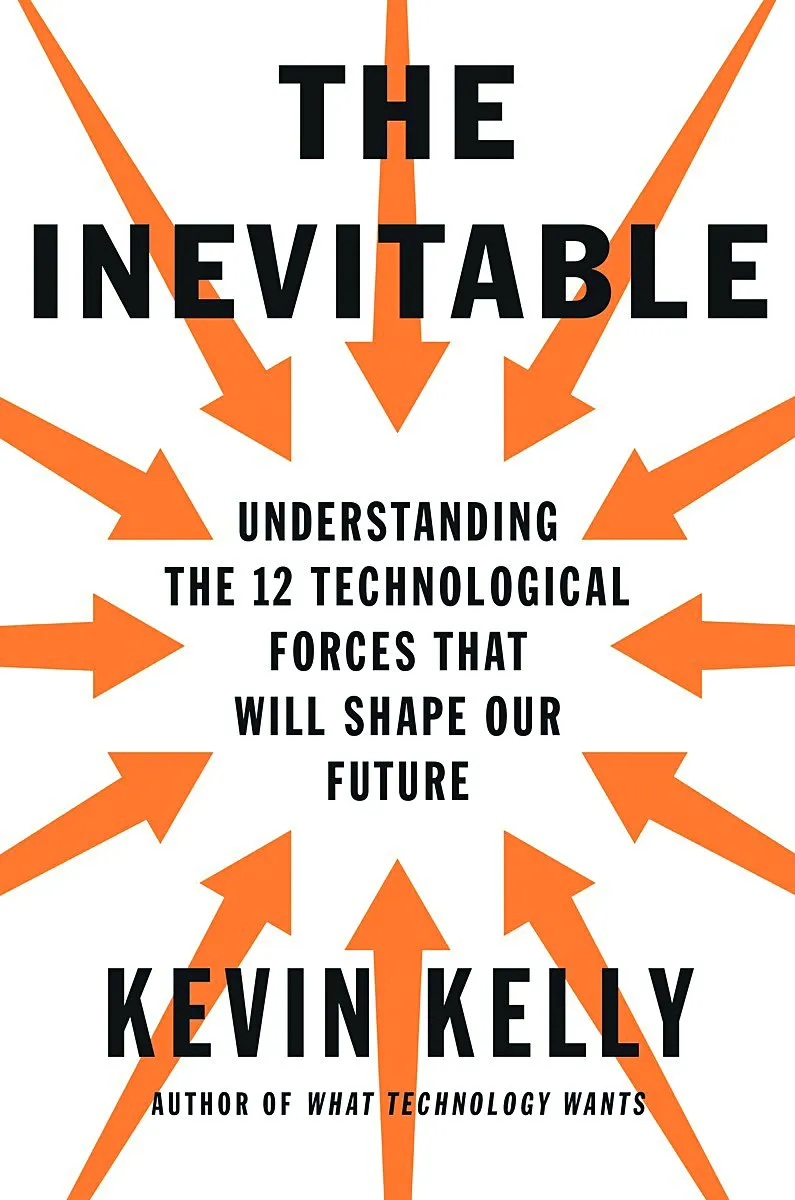
The Inevitable Understanding the 12 Technological Forces That Will Shape Our Future
By Kevin Kelly
(Viking Press)
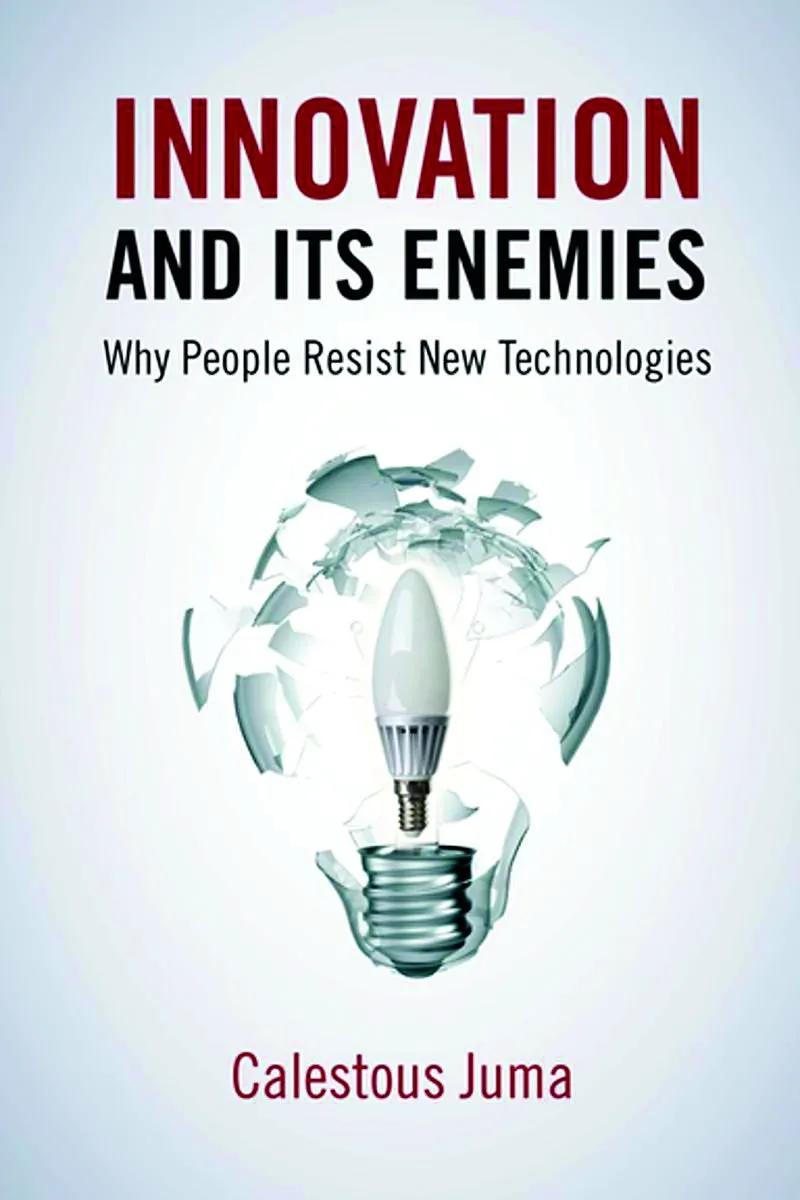
Innovation and Its Enemies: Why People Resist New Technologies
By Calestous Juma
(Oxford University Press)
New On The Shelf
Hit Refresh
By Satya Nadella
(Harper Collins Publishers)
The book, unlike what many of us would expect, is not only about technology or Microsoft, the company headed by the author. It is also about evolution of human mind, a father learning empathy and employees finding their lost vigour walking on a path of rediscovery. It is also about the philosophies of Vedanta and Indian values system. Most importantly, the book puts a face, flesh and blood to the name of the one of the famous men of our country. It is a book of hopes and a bright future that hails technological advancements. A must read.
Origin
By Dan Brown
(Doubleday)
You can love him or hate him but you can’t ignore Robert Langdon, the fictional Harvard professor of symbology and religious iconology that the author has created. In this latest book, instead of religion (he gets there eventually), science is the focal point. Things begin at Guggenheim Museum in Bilbao and soon snowballs into grave danger, for professor and her accomplice (yet another woman), but also to the world. They spring in action only to find themselves entangled in the other, somewhat uglier side of religion. At places, the book is what Dan Brown’s previous titles have been accused of, sounding too similar to each other, and yet this book’s end has the power to shock us.
Spotted a mistake, or your photo used without permission? Report a correction