
Earth’s Palette, Artist’s Muse
Nature and humans have always had a close relationship. While forests provide necessary resources like wood for construction and paper for everything from currency to novels, plants are sources of food, flavour, and healing.





Frida Kahlo and other artists drew inspiration for pieces like Hummingbird and Self-Portrait with Thorn Necklace from the Mexican landscape that surrounded her home. In a similar vein, Georgia O'Keeffe drew inspiration from New Mexico's deserts for famous works like Little Hills and Ram's Head White Hollyhock. Many artists also find great inspiration in nature, which shapes their selection of hues, textures, and subjects.
Biophilic art is an artistic approach that purposefully connects creativity and nature, motivated by a desire to establish a closer bond with the natural world. It uses organic materials, themes inspired by nature, and patterns that mimic the shapes of the natural world. Examining the history of biophilic art, its central figures, and useful advice for incorporating natural elements into your work will inspire and prepare you to create if you're keen to incorporate more nature into your artistic endeavours.
 L’Officiel India DigitalRead L’Officiel India in the digital libraryEvery issue and every cover story, on TCG Media.Read now
Under the Wave off Kanagawa
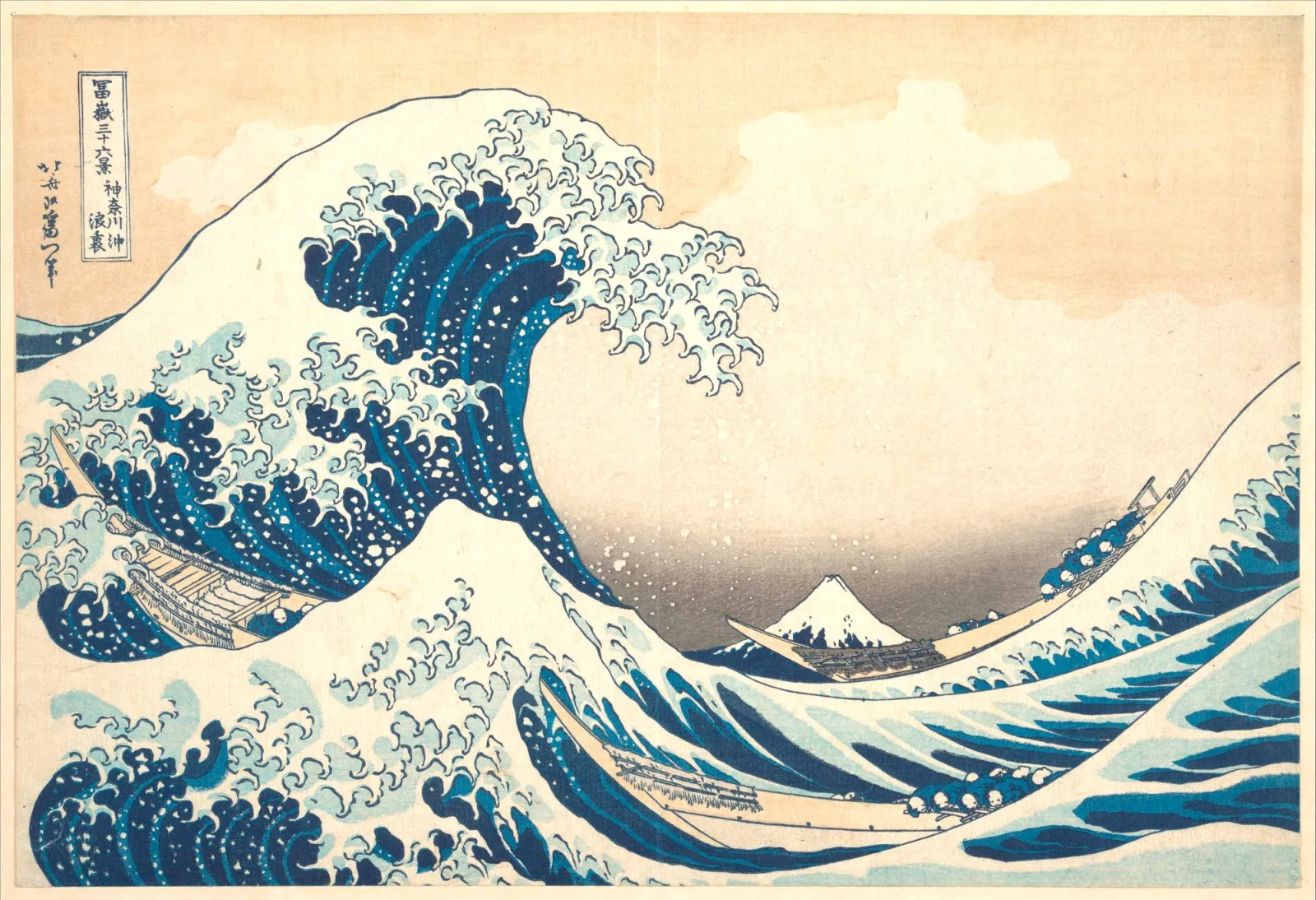
Throughout his life, the well-known Japanese artist Hokusai used a variety of aliases. He is most recognised worldwide for his famous woodblock print, Under the Wave off Kanagawa, also known as The Great Wave. Although his best-known work is The Great Wave (1830–32), Hokusai produced thousands of paintings and prints in addition to illustrations for almost 270 books.
He drew for over 80 years, starting at age 6. He received training as a woodblock engraver as a teenager, which had a significant impact on his growth as a printmaker. Though he briefly experimented with Western techniques like perspective and colour, Hokusai's work encompassed a wide range of subjects, particularly landscapes and historical scenes. He was well-known for his unwavering commitment and would frequently paint from dawn until dusk. In the development of Japanese landscape painting, his renowned series Thirty-six Views of Mount Fuji (1826–1833) represents the apex.
The Haywain
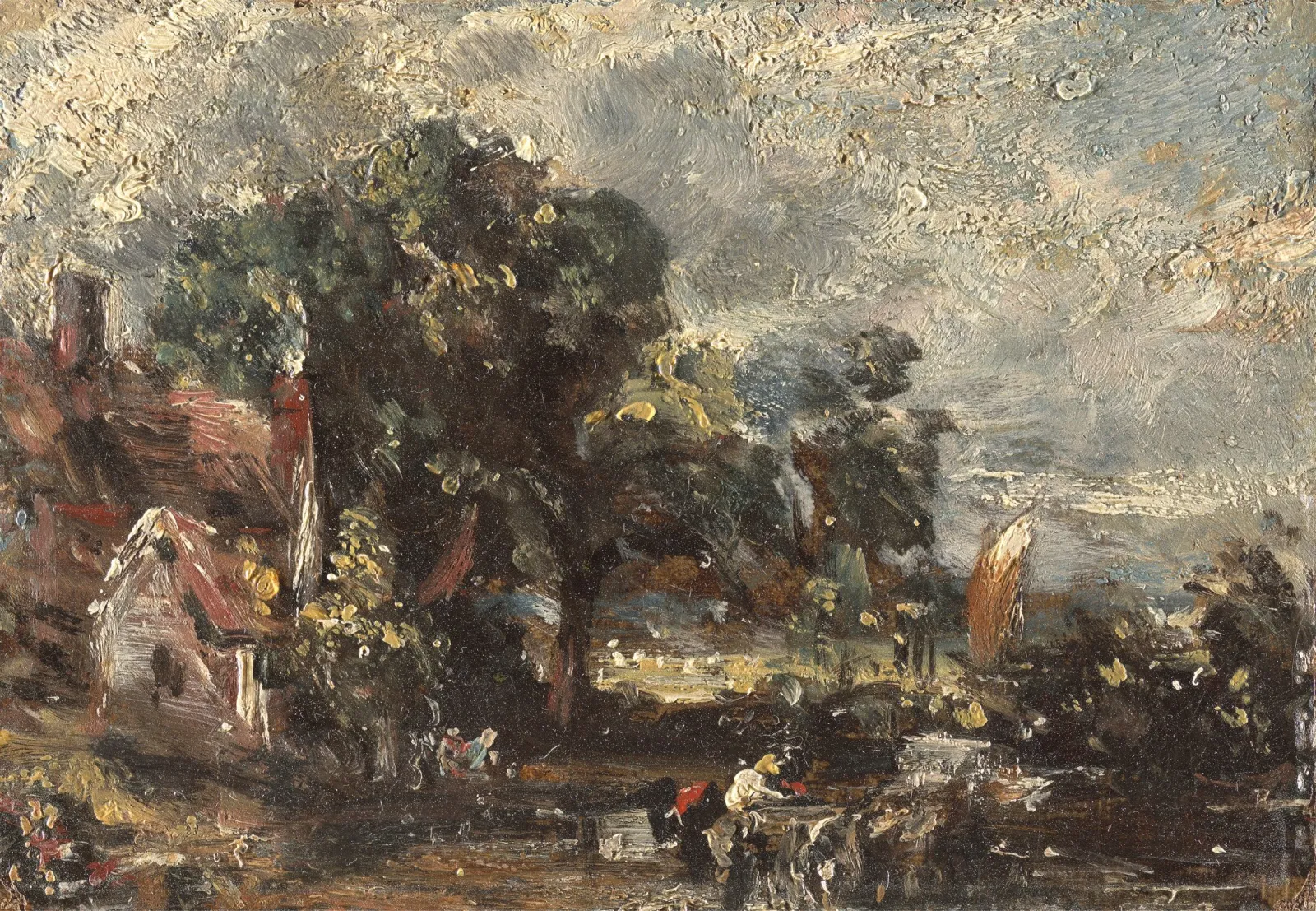
A prominent figure in English landscape painting in the early 19th century, John Constable is most recognised for his portrayals of the Suffolk countryside, where he was born and lived for a large portion of his life. His cherished River Stour valley gained notoriety as "Constable Country" as a result of his poignant and in-depth descriptions of the region. Constable was primarily self-taught and gradually refined his style.
He frequently started with sketches made outside before transforming them into expansive studio paintings meant for display. Constable, in contrast to many of his contemporaries, favoured painting familiar, intimate settings over the well-liked tourist destinations of the time. Even though he wasn't very well-known in England when he was alive, his work was praised in Paris and is now widely recognised. Among his most famous oil paintings is The Haywain (1821), which is praised for its emotional intensity and realism.
Distant View of Niagara Falls

The Hudson River School, a group of American landscape painters who focused their work on the natural beauty of the Hudson River Valley, is thought to have been founded by Thomas Cole. Cole was born in Lancashire, England, but during his adolescence, he and his family relocated to the United States. The dramatic painting Destruction is part of Thomas Cole's monumental series of five paintings titled The Course of Empire (1836), which he painted after returning to the United States. Inspired by Count de Volney's Ruins (1791), this series acted as an allegory of the rise and fall of human civilization.
He learned the fundamentals of painting from another artist because he had no interest in continuing the family business of making wallpaper. Cole continued to produce large-scale landscape paintings that frequently highlighted unspoiled nature and occasionally purposefully left out indications of urbanization. His oil painting Distant View of Niagara Falls, for instance, depicts a magnificent scene devoid of contemporary encroachment.
View of the Salak Volcano, Java, from Buitenzorg
By traveling the world to record plants in their natural habitats, Victorian biologist and botanical artist Marianne North defied social conventions. She was born in Hastings, England, and started painting flowers after her mother passed away. Her father's relationship with the director of the Royal Botanic Gardens, Kew, is probably how she first learned about botany.
North painted flowers as she encountered them in the wild, in contrast to the common Victorian practice of painting flowers in a studio. She created more than 800 oil paintings during her 14-year journey, which took her to 17 countries on six continents: the Americas, Africa, Asia, and Australasia. She made a daring and unusual decision for a traveling botanical artist by using oil paints rather than the more popular water-based ones. Later, North gave her whole collection to Kew Gardens, where it is still on exhibit in a special gallery she helped create.
Spotted a mistake, or your photo used without permission? Report a correction