Will genderless wave stay?
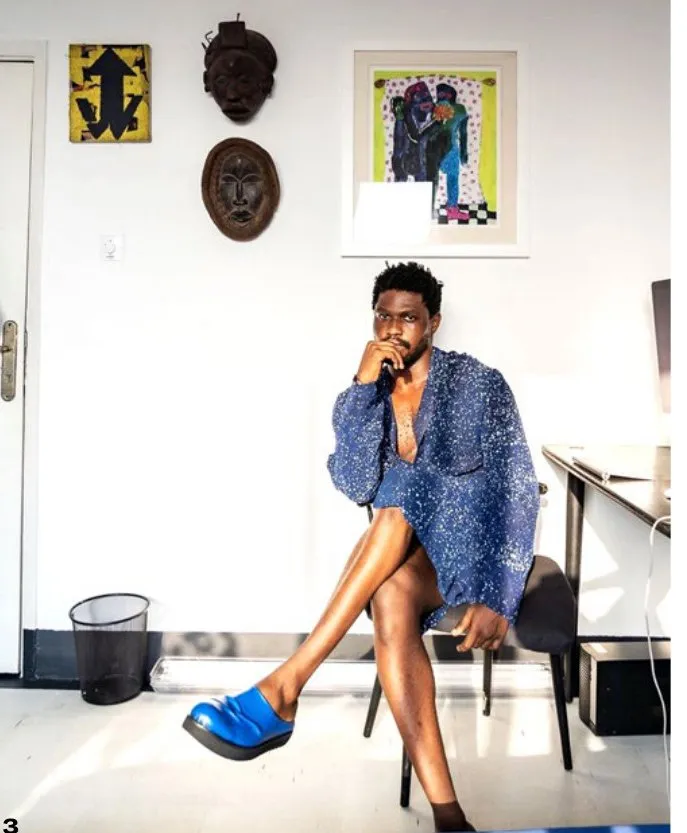




With a seismic shift for genderless fashion, there lies a pertinent question- is it just a marketing gimmick or will it really harbinger change?
There has been a lot of hyperbole around the subject of genderless fashion. Often we see cultural icons and celebrities like singers Billie Eilish or Harry Styles fermenting the glamour world with their woke styles bespeaking gender fluidity. Be it on the cover of a magazine fronting androgynous style like Styles flaunted to being outspoken like Eilish about wearing something like baggy clothes, the stars have combated gender barriers. Not just them, there is a whole lineup of celebrities and brands pivoting genderless fashion- a stream of clothing that refuses to incline to rigid heteronormative notions. Previously, in 2020, brands like Gucci spiralled a whole movement towards genderless fashion with the launch of genderless shopping section, Gucci MX, on a similar front, others like Prada deconstructed the “cliches of feminity” with its FW20 runway at Milan and now labels like Dhruv Kapoor and Lagos Space Programme have come up with genderless clothing in their Milan Menswear shows FW21. With this trend being explored, it seems like what started off as subversive experimentation has channelled into a progressive movement in fashion. However, the overarching question is, is such dressing just a marketing gimmick to become noticeable or will it really harbinger change?
 L’Officiel India DigitalRead L’Officiel India in the digital libraryEvery issue and every cover story, on TCG Media.Read now
Genderless: a retail fad?
Critics of genderless fashion argue that this dressing is a marketing strategy to tap into the millennial populace that is dauntingly stylish. In the book, ‘Crossing Gender Boundaries: Fashion to Create, Disrupt and Transcend,’ author Andrew Reilly mentions what dismayed customers feel. He iterates their perspective saying that genderless clothing is a retail fad, that many believe is exploiting the political correctness. The author mentioning critics says that genderless is nothing but menswear rebranded. He mentions that genderless refers to understated masculine aesthetics rather than embracing femininity and flamboyance and that this trend arguably reinforces sexism, ableism and misogyny.
If genderless fashion is here to stay for long, will depend on how we condition the coming generations right from their birth.
A 1986 commercial of clothing brand Van Heusen exemplifies this contentious theory of using genderless as a success mantra for branding. For instance, the brand's commercial showed scantily clad women through the prism of male gaze, wearing only men’s shirts that made them look edgy, sexy and mysterious. The commercial ends with the slogan “For a man to wear and a woman to borrow”. The messaging of the advertorial subverted the idea of the shirt as a gender-fluid clothing and rather drew strict gender lines.
Today, decades later, we witness fashion runways in the glitzy capitals having an interchange of male and females models where men feature in womenswear and vice versa. Reports indicate that the tactic has earned some brands more media attention with 38% of Gen Z-era reportedly strongly agreeing that gender no longer defines a person, as found by media analytics site Commetric.
Seeing beyond marketing tools, if genderless is here to stay for long that will depend on how we condition the coming generations right from their birth. That will require the breaking of colour codes and creating something more agile that goes beyond just rebranding of men and womenswear.
Genderless fashion: then and now
During the 1970s unisex fashion was seen in the form of flares and long hair worn by men. It then transitioned into the 1980s and 90’s passing on the trend of baggy denim and oversized shirts. Today, we see a brigade of designers and labels working with silhouettes that can be comfortably worn by all genders. From the ungendered collection of Zara playing with duffle coats in 2017 to JW Anderson’s SS21 collections and Levi’s 'Unlabled' collection of 2020 curated by a diverse group of LGBTQ+ staff, the brands are defying archaic models and definitions of gender.
Recently, at Milan Men’s Fashion Week FW21, Indian label Dhruv Kapoor and Africa-based label Lagos Space Programme embedded gender neutrality bespeaking respective foundational values.
Kapoor’s designs under the collection ‘A New Enlightenment’ called for the birth of a new planetary tribe named Homo Empathicus that rejects control and traditional concepts. This tribe characterised by liberty, vitality and eternity forged on clothing that was utilitarian in nature. The collection had two-toned appliqué shirts, hoodies, silk cord-set, satin bombers amongst the highlights that heralded fluidity in clothing.
On the other front, Lagos, in its project 5 deconstructed gender myths by emphasising African subcultures like Yoruba, an ethnic tribe from the continent. It creatively used the gender-bending ritual of the tribe named Gélédé where Yoruba people celebrate female ancestors and deities embodied by men. Employing the ritual, the label portrayed inseparability of dress, performance and time in Yoruban culture with the lens of queer Yoruba archetypes.
With such groundbreaking ideas taking shape and evolving fashion, it would be worth watching if genderless is a temporary trend, or are we really acing the gender paradigm.
Credits: Lagos Space Programme/ instagram
Spotted a mistake, or your photo used without permission? Report a correction