
Venting Your Dream Organic Garden Desires
Thinking About Dipping Your Toes Into Organic Gardening And Looking For Some Growing Inspiration? Here Is All You Need!
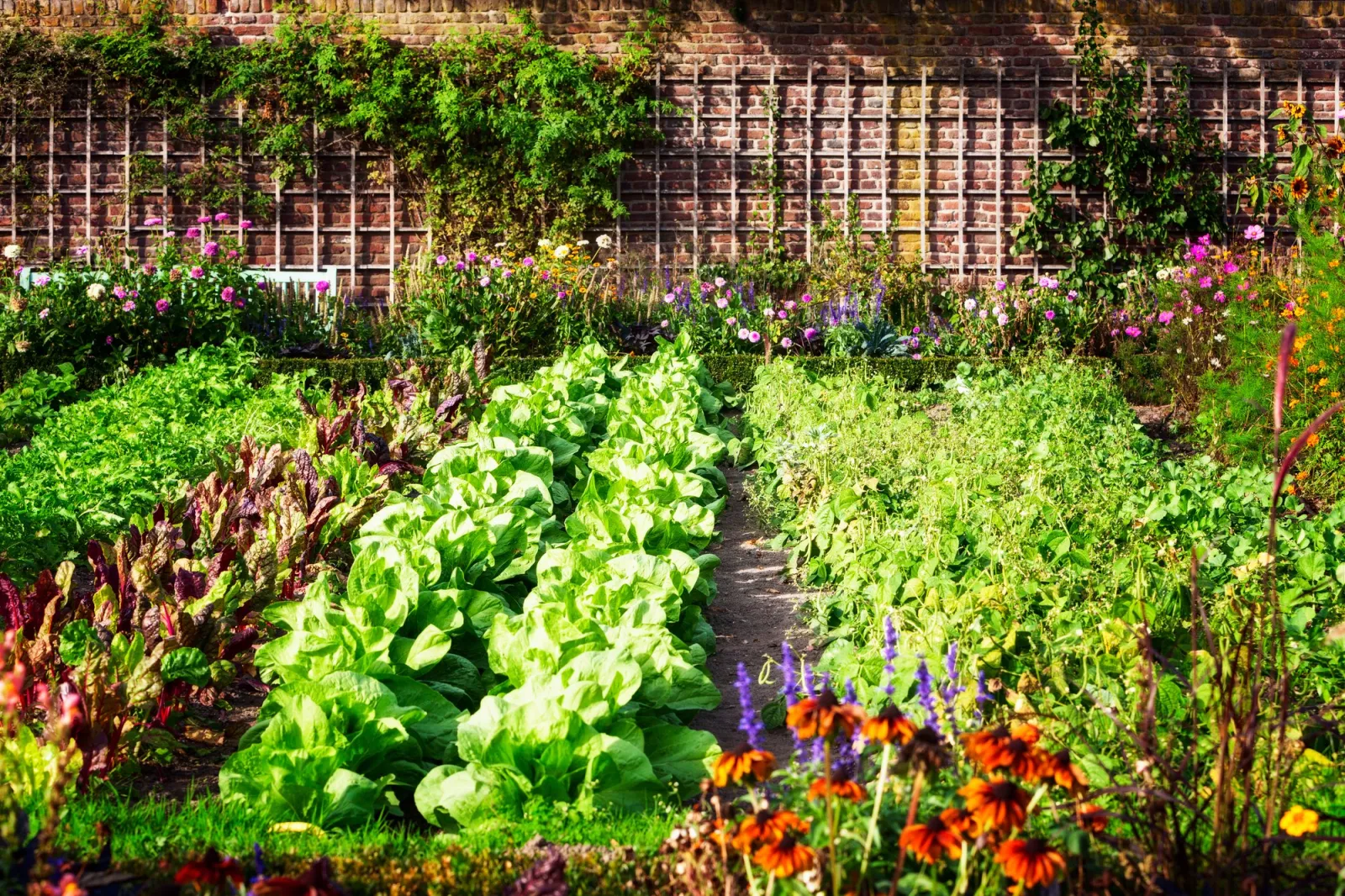




Just as you give your house a good spring cleaning to freshen it up after a long winter, take a similar approach to getting your garden back in shape for the warmer months. Once the chilly winter winds bid adieu, it feels a little overwhelming to consider tackling all the work that a picture-perfect spring landscape requires. Use a checklist to help pace yourself as you get your flowerbeds, trees, shrubs, and other garden areas ready for summer. If you are searching for sustainable garden ideas, or want to create the ultimate entertaining garden. Organic Gardening is exactly what can suit your outdoor space. Organic gardening is one of the many ways in which we can get our share from the earth as well as preserve it for future generations. Not only is it safe, but it also does not harm the soil, the habitat or the environment.
Prepare the Soil
In order to get the best results with your new organic garden, you'll want to make sure the soil is properly conditioned. Healthy soil helps build up strong, productive plants, so make sure your soil has plenty of humus and veggies have lots of fresh nutrients. You can get a home testing kit to get a complete breakdown of pH and nutrient levels, as well as treatment recommendations. Preferably, your manure should be organically and humanely raised.
 L’Officiel India DigitalRead L’Officiel India in the digital libraryEvery issue and every cover story, on TCG Media.Read now
Make Good Compost
All gardens benefit from compost as compost feeds plants, helps conserve water, cuts down on weeds, and keeps food and yard waste out of landfills by turning garbage into "black gold." Spread compost around plants or mix with potting soil. The best compost forms from the right ratio of nitrogen and carbon-rich organic waste, mixed with soil, water, and air makes the perfect compost.
Beneficial insects can be your best friends, especially ladybugs.
Water the Right Plants
Selecting plants that will thrive in your specific micro-conditions will serve its worth. Choose plants that will adjust well to each spot in terms of light, moisture, drainage, and soil quality. The happier your plants are, the more resistant they'll be to attackers. If you're buying seedlings, look for plants raised without chemical fertilizers and pesticides. It's better to buy stocky seedlings and root systems that don't look overcrowded. The best time to water plants is usually in the morning with less wind, so the amount of water lost to evaporation is reduced.
Weeding And Protecting
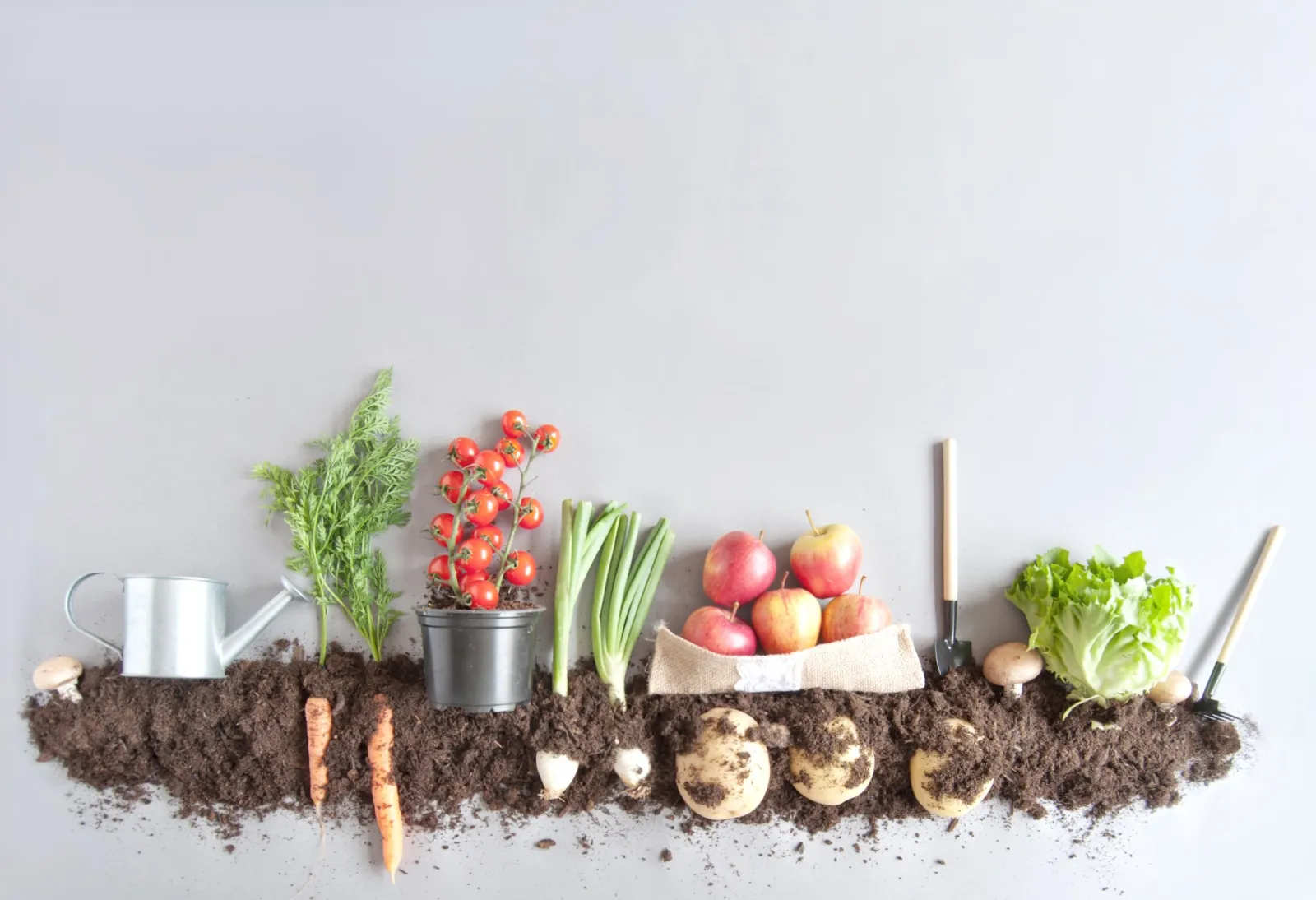
No matter where you live, you'll still get weeds. Reduce the number of weeds you have to contend with by applying mulch, which also helps protect the soil. Organic mulch, wood chips and burlap can work in a pinch. Many people opt for lawn clippings, because they are high in nitrogen. Clippings should only be used on plants that need a lot of the nutrient, such as squash and lettuce.
Organic weapons include Bacillus thuringiensis, a naturally occurring bacterium that disrupts the digestion of caterpillars and other leaf-eaters. Horticultural oils, insecticidal soaps, garlic, or hot pepper sprays can protect plants without pesticides.
Harvesting
Don't forget to harvest the fruits! The more you harvest, the more your plants will produce for you. During peak harvest season, you'll likely find that it's best to check your garden every day. Got herbs? If you use them fresh, pick them right before you need them. But if you'll be drying and storing them, it's best to wait until just before they flower. If you get too much bounty, you can also freeze or store some types of produce in a root cellar, or take up canning.
Cleaning
If you notice sick plants either during the season or at the end of the year, make sure you pull up the entire organism. Don't forget to rake up underneath, since diseased leaves can harbor problems for a long time. Put all infected material deep in the woods, in the ground, or on the bonfire. You'll provide some food and habitat for birds and other wildlife, and plant cover can help protect your soil from eroding. It's better to chop off annuals instead of yanking them out. That way you'll leave soil intact, and help prevent weeds from gaining a foothold.
Spotted a mistake, or your photo used without permission? Report a correction