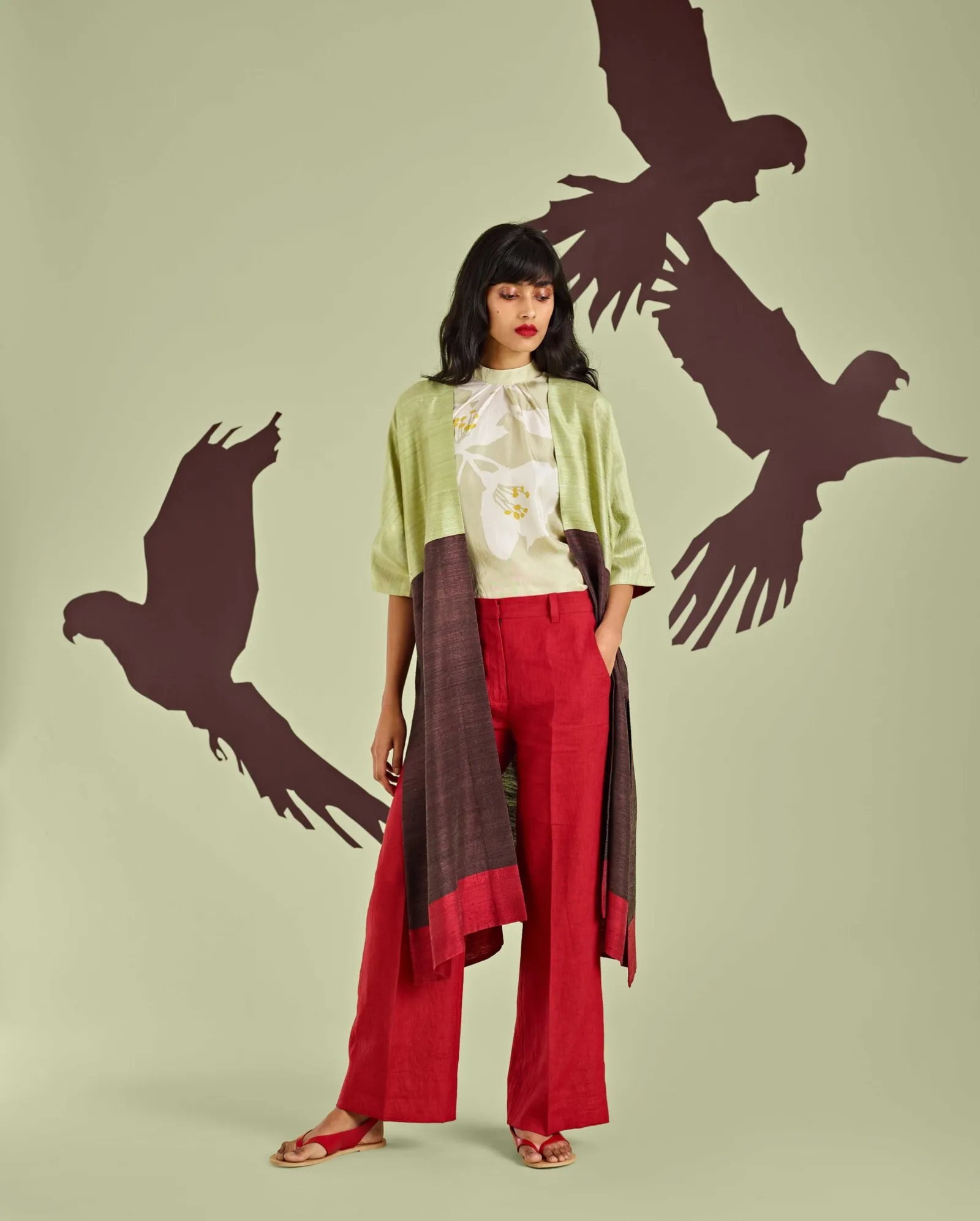
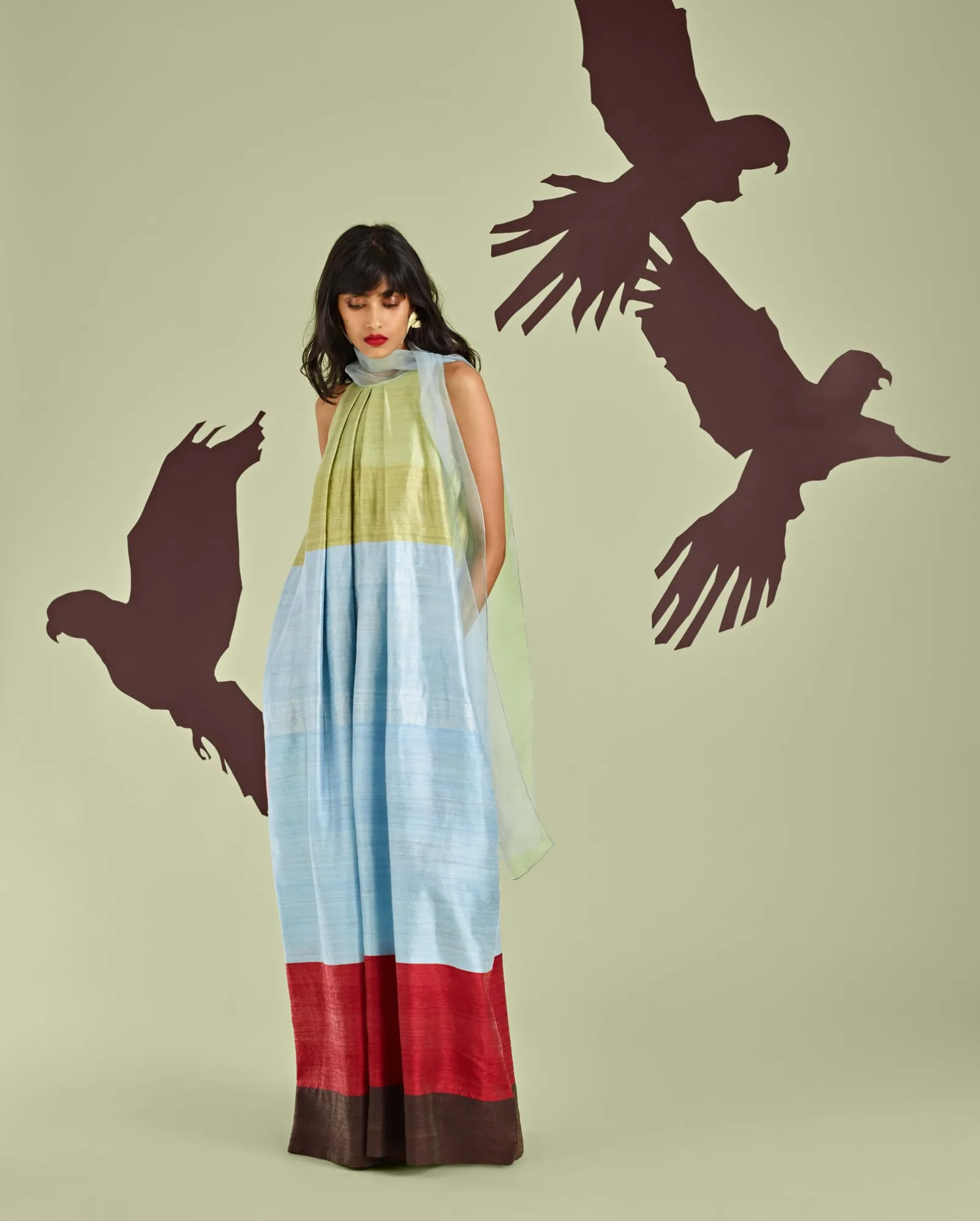
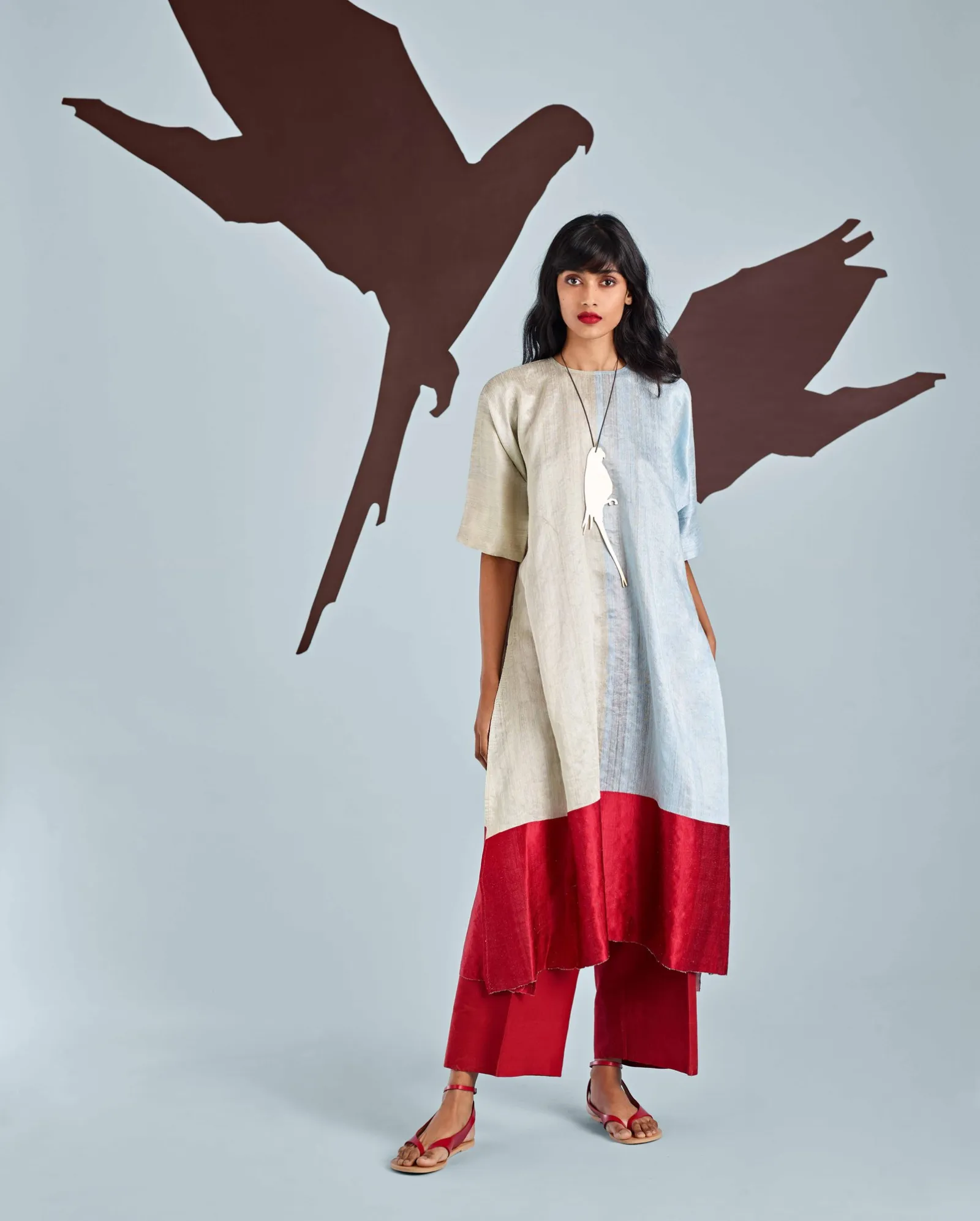
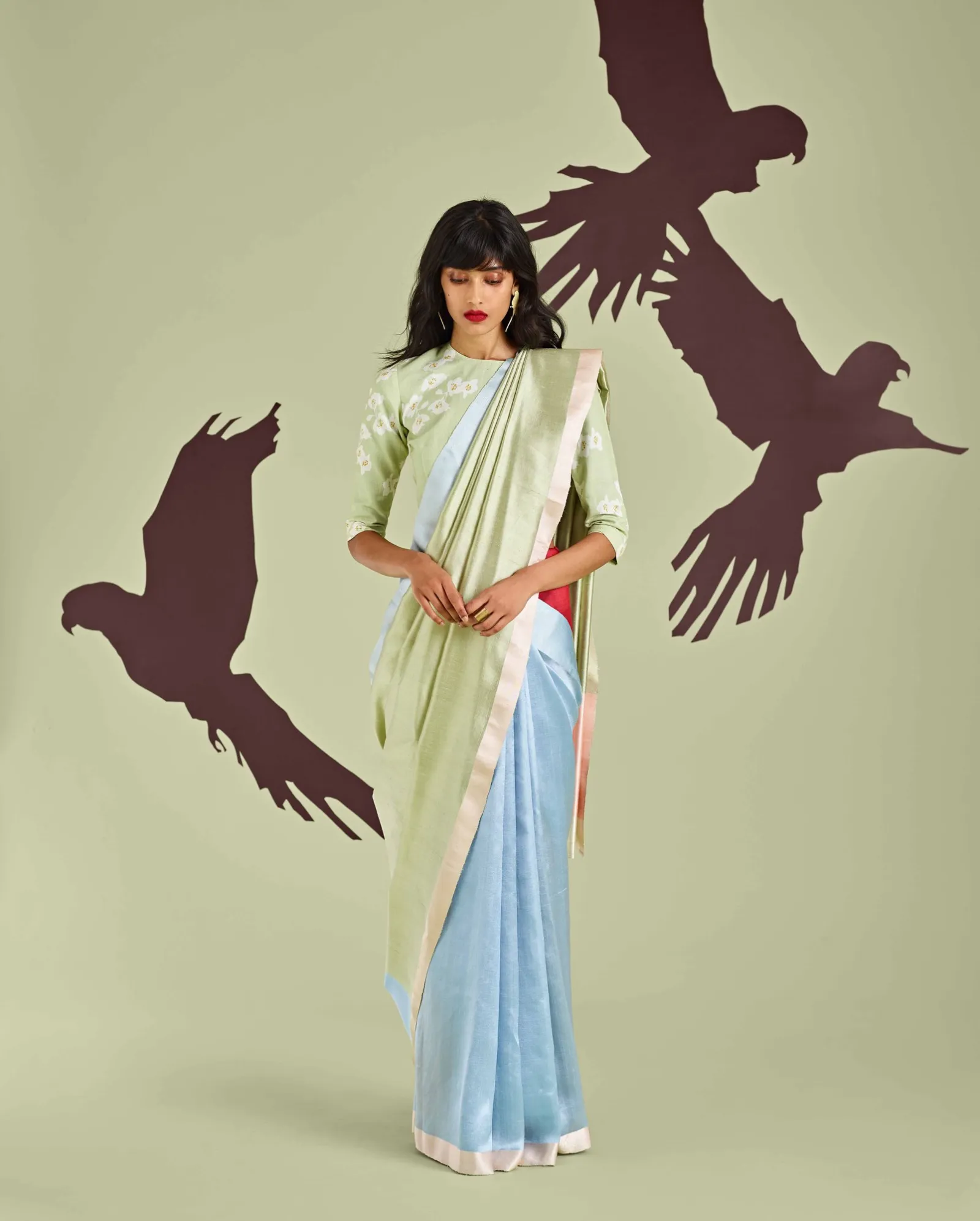
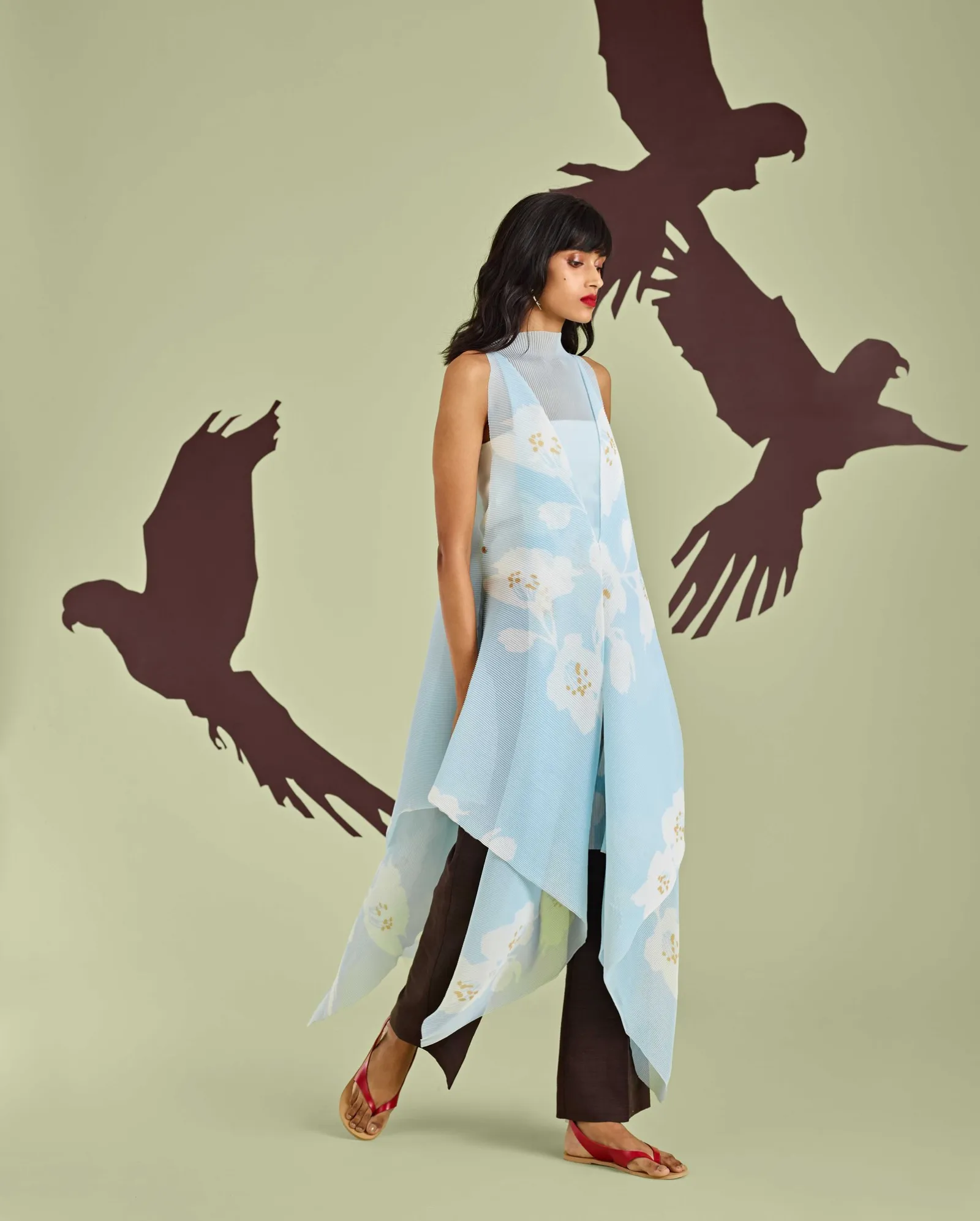
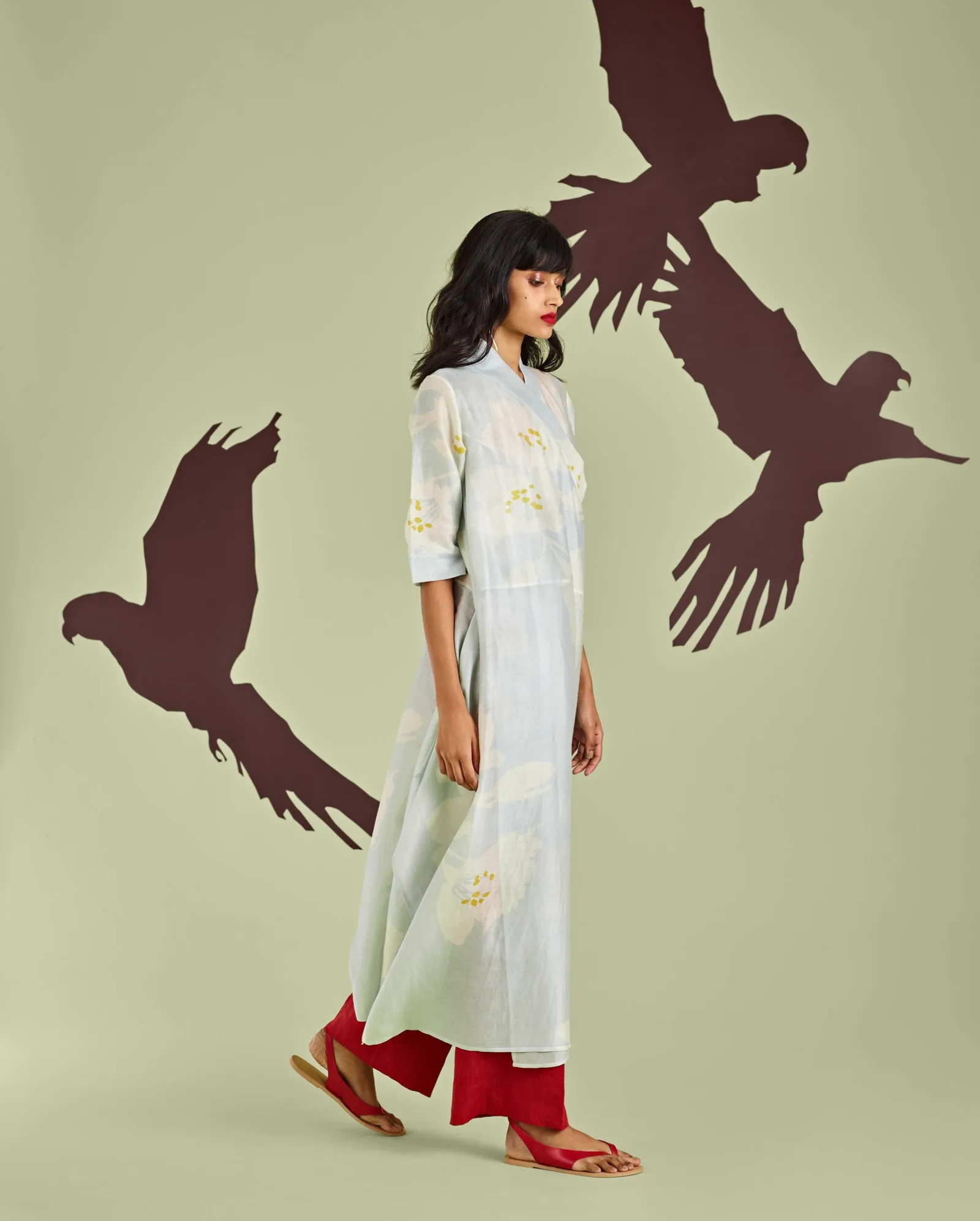
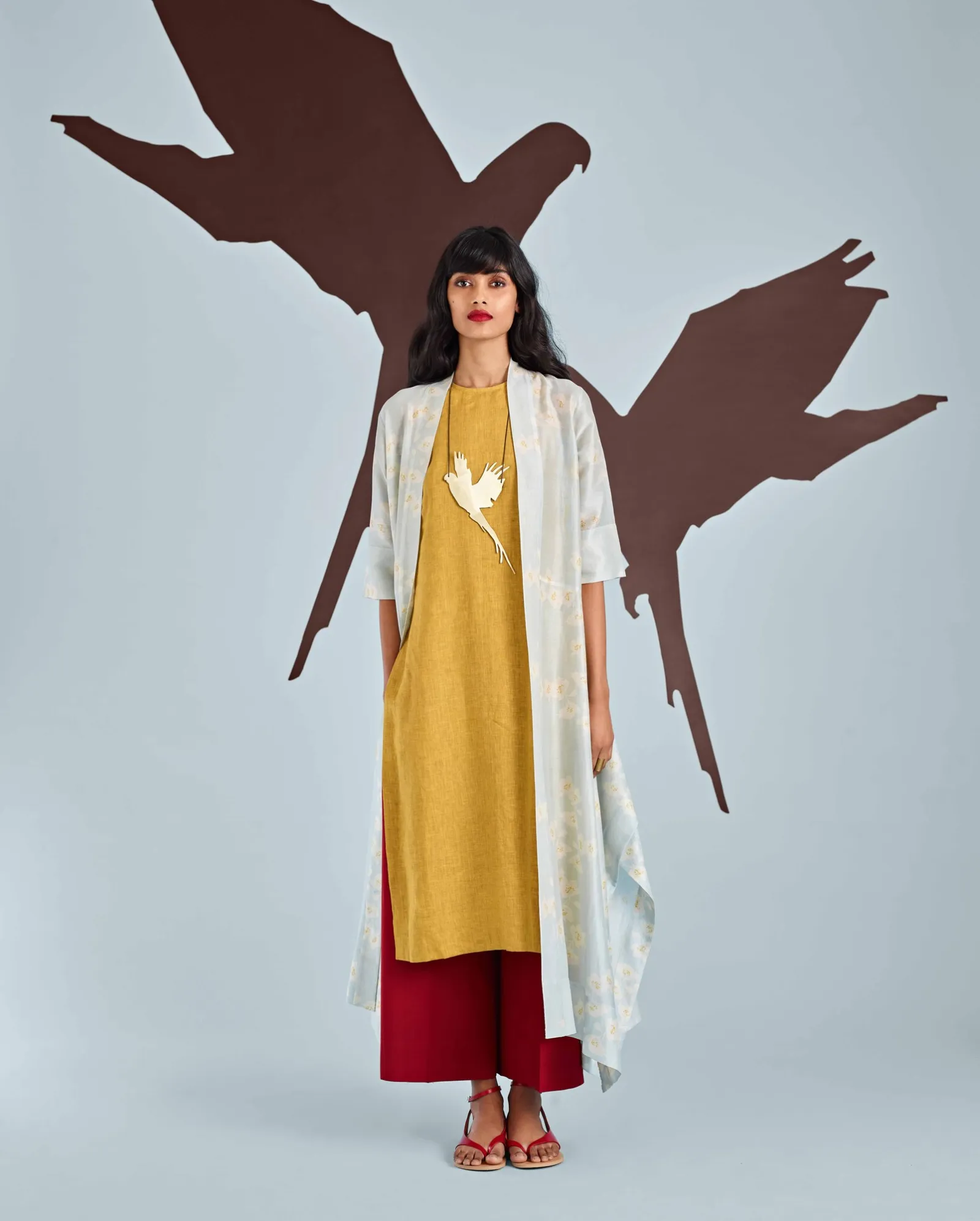
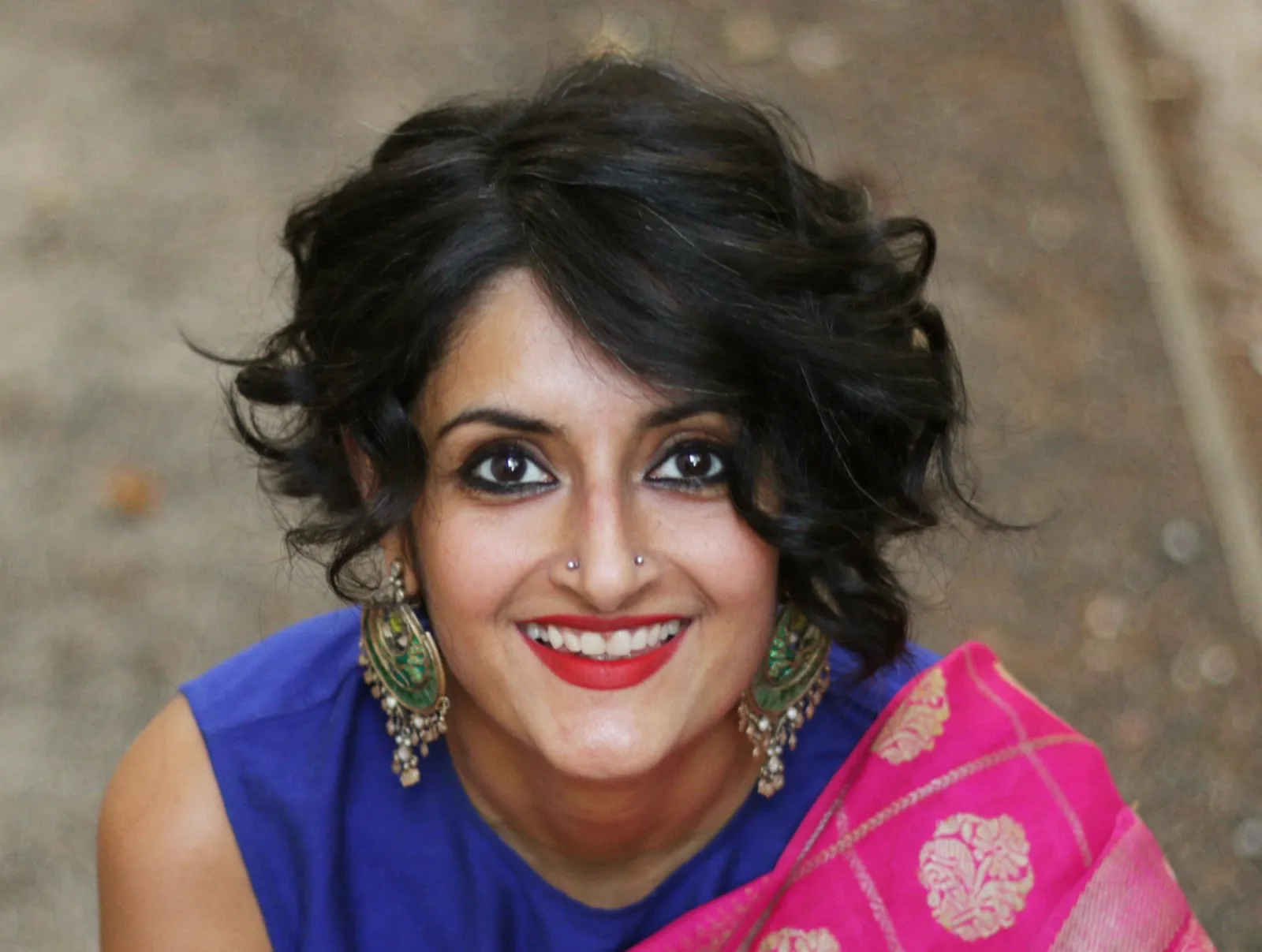
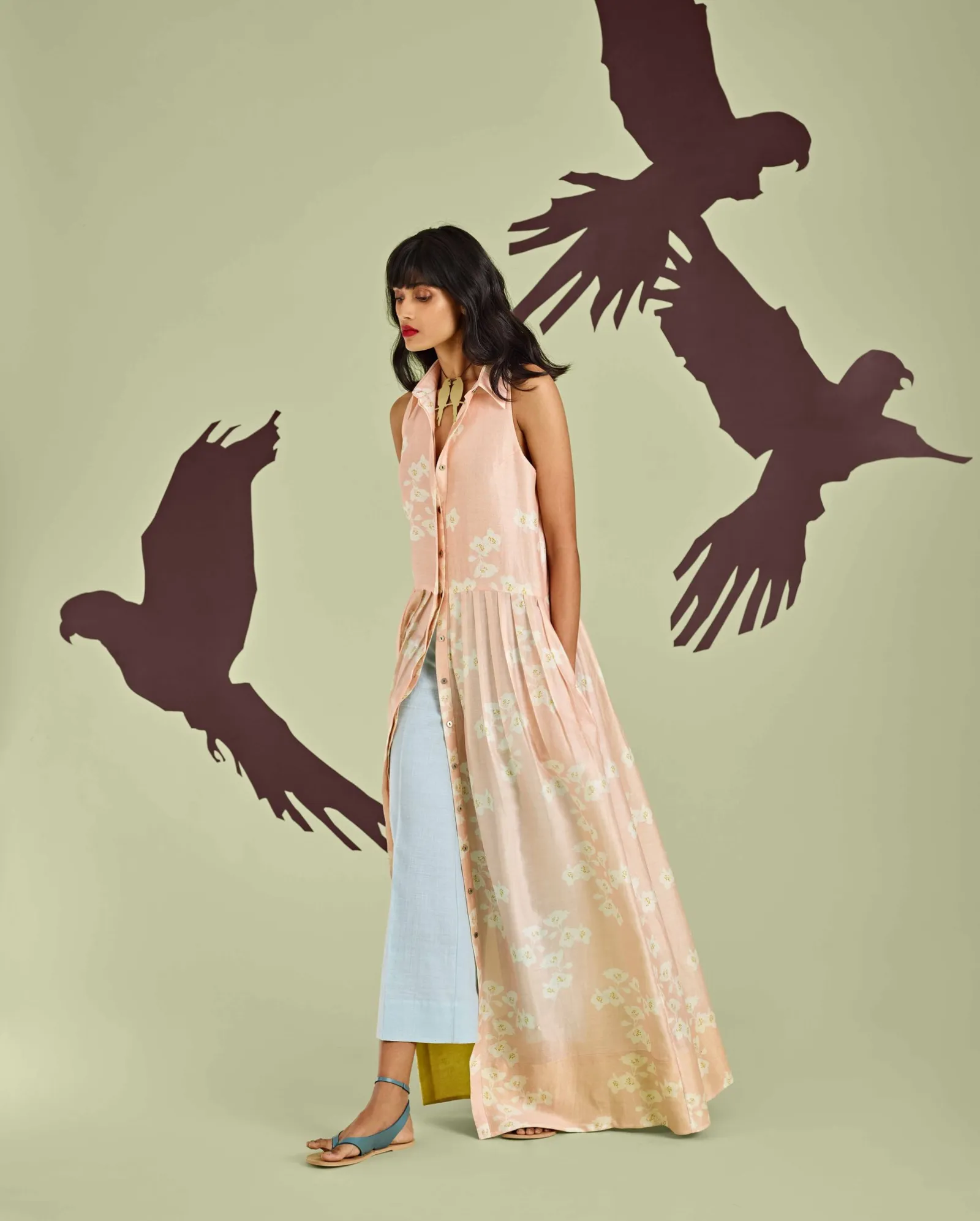
Known for dramatic yet, minimally layered separates in vivid colours and texture play, designer Payal Khandwala, has carved a niche of her own since the launch of her eponymous label in 2012. Being an artist, she approaches fashion distinctively and doesn’t let trends guide her instincts. On the contrary, she believes ‘trends’ compel people to buy more clothes. It is a relentless, but clever marketing strategy.
It all started for Payal as a child when she watched her mother sew clothes and put things together to customise her wardrobe. She says, “I was genetically predisposed to being particular in the department of clothing. But, I started working part time at the Garden Vareli Studio when I was 17 and found that I did enjoy textiles and design. That’s when I decided to study fashion at SNDT to understand the more formal aspects of pattern cutting and sewing.” She seeks major inspiration from art that defines a lot of her choices in design, including line, colour, proportion, but everything around her adds to uplift her creative mind.
Payal’s designs are an extension of her free-spirited and strong-willed nature. On being asked to define the ideal Payal Khandwala woman, she explains, “She is a gentle non-conformist, both fierce and feminine in equal measure. And in my head she is a woman that marches to the beat of her own drum, has lots of style but is not a slave to fashion loves subtle luxury but won’t sacrifice her comfort for it.”
“It is crucial to have a point of view when you design. Not just for the sake of having an opinion, but for the fact that it stems from a philosophy that you truly believe in…”
When it comes to fashion, Payal couldn’t stress upon enough on ethics and integrity. She adds, “We must manufacture responsibly, but also produce less. As consumers we must buy less, but buy better. This is the only way to be truly sustainable.” She believes that copying someone else’s voice, their ethos and then pretending to change a pocket, is lazy and undermines the hard work of the talented few. “I think it is important to believe in your product, and to make it with sincerity. This defines our work. It is further important to me that my team feels like they are part of a family. Business is not just about making a profit, it is also about a core philosophy, one that doesn’t changes from one season to the other,” she says.
Coming to her eclectic design process, Payal likes to keep things simple and prefer elegant lines that make chic clothing which is also free spirited. In a way, the clothes are an extension of her personality. She says, “I play a lot with colour, because my experience as a painter gives me an advantage with colour theory. I love dramatic lines, but proportions are integral to my design process. I love layered separates because they are versatile and give me room to experiment. And I like subtle shifts of texture and sheen. So I try to keep all of these elements in mind when I design something, but a big part of the process is also intuitive like the draping, the pleating…and of course some of it is also just happy accidents.”
Handicrafts play a pivotal role in her designs, and fabrics including, mulberry silks, khadi, chanderi, organza, among others, hold a special place in her creations. Payal explains, “I love natural fabrics, especially when they are hand woven. And I love silks because saturated colours work so well with the silk yarn. In most cases, I pick the textile based on the silhouette. The weight, the drape and the fall of a garment, will often decide the fabric I will go with. But there are times when I will pick a textile first and work around it. We get most of our textiles hand woven from different parts of the country, including Benaras, Bengal, Bhagalpur and Bangalore.”
Payal is of the opinion that the Indian fashion industry is now more open to newer and younger talent. It is further more supportive of local craftsmen, certainly trying to support circular and sustainable fashion, and in a way trying to shift the landscape in a direction that is more experimental. She concludes, “It is crucial to have a point of view when you design. Not just for the sake of having an opinion, but for the fact that it stems from a philosophy that you truly believe in, and an alternative that you want to suggest. Amidst cutthroat competition, the only way to stay relevant is to stay honest and to stay ahead. Plus if you suggest something that is new rather than data driven then you will always be a leader.”
The designer is wrapping up her fall winter collection for 2019 and focusing on the brand’s online and international presence. She is all set for the big move and designing the new flagship space in Mumbai.





 L’Officiel India DigitalRead L’Officiel India in the digital libraryEvery issue and every cover story, on TCG Media.Read now