Trash To Treasure: Art to Save Mt Everest!




Strap Line: The icy gradients of Mt Everest have been burdened by tonnes of waste. Here’s how art provides solutions for environmental conservation in the Himalayas.
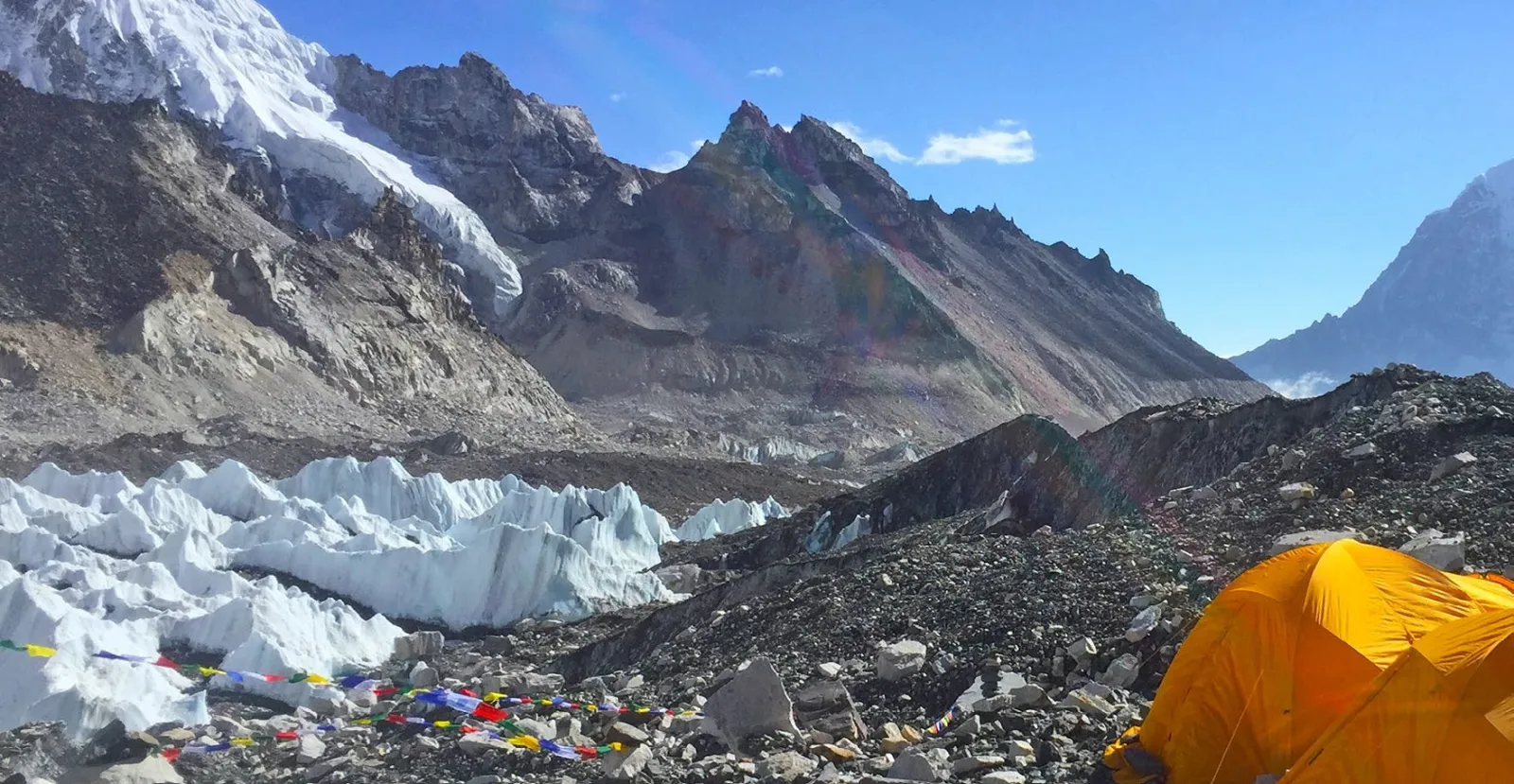
In a flash of a second, Mount Everest brings in vignettes of heroic trekking, blizzards, pristine snow covered mountains, billow of clouds and inevitably low oxygen levels in our mind. Altogether, it makes for a thrilling chase to fulfill the wildest of the dreams that only some can imagine. For others, we travel the icy gradients of the world's highest mountain, through the lens of the arduous journey of hikers which portrays Everest as a gleaming white spotless beauty.
 L’Officiel India DigitalRead L’Officiel India in the digital libraryEvery issue and every cover story, on TCG Media.Read now
However, this unsullied ambience of the highest mountain has been marred with tonnes of waste that humans leave behind on their tumultuous treks.

The project shall ensure eco-tourism at Everest by fusing art with the environmental awareness. It will engage performing artists, sculptors, painters, photographers and designers from multi-disciplinary fields to bring in diversity in the artworks.
To be precise, in 2018, around 60, 000 visitors came leaving nearly 790kg of waste per day during the trekking season at Khumbu Valley of Nepal that shares the location of Everest on Nepalese side, as found by a study by Kathmandu University.
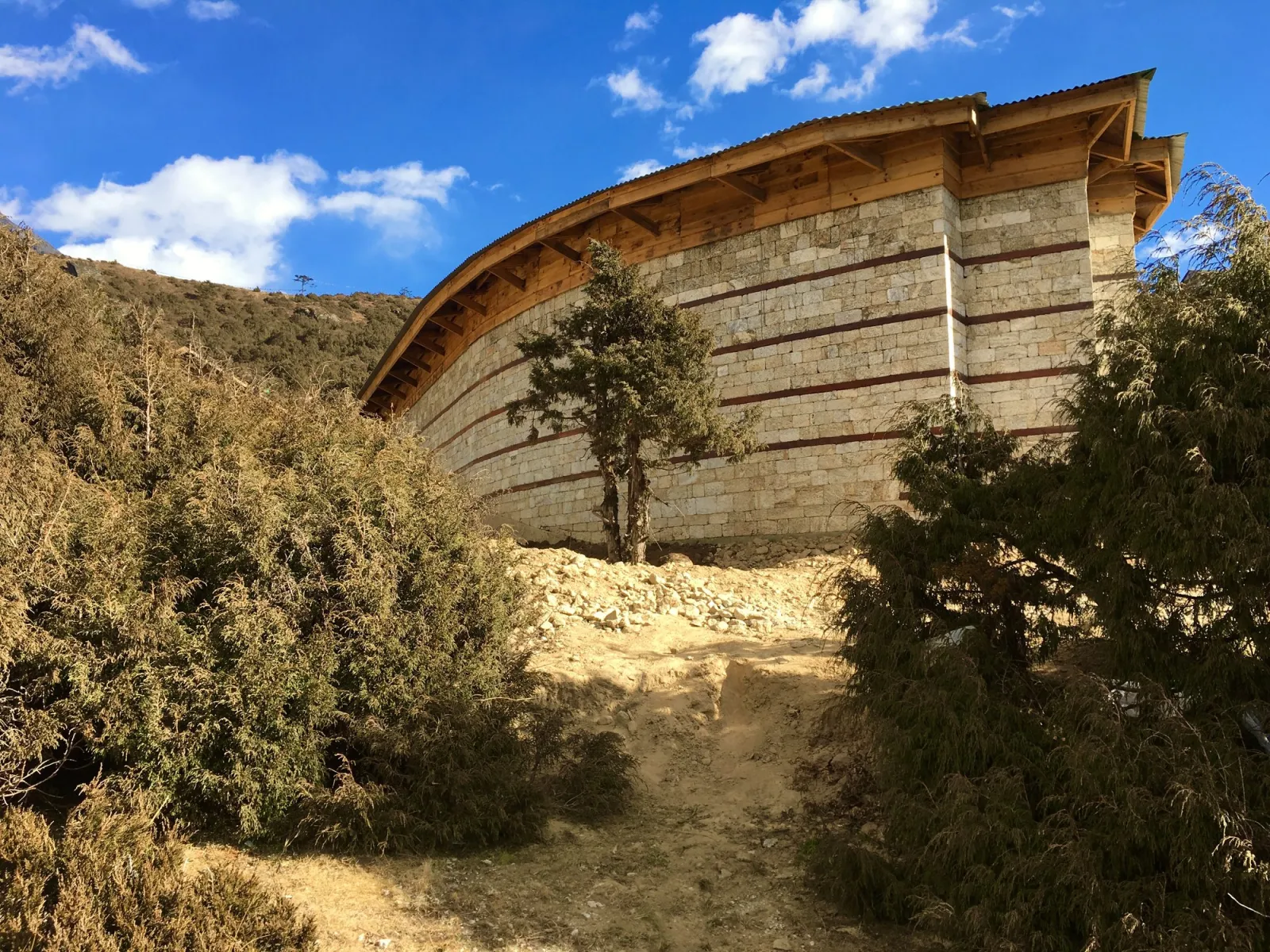
Now art has come to save Everest, turning this astounding amount of trash in the form of oxygen bottles, broken ladders, ropes, used and plastic wrappers into treasure. A Nepalese NGO named Himalayan Museum and Sustainable Park/HMSP has launched a project called Sagarmatha Next Centre which is a combined visitors information centre and a waste upcycling facility. The ongoing project will have trash converted into art and being showcased at Denali Schmidt Art Gallery, located at 3800 meters altitude at Syangboche that paves way for a trail to Everest Base camp in Nepal. That makes for a great news for art aficionados who are ready to unravel out-of-the box art at the most atypical places in the world!
“We will invite local and international artists and designers for a 3-6 weeks art/design residency at Sagarmatha Next for them to create artwork and design products from the waste materials. The artwork will be exhibited in our on site Denali Gallery and the designed products will be displayed and offered to visitors in our shop”, said Tommy Gustafsson, Project Director at Himalayan Museum and Sustainable Park/HMSP.
The project shall ensure eco-tourism at Everest by fusing art with the environmental awareness. It will engage performing artists, sculptors, painters, photographers and designers from multi-disciplinary fields to bring in diversity in the artworks. They will be armed with prudent tools and crucial techniques for welding, drilling, sawing in the process of creating. “We will provide all sorts of metal & wood tools, all types of material for painting and whatever is needed for each and every visiting artist. We will also have injection machines and moulds for production of various design products”, Gustafsson elaborated.
Apart from making the best out of waste, the designers and artists will also host workshops with local schools and handicrafts communities. This is to inspire and impart the artistic skills among them and will also lead to growth of cottage industries in the region ensuring employment generation. “This hopefully can create local production of handicrafts and souvenirs made from recycled materials. Secondly, engaging locals is key for the overall waste management plan for the region as everyone will be a part of the solution. For instance, they will be taught to do waste separation(have multiple bins for different waste materials and support other arms of the project”, adds Gustafsson.

Tourists and trekkers will also be assisting in the ‘Carry Me Back’ waste transportation system. Under this initiative, waste processed in material recovery facilities at Sagarmatha Next is to be put in 1 kg bags and be given to trekkers on their way back to Lukla airport and then to Kathmandu airport so it can be deposited in bins rather than pollute the mountains. From there the waste will be taken to recycling with the help of local waste management bodies like the Sagarmatha Pollution Control Committee. The pilot project took place in Autumn of 2019 where a total of 4,000 kg of waste was transferred to Kathmandu by 2500 participants and more waste disposal activities are on the way.
The construction for the Sagarmatha Next Centre is under development. Apart from the art gallery, the campus will have a welcome area for visitors, cafe, shop for buying products, visiting artist housing facility and learning centre.
Spotted a mistake, or your photo used without permission? Report a correction