The Torchbearers
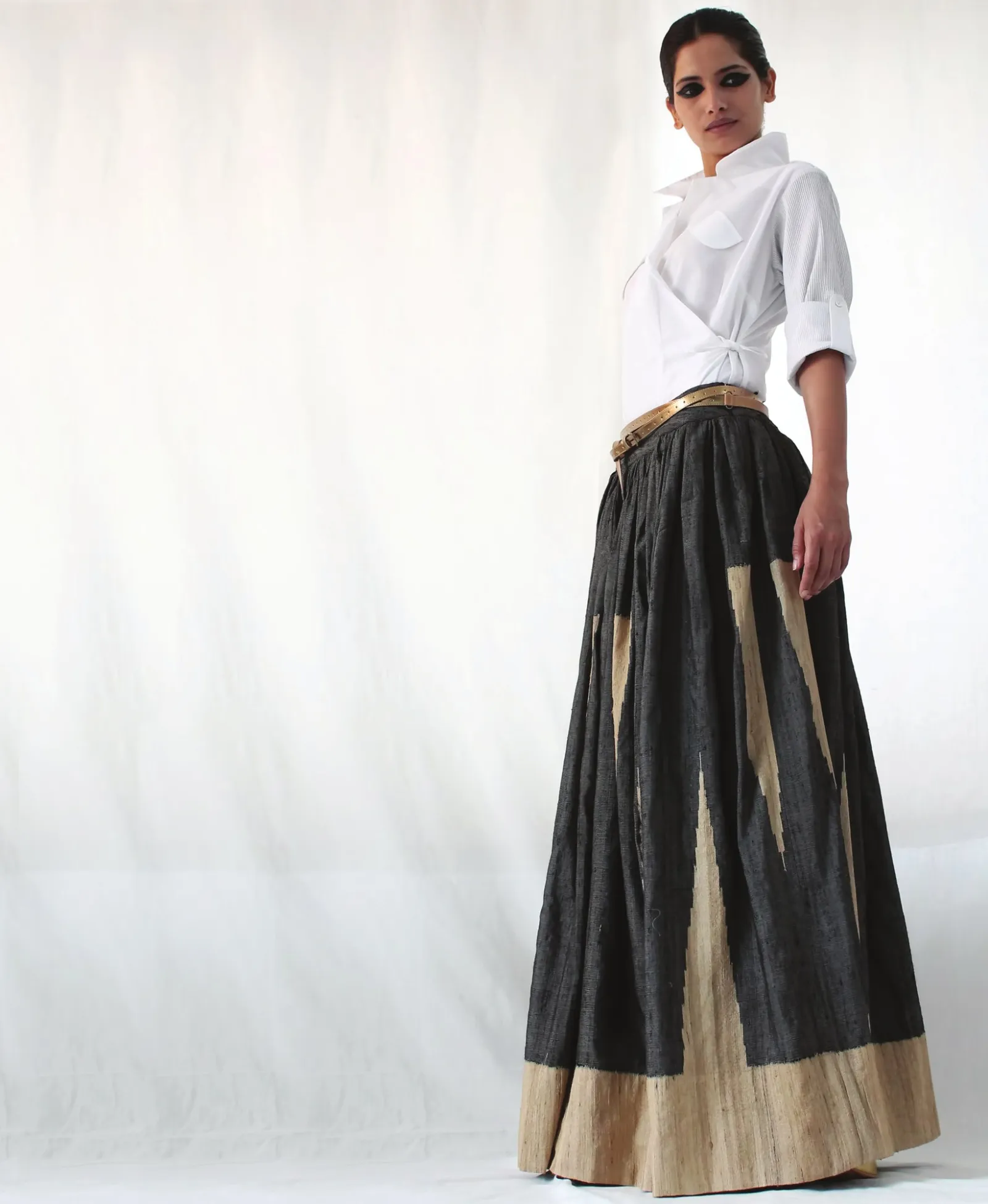




Unlike most things in life, which have shades of inbetweens, David Abraham and Rakesh Thakore of A&T love monochromes.
Maybe it is the clarity they offer or the unambiguity… But David will tell you that it is the purity that makes this combo attractive. And it is just one of the many things A&T have been recognised for since they started their journey in 1992, after graduating from the National Institute of Design, Ahmedabad.
 L’Officiel India DigitalRead L’Officiel India in the digital libraryEvery issue and every cover story, on TCG Media.Read now
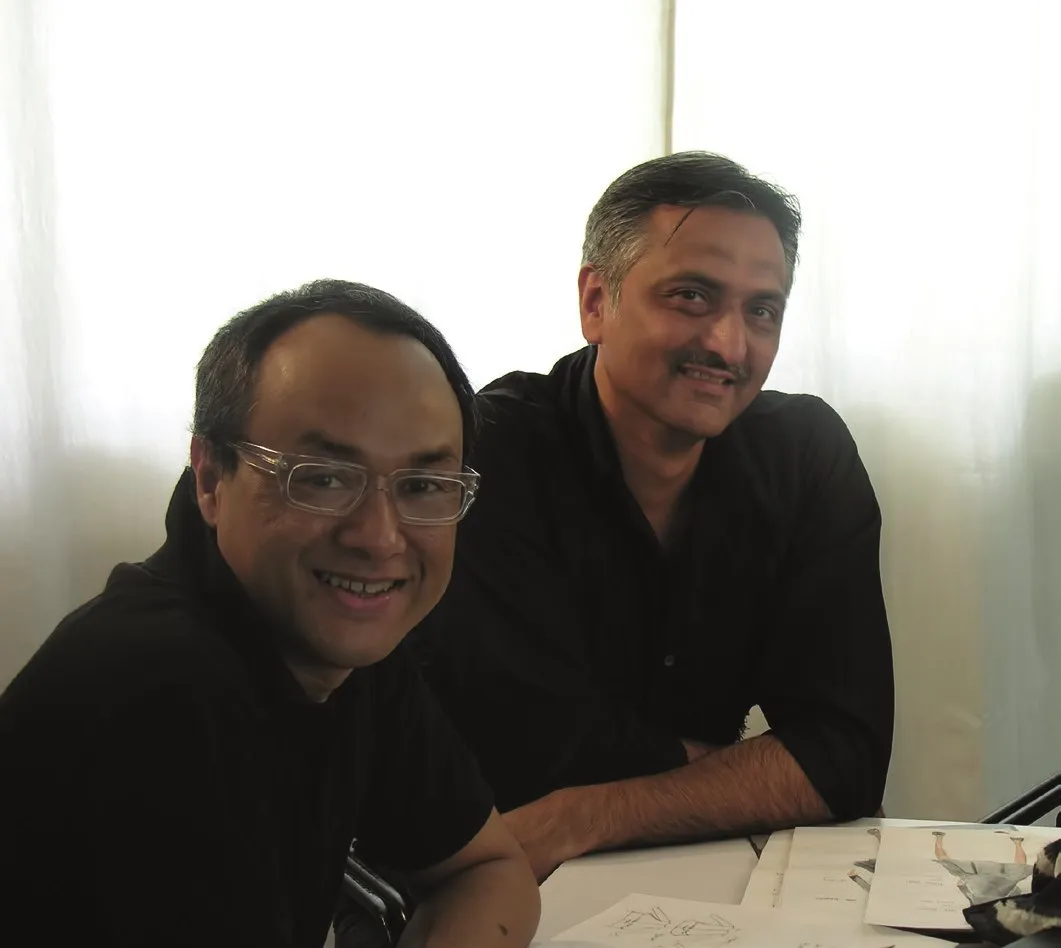
A journey that started by using natty election motifs, deriving a reference from iconography, A&T hit a high note with their first ever show in 2010, which had, a black handloom sari as an opening piece. This sari managed to win a place at Britain’s Victoria & Albert Museum, helping them swiftly conquer Western shores. “When we started, the only thing we wanted to do is something we loved; so textiles became our mainstay,” David tells us. “We had learnt to weave, set up a loom and work with threads at NID, where the most brilliant professors taught us everything we needed to know--from making screens, printing, dyeing… the works.” A&T came into being 20 years ago, at a time when the West was far more open to the idea of textiles than the home country, where anything woven was considered ‘very Dilli Haat’. Pushed by this curious market situation, the duo started by exporting scarves, loungewear, home products and stoles to Liberty, Browns and The Conran Shop in the UK. “We were sitting on this mountain of ancient techniques, which the West was eager to have as part of their repertoire,” David says. Cotton, natural silks and jamdanis have been constants in A&T. Despite the competitive retail environment, this ideology survived, along with the humility you get to see in their choice of motifs, which range from the autorickshaws to temple designs and triangles. “If the younger generation will get to loving the crafts, it is not through the sari, but through a stitched garment, maybe a sundress, palazzos or a kurta,” says David. “One has to reinvent to make textiles relevant for the youth today,” he adds.
A&T have always tapped into changing demands and that includes customer responses to their clothes being too expensive, despite being so austere—they never fell into the bling trap. “There will be market resistance to buying a double ikat sari
Spotted a mistake, or your photo used without permission? Report a correction