Imagine tall, lush green vineyards scented with ripe grapes and fertile soil. The rich and sophisticated texture of every single grape fused and fermented using organic ingredients and aged for years in a glass bottle. Truly, words can not encompass the beauty of fine wine wrapped in the mystery of time. Fortunately, we were lucky to seize the opportunity of appreciating wine and its intricacies from experts at the India Wine Summit 2019.
Wine is a sophisticated drink, which should not be viewed as feminine or masculine, it is rather simply human.
Juxtaposing wine culture in India to other countries, Loic Pasquet, owner of one of the most controversial wines, Liber Pater, says, “First of all, India is one of the “new” producing countries, with a wine culture much shorter than for example Italy, Spain, and France, not to mention Georgia, where the history of wine production goes back even further. India is today one of leading “new” wine countries, and also the main player in the import of wine, despite the extreme import duties.”
Loic further gives us an insight into how well India has accepted wine and adds, “With wine not being a part of the original culture and religion, is it not as deeply rooted in the “old” wine countries. This means that Indian wine drinkers have started from a fresh and clean slate and have had to establish their own wine identity and knowledge. Today, Indian wine lovers are amongst some of most open-minded and well-educated in the world, but they remain a minuscule part of the vast total population.”
So what is it that deters Indians to make wine as their staple drink? “The immense duties on imported wines are making it highly difficult, if not impossible, for most Indian people to afford to buy and enjoy wines from around the world,” Loic adds. However, there is also a positive side to this. With India increasing its own domestic wine production, the quantity, as well as the quality of the domestic wines, is increasing. Moreover, these are less taxed and available for a much larger population, which has helped spread love and passion for wine in India.
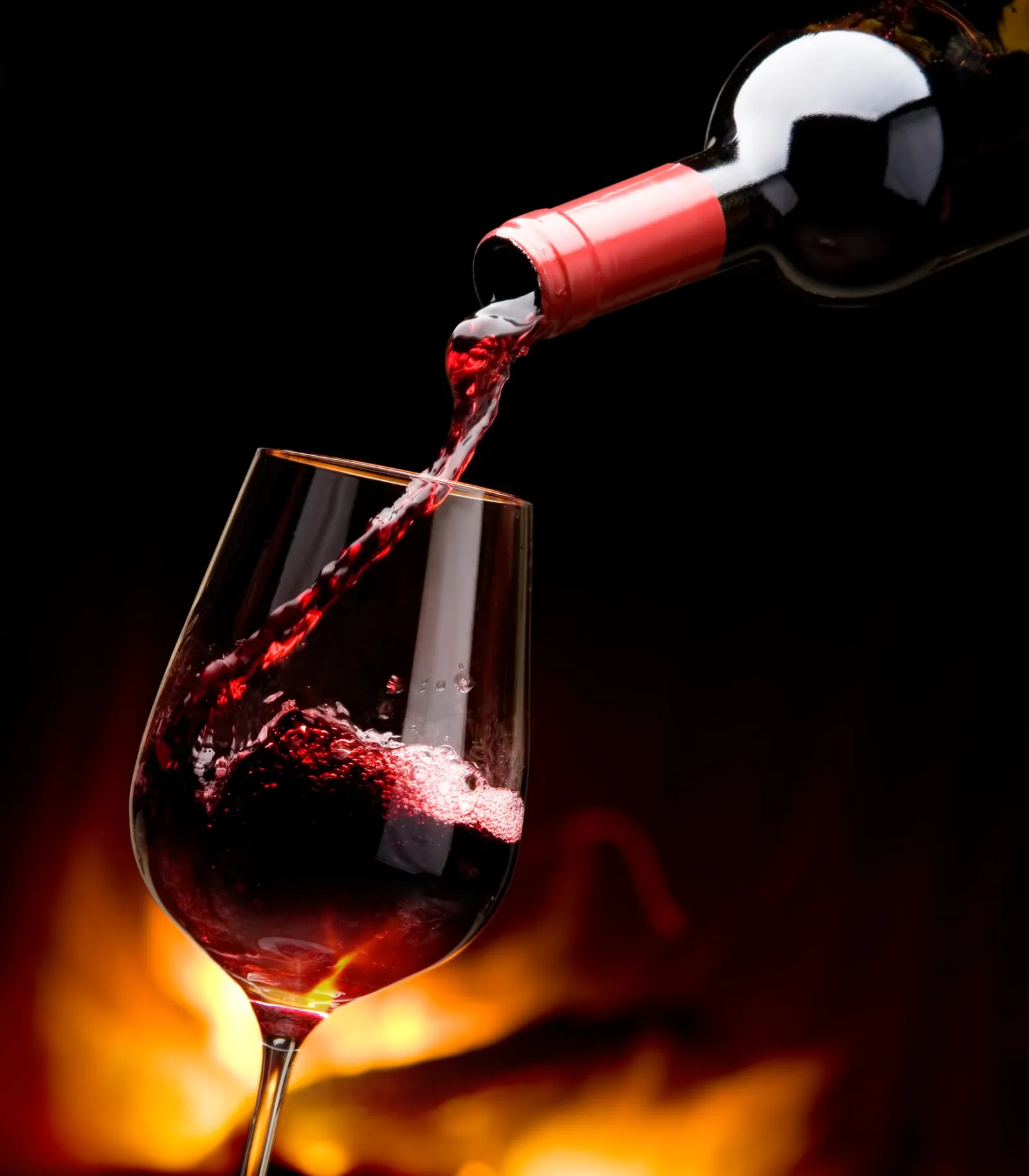
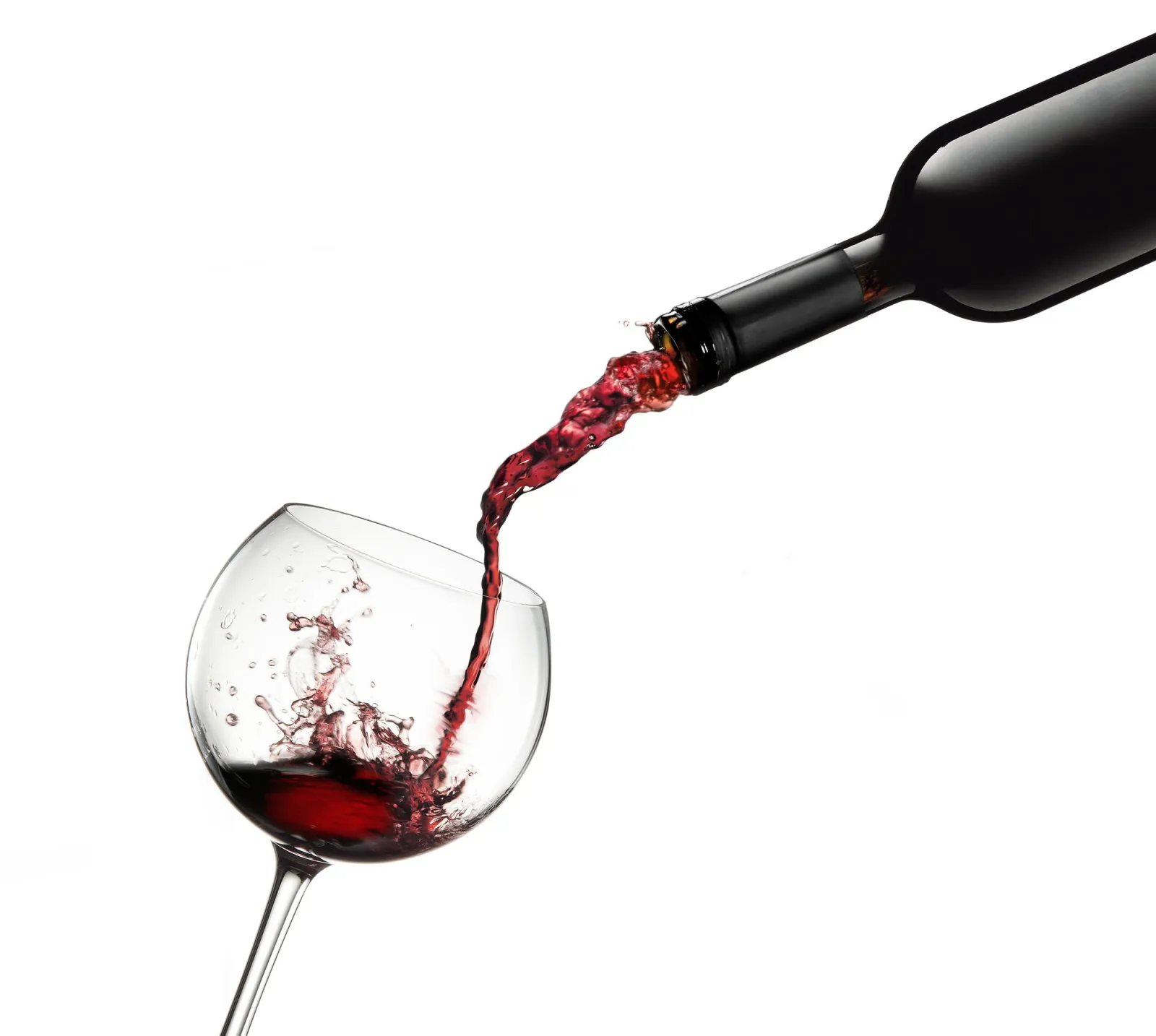
With age-old mannerisms still relevant in today’s time, most red wines are served in tall glasses with a thin stem while whites are conventionally served in glasses with a thick stem and relatively thin base. Because white wine is served chilled, it is recommended to hold the glass from the stem, so your body temperature does not warm the wine. On the contrary, red wine is served at room temperature and the glass is expected to be held from the base keeping in mind that your hand keeps the wine moderately warm.
We as humans are all different. It is also the case when it comes to taste. In general, it takes years to develop a sophisticated wine palate. So, for someone who’s never tasted wine, the secret lies in starting with simpler, more accessible and less complex wines. “Building your palate’s sensitivity as you formulate your knowledge about wine and grow as a wine drinker runs parallel to how well you accept it in your life.” says the winemaker. It’s a learning process and something that’ll never finish, and to be able to fully sense and understand a truly magnificent and complex wine, you will have to start with baby steps.
Is wine a feminine drink, you ask? “By no means. Wine is rather one of the most intelligent drinks in the world and is a part of the culture and history of human society. It is much more than just a beverage and it reaches deeply into almost all aspects of the foundations of today’s western society.” Talking about Liber Pater, Loic says that the name is derived from the ancient Roman god called Liber Pater; the “free Father.” He was the god of not only viticulture but also the wine, fertility, and freedom. Intrinsically linked together in culture, wine is a sophisticated drink, which should not be viewed as feminine or masculine, it is rather simply human.
“Wine across the globe is consumed to celebrate a happy occasion. Whether a wedding reception or a birthday party or promotion dinner, wine glasses are clinked to hear the sound of happy times,” says Prateek Kumar, an avid wine sommelier. On how he switched from drinking his favourite scotch to now savouring wine, he says, “Wine for me is not a pastime drink. I strive to connect logical thinking with the way the crispiness of the drink transports me to land of flavour and artistic aroma.”
If it’s neither feminine nor masculine, will it be alright if we say the modern man of today is inclining towards drinking wine? “In the old world, people are still drinking wine as have they done for about 8000 years. The consumption is decreasing, but the level of sophistication, quality, and knowledge are increasing. You could say that the wine drinkers of the “old” wine world are becoming more intelligent wine drinkers.” Loic Pasquet on the old traditions of drinking wine.
Wine as a beverage is highly different from other alcoholic beverages. It works fantastically with food. It tells a story and is part of history. Wine in moderation is healthy and wine inspires. More and more people across the world are opening their eyes and minds to the beauty of wine. Thus, the beauty of a bottle of wine is that it begs to be shared. Little did you know that you’ll forget yourself in the process. With this said, stay tuned for the next issue, for we have curated the best food experience you can have with your wine.





L’Officiel India DigitalRead L’Officiel India in the digital libraryEvery issue and every cover story, on TCG Media.Read now