
The New Language of Movement
In a world moving faster than ever, fitness is becoming a refined practice where personalised workouts, recovery rituals, and mindful movement come together to build resilient, future-ready bodies.
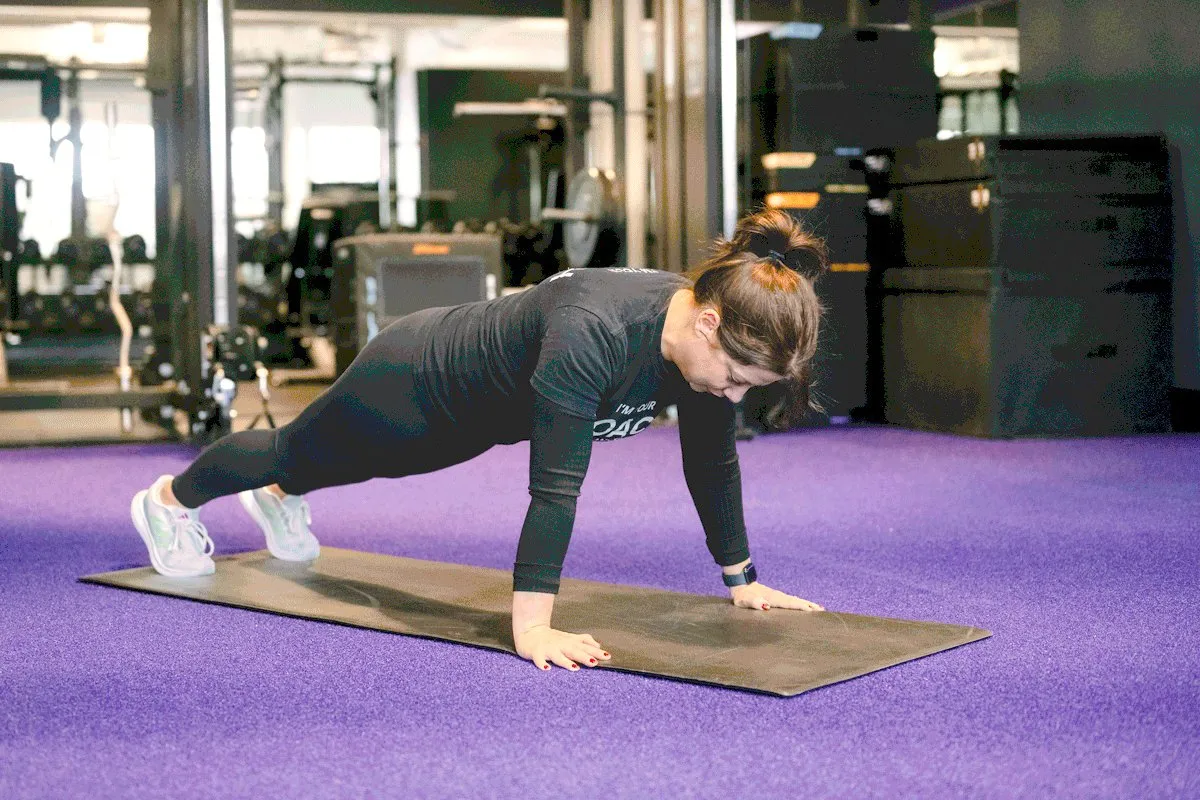




Fitness is entering a new era where movement is no longer defined by extreme workouts or short-term transformations. In 2026, the focus has shifted toward sustainable training that supports longevity, mobility, and overall well-being. Modern fitness culture emphasises balance, combining strength, recovery, and mindful movement to help the body perform better over time. Experts note that people are increasingly prioritising programs that build long-term health rather than simply chasing aesthetic goals.
This shift has also changed how workouts are designed. Low-impact exercises, mobility training, and hybrid routines that blend strength, cardio, and flexibility are becoming central to modern fitness programs.
 L’Officiel India DigitalRead L’Officiel India in the digital libraryEvery issue and every cover story, on TCG Media.Read now
Instead of pushing harder every day, individuals are learning to train smarter—focusing on consistency, recovery, and movement practices that support both physical strength and mental resilience for the future.
Functional Strength Training
Functional training focuses on movements that mimic everyday activities—such as squatting, lifting, pushing, and rotating. Instead of isolating one muscle group, this method trains the entire body to work together, improving balance, coordination, and overall mobility.
Exercises like kettlebell swings, medicine-ball throws, and resistance band movements help strengthen muscles used in daily life. Because of its practicality, functional training has become one of the most popular approaches in modern fitness routines.
Japanese Walking Intervals
One of the most surprising exercise trends gaining popularity is Japanese walking, an interval-based walking technique that alternates between fast and slow walking periods.
Typically, participants walk briskly for three minutes followed by three minutes of slower walking, repeating the cycle for about 30 minutes. Studies show this method can improve cardiovascular fitness, muscle strength, and blood pressure more effectively than regular walking.
Callisthenics (Bodyweight Training)

Calisthenics focuses entirely on bodyweight exercises such as pull-ups, push-ups, dips, and squats. The method builds strength, endurance, and flexibility without requiring heavy equipment.
Because it can be practiced almost anywhere—from parks to home gyms—it has become increasingly popular among people seeking efficient and accessible workouts. Bodyweight training also improves posture and coordination while supporting functional strength development.
Hybrid Training
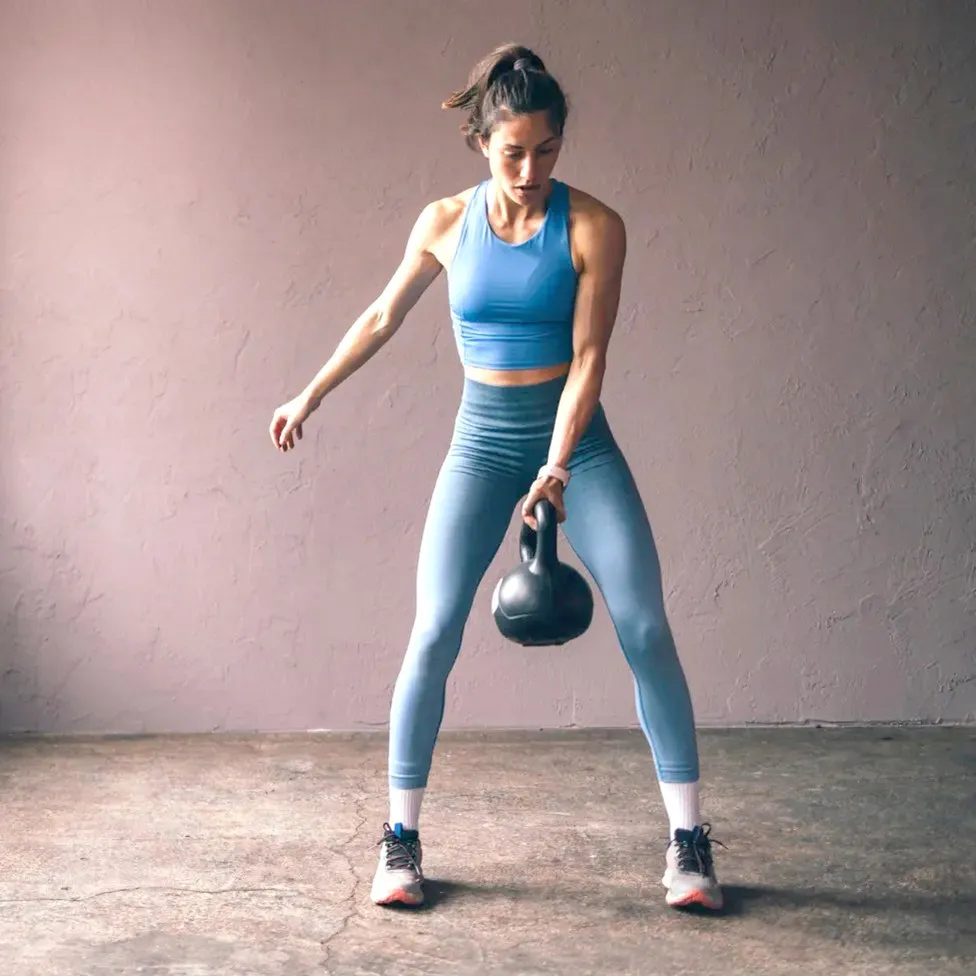
Hybrid workouts combine multiple training styles—such as strength, cardio, and mobility—into a single routine. For example, a session might include weightlifting, cycling intervals, and stretching or yoga flows.
This balanced approach allows participants to develop endurance, muscular strength, and flexibility simultaneously. Hybrid training has become a defining trend in modern fitness as people look for efficient routines that deliver full-body results.
Snack-Sized Workouts

Not every workout needs to last an hour. “Snack-sized workouts” involve short bursts of exercise throughout the day—such as 5-minute strength circuits, quick stretching sessions, or brief cardio intervals.
These mini workouts help maintain metabolism and reduce the negative effects of long hours of sitting. They are particularly useful for busy professionals who struggle to schedule longer gym sessions.
Spotted a mistake, or your photo used without permission? Report a correction