Set Her Free
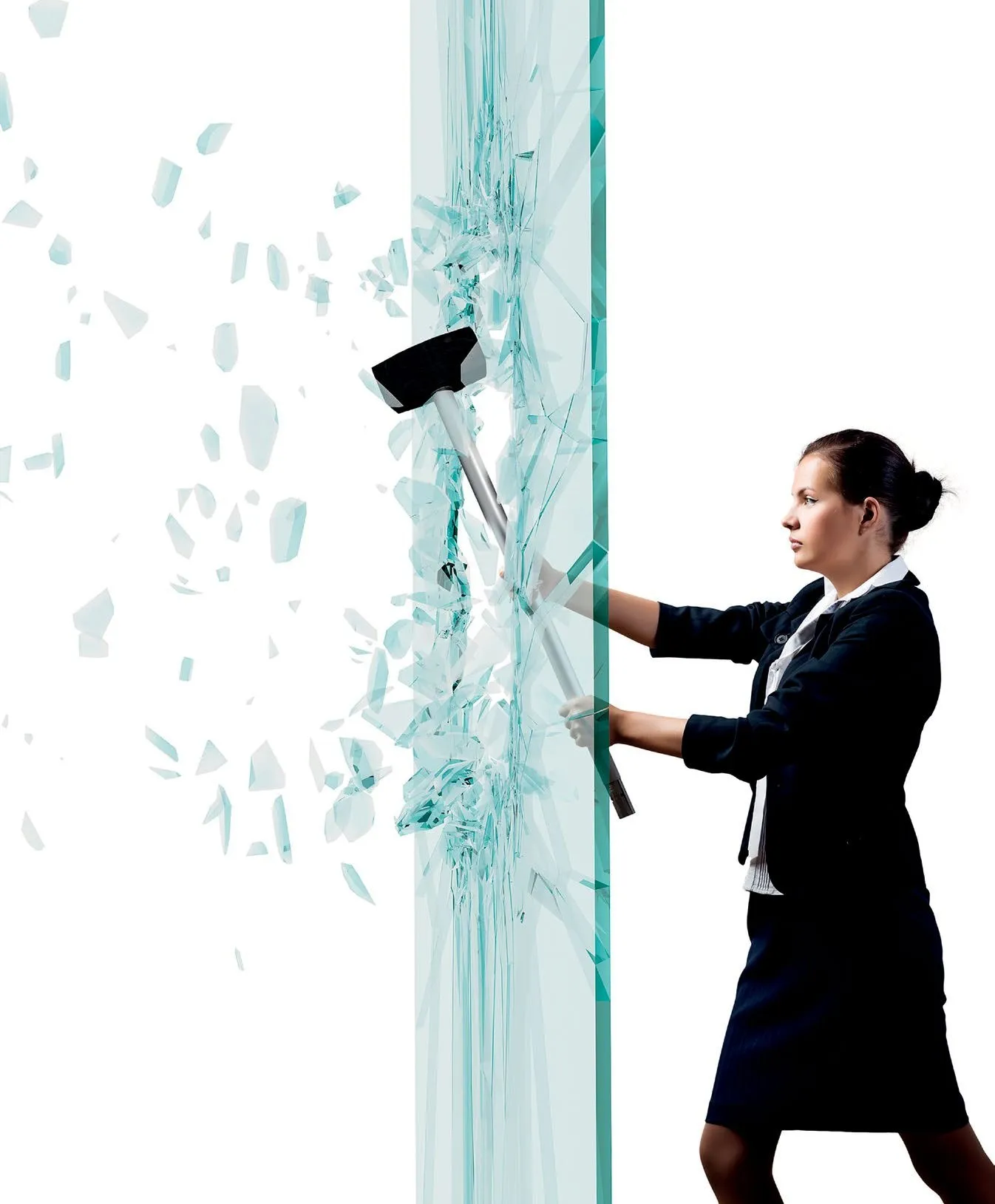
Women have broken the mythical glass ceilings and have moved on. All they need now is a new sense of normalising their achievements.




It starts early in women’s lives and the words really sting.
More often than not gender discrimination is so normalised in our conversations, jokes and life strategies that when someone calls it out, we look oddly at the person. Why overreact to something that has been regarded acceptable for so long and by so many?
 L’Officiel India DigitalRead L’Officiel India in the digital libraryEvery issue and every cover story, on TCG Media.Read now
I was at my daughters’ school sports day function. It was a weekday afternoon in summer and after a while it was hard to ignore how hot it was, as parents sat in open rows around the sports field applauding the children as they participated in the track and field events.
“Come on girls, you are no less. Show us that you can also do it. Today you must run like you are no less than the boys,” boomed the teacher’s voice on the loudspeaker.
At that moment I wanted to pluck my daughter out of the crowd and shield her ears from this carelessly worded call of action. As I type this, I am equally concerned for all the pre-primary children who were hearing these words as the voice of authority.
It’s 2017, people! Why should girls hear that they are not as good as boys? That if they try hard, they can catch up? Why should we rely on outdated notions to judge our children and hurt their innate sense of worth? We know better. Yet our language and expression remains out of sync and even archaic.
So much of skewed gender messaging has been normalised in our everyday lives. We are so used to hearing words that hit at our self-esteem, eroding it silently. We are surrounded by attitudes that are polarising and divisive, that create a false hierarchy between men and women, and make women feel inadequate and unsupported, irrespective of their choices and achievements.
One of the most insidious ways in which the achievements of women are celebrated in society is by applauding women for doing well despite being a woman. This is a fundamentally damaging message that hits at the core of one’s identity. It seems to suggest that women and girls need an extra something to be as good as men. That they need to negate their femininity and be more like men to be accepted in workplaces. It denies the value of one’s unique experience and skill sets.
In the mid 1990s, when private news was first broadcast on Doordarshan was the only view to the world which were then followed by private channels such as Aaj Tak and Star News. I was among the first few women who chose to be videographers in this exciting new industry.
Everywhere we went with our video equipment, we were stared and commented at. We learnt to ignore and ignore it. We stood out among our colleagues, because we hadn’t chosen the more conventional roles of producer or reporter. We were being watched to see how long we would last in our careers. Would we be able to be even marginally competent?
One way in which I safeguarded myself from the critical gaze of society was by creating a bubble around me that filtered out the noise. Video journalism is physically and mentally grueling, it demands a sharp focus and the ability to adapt and think on one’s feet. I couldn’t afford to be distracted by what others were thinking or saying about me. I was on my own mission and I single-mindedly surrounded myself with those who enabled and supported me to learn and get better everyday. This included both male and female colleagues, mentors and peers.
Ironically, I learnt the hardest lesson in the most unexpected way. The novelty of young women working with film and video cameras brought the attention of the media. The first time I was interviewed and profiled for having made an unconventional choice of career, I realised that the printed story was entirely focused on my being a woman and the attitudes of my male colleagues towards me. Not on my work or talent or abilities. It didn’t matter how good I was. The attention was focused on my gender.
“What is the big deal about being a woman?” I wanted to retort. Why is gender identity pushed to centrestage every time a woman proves to be competent at what she does?
When women do break barriers and even the proverbial glass ceiling, we still fall in the trap of celebrating their achievements as quite good, “despite being a woman.” There are CEOs and then there are women CEOs. We want to know about the personal family life of women achievers, we are curious about the compromises they may have made —continuing to assume that it isn’t natural for women to carve their own niche in workplaces that are designed to bring out the best in them.
What we need is a new language and expression when we talk of men and women achieving their potential at whatever they choose to do. All-women teams and all-women crews need to celebrated, but we also need to normalise and accept all women at every rung in the workplace. Everyday as we scan media reports and step out into the world, we let so much pass because it is tiresome to confront and outrage constantly. We choose our battles, because we want to win at what we focus on.
Ultimately change will come from both perseverance in demanding small changes as well as outright disruptive acts. Individual energy is finite, but the power of the collective is infinite.
Natasha Badhwar is a filmmaker and media trainer. She is the author of My Daughters’ Mum. She began her career in broadcast journalism as the first female videographer in news television in India.
From the September 2017 issue of L’Officiel India.
Spotted a mistake, or your photo used without permission? Report a correction