Savouring Siam
Having made his name in India, Chef Sahil Singh is taking charge of a culinary movement and restaurant famed for its fine dining.
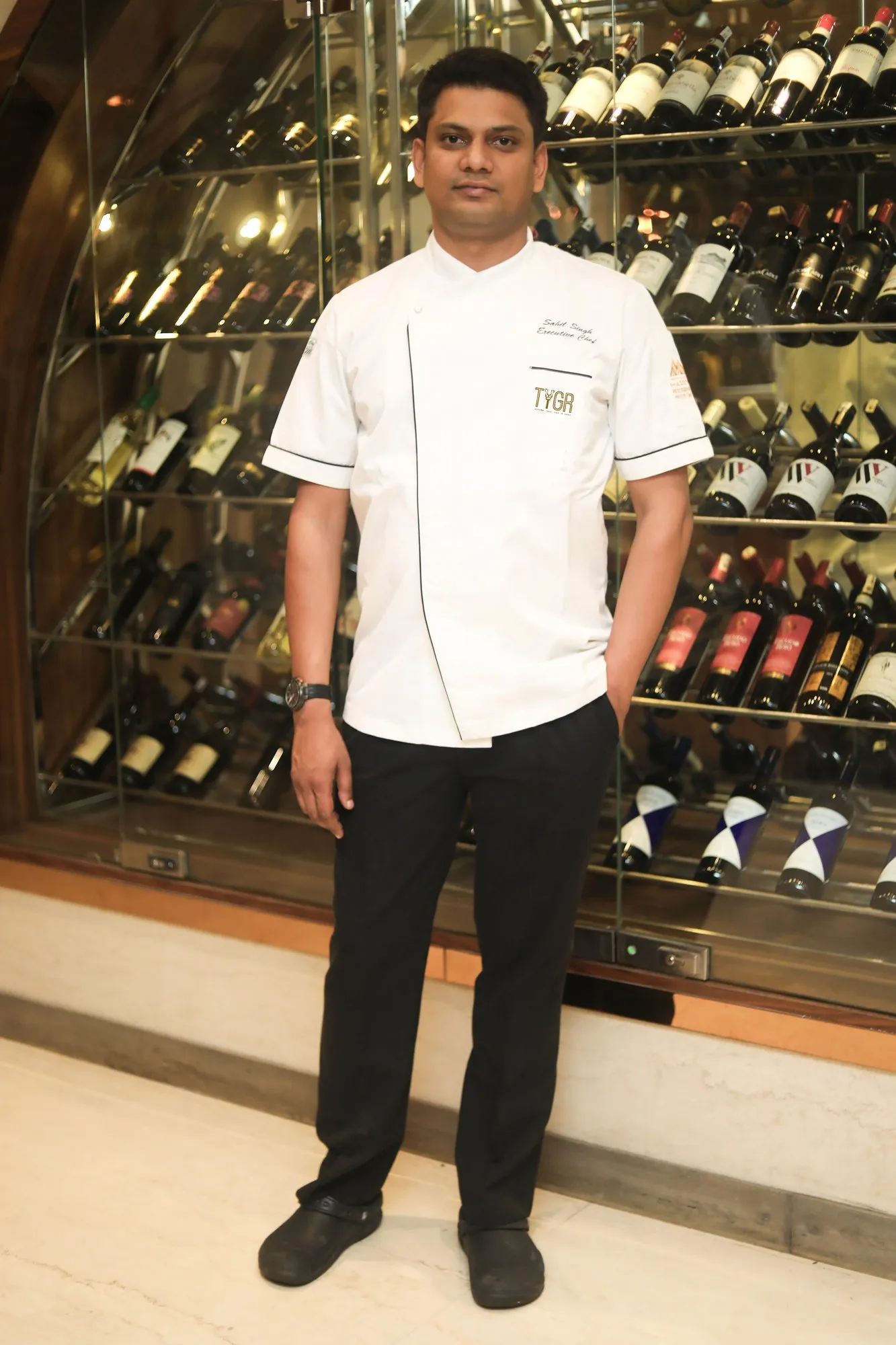




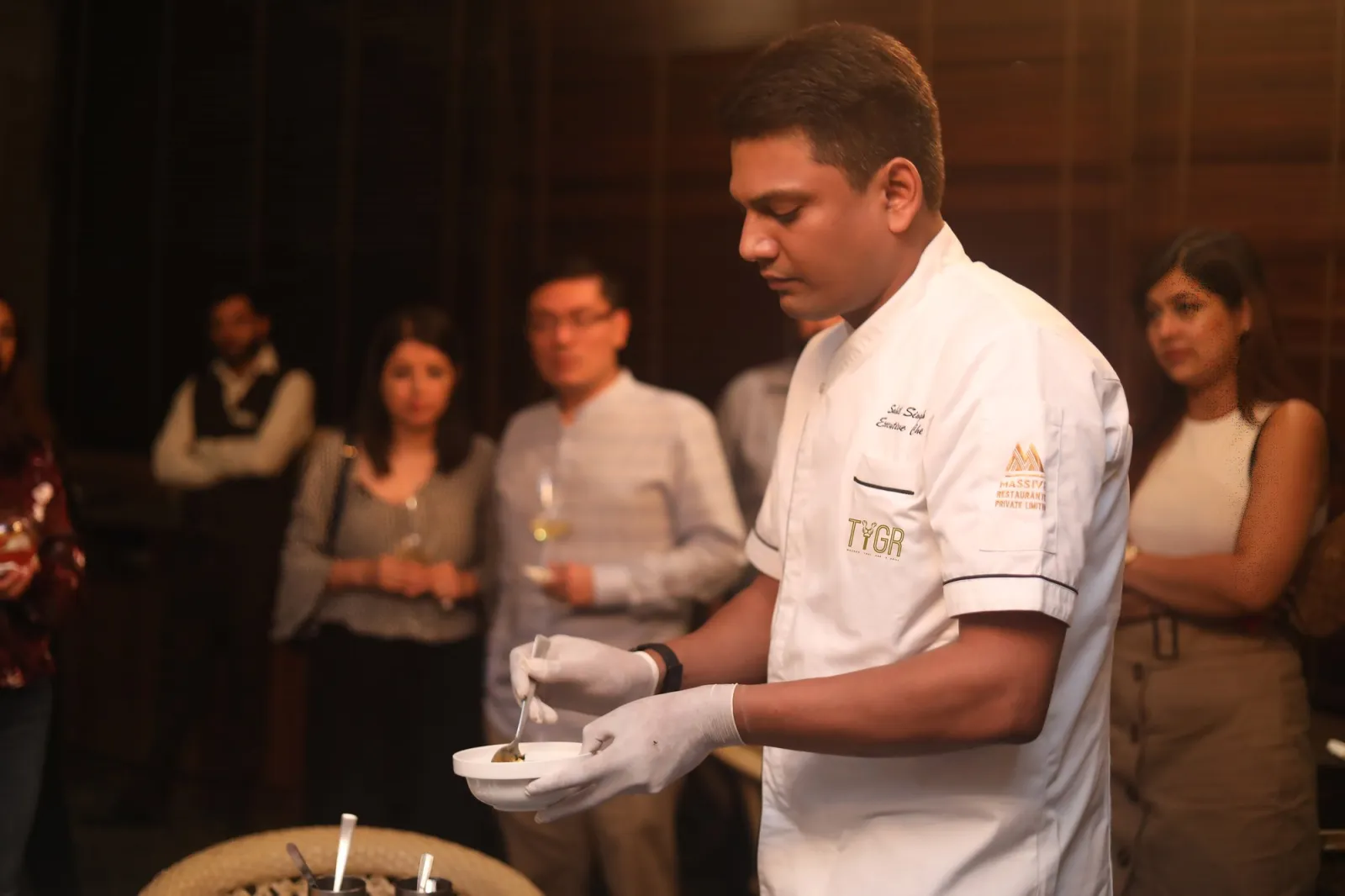
Hailing from Ambala, with his father also chef and mother one of the most successful women entrepreneurs of her time; Chef Sahil planned to pursue his education in Business Management. However, with food in his DNA, fate had other plans and he proceeded to complete his Bachelor of Science in Hospitality and Hotel Administration. Recognised as one of the finest pan-Asian and youngest Executive Chef’s in the country, Chef Sahil, who is now the Executive Chef at TYGR has with him over eight years of experience having trained and worked with some of the finest chefs in the international culinary field such as Chef Masaharu Morimoto. We speak to him as he decodes anecdotes from his flavourful journey. Edited excerpts...
Can you remember the moment you decided to become a chef; what inspired you and what
obstacles did you overcome to achieve your dream?
I always had my heart set on either joining the Indian army or becoming a Chef. I looked up to my
 L’Officiel India DigitalRead L’Officiel India in the digital libraryEvery issue and every cover story, on TCG Media.Read now
father for a lot of things which included the inspiration to become a Chef since he was a Chef. Initially I
was a part of my mother’s business but I soon realized I wanted to be a part of the kitchen innovating
and creating to the best of my abilities.
You started your career with the Shanghai Club and TIAN Asian Cuisine Studio at ITC Hotels, and
now you are striving under the leadership of the Prince of restaurants - Zorawar Kalra. What did you
learn from each of those experiences and mentors?
I started my career as a management trainee. After that, I joined Alchemist, then Taj Mahal hotels
resorts and palaces and worked at Wasabi, the most prestigious restaurant at the time of Taj Mahal
Hotels. Post that, I opened 2 restaurants with ITC Hotels. Before joining Massive Restaurants, each step
in my career has helped me shape my career. I’ve had a great learning experience since the beginning
at Massive Restaurants. Apart from giving me the experience to run restaurant kitchens, which was
different from what I had done previously, it has helped me constantly grow as a Chef as well as an
individual to keep up with the pace of the ever-changing trends of the hospitality industry as well as
those that come from Zorawar.
How do you think of bringing in the Thai heritage and authenticity to food in India? Also do you
think that there is any similarity when it comes to Indian and Thai cuisine?
Thai food is the most sought after cuisine in India after Indian food. I was always fascinated with the
nuances of the food and the ingredients used and the way the ingredients could be used in food. There
is no similarity as such between the two cuisines. Like their cultures, their food is also divergent and has
unique specialties.
Your dishes look avant-garde, but are typically constructed on simple ingredients and elements.
How do you champion humble produce in such a modern aesthetic?
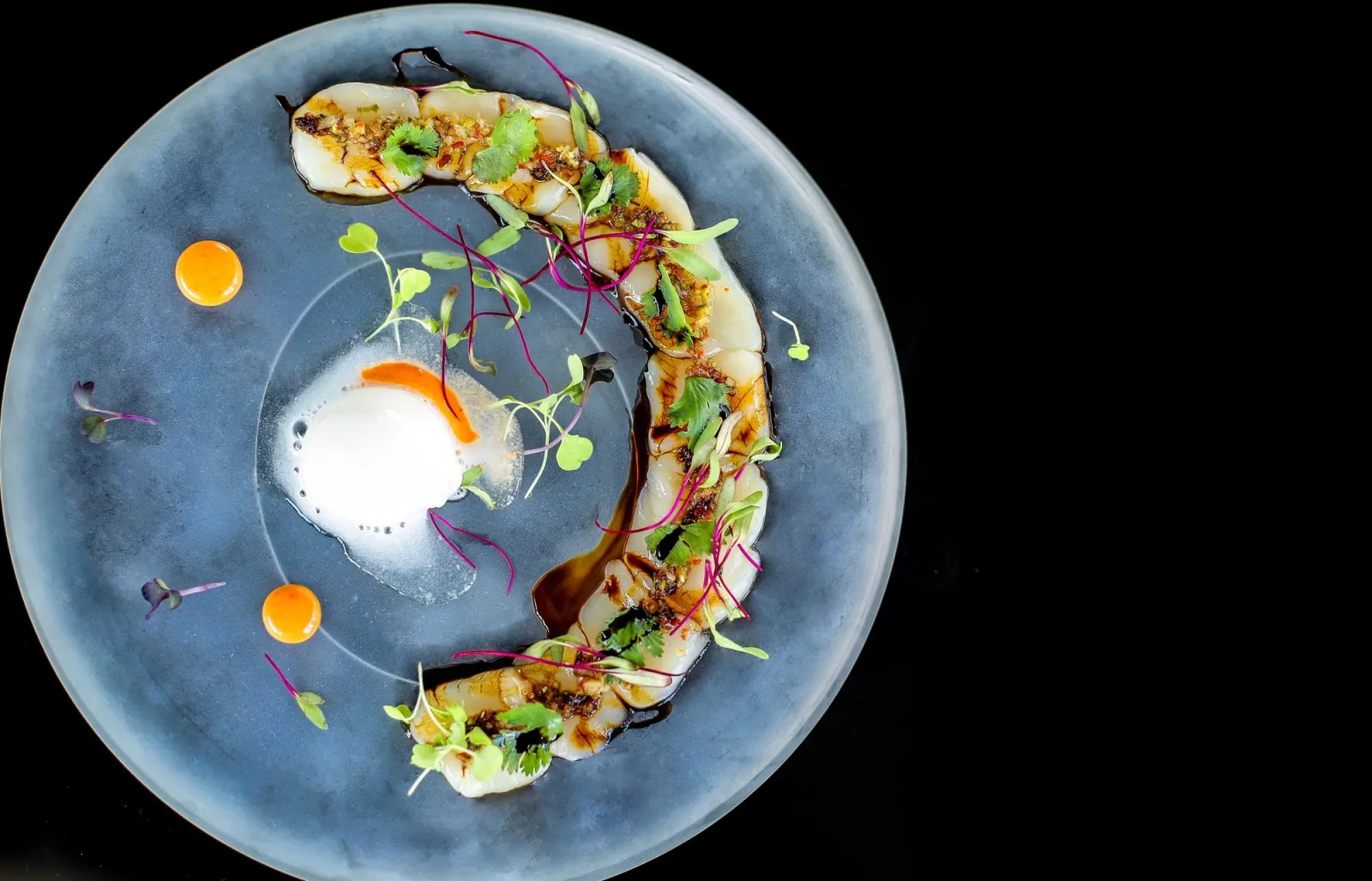
I want to cook food with authentic, rich and bold flavors which I try to retain in a particular dish. The
ingredients and the mix of ingredients in a dish are the ultimate heroes. I do like to add a twist to it so
it’s even more unique for our patrons and that is where the modern aesthetic comes in.
What is the importance of constantly innovating the food you serve?
Competition and creativity are the two most important factors and I think every chef should be aware
about the unique ingredients and ever changing food trends. Also, being a young chef, I always wanted
to push the boundaries and experiment and to explore.
How long did it take to develop your own style of cooking, and what advice would you offer to
young chefs looking to develop theirs?
It is important to understand the basics first and then move to experimenting with it. Like every other
process, cooking also requires patience and tolerance.
With international ingredients now so easily available, how do you see the Indian market growing?
Also how do see the food scene changing in India?
The Indian market has seen a lot change since the past few years due to the availability of raw
ingredients along with the ratio of people travelling abroad for work and leisure, a lot is changing.
People are becoming more adventurous and they are more open to accept the changes and
experimenting with the flavors. A lot of the ingredients are also imported so when one comes in to dine
at TYGR for instance, they are instantly reminded of their trip there by eating the same dish they had
there. It is a feel-good factor.
What future challenges and developments do you foresee in the restaurant business?
As with any industry challenges are a constant and are what help in the growth and renewal of the
industry. I don’t see too many challenges in the kitchen except the pressure to keep reinventing which is
what we are here for anyway.
What new things are you working on at the moment, and what’s new for the future?
There are a lot of interesting things happening; we are also launching our new menu at TYGR with more
authentic and traditional dishes. We have introduced dishes such as Thai Styles aromatic Duck with
Sweet & Sour Dressing, Baked Avocado stuffed Crab Tartare, Lamb Bolognese etc.
Spotted a mistake, or your photo used without permission? Report a correction