Right Focus
Indian photojournalist Raghu Rai marks 50 years behind the lens, sharing how he quit engineering for a camera and his ties to Henri Cartier-Bresson.
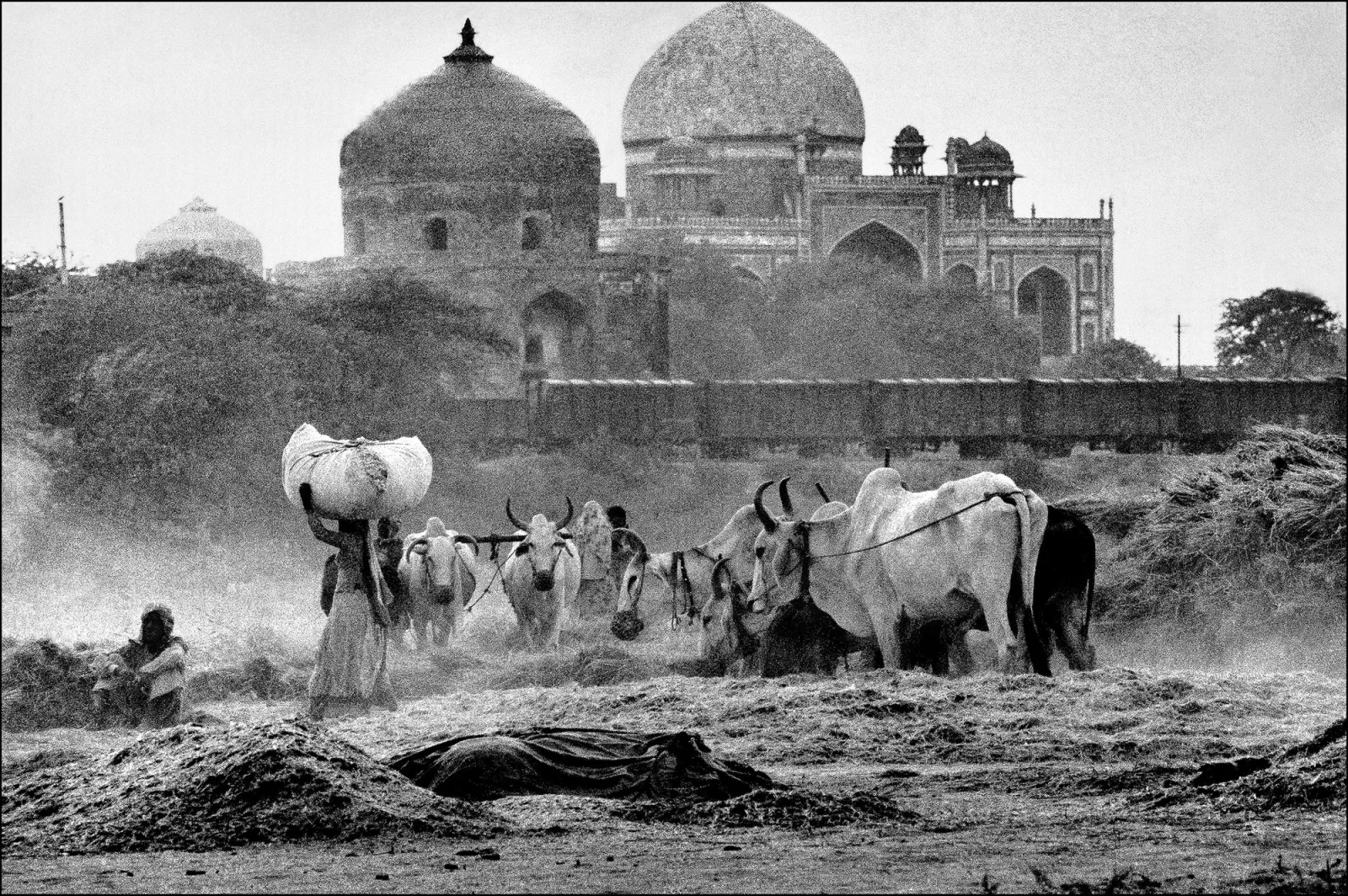




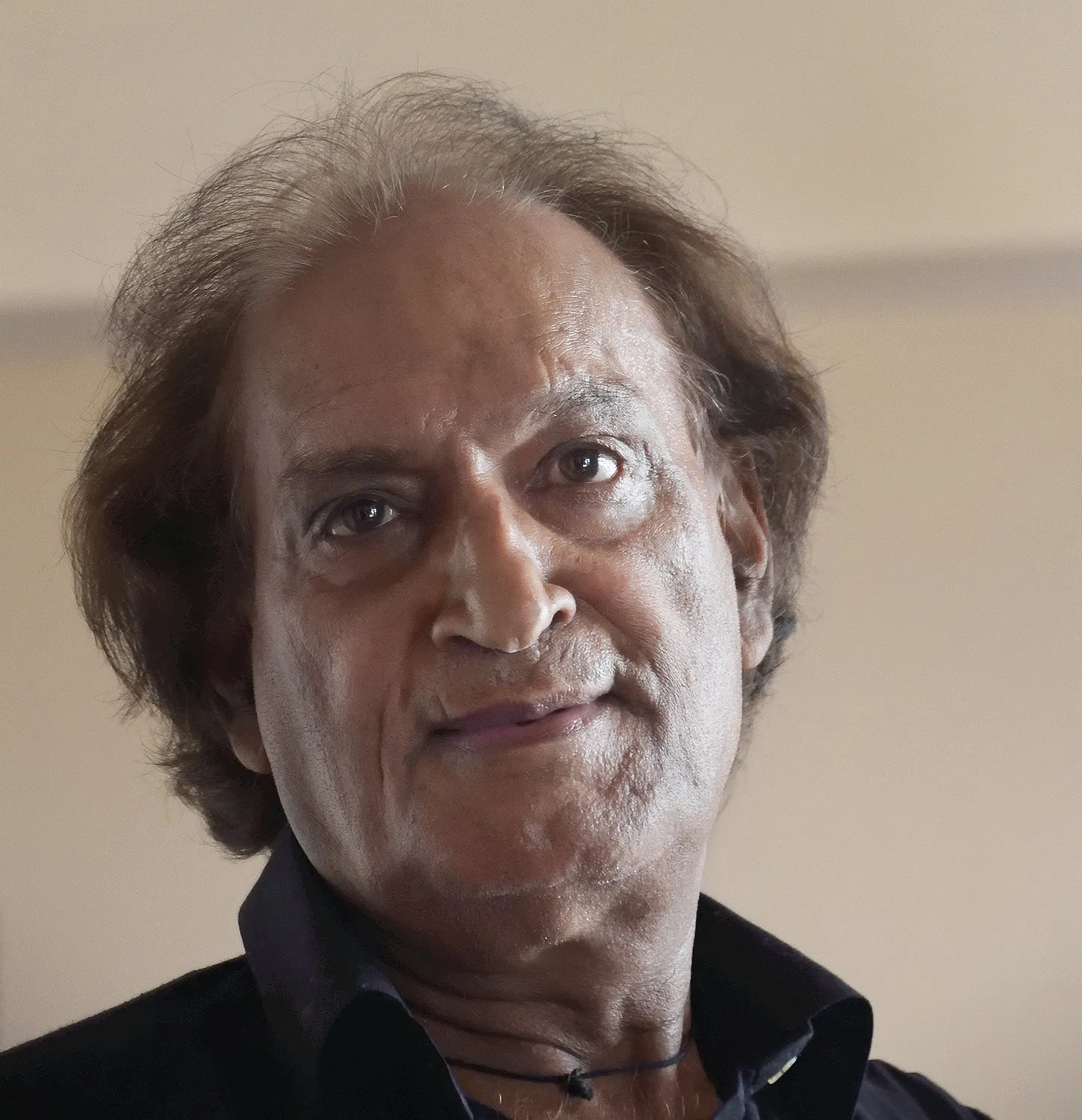
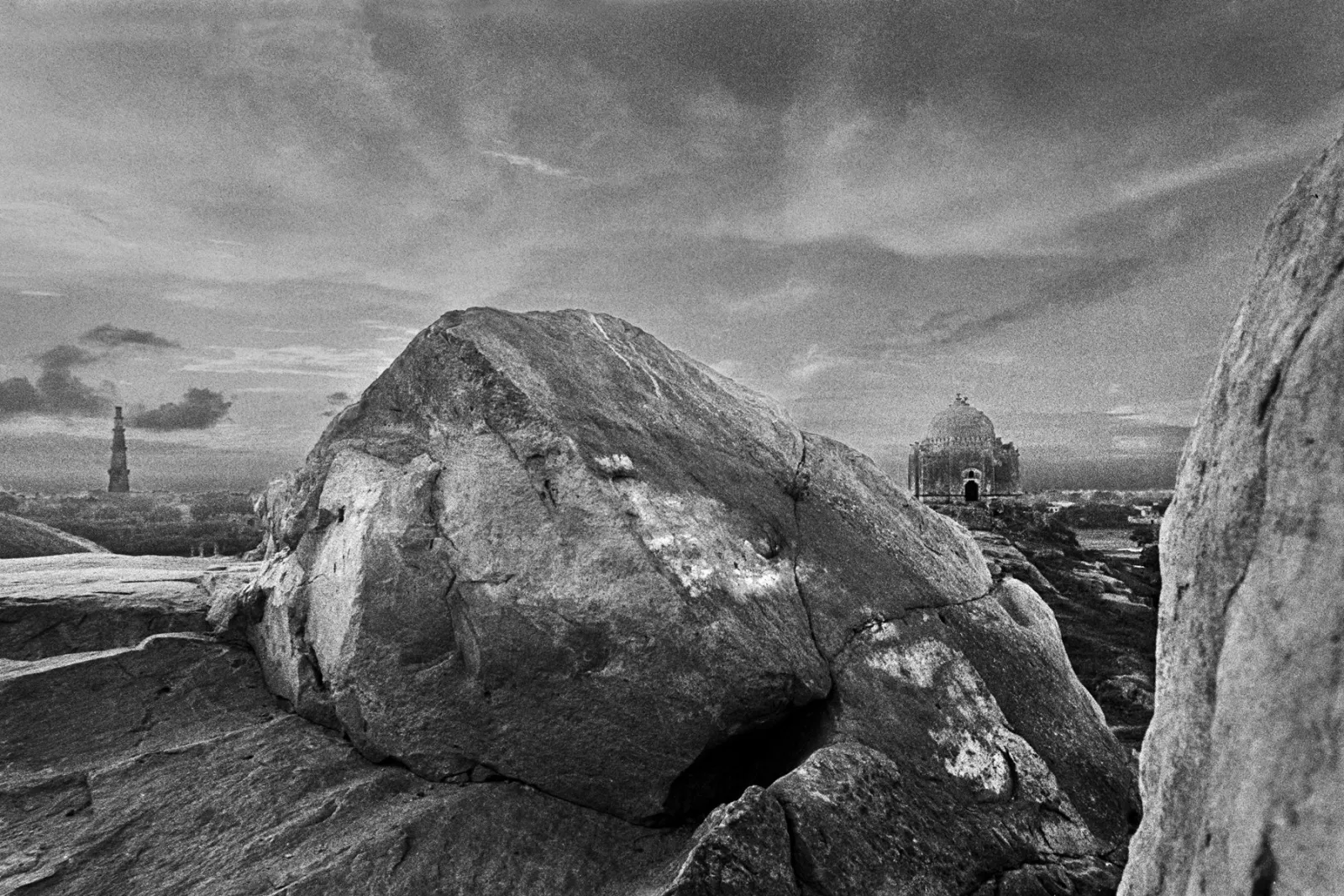
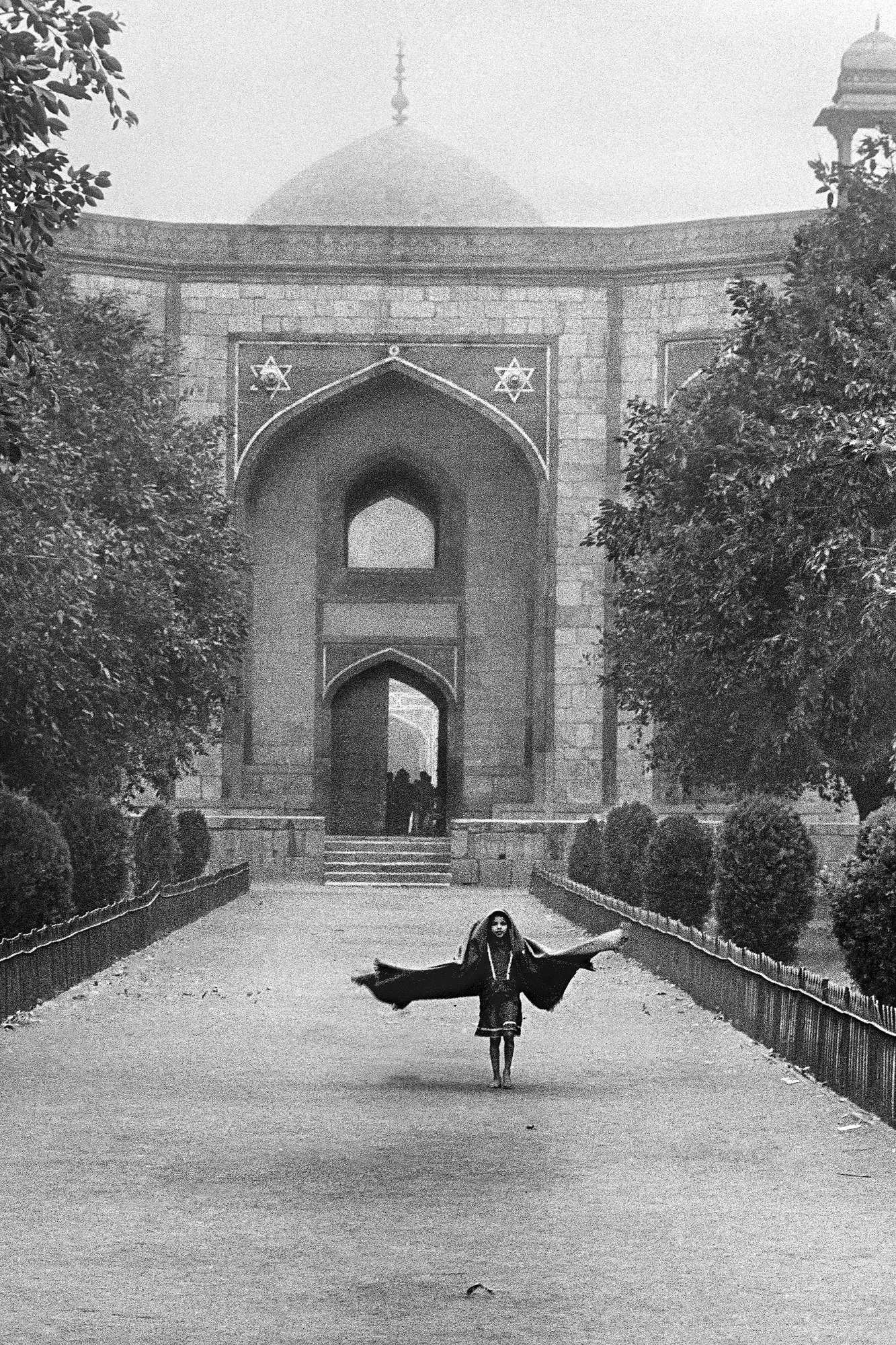
As he marks his 50th Anniversary into the realm of photojournalism, Indian maestro Raghu Rai opens up to L’Officiel India about his love for lights, camera and action!
BY DUHIN GANJU
Picture Courtesy: Raghu Rai Photography
 L’Officiel India DigitalRead L’Officiel India in the digital libraryEvery issue and every cover story, on TCG Media.Read now
Walking amidst the walls of Ojas Art Gallery, the splendour and audacity of towering teak photo frames can be intimidating. Though his work cannot be judged via fifty pictures, Raghu Rai the phenomenon is quite visually sumptuous. A protégé of Sir Henri Cartier-Bresson, a master French lens man, Rai started his career as a Civil Engineer. After a year, he decided to quit and begin afresh, coming to stay with his brother. He picked up a camera and that is when the magic started... A scintillating and vivacious soul, Rai slowly and steadily made his presence into the world of photography. He won the coveted Padmashree in 1972, the highest civilian award in India, only to impinge those who aimed for the stars and beyond. Today, with his very own centre for Photography and an upcoming photo series, here is what he has got to say.
You started your career as a Civil Engineer, how did the idea of photography sweep in?
I did my engineering because that’s what my father wanted me to do, it wasn’t my choice. Luckily I got a job with the Government of India, I had to impress my father, and I accepted the job and got it over with in a year. They say – good riddance, bad rubbish - so that was the end of it. Then I came to stay with my brother, Paul and started taking pictures just for fun.
Mr Henri Cartier-Bresson has been your mentor. What did he teach you that still continues to cultivate in your work?
Not really, he wasn’t my mentor. I admired Henri; he was a prolific photographer and a great human being. I had my first exhibition in Paris in 1972 and he was the first one to come and see it. So he showed a lot of affection towards me, he would invite me home and would ask other photographers to take me out for lunch. Also, he proposed my name for Magnum Photos and all of this happened simultaneously. But he has left such a huge body of work, which has many directions and possibilities. So he is an inspiration to many of us in many different ways but then in creativity you don’t follow anyone else.
For GEO Magazine in Bombay, you used your very first Nikon D100 camera and decided never to switch back to film roll? Why?
No, because you see digital technology, the freedom that it gives was so good that it was difficult to switch back. Every film has a speed, sensitivity and ISO that ranges from 100-400 (depending on the light). Here, on digital camera you can go from 100 ISO to any number. And then the ability to click and see it at that very moment is something very important for a photographer. You can click pictures in the middle of the night, you can choose the colours, and you can do so much more.
Do you still miss something about the old-school times, with this fast-paced digital world that we live in?
No, not at all, I don’t think so. I remember once, Another Magazine wanted me to shoot on film and I refused. I said I couldn’t go back to shooting film.
I’m sure that you love to play with colours. Correct me if I’m wrong, most of your photographs are shot in black and white? Why so?
I think it’s a 50-50 situation. Also, in the sixties and the seventies – there was no colour film, so that was another reason, photographers could only limit themselves to monochromatic tones. But you know in colour photography, you don’t have that many controls. On the other hand, black and white has that kind of a rhythm and richness; details that you can’t bring out in colours. So for any serious photographer, colour photography beyond a point becomes too on-your-face.
Do you relate fashion to your style of work?
Fashion in daily can be a very beautiful essay. I photographed these little girls in Bhuj, with the paintings acting as a backdrop. And if you look at their dresses, you are really mesmerised. They were playing there and I asked them to get a picture clicked, without the use of fancy dresses or jewellery.
Could you tell me the idea behind Raghu Rai Centre For Photography?
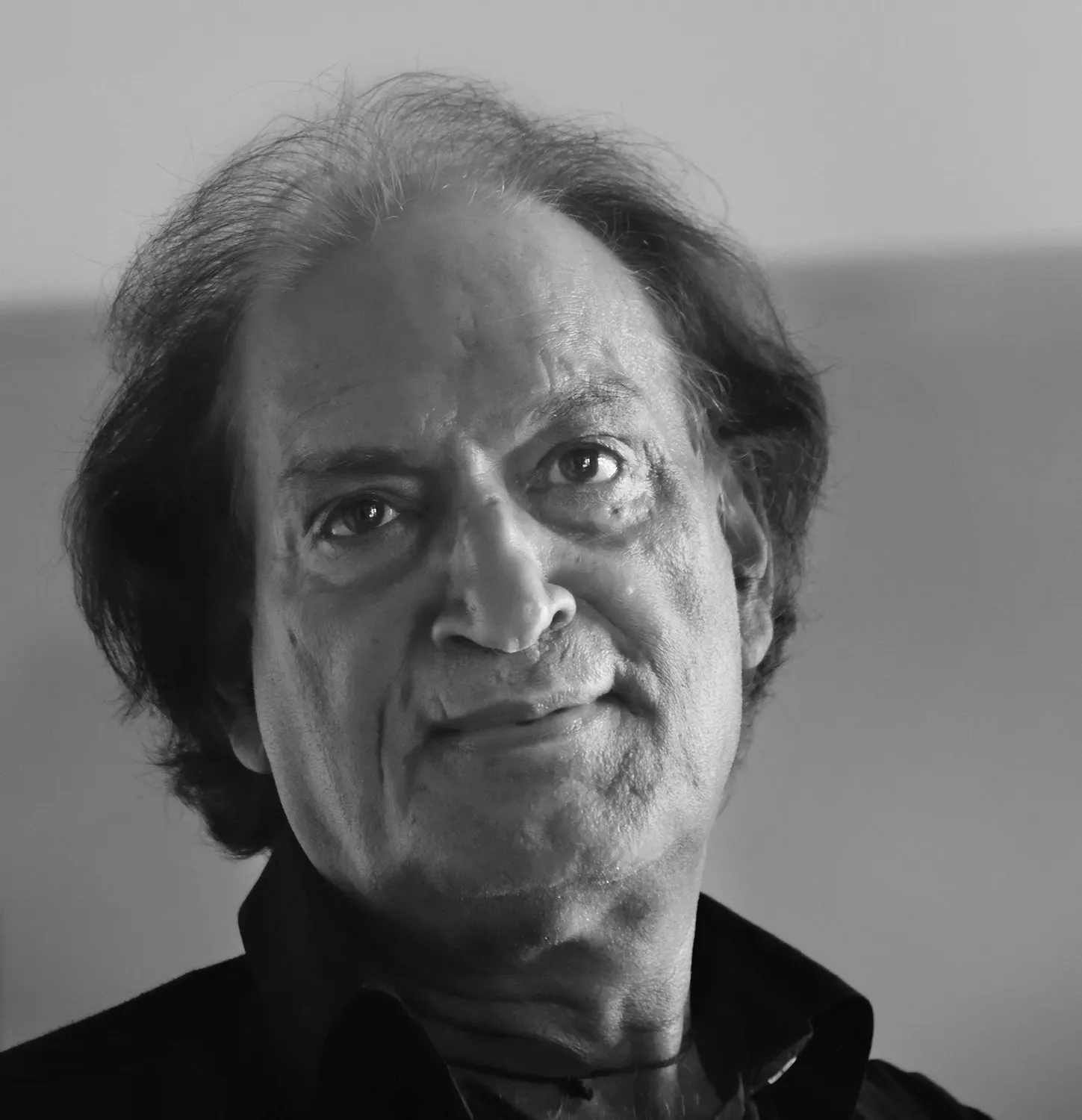
There are so many schools for photography and every photographer who is not successful, opens up some random school. So I felt that young minds were being trained by people who don’t really have the knowledge of what actual creativity is or should be. So they teach photography but don’t concentrate on the creative aspect of it. Like we started a photography magazine also - Creative Image - because the existing magazines were so commercial, so repetitive and bad, and that is why the young minds should be able to see as to what is going on in today’s world. You cannot keep playing this game in your own little space that you are happy with the colourful pictures that you see, so we are there to break this bubble in their minds; at a training level or visual level they have a magazine that can guide them in the right direction.
Are there any magazines that you prefer over others, when it comes to photography?
PIX, a quarterly magazine by the Alkazi Foundation is something that I look up to. Even National Geographic is not that bad, sometimes they click interesting pictures too but it’s more about travel and wildlife, which is not my cup of tea.
Is there any particular photography technique that you still prefer over others?
No, there is no special technique. The only thing that I tell youngsters also, “do not click pictures that are already stored in your minds. If you avoid them then nature will offer you something even better. That’s the only funda towards creativity.”
So, if an amateur photographer asks you, “How can I click a picture”, what would be your response to him/her?
This is precisely. That you connect with the area, try to evoke a feeling of the situation and then take a picture. So that particular picture will be filled with feelings and won’t be a copy of something that has already been done before.
So it’s very natural for photographers (including you)... whenever you feel like, then only click a picture?
No, that is not the case always. Sometimes, you are required to do photography assignments too but whatever you do, do it with the kind of responsibility that you are going to share an experience, something, which will be different.
Times have changed. When you see photographers today, do you think they lack something that people from your generation didn’t?
Only one thing - Dedication. Because these days people belong to the fast-food generation, auto-focus cameras, auto-exposure cameras; everything is so quick and easy that commitment, passion and dedication is lacking. So, you take quick pictures, they are colourful and nice and everybody feels good about it. And coming back to your technology question, yes people have become a little laid-back with their attitude, but then again... there are those who still want to work with focus and dedication. Only, few serious ones actually explore. Just like everyone with a great pen doesn’t become a great writer, everybody with a camera doesn’t become a good photographer. So when you learn to explore and understand situations and people, then only you click good pictures otherwise you don’t.
Who all photographers’ work still continues to inspire you?
There are many, I can’t pick and choose.
What is your take on fashion photography? Is there something about it that fascinates you? We have photographers like Mario Testino, Patrick Demarchelier. Is there something about their style of photography that you appreciate in particular?
I don’t know, I’m not familiar with these people. But I admired Richard Avedon, the great photographer. People who practise good fashion, focus on portraits. Also these days, fashion has become very arty, there is no serious research and image quality.
You did a fascinating series based on the ‘Bhopal Gas Tragedy’ that happened in 1984. Could you give us an insight into that?
The Bhopal Gas Tragedy took place in 1984 where gas started leaking from the Union Carbide Plant. Thousands started running and over 3000 were dead in one day; over a month, 800 more died. Those who inhaled less gas, they were dying a slow death. So we went there the next day morning and we photographed dead and sick being brought to the hospital. It was quite a tragedy as if somebody had bombed the place.
Are there any students from Raghu Rai Centre of Photography who are now working at reputed places?
We have Bharat Choudhary who is doing some great work. After doing his course, he went to the States and now he is doing a big project on the Muslim Community over there, which is getting marginalized because of terrorism. There are other people too who are getting into various magazines and news channels.
Do you think Indian photographers have something different to offer as compared to the rest of the world?
No, Indians are BIG copycats (most of them) and they want an easy way out. The only difference Indians can have in their country is, if they shoot with sensitivity and responsibility, they may capture some Indian-ness in the country. But otherwise, most of the photographers try to follow the West and produce second-grade work because they want quick results. Naturally, it gets appreciated here because people in India find this very new.
You can see a lot of re-touching of pictures in whatsoever magazine you pick up. So do you think that is a good or a bad idea?
No, they don’t re-touch the pictures. National Geographic magazine, in particular, never ever touch any of their pictures via Photoshop. Because they are doing extensive documentation so it is their responsibility to adhere to the same. Maybe fashion magazines must be doing it, as there they aren’t about photojournalism. For the New York Times, I did a story on Dalai Lama and they asked me so many questions – “Hope you haven’t touched this or that...” In journalism, you don’t do that!
Are there any places in India that you plan to visit for another photo series, in the near future?
You never know what the future holds.
Any advice that you would like to give to the young budding photographers out there?
I mentioned that before, you have to be passionate about what you decide to do and then you have to be at it continuously with sheer dedication.
What was the idea behind the famous ‘Donkey’ picture of yours?
No idea as such. It was just a feeling. You see, you don’t photograph the ideas. In creativity, ideas don’t matter, the feeling and expressions do. So it was just the feeling of a donkey looking very cute and funny.
What about the photograph you clicked in 2015 at the IGI airport, in a bus that was taking you to the Indigo aircraft? All the people were looking a bit tensed, weren’t they? So what is your take on that?
Yes! They were like lost. This is what happens, people travelling are so tensed and pressurised because of the workload that they bear, that element of expression, I wanted to capture in the picture. This is the idea of today.
The picture where you have taken close-ups of two hands?
My father and my son. My son was just born so those tender little hands, while he held and talked to him, and then I took it from above.
The Congress meeting where Indira Gandhi was sitting and all the members are surrounding her, so what was that all about?
I was actually doing a book on Indira Gandhi so I had special access that I could go anywhere with her so this was during that time where I captured those kinds of meetings and parties. (The Only Man There...)
How was Indira Gandhi as a person?
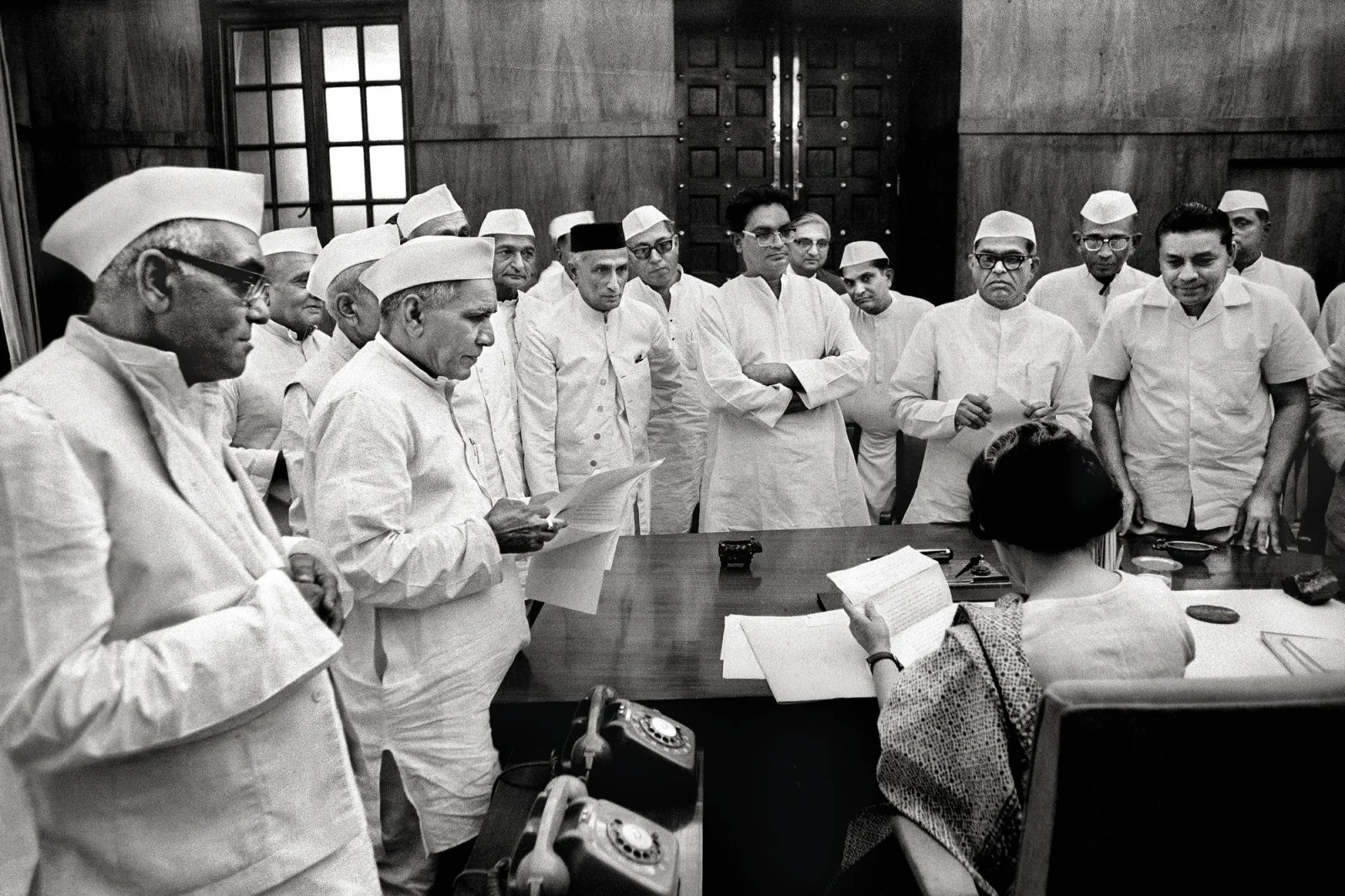
On personal levels, she was warm and nice. But she was a tough lady, our first woman Prime Minister and also the fact that politicians are very difficult people so she was the kind who will make sure that she keeps a check on all of them.
Even the prayer thing at Dal Lake, the man is sitting on the shikara with a beautiful picturesque landscape from behind...
Yes, I can’t forget the clouds. See that was an atmosphere that I felt like capturing. Late in the evening when I finished working on an assignment, suddenly I discovered this man, seated comfortably in a shikara. So, I decided to take a last picture for the day.
You also capture a lot of Bazaar scenes, like Chandni Chowk or Chawri Bazaar, generally it comes in your mind and you click a picture?
Not really, see I told you before, it’s just a feeling that I find it’s very strange to see all kinds of traffic is moving around; tongas, baggis, push karts, cycle and it’s another world out there.
Do you go alone to do photo-shoots or is there a team of assistants that accompany you?
Usually, I go alone. If somebody wants to come with me as a friend then he/she is most welcome. So basically, the photographer in you is always at work.
So your son is also a photographer, what is his style of photography?
He mostly does commercial photography, followed by documentary photography. These days, youngsters are very bright. I do sometimes give my inputs, but today’s generation does not believe in taking advice from their parents. They think of themselves as free birds flying into the horizon. Actually, he is the one who teaches at the Raghu Rai Centre For Photography most of the time and I go there only once a week.
What are your plans for 2016?
I will be clicking pictures, what else? Can’t do anything better than this. I’m coming up with a series – The Himalayas and Sacred Rivers of India.
Spotted a mistake, or your photo used without permission? Report a correction