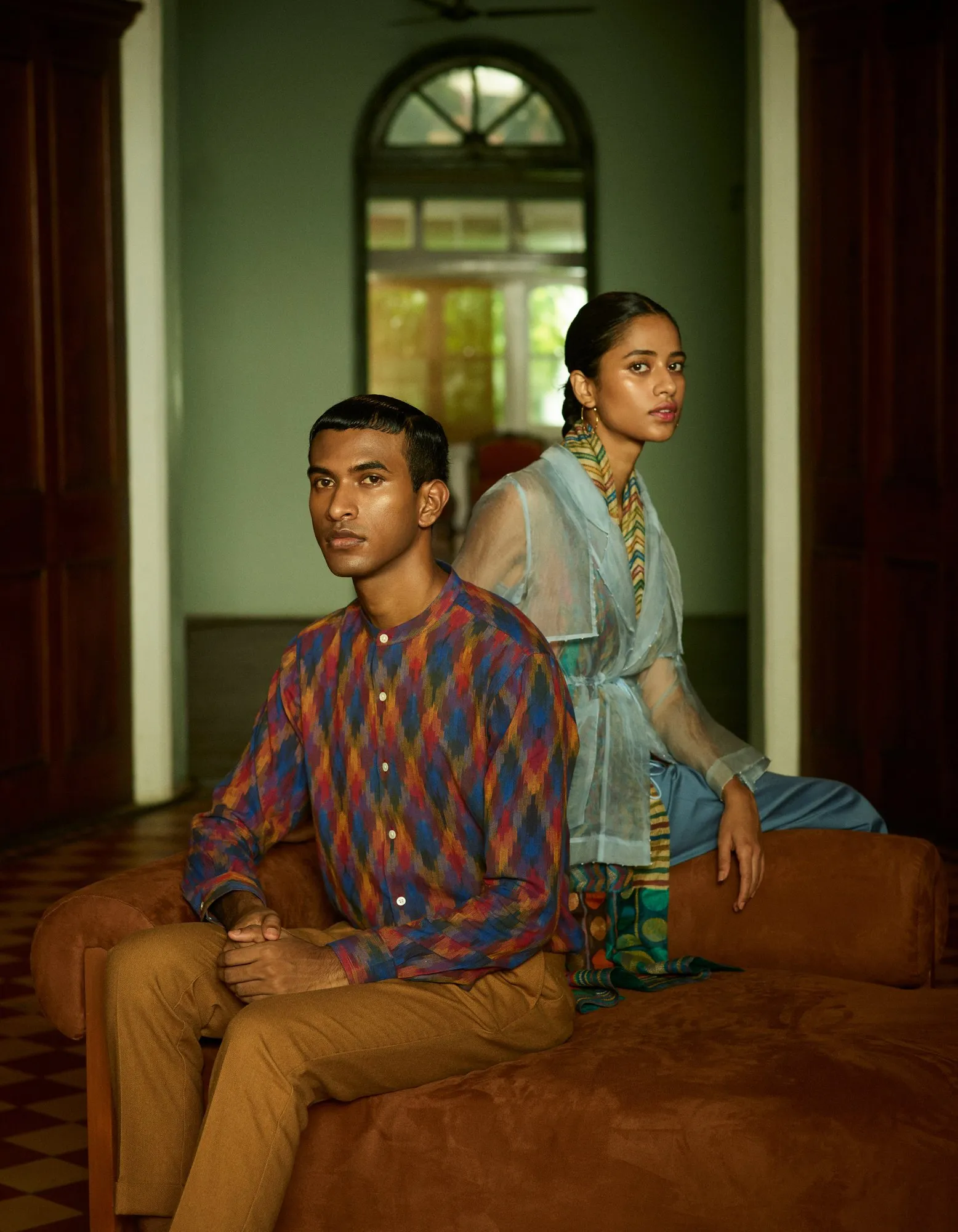
Doing justice to the 600-year-old textile legacy bequeathed upon him, designer head, founder and CEO of The House of Angadi, K. Radharaman is determined to revive traditional Indian craft and techniques. We speak to the man who has created the landmark, Angadi Heritage. Edited excerpts...
With an engineering degree from Cornell University to mastering the 'loom' craft, how has the journey been so far?
I always wanted to be an entrepreneur but the type of business was not pre-determined in spite of my family’s 600-year history in the textile business. I always remind people that in spite of my family’s history, I inherited a legacy not a business. I learnt everything the hard way from the bottom up. I am a rank outsider to the world of Indian fashion and will I guess, always remain so. I didn’t have access to the ecosystem that those who go to design school do. Living in Bangalore, I am also geographically detached from the rest of the fashion scene. So, the whole experience has been akin to swimming upstream with one hand tied behind my back, you either sink or swim.
“Balancing tradition and innovation in India is a rare privilege, since designers in other parts of the world may not have the opportunity to straddle centuries’ old tradition along with modern principles of design.”
A self-taught reticent textile designer creating masterpieces, who do you consider to have influenced you majorly in your craft?
My mother made me the perfectionist I am. My father taught me the core business principles, I value today. My spiritual guru is my greatest guide in life - he taught me to seek the answers to my most difficult questions from within and finally Donatella Ratti of the great Ratti family of Italy - after whose father the textile archive in the MET is named - was my direct inspiration as a fashion entrepreneur.
Taking forward your family's 600-year-old textile legacy is no less than a humongous feat. How do you think your limited edition design label, Advaya does justice to your creative roots?
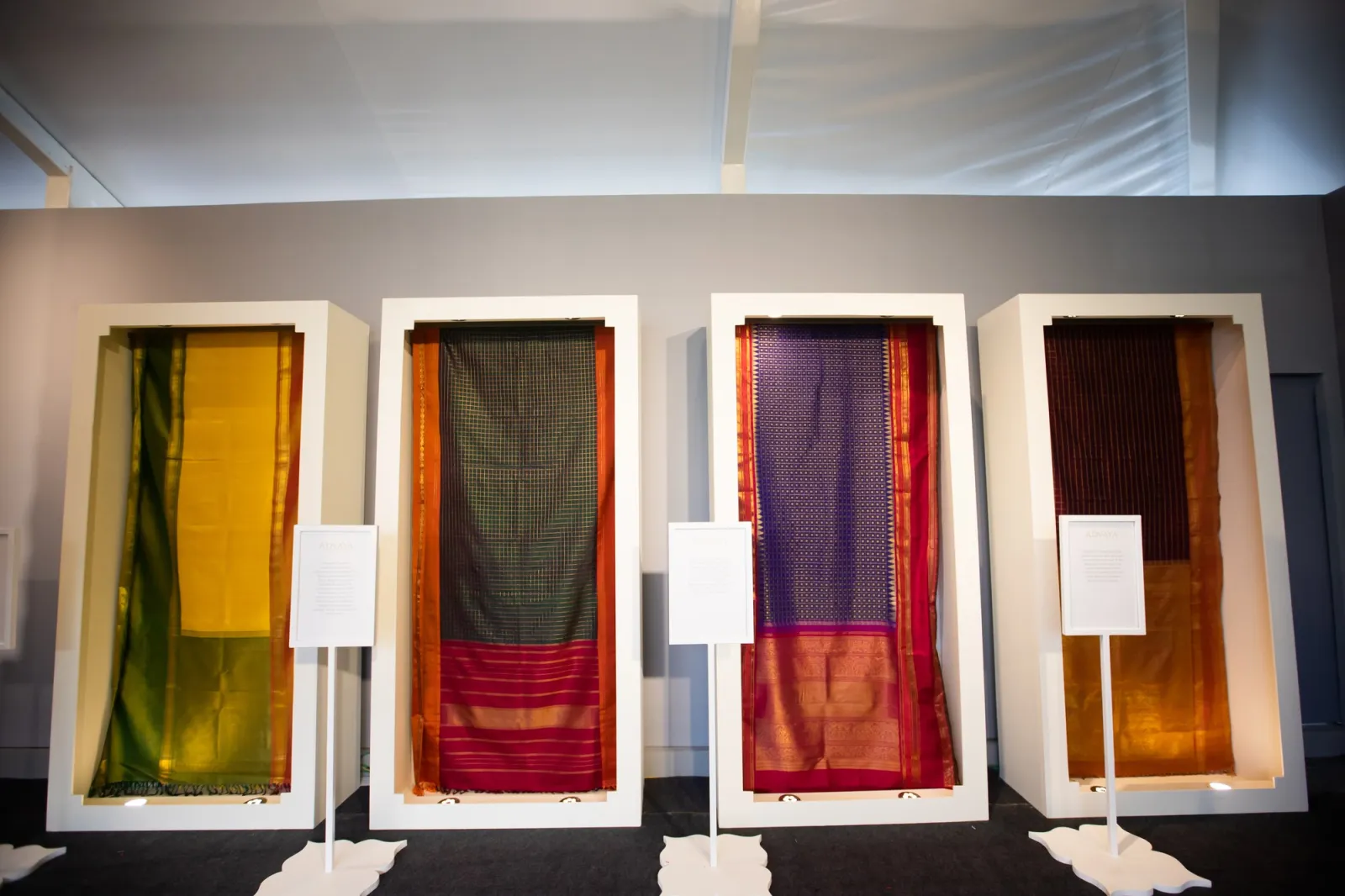
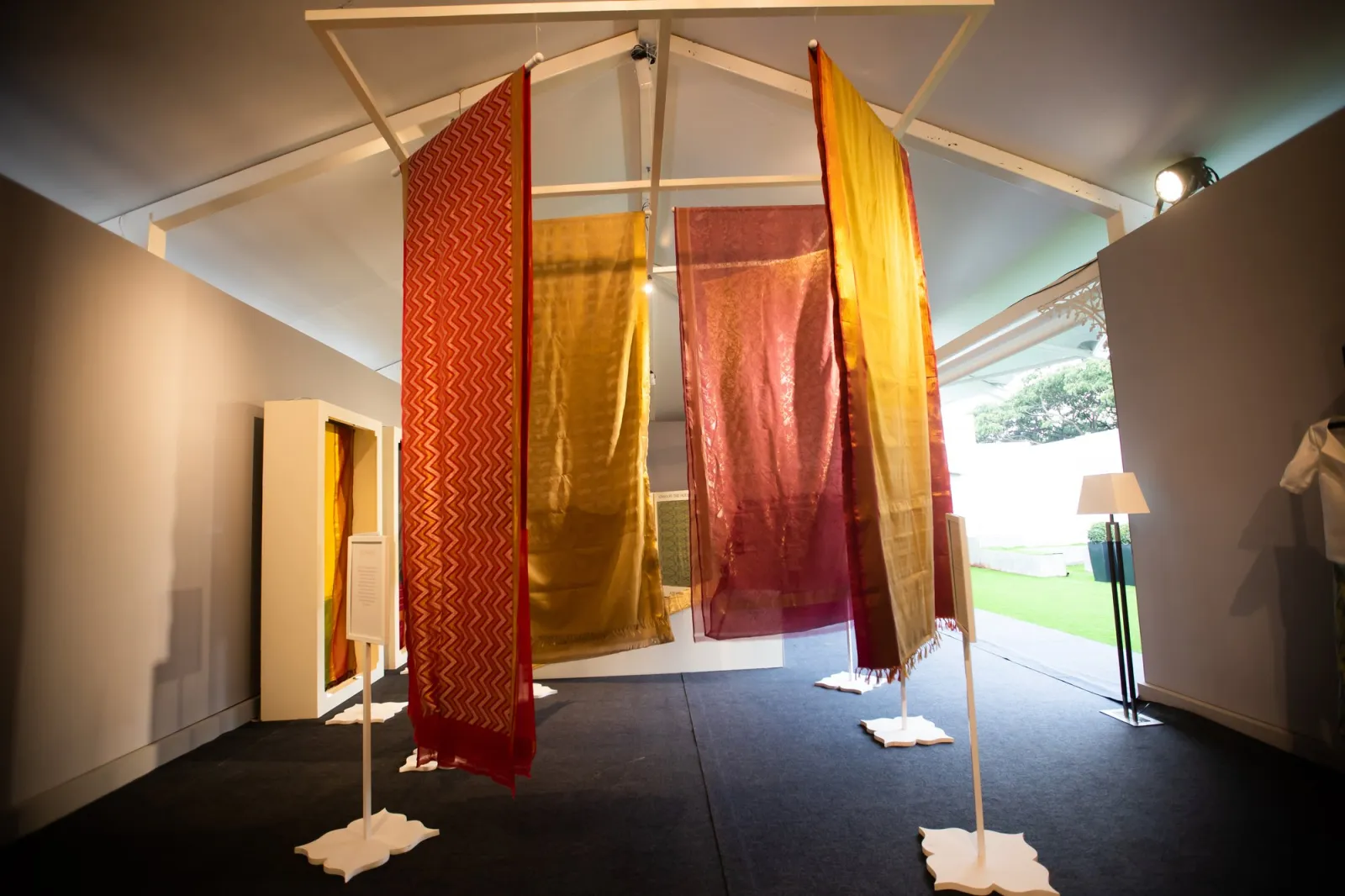
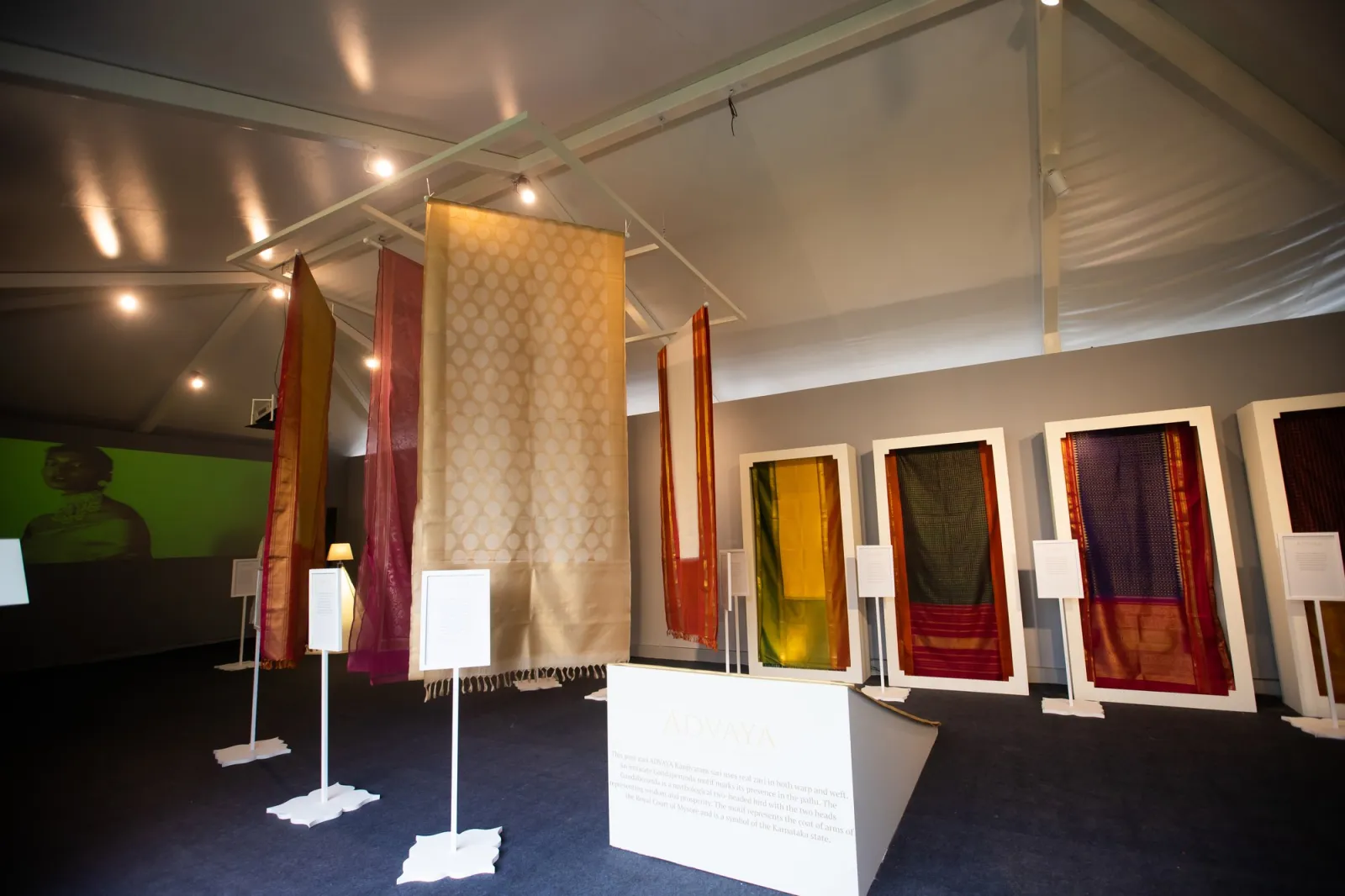
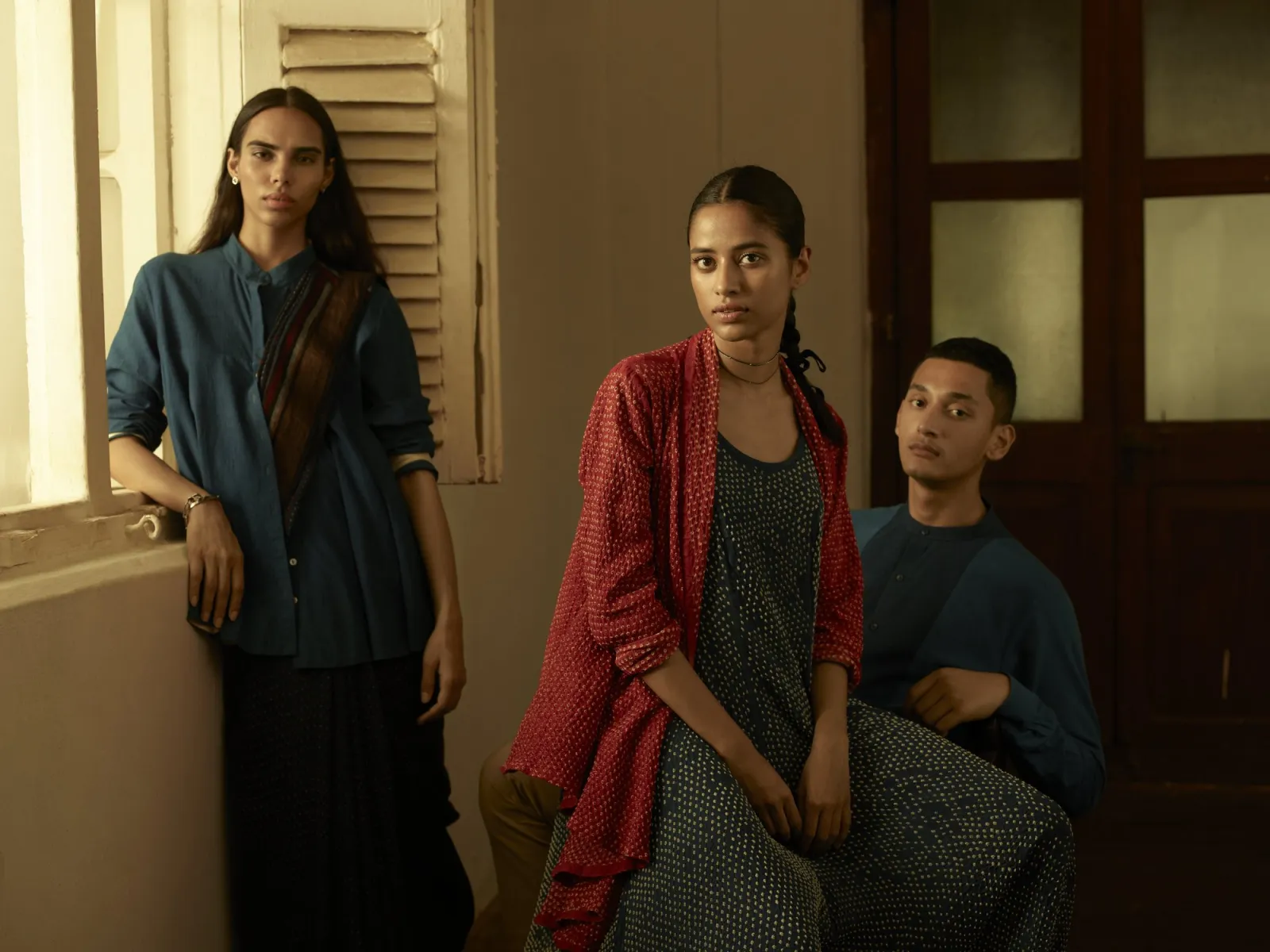
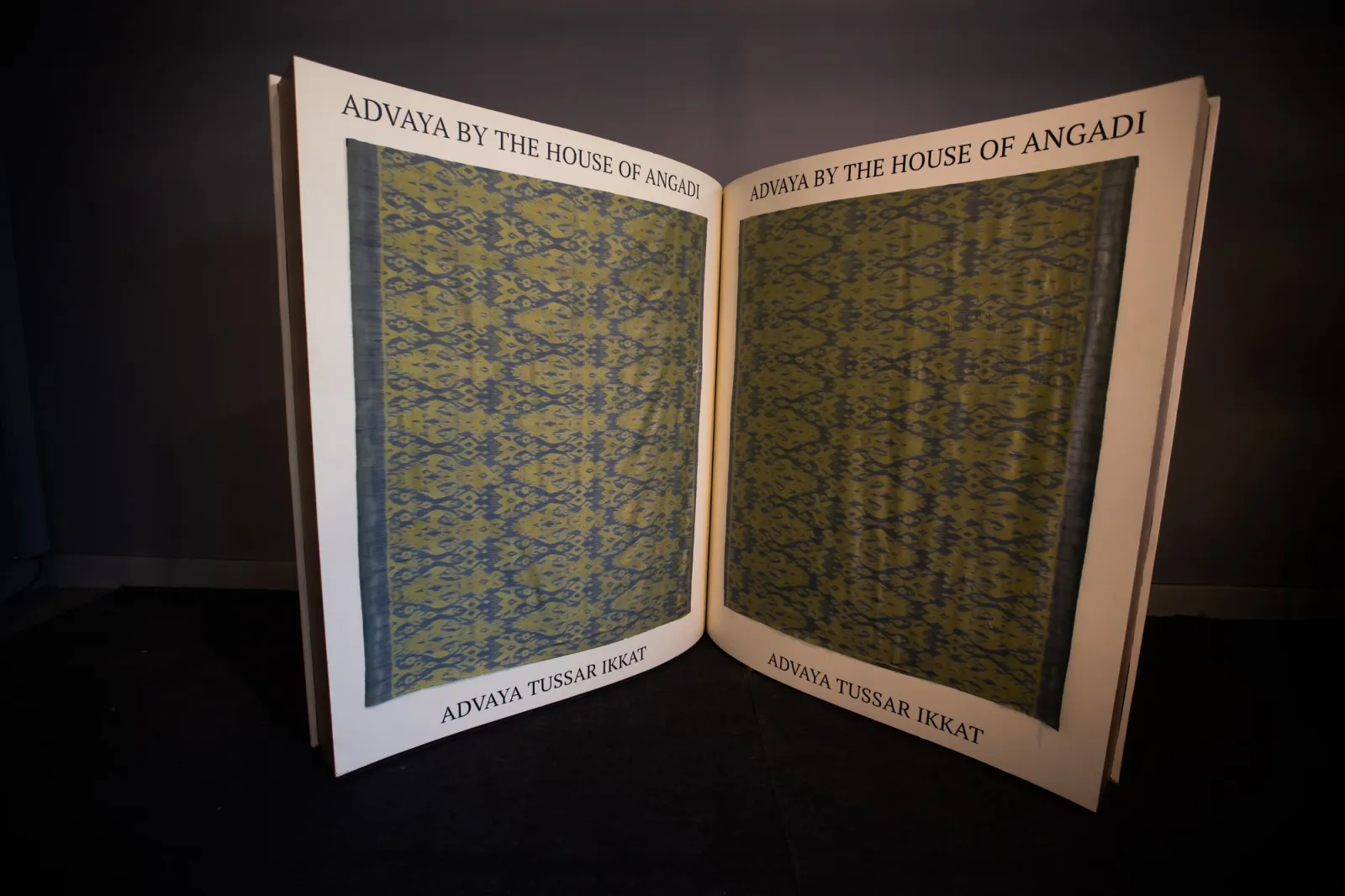
Advaya is about innovation in textiles and unbridled creativity at work. I am always trying to break boundaries and barriers as a designer and an entrepreneur with Advaya. And, this spirit of innovation can be seen in my work - whether it be a new technique, yarn or a different design vocabulary for the textiles I innovate on. Initially, we were hit by a wave of heavily embroidered lehengas and sarees which were pushed by every big name designer as the ‘only’ wedding attire. Handlooms and especially the Kanjivaram were on the verge of being wiped out from the fashion map in India. In 2010, I pioneered the first-ever linen blended Kanjivaram and after that many such innovations. Today, I am happy that the Kanjivaram and other traditional textile genres have become relevant again in the country’s fashionscape.
A haven for true connoisseurs of luxury, how did you conceptualise Angadi Heritage? What were the thoughts behind creating the landmark?
I had always dreamt of creating a store like the great stores in Fifth Avenue and Paris. I dream of India being the fashion capital of the world, home to the best in fashion and the best store fronts in the world. We needed to celebrate what is truly Indian as luxury and give it the respect it deserves. This is something that I felt was lacking in India and I decided to address this gap.
I was also constantly asked as to why my label Advaya wasn’t to be found in other Multi designer stores. My only answer was that there isn’t a multi designer store yet that has the aesthetics to house Advaya and I found there were many other brands in the same boat.... so the idea kind of evolved into this platform for like-minded brands.
Your collaboration with award-winning architects Brinda Somaya and Abha Narain Lambah have resulted in an architectural marvel, Angadi Heritage. Please take us through the decor inspiration.
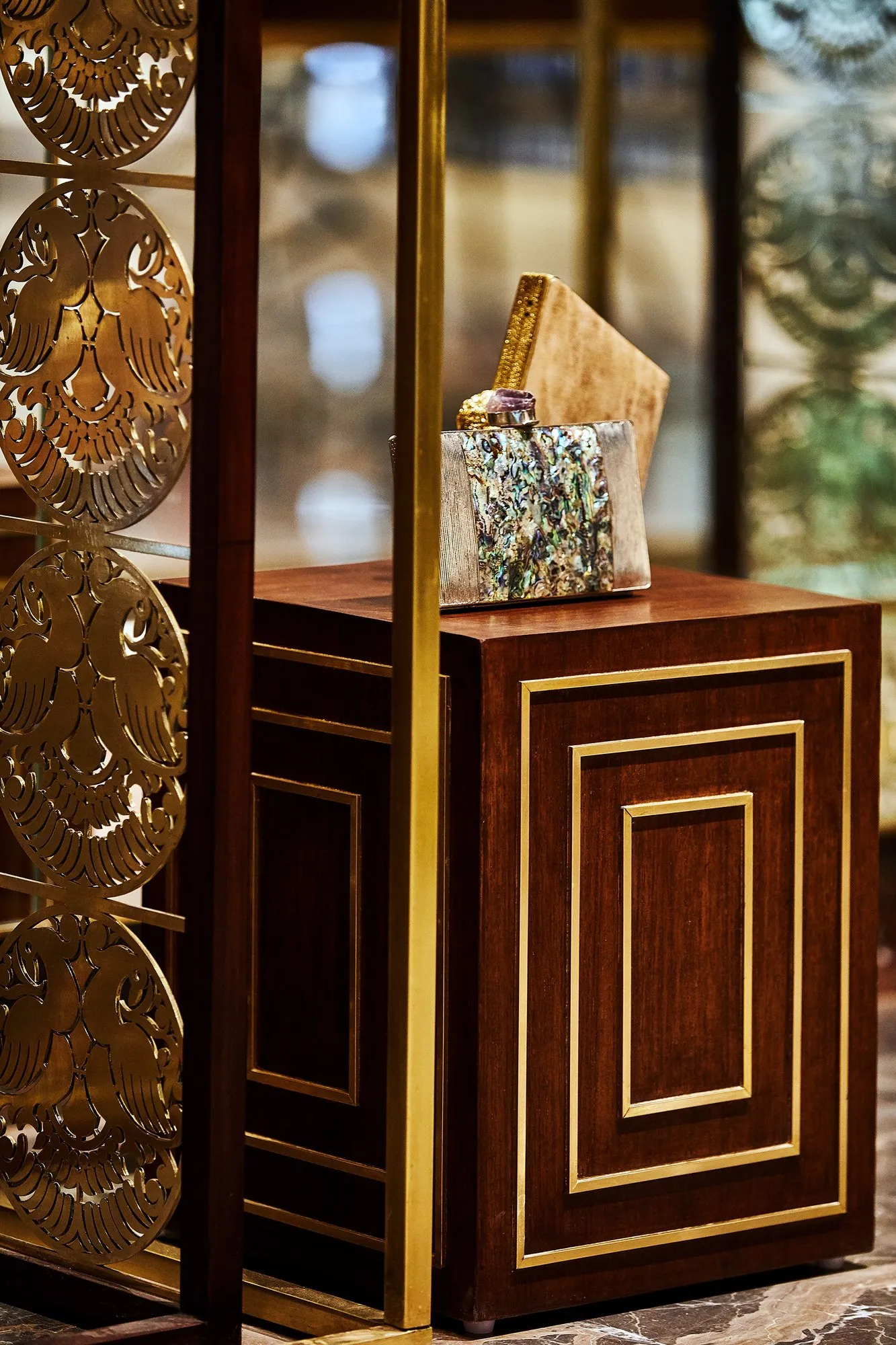
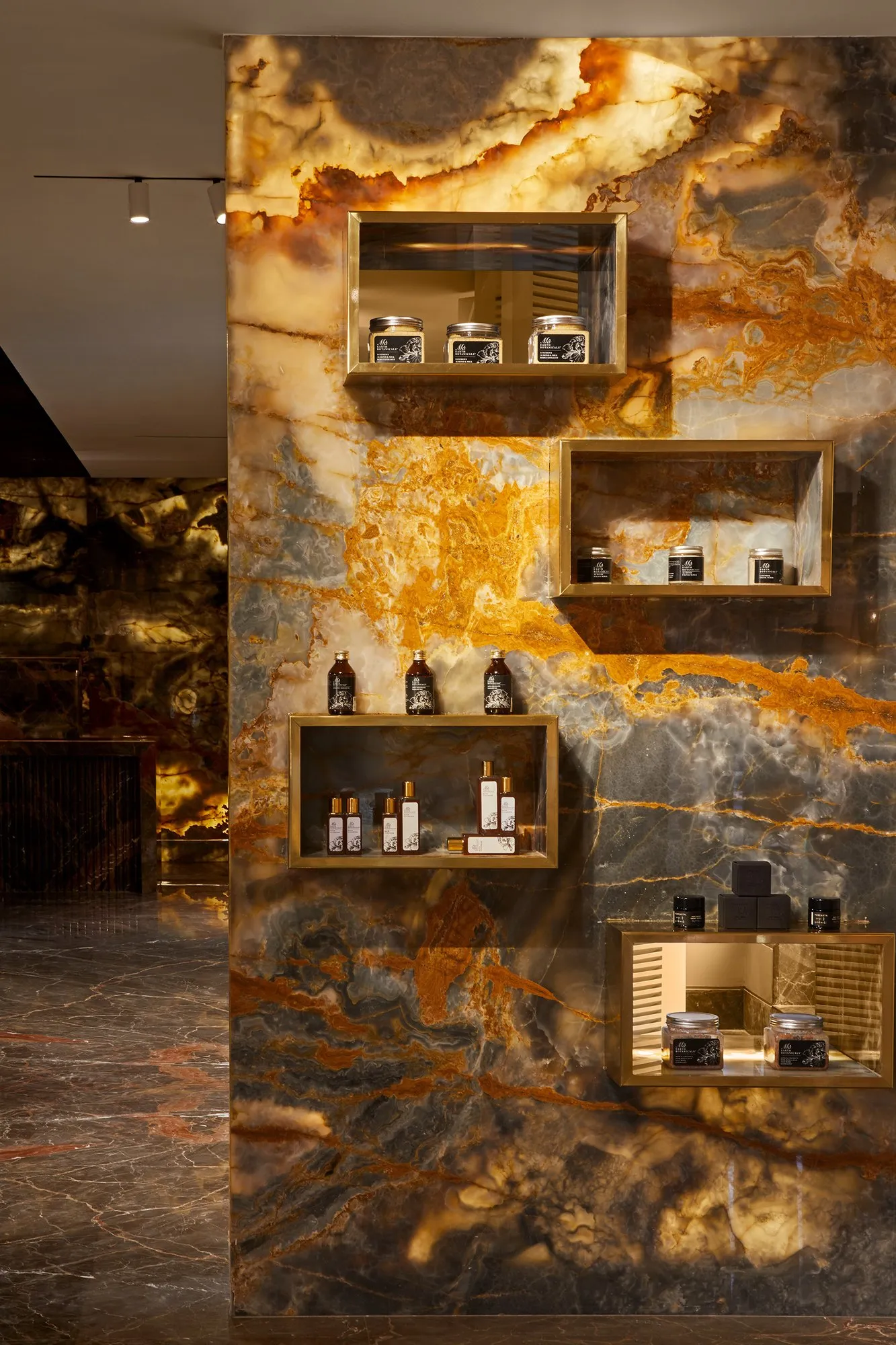
I was very clear as to use Indian heritage architecture as my influence in the design of the store. I gave Brinda many hand drawn sketches with references of Dravidian architecture. I took inspiration from the tiered structure of Dravidian temples and the windows of one of my favourite buildings, the Vidhan Soudha of Bangalore. I was insistent on creating the facade in natural stone as opposed to the glass facades that dot Bangalore.... and always admired the seine stone that is used in Parisian Buildings. So, I wanted the stone to have the same texture and colour.
For the interiors, my brief to Abha was to repurpose antique furniture and architectural elements in the visual merchandising, as much as possible. I gave her 16 elaborate documents collectively running into hundreds of pages as written briefs on every subject; she and I scoured the entire country across every repository of antiquated furniture and literally went through dozens of iterations and mock-ups for each piece of furniture. We referenced many South Indian palaces and mansions. Both architects were very patient and receptive to my thoughts and very sincere in their work on this project.
From Indira Gandhi, Nargis Dutt to Deepika Padukone, you along with your family have draped the most eminent personalities in the weaving heritage. You have always maintained a low profile and shied away from the spotlight in spite of revamping the design vocabulary of ethnic weaves. What has been the reason behind the same?
My father told me very early on that we as a family are not attention seekers. Add to this, I am a deeply private person and my work is an extension of my personality. Some amount of this family philosophy emanates from a deeply spiritual core that teaches us not to pursue the fruits of one’s labour. I also don’t have the time required to socialise and publicise my work. It was only recently that we hired an active social media team, but at some point of time the media spotlight came our way uninvited.
Today, when digitalisation is at its peak, your mindful step towards reviving old crafts and techniques will go a long way to preserve the rich textile history of India. Please take us through your design process.
Being a self-taught designer, I think about design all the time... and scribble down every random thought. These ideas then ferment in my mind sometimes for years before taking a visual form of a motif, a new technique or yarn. My sketches are usually a figment of my imagination until I give shape to it. I go through hundreds of iterations before I finally take the idea forward to sampling. I don’t believe in mood boards or themes. I am usually guided by an inner sense of what will look good and for me design is very intuitive.
Along with reviving the archival pieces, you are known to experiment with the traditional Kanjeevaram weave as well. How do you manage to balance tradition and innovation?
I am a traditionalist not a conformist. I enjoy simplicity in design and yet I believe the job of a designer is to innovate. True innovation can co-exist with tradition much like a very modern building can stand side by side next to an ancient monument. In an ancient civilisation like India - this is the need of the hour. It is a rare privilege since designers in other parts of the world may not have the same opportunity to straddle centuries-old tradition along with modern principles of design.
Do you think commercial aspects come in the way of artistic expression? How do you balance both the aspects of your work?
Yes, sometimes they do. I am a purist at heart so I try to remain true to my design philosophy. I always try to educate the audience about the nuances of design. It is ultimately a language that needs articulation as much as the spoken or written languages. The more evolved our audience becomes the more creative licence we have as designers ... this is something that I have learnt over time.
Are expansion plans on the cards? What can we expect next from your exquisite design label?
Of course, we are a young and ambitious company. Bangalore is India’s most challenging fashion market. The audience here consists of well-travelled young technologists and is the crucible of e-commerce start-ups, and this is my laboratory. I have spent 18 years honing my skills and my craft. I refuse to scale up unless I can do so without compromising on quality, innovation and my core values.





 L’Officiel India DigitalRead L’Officiel India in the digital libraryEvery issue and every cover story, on TCG Media.Read now