Priti Paul
Priti Paul's ABC Desi teaches Indian children the alphabet through Indian icons and billboard-style art, reviving a fading hand-crafted art.
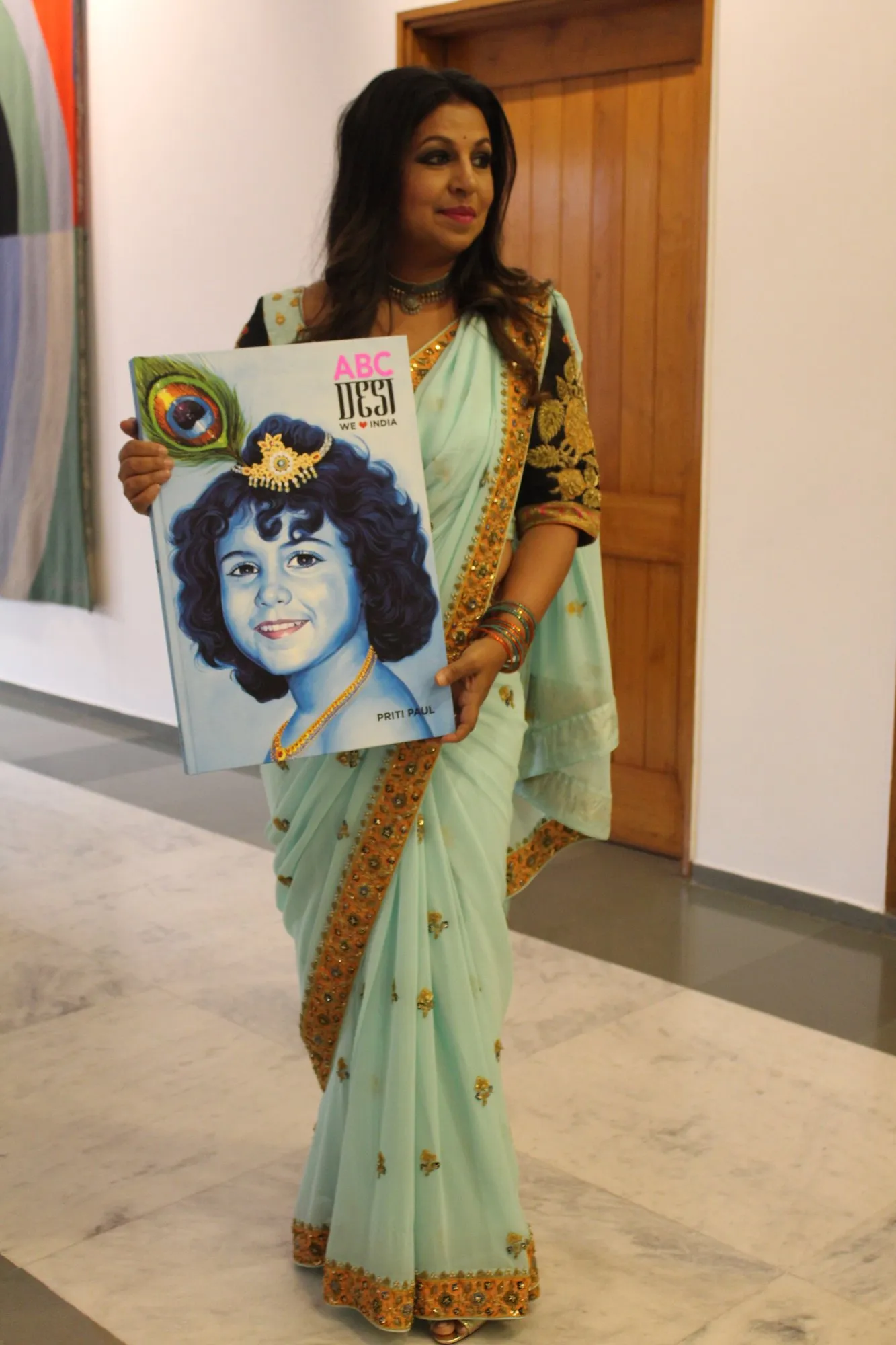




Priti Paul, Director, Apeejay Surrendra Group manages the real estate divisions of the company, their London office and is also the creative force behind Oxford Bookstores and its Cha Bar. Businesswoman, architect, a mother to three boys, all of that while living across 3 countries. At the recent launch of her book, we asked her how she balances it all, “I don’t”, she laughed.
How did ABC Desi come about?
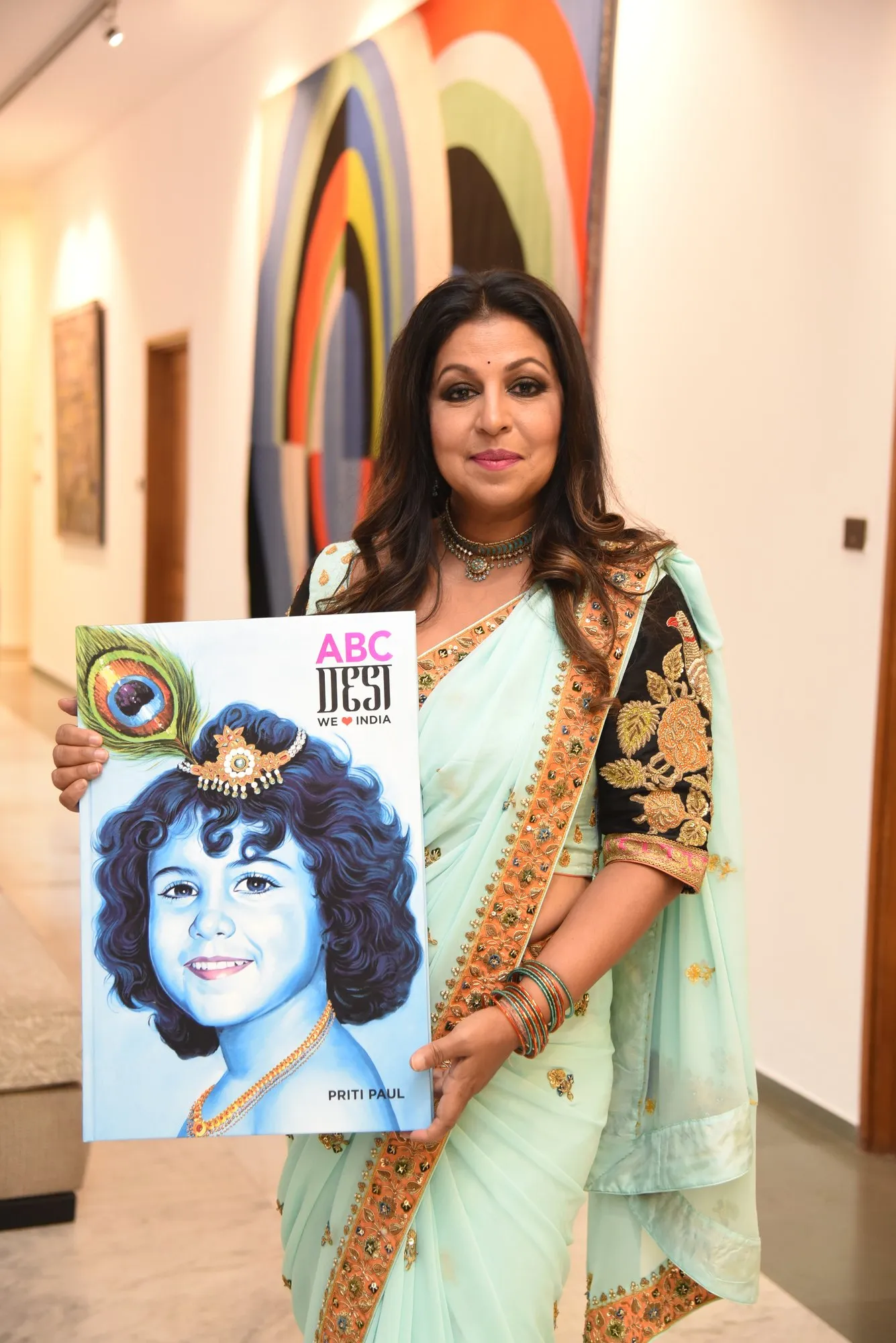
It’s an alphabet book for Indian children to learn the English alphabet in which each alphabet is accompanied by Indian iconography and references from our childhood. I also wanted to do it with a distinct flavor, true to our culture and this was the most arresting sort of graphic language I could use. I have worked with several artists over a period of 4 years to create this book, as a result of which, I was able to contribute in the pinning of this art form back into our visual vocabulary.
 L’Officiel India DigitalRead L’Officiel India in the digital libraryEvery issue and every cover story, on TCG Media.Read now
Tell us more.
For generations, our country has grown up looking at larger than life Bollywood film posters plastered over huge billboards. Popularized by circuses, theaters or even our local tea or juice stalls in the ‘70s or ‘80s, billboard painting is an art form that is deeply associated with Indian culture. Also with the onslaught of technology and being able to create things digitally, the essence of hand crafted art is disappearing really quickly. ABC Desi is not just a learning tool for kids, it is also an attempt to revive our graphic identity.
Did you draw inspiration from other cultures as well?
My book definitely has a French influence. While flipping through their children’s books, I realized their layout allows you to look at every single object and appreciate it for what it is. They have an uncluttered and clean aesthetic. The pages aren’t screaming at you with objects and information, there’s enough space for everything to breathe.
Would you consider doing more such cultural spinoffs?
I would love to create another book for Moroccan kids using French alphabets. I would like to help them learn French alphabets but with Moroccan references, for example, b for bread would not be depicted by baguette but with khobz which is Moroccan bread. The relation I have observed between English and Hindi is the same I find exists between French and Arabic.
Do you feel there are other cultural identities that we need to preserve?
We are a nation of tea drinkers, it’s our product, it’s what we produce, what we grow and what we consume. But tea is now looked at, as an English thing which it is not. I started Cha bar, 20 years ago. We have 150 different kinds of teas, pairings of tea with food, teas from different parts of India and the world. Now, tea boutiques have become a trendy idea in the west and I look at it as a positive spinoff and we should be promoting it more.
Being a literary enthusiast and an avid reader, do you see yourself writing a book in the future?
I have often been asked to put my life to paper. Even though I feel I am like the average woman, I find that the choices I have made over the years have led me to live a rather unusual life.
What are the five books we would find on your nightstand?
I have very diverse interests when it comes to books. I just finished reading a book by the Dalai Lama. Next in line are, “Two Saints” by Arun Shourie, a picture book on Banaras, Michele Hutchison and Rina Mae Acosta’s “The Happiest Kids in the World”, which, as the name goes, teaches you how to raise the happiest kids in the world and a Marcel Proust classic.
Spotted a mistake, or your photo used without permission? Report a correction