
Practically Limited
Limited Edition Supercars are taking over the segment, as companies push their offerings into the realm of smoke and mirrors.
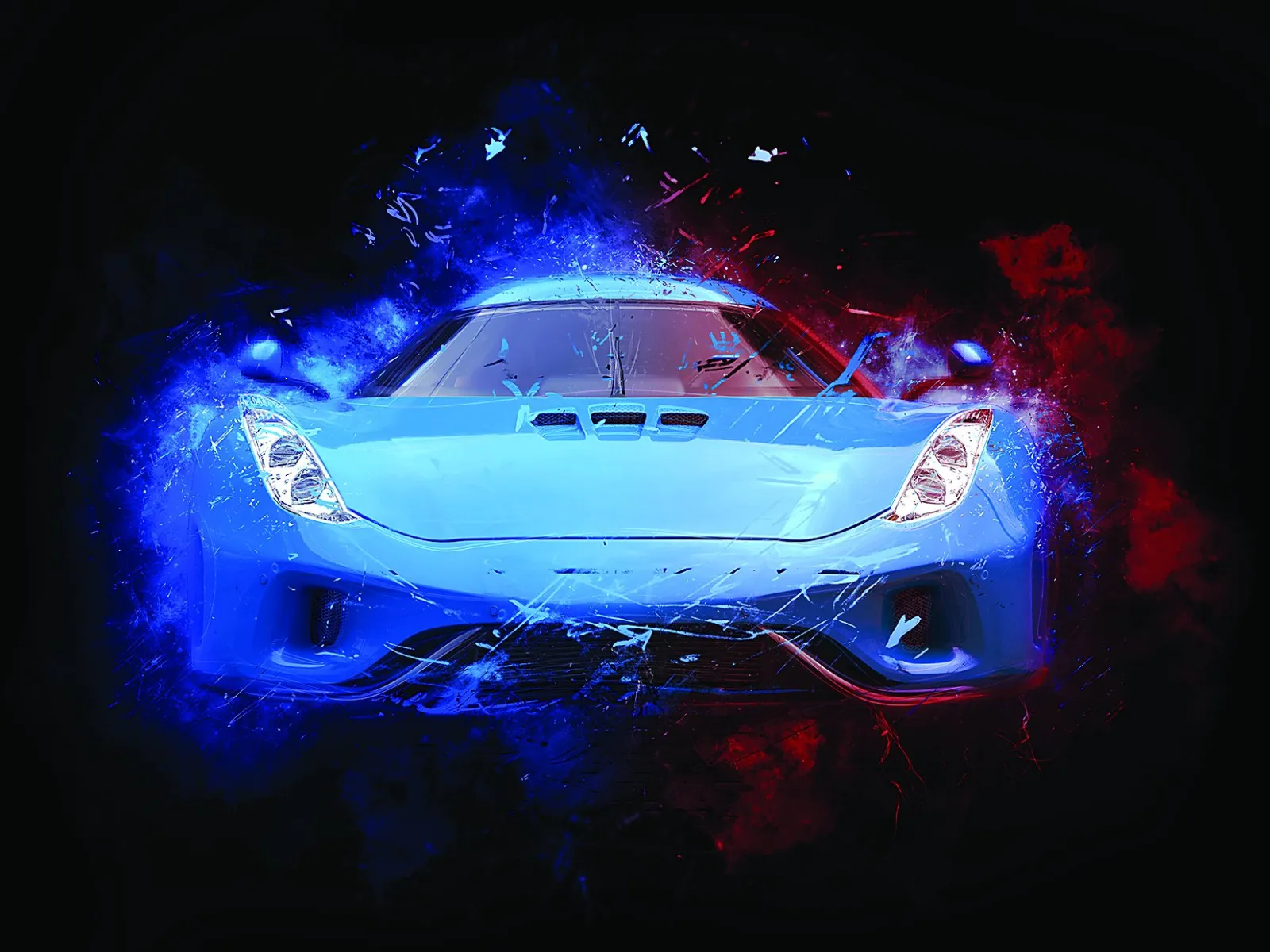




Putting the words Limited Edition in front of anything seems to automatically raise the inherent value of the product, even if the factors that bestow this title are purely based on speculation. This trend was started by car companies as a tool for creating a favourable brand image amongst the public, at a time when cars were truly a limited luxury. Unlike modern models that rarely see an unpaved road, those engineering marvels of old were race and rally cars that had proven their mettle in the toughest of conditions. That is what made them so special, and it truly was an honour to own something that represented a winning tradition.
Fast forward to the end of the 20th century, and we begin to see the unravelling of this concept, as more and more companies started using this gimmick to pushing anything and everything; from limited edition clothing lines, perfumes, and accessories, all the way to feature phones and key chains. There was hardly anything special about these products other than the addition of the brand’s logo and colour scheme. Yet, it was a way for owners and fans to get a taste of their supercar fantasy without actually squandering their life savings on getting one. It also showcased the ugly underbelly of the marketing world that still relies heavily on this brand loyalty to pad the losses of an increasingly unsustainable business model; as new generations no longer have the purchasing power, or inclination to invest in luxury transport. It was a radical time in the automotive industry, as customer priorities shifted from outlandish designs and big engine performance to efficiency and practicality. The dilution of the muscle car design language into more practical sedan and saloon shapes was just further indication that even semi-affordable performance vehicles weren’t the norm anymore.
 L’Officiel India DigitalRead L’Officiel India in the digital libraryEvery issue and every cover story, on TCG Media.Read now

Yet, instead of changing with the times, the supercar segment just doubled down on the promise of exclusivity and ushered in the modern era of limited edition cars that were the polar opposite of their worthy ancestors. These new cars don’t have any racing legacy to speak of, and even in normal conditions are highly impractical for most real-world driving. At the same time, they are finicky machines owing to the host of ‘unique’ modifications made to them to claim superior performance over regular supercars, which already promised to push the limits of design and drivability. Suddenly, it isn’t enough to just own a supercar; you need to have a special edition one if you want to stand out in the sea of pretentious owners who don’t even care that they can barely back out of their driveway in these monstrosities. These types of restrictions have only grown with time, as latest generation supercars can barely drive on regular streets, whether it is due to impractical design or the simple fact that most of them aren’t street legal, to begin with.
Incredulously, despite all these problems, car companies are more adamant than ever on shamelessly luring customers with shiny presentations of incomplete sketches and foam cut-outs, and promises of non-existent technologies and over the top performance. In most cases, the customer doesn’t even know what the car looks like in real life, or how many years they will have to wait to get one. Yet, somehow it is still enough enticement to get them to part with six-to-seven figure amounts, which are used by companies as startup capital for these projects. This makes it perhaps the only industry where a loss-making practice was converted into a profitable revenue stream by shifting the risk on to the owners, who have to pray that the companies achieve their bookings quota if they ever want to see a return on their investment.
Even if you can get past the unsustainable business practices, the fact remains that these cars have moved beyond the love of automobiles and into the realm of investment portfolios that only see the light of day during exhibitions. By making them so exclusive, they defeat the purpose of such a display, as other than the owners hardly anyone will ever be able to appreciate the engineering and design that is supposed to stoke the aspirations of the masses. Unfortunately, this trend doesn’t seem to be changing anytime soon, so we can surely expect to see more examples of misguided enthusiasm in years to come.
Spotted a mistake, or your photo used without permission? Report a correction