Pet Pret
Trekking through the rough terrain of the fashion landscape for the last 12 years, the husband-wife team of Ankur and Priyanka Modi are re-calibrating their prêt label and going Indian to woo a larger arena




What was the ideology with which AM:PM was launched?
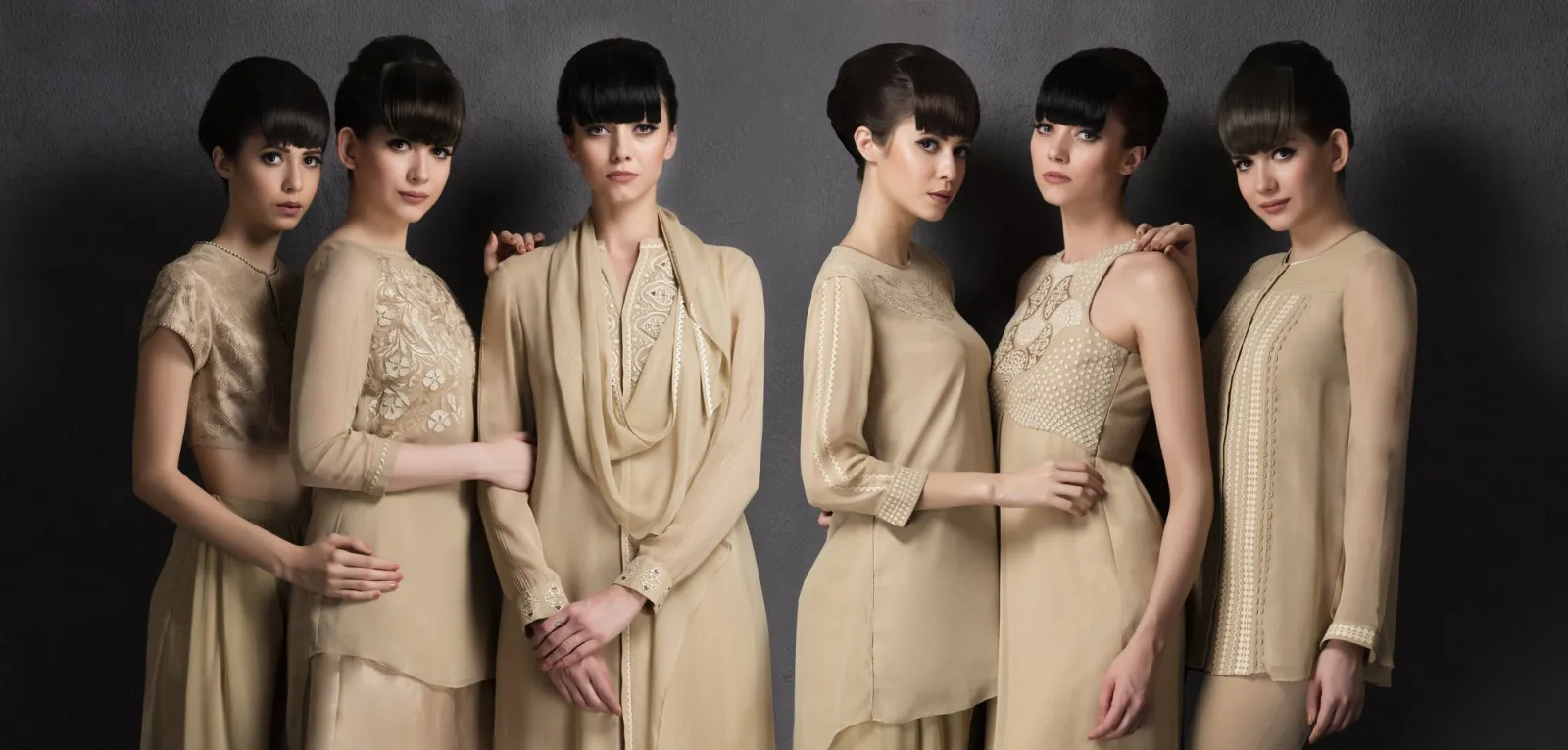
We started AM:PM 12 years ago as a luxury prêt label and we have consciously retained that in our DNA. At the time, fashion on the runway and in real time was a stark dichotomy-it was either traditional Indian or Western wear. We realised that there was a vast pool of latent demand for clothes that were not limited to either or. Designing collections to marry classic details with contemporary aesthetics that celebrate femininity has been the cornerstone of our work.
What do you think makes designer pret still unaffordable?
With increasing disposable incomes and a relatively strong economy, ‘affordability’ has become relative. Having said that, we don’t think that luxury prêt/designer pret was ever absolutely unaffordable though there were surely issues with accessibility. That issue too is now being addressed with the development of luxury retail spaces across the country and most dramatically by e-commerce.
 L’Officiel India DigitalRead L’Officiel India in the digital libraryEvery issue and every cover story, on TCG Media.Read now
We as designers too have experienced a huge learning curve over the last few years. Earlier having one or two stand-alone stores was considered huge, whereas we should’ve been looking at a 100! We think, Indian fashion is on the brink of creating such designer brands.
How do you think Indian women have changed in terms of dressing and how they look at designer wear?
Until some years ago, Indian women were dictated by an implicit convention. They were dressing according to society’s expectation of them. Women today, on the other hand, are out there working, travelling and consuming the newest trends off international runways on their phones. Thanks to the world becoming flatter, fashion is now so much more democratic; it is sought, bought and worn, more to express oneself. The biggest change is the mind-shift. The modern Indian woman is dressing, according to her personality. As designers we’re expected to create the ‘future forward’ and with that premise we’re also constantly evolving to meet our customer’s preferences.
What is the niche that your label hopes to target?
Our designs appeal to discerning women who want to establish their presence effortlessly and discreetly.
What do you think are your biggest strengths and weakness (design-wise and professionally)?
The commitment to our aesthetic over so many years, and keeping India at the root of our inspiration story have been our biggest strengths, design-wise. It is important to believe in what you set out to do and keep a dogged focus on that. It has also led us to realising the expandability quotient of the brand, that it can venture into so many more verticals of fashion and lifestyle. Going forward it would probably be the most crucial asset we possess.
We’ve also constantly toed the line between creativity and commerce. Even though designing will always be our passion, growing the label simultaneously is a responsibility we take very seriously. We feel that attitude has kept us in good stead and the label has seen a steady stream of growth over the years without compromising on any of its brand promises.
A design weakness would surely be the amount of time we end up spending on detailing each garment. It sometimes feels like we’re designing couture at pret prices! Inaccessibility, like we said, was an issue with us too. We realised that so many more people from various geographies could appreciate and wanted to buy what we do, but we weren’t easily accessible to them. Even though it’s a good problem to have, but it’s still a problem! Hence, we’ve set about to address that issue.
In a sea of designers what makes AM:PM unique?
It has to be the ability to make timeless pieces. Over the years, we’ve developed a very loyal consumer base and so many of them end up recounting how they still wear pieces from the label that they bought years ago! We truly cherish these stories as it reinstates our need to design more from the point of style than trend.
What is your sustainability mantra?
There are no short-cuts! Clarity, focus and hard work (in that order) are irreplaceable.
Is it tough working as a husband and wife?
It’s a partnership in the truest sense of the term. We don’t carry work home, but we always take the vision back. Dining table conversations sometimes do turn into brainstorming sessions. Some of the best ideas have come on holidays with the family!
You will now be including Indian elements in your label, why this change?
From the inception of the label, we’ve always taken Indian artworks and refined them into a contemporary aesthetic; similarly with details or our silhouettes. It’s just that we’re now doing it more consciously as we feel our most gratifying work has come whenever we’ve been acutely aware of this.
What do you think a designer needs to do to survive in a country like India which is obsessed with haute couture?
Haute Couture is aspirational not just in India, but all over the world. But just being highly coveted has no bearing on sales and scale! As designers doing pret, it is our responsibility to reach a larger demographic. The survival though will always depend on how intrinsically you can engage such a large audience through design, quality and price!
What inspires you as creative people?
We are consistently inspired by architecture and craft. “Siyah”, our fall-winter 2015 collection for example, is deeply influenced by Islamic craft and architecture. We’ve blended a lot of artwork taken from this beautiful inlay work, which is done on sheesham in the remote Hoshiarpur, Punjab, and used it along with intricate jaali patterns from the Mughal palaces.
What remains missing in Indian fashion that you'd like to see altered or done away with?
Show-stoppers! It’s a concept completely isolated from Indian fashion and even though we respect the reach of movie stars, they should only grace front rows sporting latest trends.
Your advice to beginners?
Fashion design is not an esoteric pursuit. It’s a high-octane, competitive business which in turn is demanding. A clear vision is of utmost importance before embarking on creating your own brand or label, closely followed by a keen understanding of commerce.
How tough is it to do pure pret? Will you ever do couture?
This debate has raged on for decades but we just feel that with so many restrictions like wearability and price, prêt is much more challenging! That’s not to mention the ever evolving consumer palate and fierce competition from national and even international brands. Couture, on the other hand, is what is truly aspirational and sets the tone for each fashion house. It would be a very logical step for us in the future.
Spotted a mistake, or your photo used without permission? Report a correction