Oriental Song




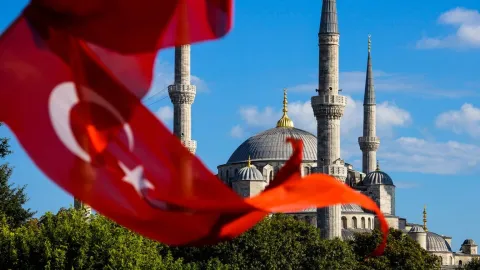
Shalimar by Guerlain The inspiration: The enduring romantic saga of Shah Jahan and his beloved wife Mumtaz Mahal. It’s believed that the emperor and Mumtaz were inseparable. So madly in love was he that he wanted to make her life a perpetual garden of delights. So he created the Gardens of Shalimar in Srinagar, replete with rare blooming flowers and murmuring fountains. When she died during the birth of their 14th child at 39, Shah Jahan was devastated and built the Taj Mahal in her memory. This incredible tale sparked the imagination of Jacques Guerlain, who created Shalimar in 1925— the first oriental fragrance in history, and named it after Mumtaz’s favourite garden. Elegance, sensuality and power—this fragrance, inspired by an oriental love story, is meant to epitomise the dazzling essence of a woman who is endlessly desired. The composition: The first oriental scent which laid the foundation of modern perfumery, Shalimar, is a subtle blend of floral notes and sensual woody amber accents. The freshness of lemon and bergamot meets powdery notes of iris, jasmine and rose in a sensual embrace. An addictive blend of vanilla, opoponax and tonka bean lingers on.
The bottle: Like the most legendary elixirs, Shalimar springs from the basin of a magical fountain. The curves of the bottle evoke the smooth roundness of the stone, while the clear blue of the fan-shaped stopper recalls the eternal springs of water in the Gardens of Shalimar.
 L’Officiel India DigitalRead L’Officiel India in the digital libraryEvery issue and every cover story, on TCG Media.Read now
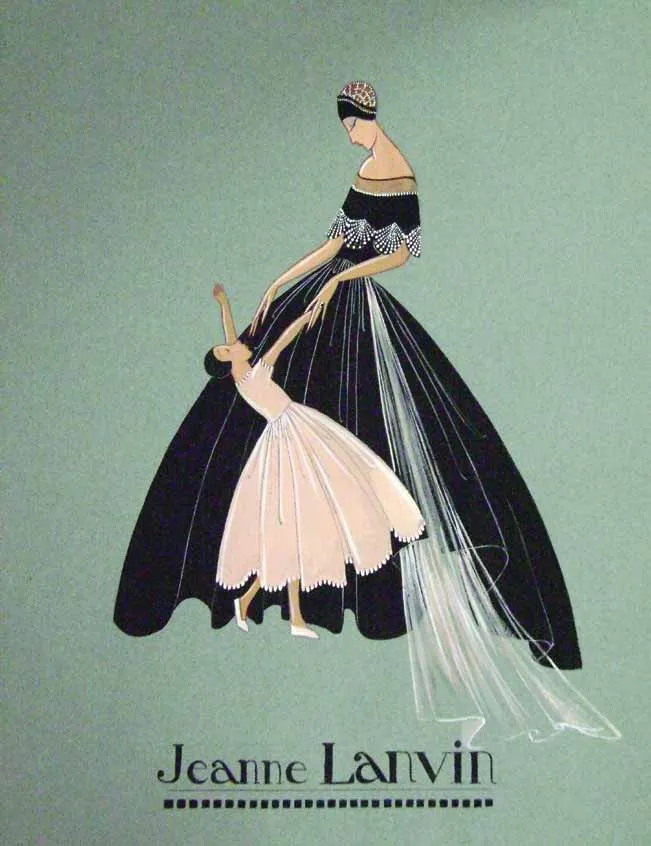
Arpège by Lanvin The inspiration: Lanvin, the French fashion house founded by designer Jeanne-Marie Lanvin, had modest beginnings but became famous for its matching mother-and-daughter ensembles. When the brand forayed into fragrances, the inspiration remained the love of a woman, of a mother for her child and family. The company’s most successful fragrance launched in 1927, Arpège, was created for Jeanne Lanvin as a present to her violinist daughter Marie-Blanche on her 30th birthday. Named after Marguerite’s arpeggios during piano practice, it is a classic that tells a universal story of faithfulness, handed down from generation to generation.
The composition: Wearing Arpège is like wearing a couture velvet gown; its rich composition evocative of creamy florals, textured greens and shimmering aldehydes smells delectable in misty, winter evenings. An extraordinary combination of rare precious flowers, it contains more than 60 natural essences. The fragrance opens with top notes of bergamot, neroli, coriander, clove and peach while the green-sweet heart has Grasse jasmine, Bulgarian rose, ylang-ylang, camellia and lily of the valley balanced by ambergris, musk, sandalwood, vanilla and vetiver.
The bottle: In 2009, Lanvin celebrated 120 years of the house with a special version of the original, renamed Arpège 120. Sketches of Jeanne Lanvin and her daughter Margaret, dressed in gorgeous violet dresses created in Parisian style became the inspiration for the sketched black flaçon with gold details and pink hearts around mother and daughter.
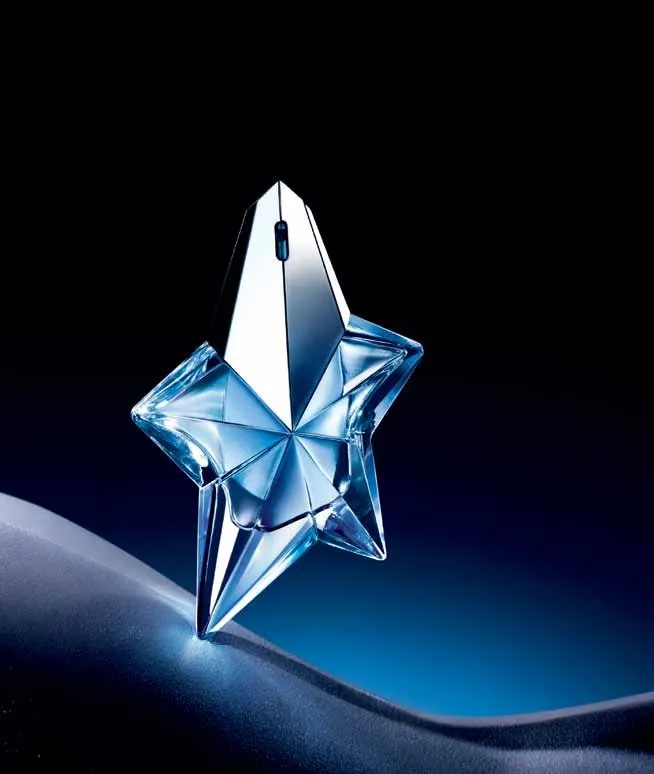
Angel by Thierry Mugler The inspiration: Revolutionary fashion designer Thierry Mugler, when working on his first perfume, set out with an intention of making a timeless classic. Yet he wanted the juice to be blue (a departure from the usual amber and gold) and the bottle to be a star—symbolic of all the dreamy nights he spent under the starlit sky looking out for shooting stars. The result was Angel, which is not just a fragrance. It is an attitude. Not one of your pretty, pleasing fragrances, it compels you to either love it or hate it! The composition: Working on the brief “to make a perfume that could have a common resonance for everyone, something close to tenderness, to childhood,” noses Olivier Cresp and Yves de Chiris created the first-ever gourmand Oriental, which didn’t suggest a dessert but a lavish feast of crème caramel, cotton candy, raspberry macaroons, candied fruit, chocolate and honey. Refusing to be predictable, the sweetness was balanced by the masculine strength of patchouli. The lingering trail demands a nip in the air as heat tends to make the formula even more overwhelming.
The bottle: The bottle, which is today an icon, was a nightmare to execute. All except one glassmaker refused to take on this ‘impossible’ project citing technical difficulties. To overcome these technical challenges, a special machine was designed to transform glass to a star-shaped flaçon. Mugler decided to make Angel refillable, because he thought the bottle was too exquisite to throw away and too expensive to re-purchase.
“Angel is very connected to my childhood, yet it continues to fascinate me as much as ever.
It’s very exciting to become the new face of the Angel woman... 19 years after my mother!”
Georgia May Jagger, new face of Angel the Star-shaped bottle was symbolic of all the nights Mugler spent as a child under the star-lit sky looking out for shooting stars.
Spotted a mistake, or your photo used without permission? Report a correction