Nimrat Kaur: Cutting Through Clichés
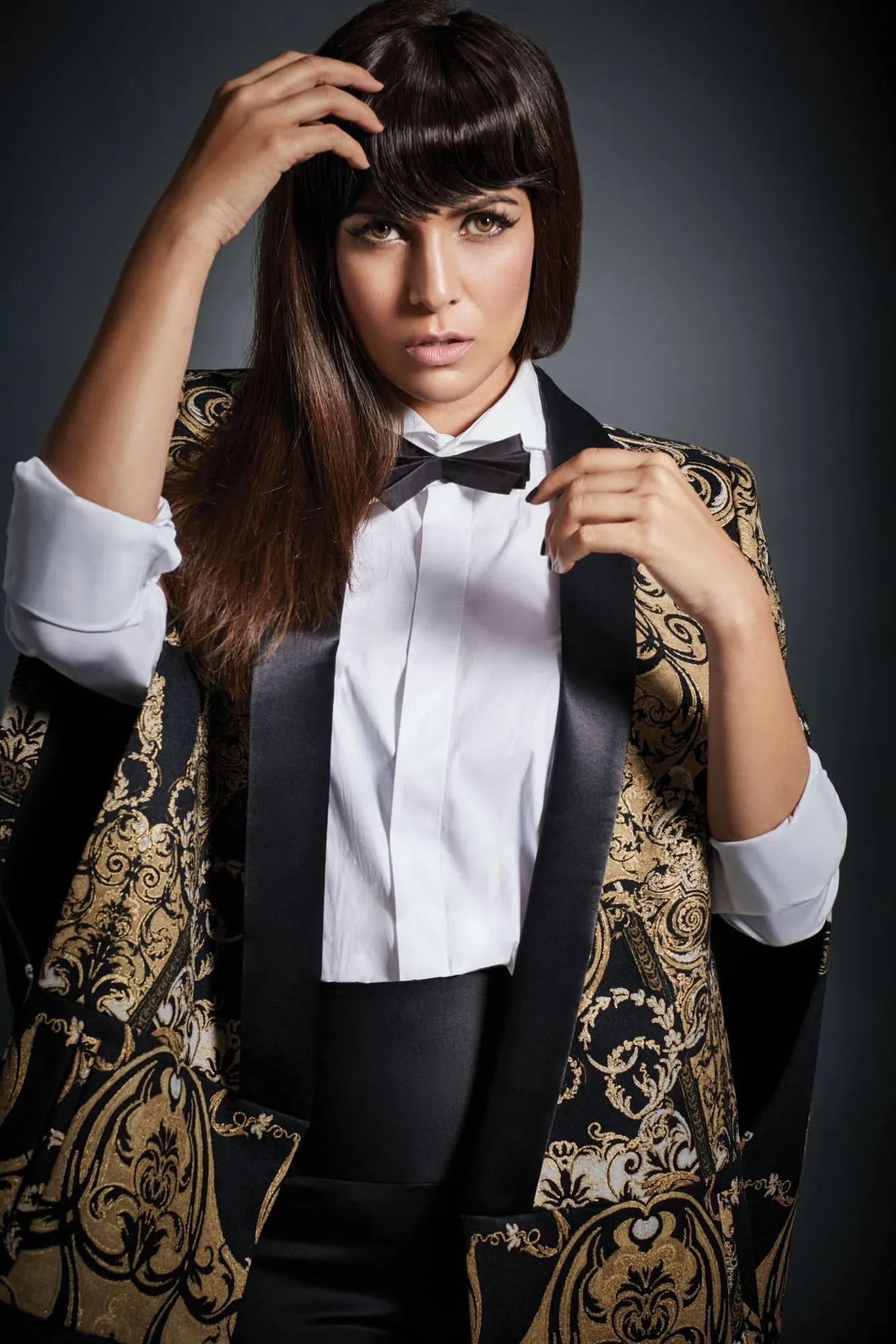




Nimrat Kaur's stride for life has traversed through several spirals, yet she remains a talent to reckon with due to her offbeat choices that have won critical acclaim globally starting from her role in The Lunchbox, to American-television series Homeland. The quintessential outsider is now set for her new release Airlift with Akshay Kumar.
Nimrat Kaur’s infectious laughter is palpable even across a phone call. Her promptitude paints the same picture that Anne from Anne of Green Gables by L.M. Montgomery did back in my childhood. “It’s been my experience that you can nearly always enjoy things if you make up your mind firmly that you will”...it’s like Nimrat has lived by these words by Anne. Whether it was changing the course of her career back when she was in Shri Ram College of Commerce (SRCC), New Delhi, or while playing the devious ISI agent Tasneem Qureshi in the American television series Homeland, Nimrat has taken the road less travelled.
 L’Officiel India DigitalRead L’Officiel India in the digital libraryEvery issue and every cover story, on TCG Media.Read now
An interlude
The unostentatious approach to life that a lonely housewife had in The Lunchbox, the contagious charm of a naughty lover in the Cadbury advertisement or the sheer fortitude in dealing with an ex that she portrayed in the Titan commercial, Nimrat selects roles which are not the Bollywood archetype. She views the world through rose-tinted glasses as she thinks that perceptions about female actors on-screen have been fast evolving.
In a male-dominated industry, Nimrat says that back in the ’70s or even in Satyajit Ray’s films, where there was progressiveness in their (female protagonists') lives and thinking, they were not necessarily educated urban women, “but they were unconventionally written characters displaying strength.” “And then there was a different kind of wave, where women were more of a fantasy; such as Silk Smitha or Vidya Balan in Dedh Ishqiya or Dirty Picture, which was a trendsetter in not conforming to a certain body type, but celebrating who you innately are,” she adds.
She quotes an example of the character she played in the epistolary The Lunchbox by saying, “Even in this film, there was a quiet sense of non-conformism that ‘Ila’ was written with, which gives a different perspective to the life of someone, who is financially not independent, yet eventually ends up doing what she wants to. Every once in a while, there is a film that defies the set notions of right and wrong.” Who is this kind of a woman? “She is married but moves away from everything to build a career for herself,” she muses as she remembers Waheeda Rahman’s role in Guide that broke stereotypes back in the ’60s. She looks up to women like Marion Cotillard, who created a stir with La Vie en Rose and believes that these are examples to live by. “We saw her as an old woman, but she was unafraid to look unattractive and totally transformed herself for the role,” she adds.
Nimrat is not the misanthropic probe we love to hate or the dweeb who knows the answers to everything. She’s like that kid in the class, who manages a fitting score and an easy camaraderie with almost everyone as she speaks highly of those who went by their inner calling, such as Jaya Bachchan, Smita Patil, Deepika Padukone in Piku or Finding Fanny, and Kangana Ranaut in Queen.
Breaking out
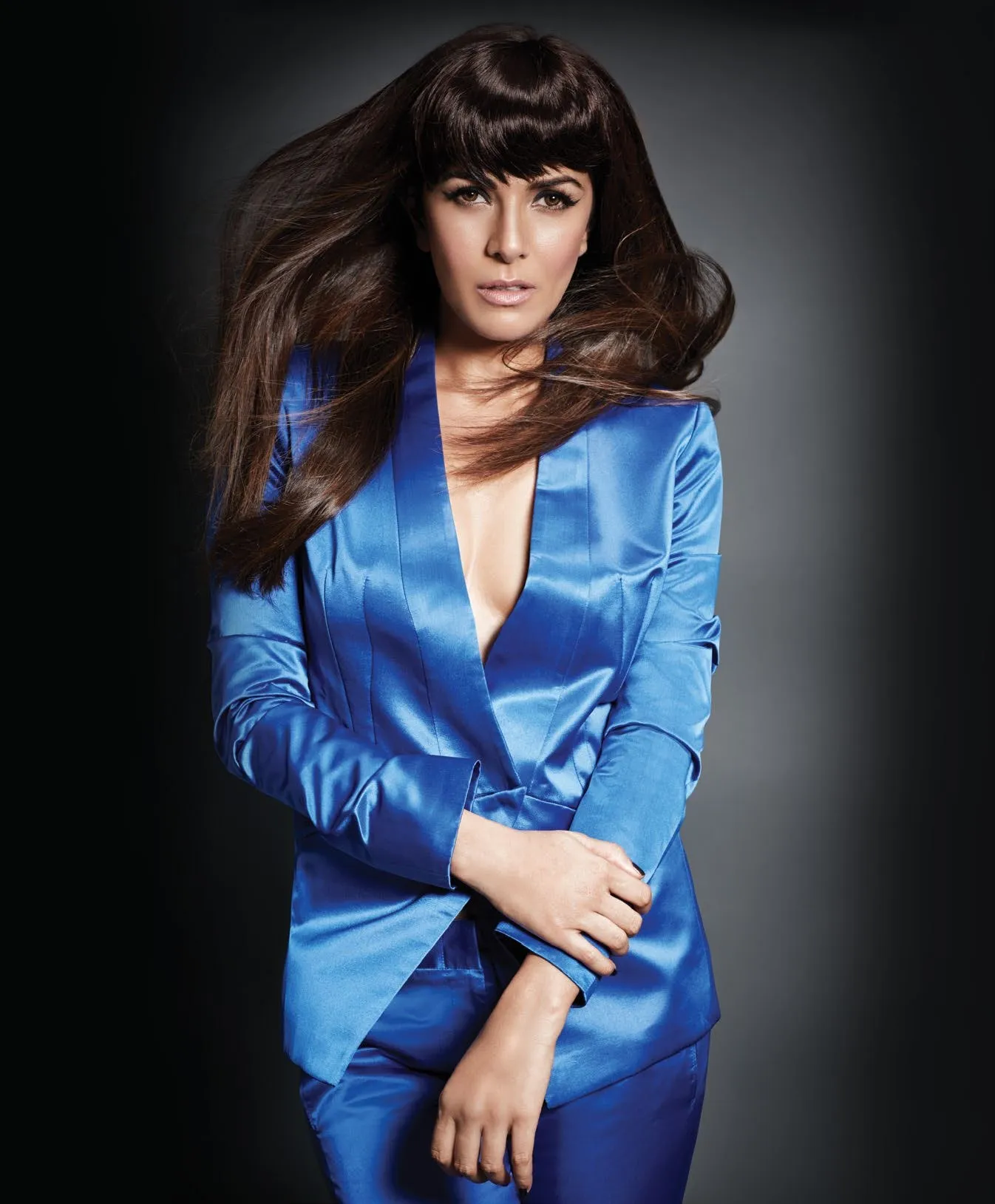
Nimrat Kaur is an exception to the rule when it comes to the Hindi film industry. Her humble background never stopped her from dreaming in her early 20s. “I come from a services background. My father was in the Army. All my uncles are engineers and most of my family is academically inclined. I’m the only working artist and it was one of those things where there was a desire from within. I had to take that leap of faith,” says the 33-year-old.
Kaur isn’t one to ever feel discouraged by a system that has its own way of functioning. “Whether it’s politics, bureaucracy or even the Army, it’s a lot easier if your father is part of it. You learn the ropes faster. You’ve grown up with a distinct language and you know what you’re dealing with. It’s always easier to follow in their footsteps,” she adds. Like a soliloquy, Nimrat’s prolonged endeavours have brought her ashore.
But for those of us who become snarky at the end of a toiled Metro journey or a bad day at work, Nimrat declares that it’s not easy for anybody.
“It’s not like it’s a cakewalk for star kids as we call them, for the lack of a better word. It’s tough for everyone to prove their mettle. At the end of the day you must strike a chord with the audience. The audience will not watch a film repeatedly because you’re someone’s son or daughter,” she admits. She further spells out the simple rules of life that we may find hard to accept, but will confess that it’s a lot easier to break into the scene if you’re born in a film family. “Of course, it is! You’ve grown up with them. It’s easier to get a job. It’s as simple as that. Though I don’t really like it when people are harassed for being able to get a toehold. Everyone has his or her own cross to bear.”
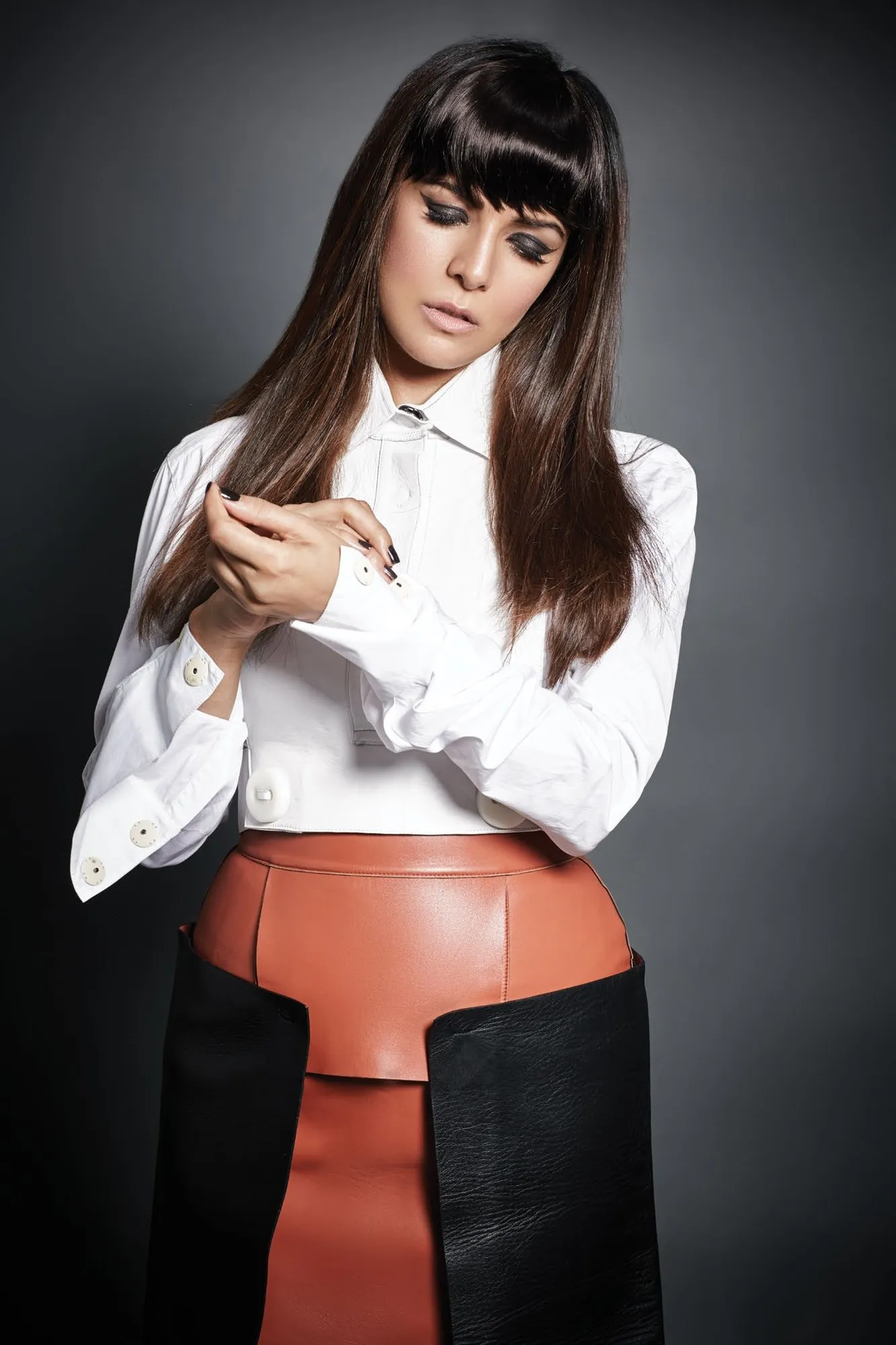
Quantum leap
It’s not every day that a coloured actor gets a lucrative opportunity in the West or vice-versa. Nimrat is one of the few who is defining cultural diaspora while spelling out the rules of diversity in performing arts. “It was excruciating but creatively it was one of the most satisfying experiences for me, working with Mandy Patinkin, Rupert Friend and Claire Danes. They were all incredibly wonderful people. They are not just talented but also generous, loving and supportive. All the directors on the set were democratic and I enjoyed working in that space. You could freely talk about things not working and those which must be changed. It was incredible and one of my most cherished experiences,” she adds, referring to her shooting for Homeland.
Nimrat has joined the brigade of Hollywood veterans, like Om Puri, Irrfan Khan and Priyanka Chopra, and she can only display awe for such exemplary motivators. “More and more of us join the path he (Irrfan Khan) has carved. He has been doing this since he starred in The Warrior, in 2001. And if there is an actor to reckon with in that sense, I feel so empowered by the choices that Irrfan has made. I applaud Priyanka for her courage and the risk that she has taken, coming out of her comfort zone and giving something else a try. It takes a lot of courage as the stakes are so high when you’re at such an important juncture of your life. For someone like me, I’m just starting out. I can take a risk and get away with it. I don’t have so much money riding on me,” she confesses.
While on the home front, we’ve always seen Nimrat as Miss Goody-Two-Shoes, Tasneem Qureshi (her character) in Homeland, who is an ISI agent working closely with the Taliban is hardly any of that. “It was exciting to play someone evil and it is kind of addictive to be able to take such ruthless, immoral calls because you would never find yourself doing it in real life. It is fun to be the bad guy,” she adds.
Nimrat has taken each experience just as it is, as she thinks her reference points aren’t many. Her soon to be released film Airlift (a dramatic human story based during the Gulf War, in 1990, which results in the biggest human evacuation that took place) opposite Akshay Kumar has left her a bit starry-eyed. “I have a lot of moments when I’m just like ‘Oh my god! I’m actually working with Akshay’. I’ve grown up watching him,” she says. “We’re left with some 30 percent of the film. We’re yet to shoot a very important part of the film, the climax,” she reveals.

Dawn of a new day
In a sea of actors, who’re particular about their size, Nimrat has her curves in place. She advocates fitness but only till the point it doesn’t become obsessive. “I want to be better about my fitness regime, for sure. I aspire to be the fittest, given my body type. It’s important to understand your body because when we look at images in magazines most of them are heavily photoshopped. Real Indian women, whether they’re skinny or not have to find a fitness programme which they can maintain for years to come. However, I’m not one to fall for diets or fads,” she says.
Her progressive views on fitness are congruent with her ease with social media. “I have a way of using social media for keeping myself aware of what’s happening. The world is becoming smaller and I don’t want to stay in a fish bowl where I feel disconnected. It’s very easy for my personality type to live in my own universe. Anyway, we actors live a secluded life, so I feel like the way the world is moving, you can end up becoming a lonely person. You just have to find the right filter and not pay attention to rubbish, that’s what I do.”
Like her films, her style sensibilities also have a distinct thought process. “I don’t conform to any particular style. I try to experiment, given my body-type, preferences and tastes. I don’t like wearing anything that I don’t feel confident in. I think it is imperative that you are able to carry off whatever you’re wearing.” Her favourite designers remain Sabyasachi Mukherjee for his redefining ‘sexy’ for the modern-day woman and Alexander McQueen for his unpredictable artistry. Given the onset of festivities, Nimrat admits that she would like to embrace the brightest colours possible.
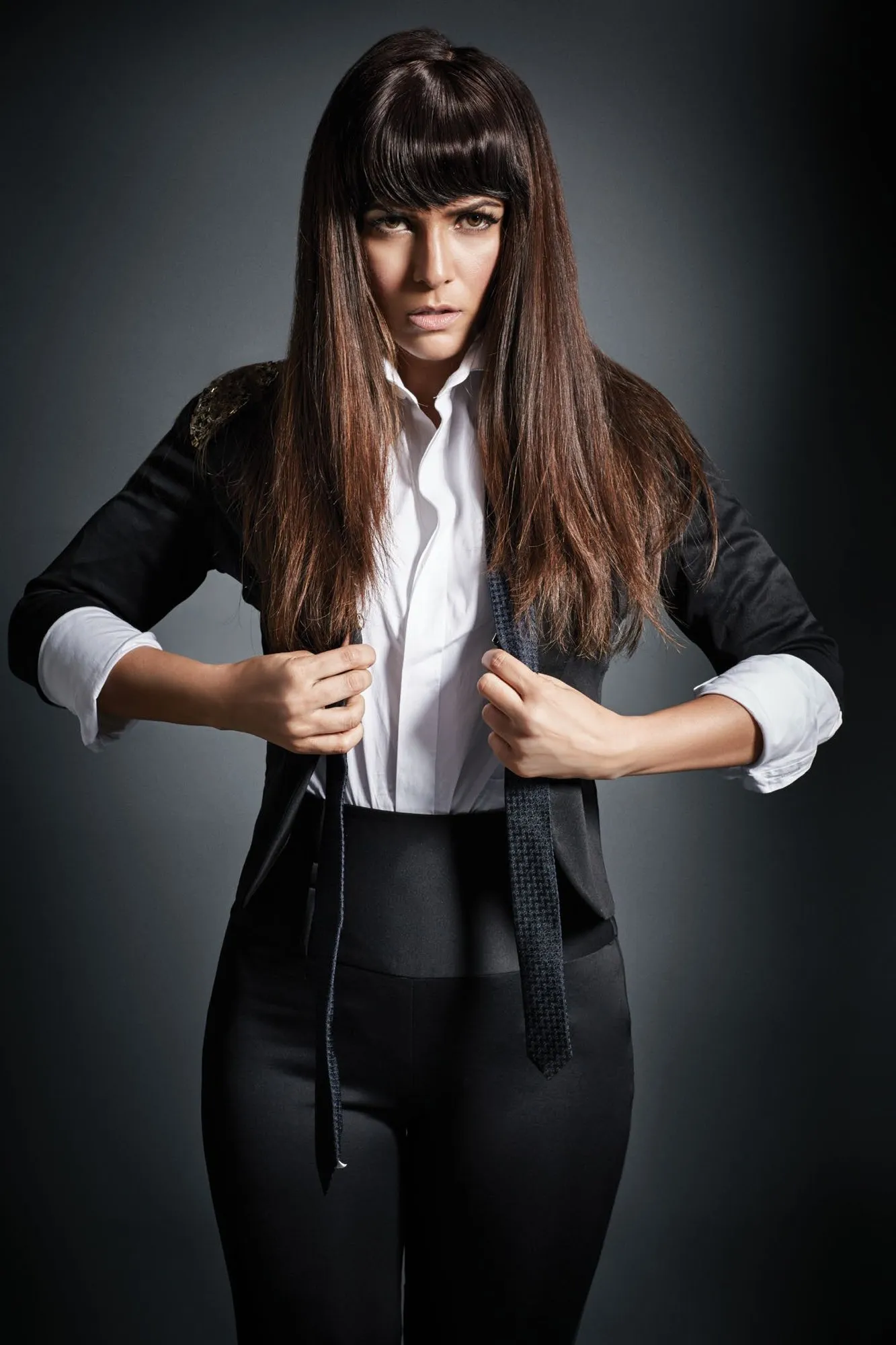
The proverbial rule
Success is like a butterfly for Nimrat. “If you chase it, it eludes you,” she says. Her faultless answers, non-appropriation of success, eulogisation of contemporary talent and her long list of some 75 directors (chuckles as she says it) she aspires to work with, are distant from her alternate choices in the prologue we saw her writing, before she came into the spotlight.
Throwing a new light on female roles through playing a heart-warming character like Ila, her views on feminism still seem wary. A non-believer in digital feminism, Nimrat believes ‘feminism’ is a term so nuanced that she hasn’t been able to grasp it. “People have their own versions of feminism. It’s like Chinese food. There’s nothing such as 'Chinese food'. It’s convoluted so it is conveniently misused.” And she rebukes it by saying, “I’m yet to figure my definition of feminism. I try to be true to how I am. I don’t mince words and I don’t tolerate any assaults on women around me when I see it.” Her stance is strong and her struggle is real.
Is Nimrat the quiet mutiny we think we need, the creative and commercial equilibrium that many claim to seek or the quintessential star in the making? Only time can tell.
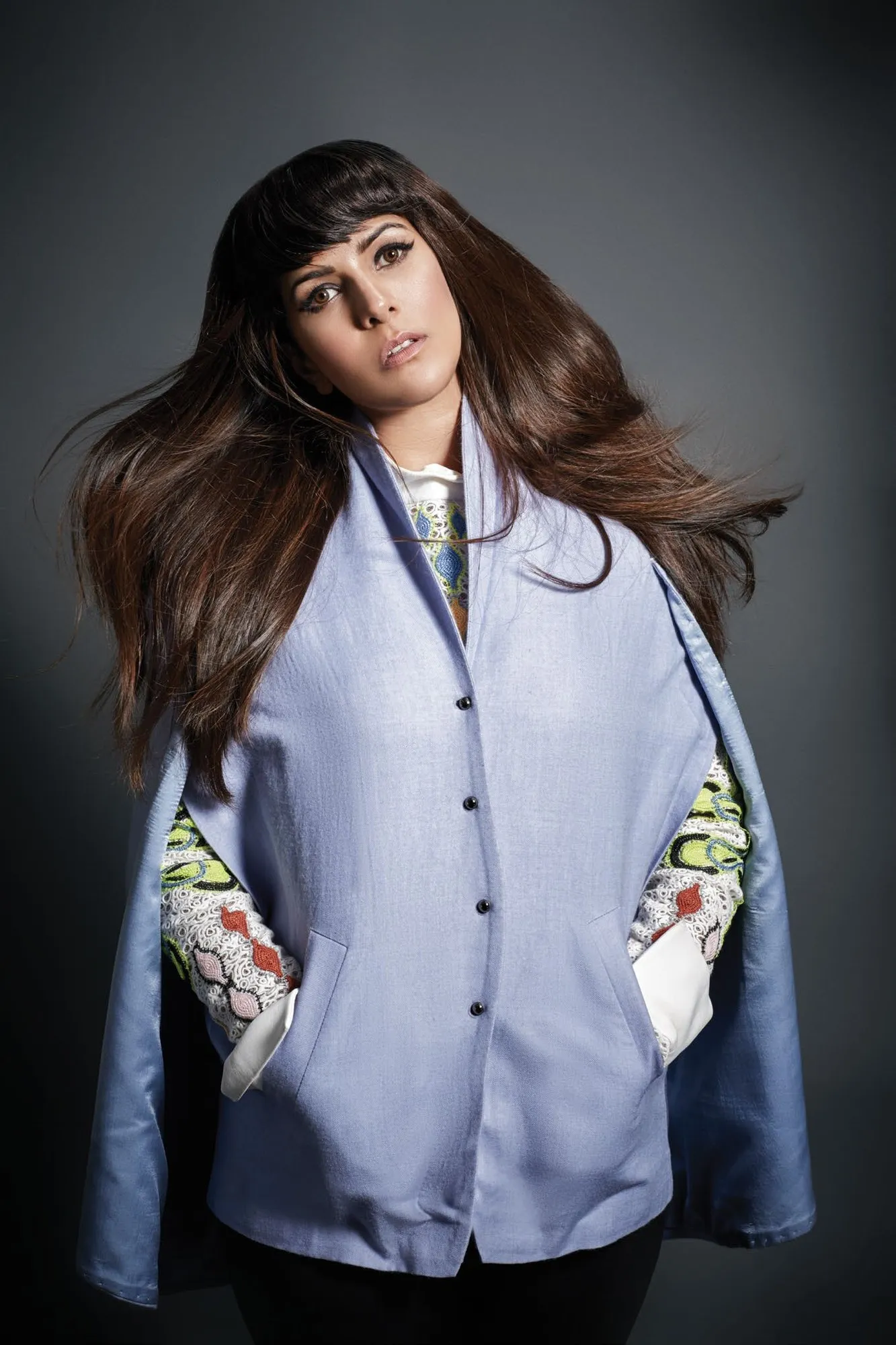
Rapid fire
If you could have one super power, what would it be?
To be able to read people’s minds.
What’s on your bedside table?
Cat food. A copper jug, a book and sometimes my cat.
What are your favourite reads?
A Fine Balance by Rohinton Mistry and Autobiography of a Yogi by Paramahansa Yogananda.
One thing you don’t leave home without?
My sunglasses.
One person you would like to be if you were born again?
Maharani Gayatri Devi!
If you were made the Prime Minister of India, what changes would you make?
I would make more public toilets for women.
If the Titan advertisement were to happen in real life, would you return to your ex?
Depends on the guy! If he admits he made a big mistake then maybe I’ll consider it.
One book/quote that changed your life.
When I was in college, I read The Secret by Rhonda Byrne. “When you truly and deeply want for something, the universe conspires to get it for you,” I still remember that quote.
One song you’re listening to on a loop.
Just hold on, we’re going home by Canadian rapper Drake. It's just a super sexy song! I can’t have enough of it.
Would you pick the Titan or the Cadbury ad if you had to?
Don’t do this to me! I love them both and the same director has done both of them. But if I had to, I would pick the Cadbury advertisement. It holds a special place in my heart because we shot it a week before I went to the Cannes Film Festival for The Lunchbox.
Photographs: Rohan Shrestha. Styling: Aakanksha Jain.
From the November 2015 issue of L’Officiel India.
Spotted a mistake, or your photo used without permission? Report a correction