More Than A Purse
Five designers show us why it’s possible to reinvent bags more than ever before, even while keeping the process sustainable and ethical.
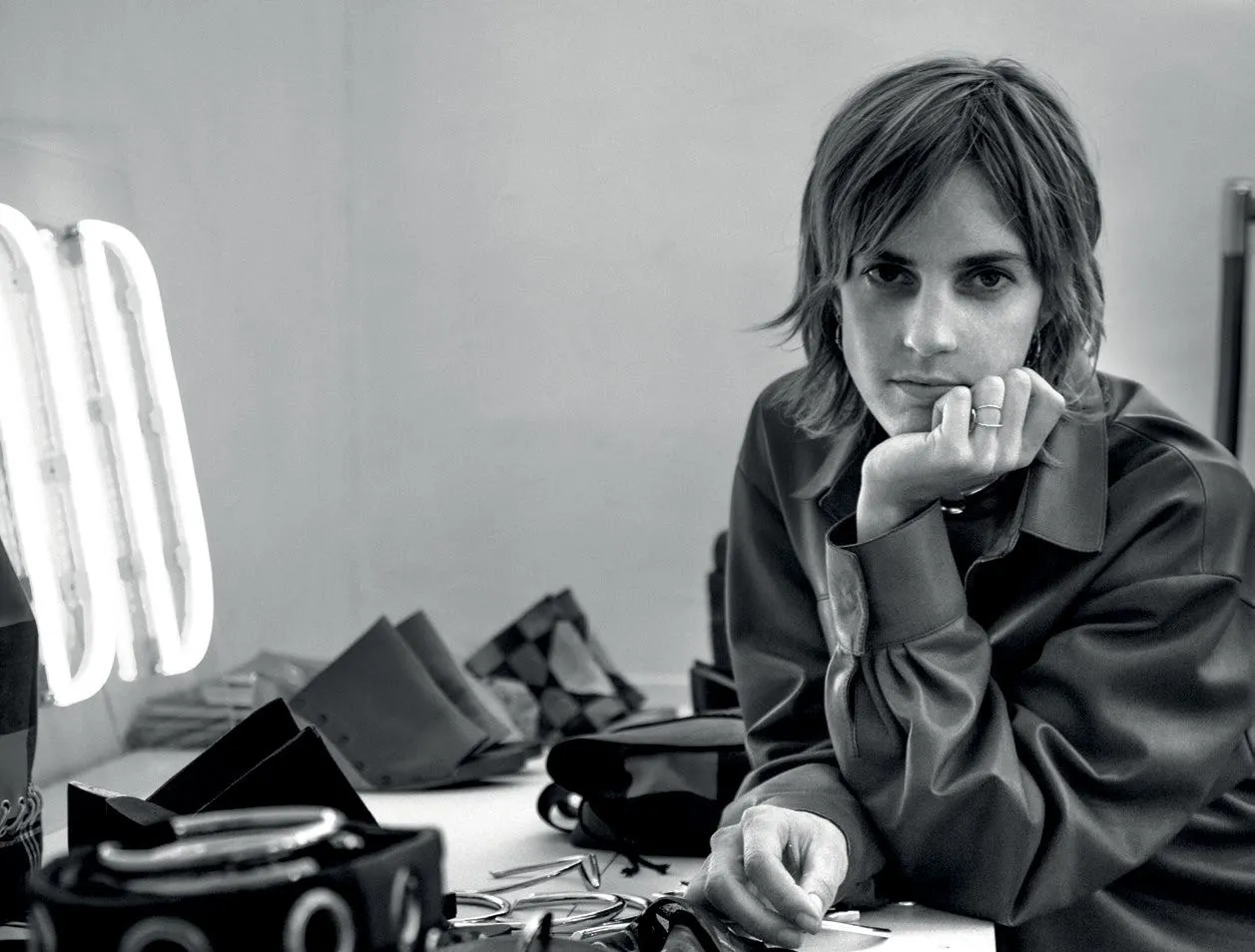




Jennifer Noble (Iris Noble): drawn to the materials
“It had been difficult to find an atelier in Paris, where I could have my designs crafted. Each bag is a unique piece when it comes to the materials used. Most of the ateliers already belong to large houses,” says Jennifer Noble, a former model, who now owns a label, Iris Noble. Her love for bags comes from her attraction for materials, especially different kinds of leathers and hides. “I want bags to enjoy the same status as fine jewellery. I want people to keep them safe and be able to pass them down to their children as heirloom,” she says. The bags that Jennifer creates are full of emotion as each of them carries the name of one of the women of her family – her mother, sisters or daughters. “I created these bags thinking of them. It is my way of paying homage to them.”
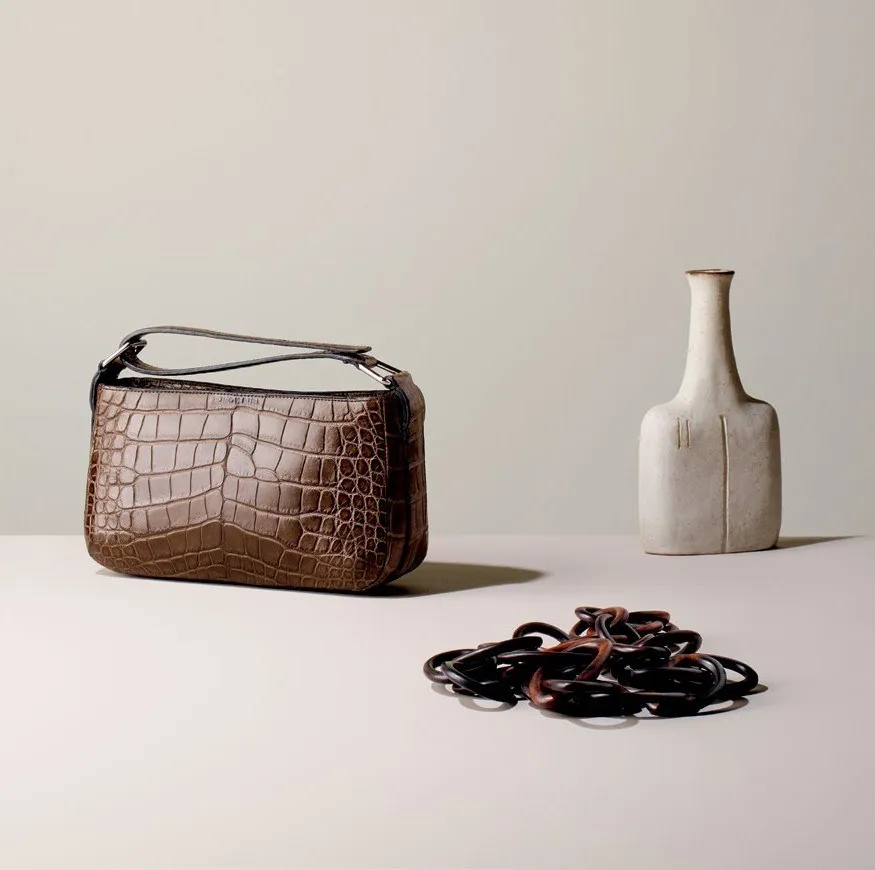
These are also bags made with an ethical approach. “We do not waste the leather and only use as little as needed. That is why I launched a line of little accessories to accompany the bags.” Her approach doesn’t end here. “I realised that natural dyes require a lot more water. I don’t know which method is the most environmentally friendly, but all of the leather I use has been legally produced and I do not place orders, but buy whatever is available in showrooms.”
 L’Officiel India DigitalRead L’Officiel India in the digital libraryEvery issue and every cover story, on TCG Media.Read now
Sonia Ahmimou (Aswad): caters to a need
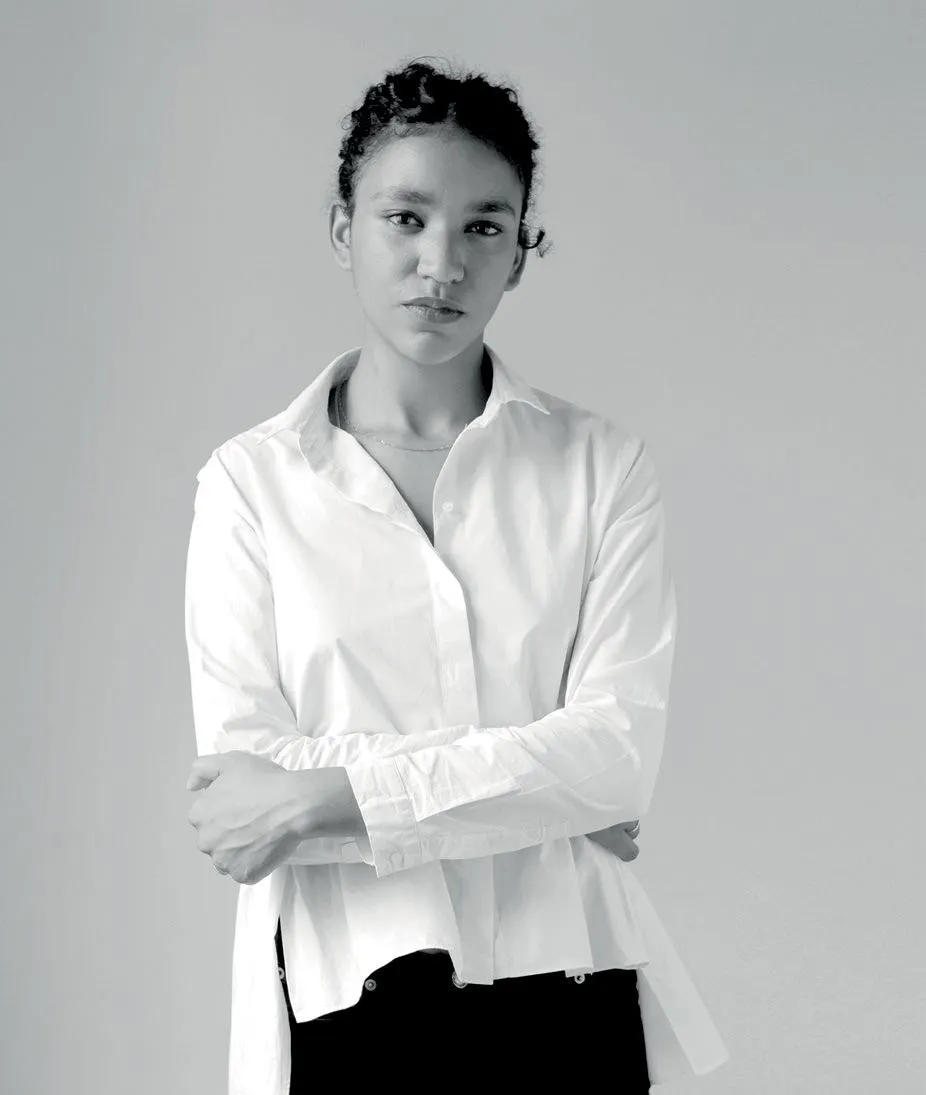
She wanted to be an architect but it was fashion that seduced her. She was trained in leatherwork while working for some of the biggest French houses such as Louis Vuitton, Hermès and Moynat. “I understood, at one point, that what I love is how fashion and architecture come together perfectly in leatherwork. There are volumes, planning, and structure. It is like a house and the work done answers specifically to a need.” In October of 2015, she launched Aswad, a creative workshop that stands not only because it puts French workmanship and craft inspired by Arab architecture in the foreground, but also because it expresses the desire of our times to procure pieces that go beyond trends and styles. “We are moving towards a fashion that is about slow consumption, which is more about quality and the desire to have products that last, even if it means putting a price to it.” Using leather that has been organically tanned, Aswad finds itself in the list of brands that grow with a truly environmentally friendly conscience. Sonia also believes that it is far from accurate to consider leatherwork as the poor cousin of fashion, as just an accessory that one can easily do without. “I would not classify leather goods under accessories because that word does far from justice to them. An accessory for me is decorative. Leather goods are a necessity. Which bag should I have for everyday use? Now that’s the right question.”
Delphine Delafon: need for personal things
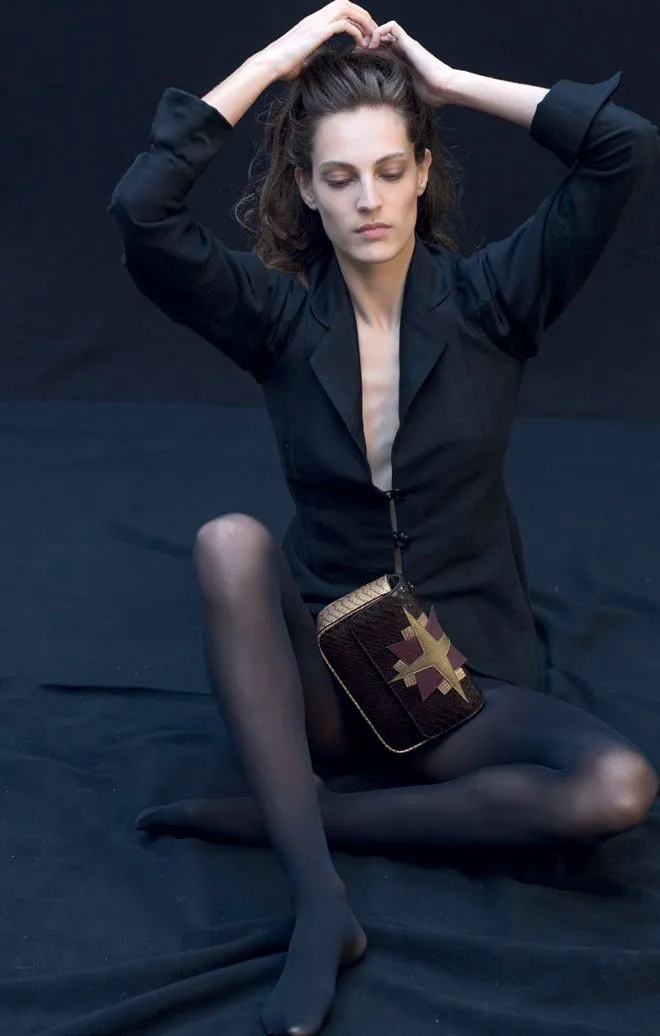
To manufacture in Paris might appear to be a royal bother; it is, however, a stray bit of good fortune that pushed Delphine Delafon to make that decision. “I never asked myself whether it would be easy or frustrating or economically viable. I produced the first 500 bags myself, and when I found I needed help it was only logical for me to look for artisans in close proximity to my studio,” Delphine says. “This Paris of old artisans is thrilling to discover. In this day and age, we need things that mean something, are personal, and where there are humans involved in the manufacturing.” As luck would have it, the designer and her brand got to know what that meant by creating a bag for her and then responding to the orders that followed, which earned Delphine a place of regard in the world of leatherwork. Once she has put together her collection, she loves to let each of her clients have their bag personalised: “I love the material, leather, the skin. What thrills me the most is the idea of having one and the same object to work on over the course of the seasons. That helps evolve the manner in which we create because we focus only on one object and find new ways to make it.”
Gabriela Hearst: beautiful meets functional
Proud of her Uruguayan culture and comfortable in her love for New York, Gabriela Hearst has created a label which is a representation of who she is. “One cannot distance me from my rural roots. I combine luxury items with rustic elements,” she says. That explains the processes and methods of creation and slow production that she has chosen, close to the traditional way. A partiality which combines the beautiful and the useful, while projecting a strong, feminine image. We feel that energy in her line of bags launched in 2016, each piece honours a woman of character, in a more than limited edition. It is the idea of timeless class that Gabriela defends. Incidentally, it isn’t the only thing she holds dear, one can look at her collaboration with Planned Parenthood, which has been under threat ever since the election of Donald Trump or even the one with Tod’s, of which a percentage of the earnings were given to an association that works for the protection of children. “You will love the product and I assure you that they have been produced through ethical processes and true values.”
Claudia Ravnbo (Maison Ravn): call out to your imagination
Kate Moss is not only an iconic top model, she also launches careers. In all respects, it was when she stopped to admire the bag Claudia Ravnbo carried in Bodrum in Turkey, made from Ottoman embroidery that she gave the artist the idea to set out on the adventure that we know today as Maison Ravn. “It was the passion for fabrics that set the brand in motion. I go to auctions and to collectors. I gifted that bag to Kate Moss and I told myself that here was something I needed to do.” When one enjoys running after collectors, the quality of material one gets is beyond comparison. Each of her pieces is unique, produced in Paris and guaranteed to last a lifetime, and is like a little work of art, she adds. Rare, precious and unique, she talks of her bags as being part of high maroquinerie and asks each of her clients to have their lucky number put on her bag – “once we have chosen her number no other client can have it,” she says. At Maison Ravn, the relationship with the client is of utmost importance. “Very often, people let themselves be victims of what fashion dictates while it is interesting to see my clients make use of their imagination. Soon, I am going to allow them to bring fabrics to me that hold meaning for them, a poem. I prefer it when people have the choice.”
From the November 2017 issue of L’Officiel India.
Spotted a mistake, or your photo used without permission? Report a correction