Meat Me Halfway
Wondering how you can eat your veggies while you have your beef cake and eat it too? Well, we got you covered.





Diets are nothing short of a rule book, except they have more don’ts than do’s. Let us illustrate, Gluten-Free more like adios, grains. Embrace vegetarianism but bid adieu to succulent meat. And if you are turning vegan, you might as well toss out your bottle of honey and your beeswax lip balm. You get the gist of it, right.
Vegetarianism is on the rise and rightfully so, processed meat ranks alongside cigarettes as a major cause of cancer, after all. Animal products promote inflammation in the body, slow your metabolism, and may even slow your immune system. Raksha Changappa, Specialist Clinical Dietitian and Nutritionist, emphasises the deterioration of meat as a contributing factor, “It’s easy to disguise poor quality meat these days, especially in case of frozen meat products. An animal which has undergone more stress will generate more lactic acid in its meat, if the acid content in the animal’s blood stream is too high, it subsequently makes it even more toxic.”
 L’Officiel India DigitalRead L’Officiel India in the digital libraryEvery issue and every cover story, on TCG Media.Read now
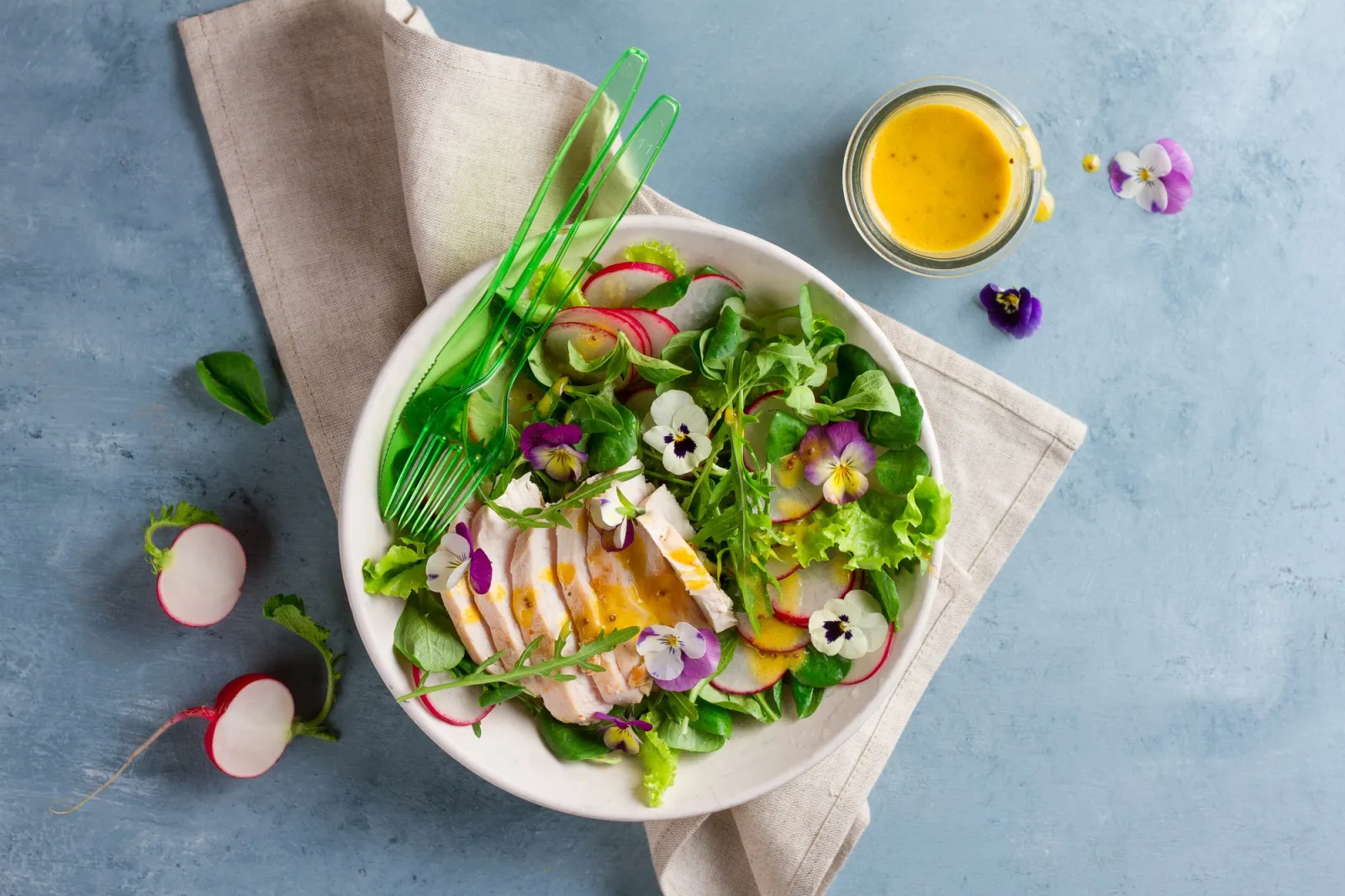
Another reason, we are headed the leafy route is that the consumption of animal products is perceived to increase blood cholesterol and heart disease whereas plant food does not contain any cholesterol hazards. Cutting down on animal protein does more than shedding off a few inches of your waist, a balanced vegetarian diet has been proven to decrease body mass index and lower your risk of high blood pressure, cardiovascular disease, stroke, metabolic syndrome, diabetes, and even cancer.
But the real question is it that you are not prepared to break up with meat but are also scared of commitments? Enter the perfect solution to the vegetarian-but-not meatless paradox: The Flexitarian Diet.
Flexitarianism is exactly what it sounds like: It's flexible, so let the word “Diet” not throw you off. While you eat significantly less meat than you used to, you don't have to surrender it completely. Nutritionist Madhuri Ruia, founder, INTEGYM explains “The basic philosophy revolves around the fact that, those who cut meat intake and increase the portion of complex carbohydrate like coarse grain, vegetable and fruit accompanied with moderate activity of 30 minutes exercise daily, weigh 15% less than those who follow predominantly meat eating lifestyles.”
Becoming a flexitarian is about adding five food groups to your diet – not taking any away. These are: the "new meat" (tofu, beans, lentils, peas, nuts and seeds, and eggs); fruits and veggies; whole grains; dairy; and sugar and spice.
While boarding the flexitarian train seems rather arduous, it’s better to take baby steps and complete the walk, than to run and stumble. If you are used to eating meat, poultry, or cold cuts for breakfast, lunch and dinner, try skipping it for one meal of the day. Stick to this resolution for at least a month or two, before doing anything more advanced like skipping meat entirely in all your meals.
“Start gradually, and build up to going meatless once a week like a meatless Monday. Reduce meat portions by half and replace the intake with dairy or soya products. Increase the portions of whole grain and vegetables and eat coarse unrefined grain to control hunger. I would like to add instead how a typical Indian diet would react to this plan. The Indian diet is rich in starchy carbs like dals, rice and wheat. These would need to be replaced by complex carbohydrates like coarse grain such as bajra, jowar and nachni. Dals must be used with skins or whole and adequate vegetarian protein like low fat tofu and skimmed paneer should be included,” recommends Madhuri.
Unlike detox diets with a shelf life, Flexitarianism is a lifestyle which promotes healthier eating habits that include more minimally-processed, nutrient-dense vegetables, fruits, grains, and dairy. It is not just about eating less animal products, but also making smart food choices in general. The biggest hiccup in an otherwise perfect arrangement is the protein myth. Most omnivores don’t think they will be able to get enough protein in their diet without meat at most meals. Nutritionist Karishma Chawla suggests “Vegetarians can get their adequate amount of protein with sources like skim milk, whey protein powders, skim curd and skim paneer to meet their first class protein need. The second option would be to add two sources like brown rice and kidney beans”
So while you are eating less meat and making a conscious decision to lead a healthier life, you would have maintained an optimal weight, decreased environmental impact, and may even lengthen your life span by almost 13 years. Wonder Woman’s got nothing on you!
Spotted a mistake, or your photo used without permission? Report a correction