Masala Library: Curry Reborn
The world loves a maverick, especially one who marries Amritsari fish and rogan josh with methyl cellulose and soy lecithin. At the forefront of the progressive home-grown cuisine revolution in urban India, Masala Library brings back the oomph and intrigue to fine dining.





On a weekday afternoon at Mumbai’s tony Bandra Kurla Complex, Masala Library is playing to a full house. Corporate meetings are being held over smoking stone plates, expats are engaged in deep conversation with the staff over the provenance of a kokum-glazed mutton champ and ladies who lunch click selfies with the restaurant’s signature delight—paan-flavoured candyfloss.
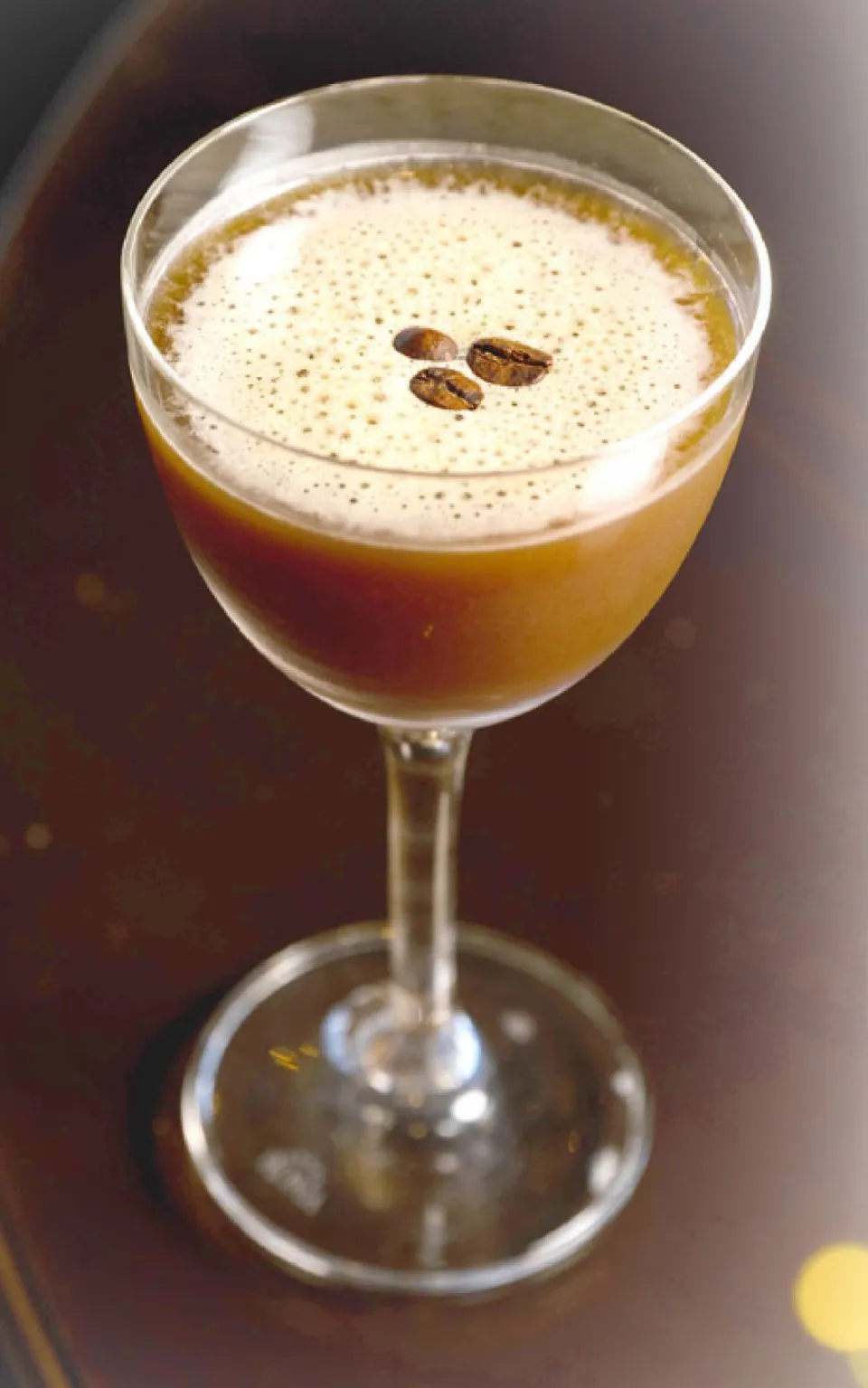
Masala Library by Jiggs Kalra is the torchbearer of Progressive Indian Cuisine—the current craze in fine dining. It’s a resounding comeback for the zillion times one has cringed upon witnessing the endless spectrum of Indian cuisine reduced to a chicken tikka masala and vindaloo. Sipping on a Virgin Margarita with Burnt Curry Leaves, one wonders why this resurgence took so long in the coming. For decades, our cuisine, undeniably one of the world’s most flavourful and complex for those in the know, has been stuck in a rut, whether it’s from the North, South or West (never mind the East, that’s a whole new epicurean mutiny brewing on the horizon).
 L’Officiel India DigitalRead L’Officiel India in the digital libraryEvery issue and every cover story, on TCG Media.Read now
The Noughties saw globe-trotting Indians discover world cuisine with the enthusiasm of a child steamrolling through Disneyland. We fell in love with molecular gastronomy and waited for weeks to bag tables from Madrid to Melbourne dotted with smoking beakers and paté masquerading as tangerine bonsais. It was inevitable then, that the discerning gastronome eventually landed home—around the time that Sabyasachi trumped Chanel—to apply that beguiling combination of art and science to the wealth of our own produce and recipes.
There’s a legion of young chefs who can stuff samosas with duck liver and turn meen moilee into lollies without being labelled attention-seekers anymore, but it’s altogether a different brand of legit when the experimentation comes from the mother lode itself. Masala Library’s door bears the name of India’s most celebrated food historian and gastronome, Jiggs Kalra.
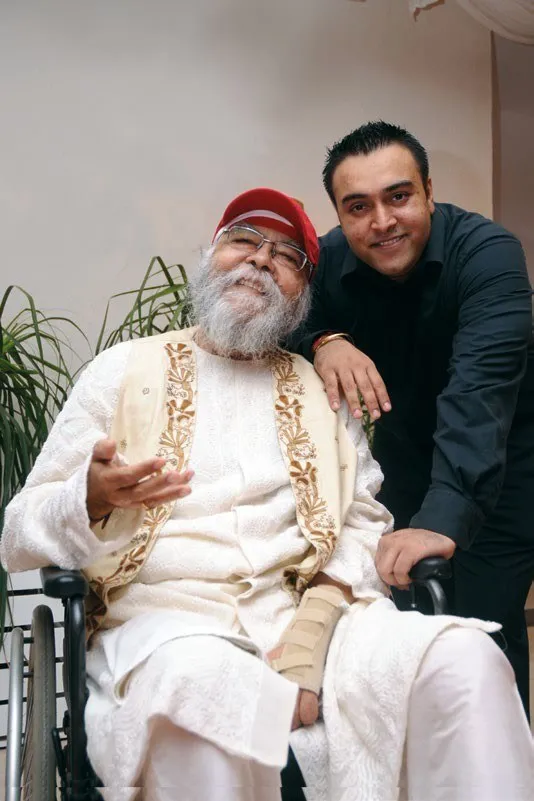
A traditionalist and perfectionist—given to rant against the murder of biryani by amateur cooks, Kalra began writing on food in the 70s much before anyone with an internet connection could. When a restaurant ‘playing’ with Indian cuisine has his stamp of approval, it’s a promise of consistency and authenticity. The experimental drive has come from his son, Zorawar Kalra, who was inspired by molecular gastronomy eight years ago on a honeymoon dinner at El Bulli in Spain. While the flavours hadn’t exactly blown him away, the theatricality and element of surprise in every course made a huge impression. “It was a market waiting to erupt in India, but nobody wanted to take the plunge,” Zorawar recalls. “Even when we launched Masala Library in 2013 with 150 dishes culled from more than 500, it was still a gamble.” The senior Kalra was apprehensive to begin with. There were ‘Punjabi-style’ yelling matches across the test kitchen counter—but he quickly threw himself into the innovation with characteristic gusto, establishing a democratic creative process across their rapidly growing company, Massive Restaurants.
Masala Library still boasts of a three-week waiting period and Zorawar intends to “keep reinventing and stay on edge”. Both Masala Library and its younger capital cousin Farzi Café will soon set up outposts outside the country. “India is always a few years behind the curve,” he admits, fully determined to make up for lost time.
You, me and a luxe laboratory
For all its theatricality, progressive Indian cuisine isn’t all about just fooling around with food; it’s changing the way we dine and eat out. As restaurant kitchens turn into swish laboratories, dining rooms are becoming increasingly interactive. Leisurely pacing through lunch at Masala Library, I develop a natural camaraderie with my server, Vaidyanathan, and Chef Dhwani Agarwal, who pop in regularly for feedback and to answer my incessant questions.
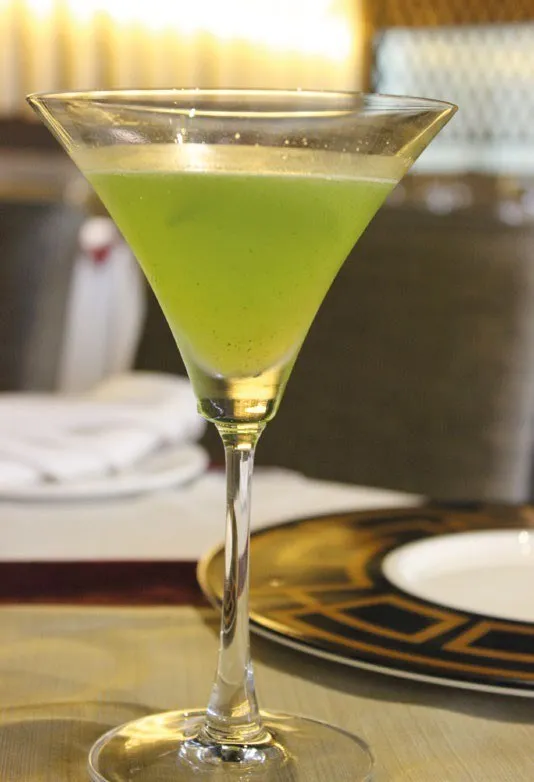
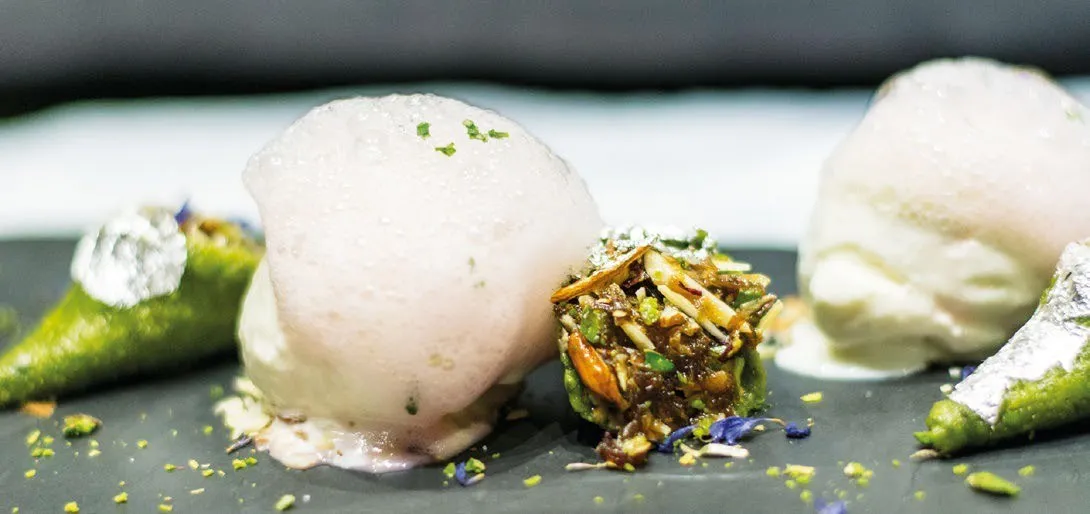
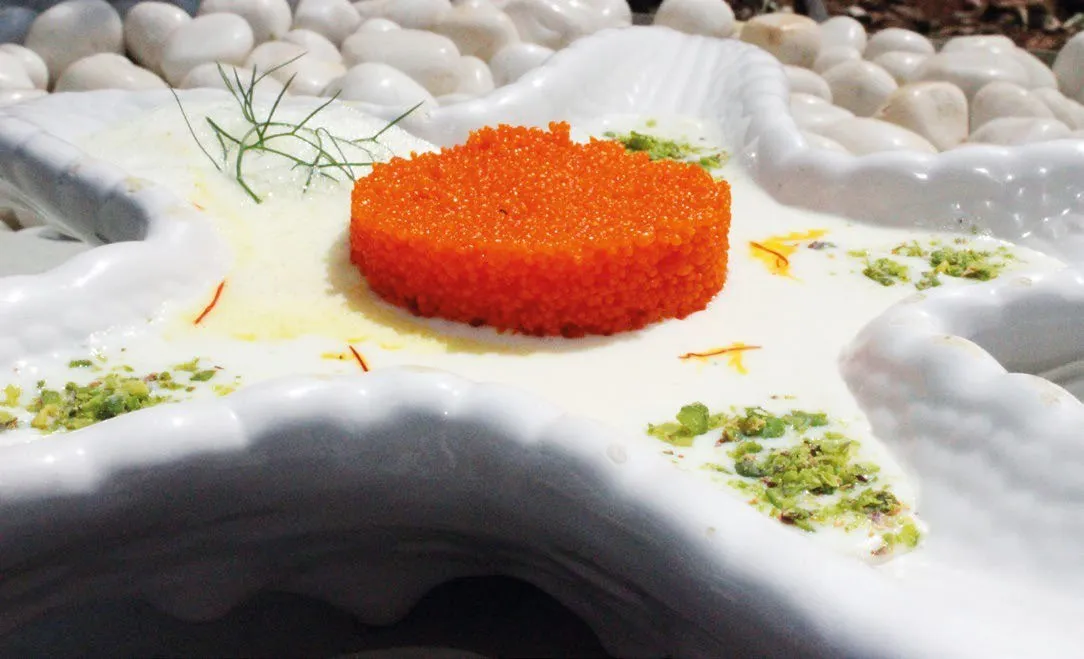
From the spherification technique behind the amuse bouche of Thandai Spheres exploding gently in my mouth to the addictive Wild Mushroom Chai—preceded by a ten-minute conversation on how maltodextrin turns the fatty truffle oil into powder, there’s much talk and exchange of thoughts. I exult in curry-leaf accents—it adds a burnt piquancy to the Martini and dominates the salad, Pepper Prawns with Thayir Sadam and Banana Crisps. The Bacon Wrapped Tandoori Kashmiri Morels with Dry Chardonnay Carbonara are divine, though the Braised Mutton Champ with Maple and Kokum Glaze is overpoweringly sweet for my taste buds, a personal preference that’s quickly noted. The mains are less whimsical, more robust; Kashmiri Chilli Duck swimming in Aloo Bukhara Qorma with fragrant pockets of Prawn Balchao Kulcha. Desserts, my bête noire, unleash a scientific storm. There’s the Jalebi Caviar with Saffron Glaze and Pistachio Rabri—a Masala Library signature and a personal favourite of Zorawar’s, and a nutty, chewy Pista Paan with refreshing coconut ice cream and rose foam. And those creamy Mishti Doi Lollilops! I’ll have two to go please, along with a kitchen chemistry kit for the convert.
Quixotic quartet
Along with Masala Library, we pick three contemporary Indian cuisine brands that have and continue to successfully innovate and modernise Indian cuisine.
Indian Accent Chef Manish Mehrotra and his six-year-old Indian Accent in New Delhi have positioned themselves as darlings of contemporary Indian cuisine in the country and beyond. A champion of local produce elevated by technique and the prettiest of plating, Mehrotra’s Duck Khurchan Cornetto, Desi Daru Reduction and Pulled Pork Tacos are the stuff of urban Indian food legend.
The Bombay Canteen Bandra boy Floyd Cardoz enthralled diners at New York’s Tabla and North End Grill, and introduced Americans to the joys of upma before setting up The Bombay Canteen in his home city. Cardoz’s love for sexing up desi ingredients like green bajra, Amaranth leaves and mugri (rat-tail radish) with quirky, retro-luxe visual appeal is currently the toast of town.
Ziya Five years ago, Michelin-starred chef Vineet Bhatia brought his world-famous chocolate samosas to Ziya at The Oberoi in Mumbai. While diners took their time to warm up to the restaurant, its Chicken Bisi Bele and Dahi Bhalla ice cream are now wildly popular.
From the June 2015 issue of L’Officiel India.
Spotted a mistake, or your photo used without permission? Report a correction