Legends Abode
I like mystical tales. They aren’t adult stories and weren't children's stories. They are better than that. They are legendary…





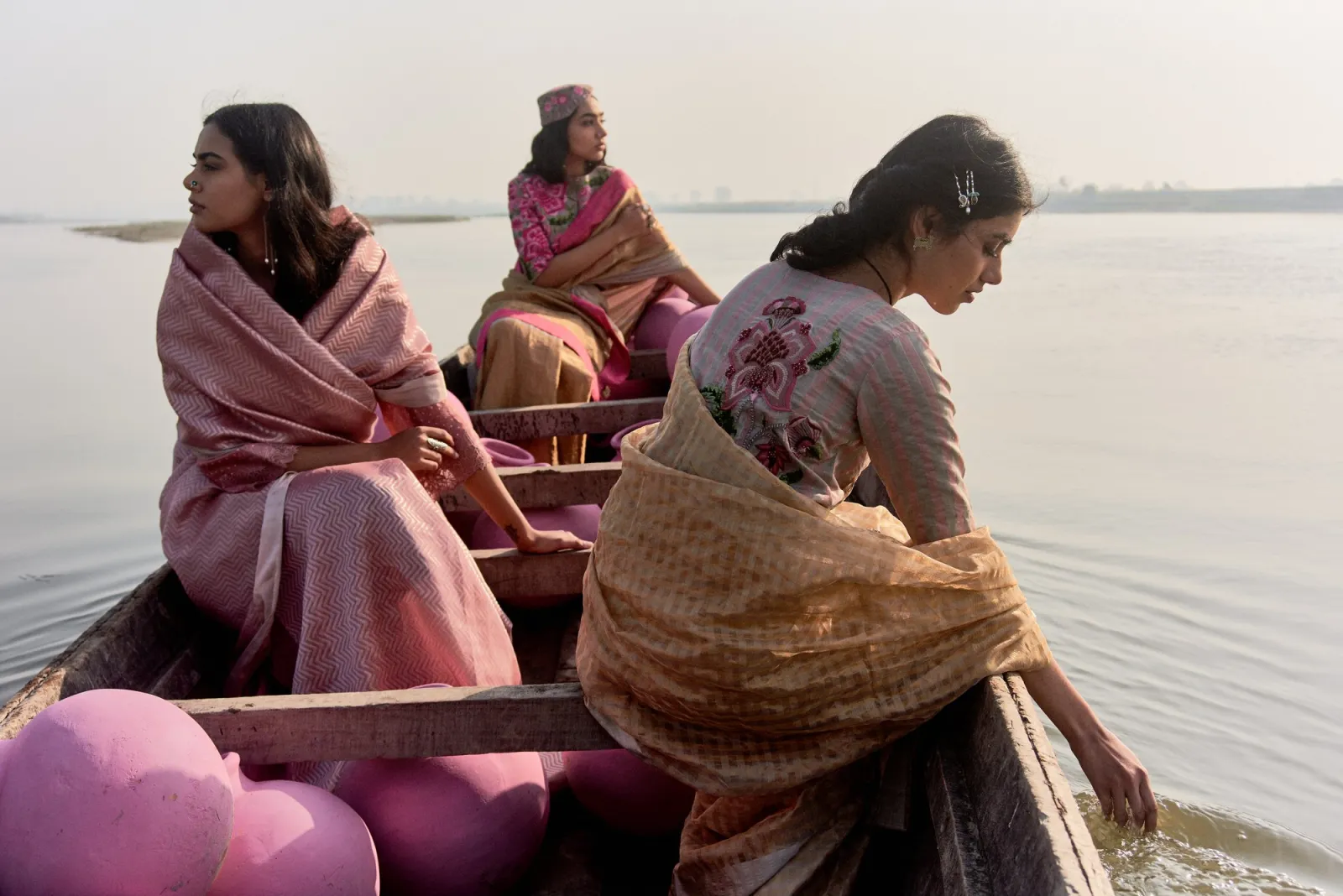
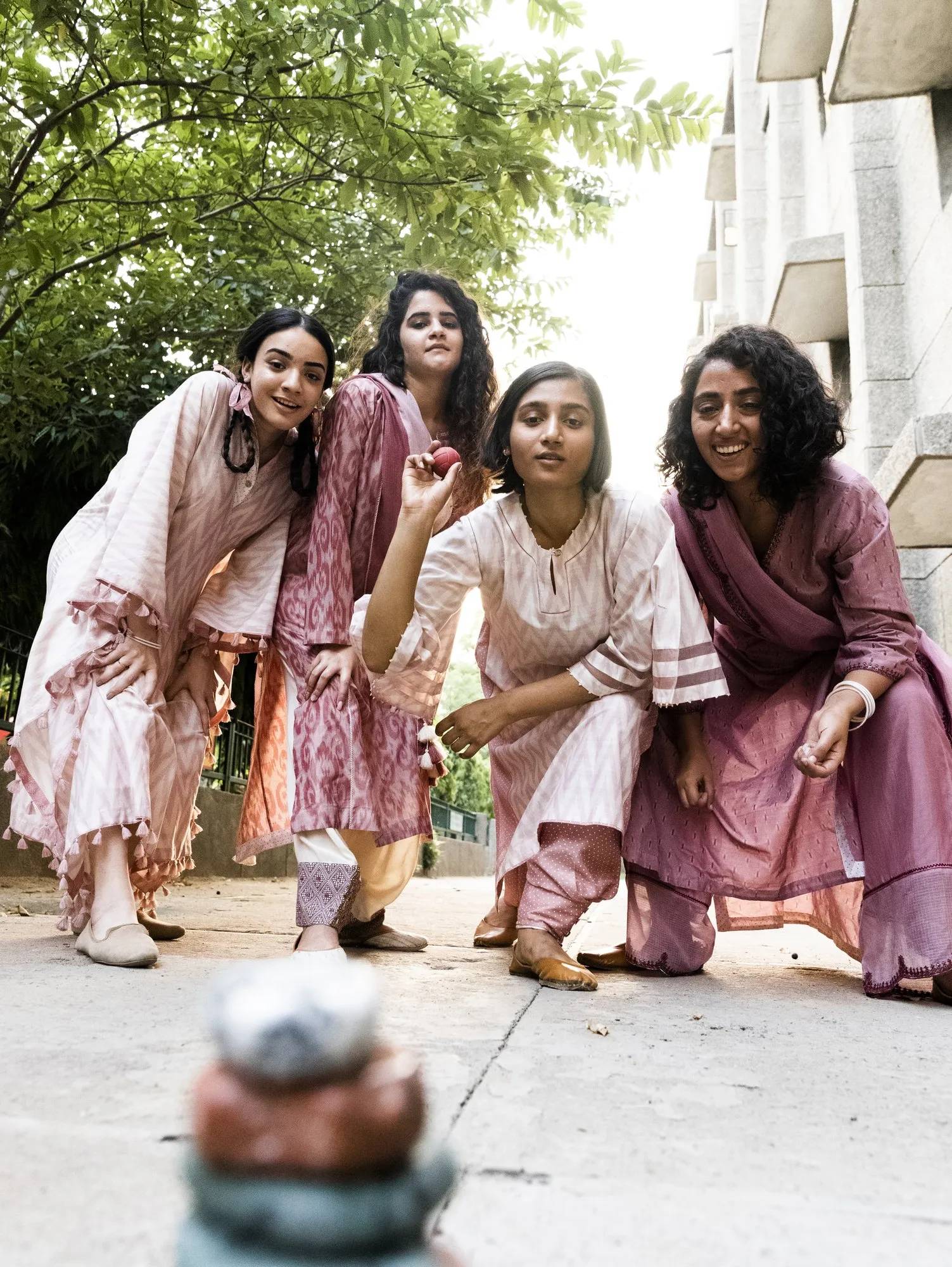
Only a year-long journey has paved the way for a young designer to showcase his creative finesse. Torani stands for handcrafted luxury inspired by the myriad tales of Indian mythology. The label is a potpourri of all things nostalgic that binds us with a memory that has been long forgotten. It is a quintessential search to revive old weaves, art and textiles and reimagine them for future generations.
We speak to the design genius behind these ensembles Karan Torani to dive into his method of crafting dreamlike silhouettes. Edited excerpts…
 L’Officiel India DigitalRead L’Officiel India in the digital libraryEvery issue and every cover story, on TCG Media.Read now
How did the journey of fashion designing begin for you?
Post my schooling in Delhi, I always dreamt of joining FIT New York to pursue my education in design but our financial situation at home did not allow me to make that choice.
Luckily, I got a 100 per cent scholarship at Pearl Academy, New Delhi, and was saved, as otherwise choosing fashion as an education can be really expensive, I topped my batch for all four years.
Your designs are a reflection of the rich cultural heritage of India. How do you incorporate the traditional vibe in your collection?

My journey as an artist began when I was 5 and wanted to touch and feel fabrics that my amma collected from Chanderi weavers. I was fascinated when she told me how her saris were handwoven and every thread was mercerized before they tied it on the loom. Years later my passion for craft spiralled when I travelled through the country alone, finding stories and documenting them over the years. I took a break every year between my jobs to travel and find my true calling.
From Bhujodi embroideries in Gujarat to Madhubani paintings in Bihar, and from Chanderi weaves in Madhya Pradesh to Paithani weavers in Aurangabad. I mapped the country on local buses and trains until I found the courage to quit everything and work towards my label.
Your creations are synonymous with the imperial touch in fashion designing. Take us through your inspirational board that creates such regal finesse.

My brand transpired from a very personal space of saving my own history and culture. The name ‘Torani’ is that of a Sindhi community. During the partition between India and Pakistan, our culture somehow lost its soul. Sindh, the city now falls within Pakistan's territory, and much like Punjabis, Sindhis are scattered all over the world.
My dream is to celebrate the prismatic culture of Sindhis and how our tribe has a potpourri of cultures that takes elements from Punjab, Pakistan and India all into one.
Simplicity is elegance and this motto bodes well with your designs. What inspires your design process?
Growing up, I used to visit Bhopal every year, as it was my mother’s hometown. I remember spending those afternoons around my grandmother’s home and watching her do household chores wearing simple chanderi saris. She hailed from Madhya Pradesh, so the choice of fabric was only natural. She had a certain radiating glow that stood out amongst all. How she tied her hair up, the way she spoke in Sindhi with the finest dialect and would make fresh pan at home after dinner. Almost everything about her had me fascinated.
My clothes are a part of that hazy memory while I was growing up. About finding my grandmother, about finding her love for chanderi, and about finding myself through her.
Handicraft plays a major role in defining your design language. How is your label contributing towards the handicraft industry of the country?
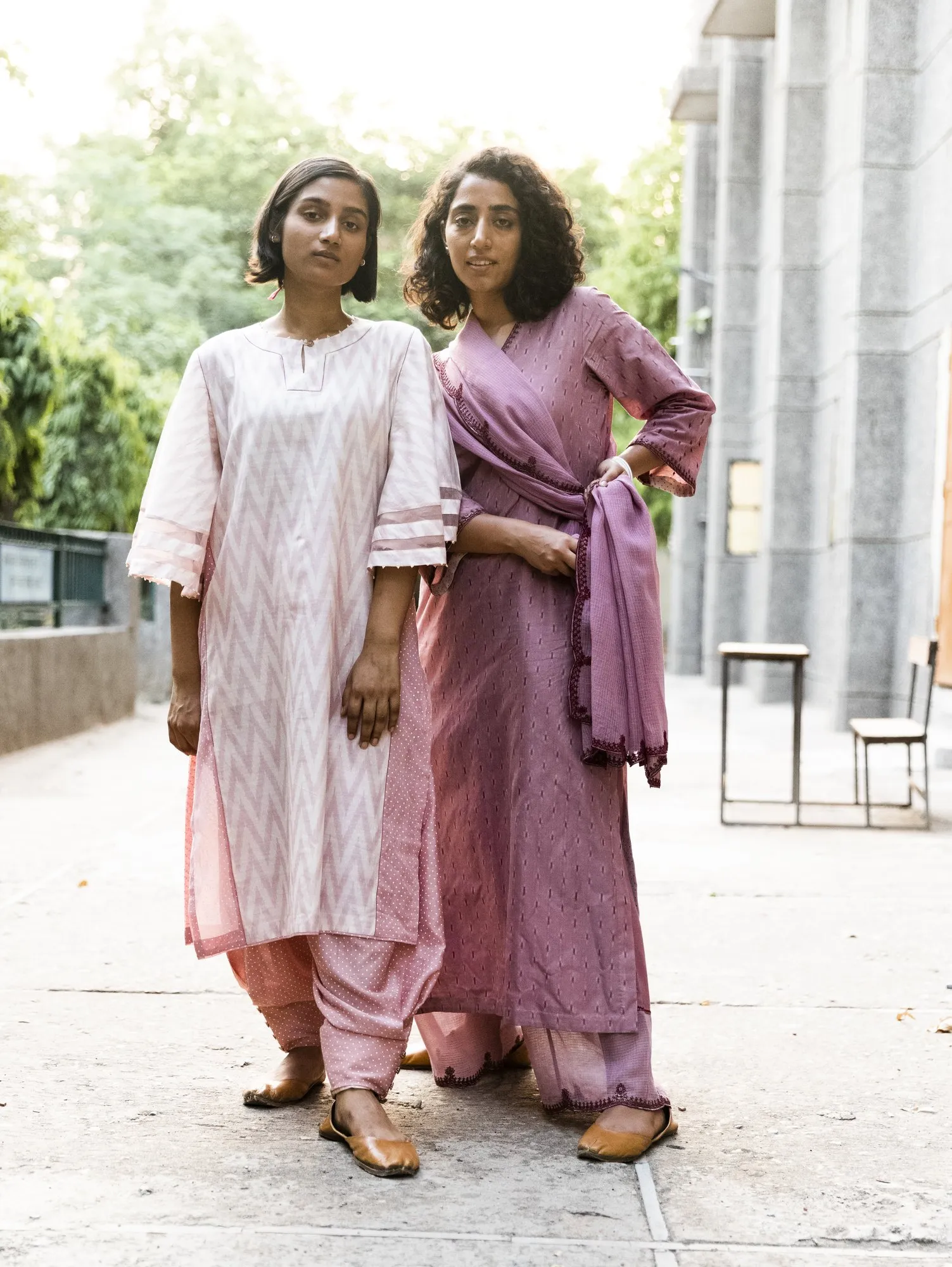
We currently employ over 200 craftsmen across the country – weavers, hand embroiders, drawing artists, chintz painters and block printers. For a brand that’s barely a year old, we try our best to give fair and timely wages and provide them continuous employment and giving sufficient work each season.
The royal logo of Airaavat represents your eponymous brand. What role does it play in defining your designs?
Growing up in an average Delhi family, learning the heroic tales of Hindu gods & goddesses from your elders was a usual routine.
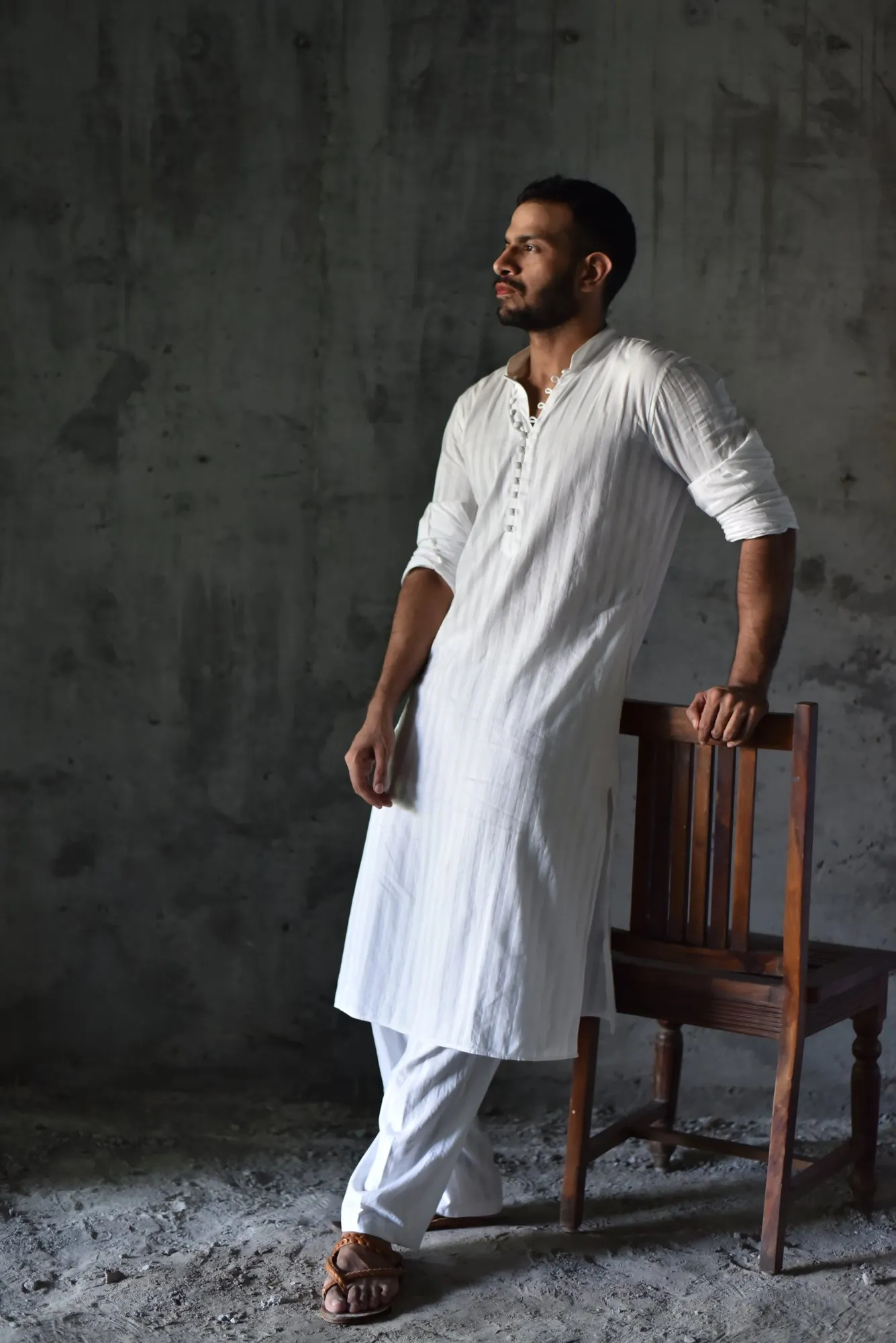
The fables of Indian mythology and its legendary characters had a deep resonance with me. One such divine tale was about Airavata. The seven-trunked white elephant that flies in the skies and showers rains with Lord Indra.
The Devtas and Danavs got together to churn the ocean for 'amrut' - the nectar of immortality. Using the serpent Vasuki as a rope and Mount Mandrachal as the churning-rod, they churned out 14 precious items from the ocean, each of which is claimed by either the Devtas or the Danavs. Airavat was claimed by Indra. It was one of those many characters that found a lasting impression on my mind and somehow became a symbol of nostalgia and our logo for Torani.
Fashion is defined as an evolutionary process. Is there an evolution from your perspective? Would you describe it as degrading or uplifting in today’s world?

The biggest evolution in fashion has been the idea of making it more and more inclusive. Social media has played a huge role in making that happen. Today, any launch of a product by any designer can be easily communicated to their consumer. For a young label like ours, it is definitely a huge boost.
What do you think would be the biggest upcoming trend that will change the Indian fashion industry?
Regaining our lost interest in culture and stories. Of finding our roots and looking within rather than the outside for inspiration.

What next can we expect from this power fashion label?
What I hope to create are timeless heirlooms that women cherish for years to come. The idea is to create classics that last you way beyond a season and evoke a personal love affair with the garment that tells your own story.
My brand is not just about the clothes we make, but the stories we narrate. And as I unfold each tale, I hope women wear and hold a part of that story within them and save it for the future.
Spotted a mistake, or your photo used without permission? Report a correction