Lange
Suggested Headline: Second Base (PB wont approve)




My first luxury watch was a gift. It was a graduation ‘present’. A piece of advice: Always read the fine print that comes with such offers. Mine was: In order to be eligible for the watch I want, I had to meet all the conditions on grades and scores. In short, I had to earn it.
That was many years ago. Even though time changed, my watch never has.
 L’Officiel India DigitalRead L’Officiel India in the digital libraryEvery issue and every cover story, on TCG Media.Read now
Today, in the age of smart watches, the last thing that you need from a timepiece is for it to tell time. You have smart phones to do that for you. For many, the watch is an accessory to tell you how many steps you walked a day, count your pulse rate, keep track of your ovulation period, the amount of fat you burnt while at the gym, your music player on biking track. Timekeeping is incidental.
This is the line where the world divides into time zones of another kind.
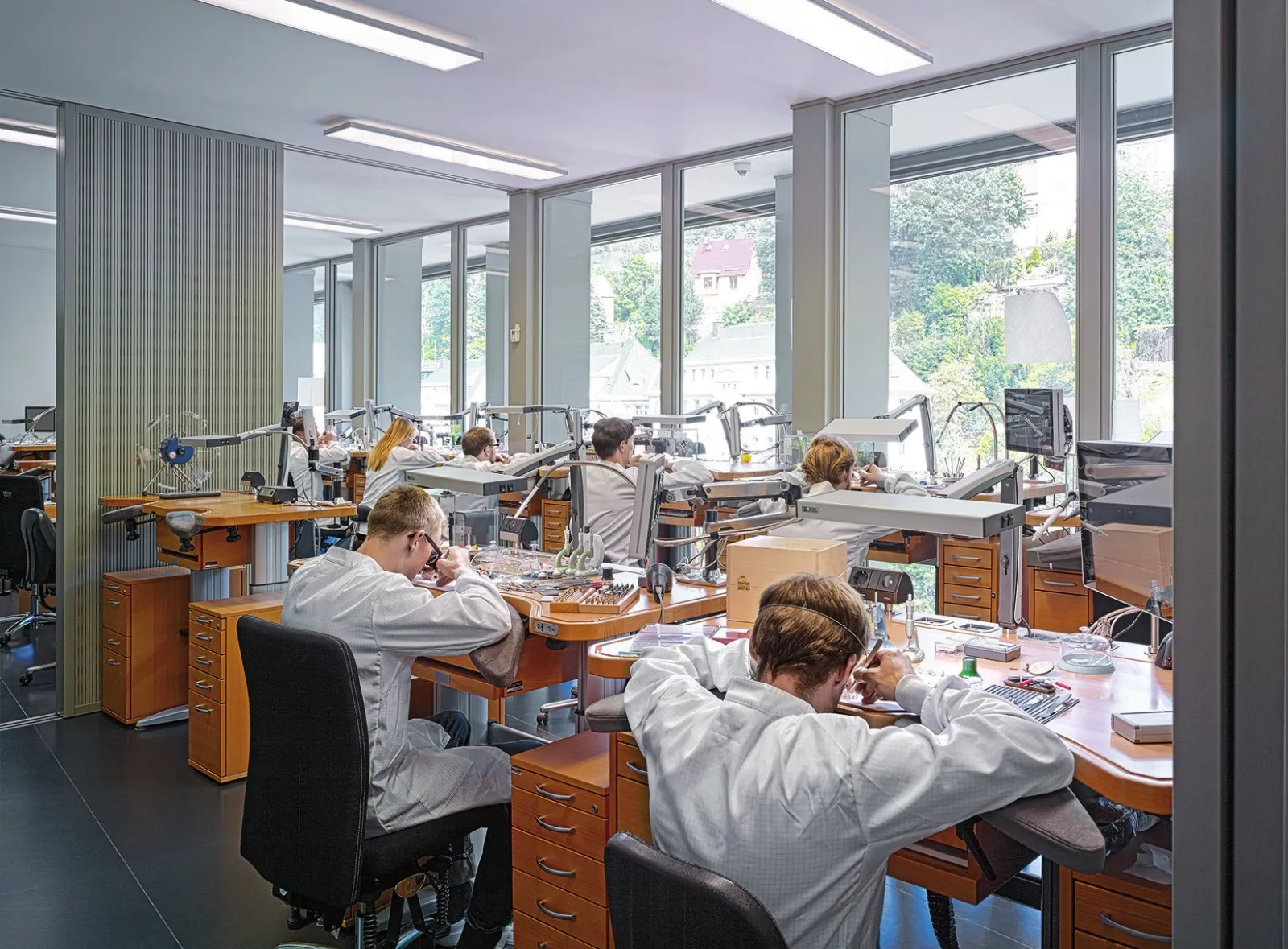
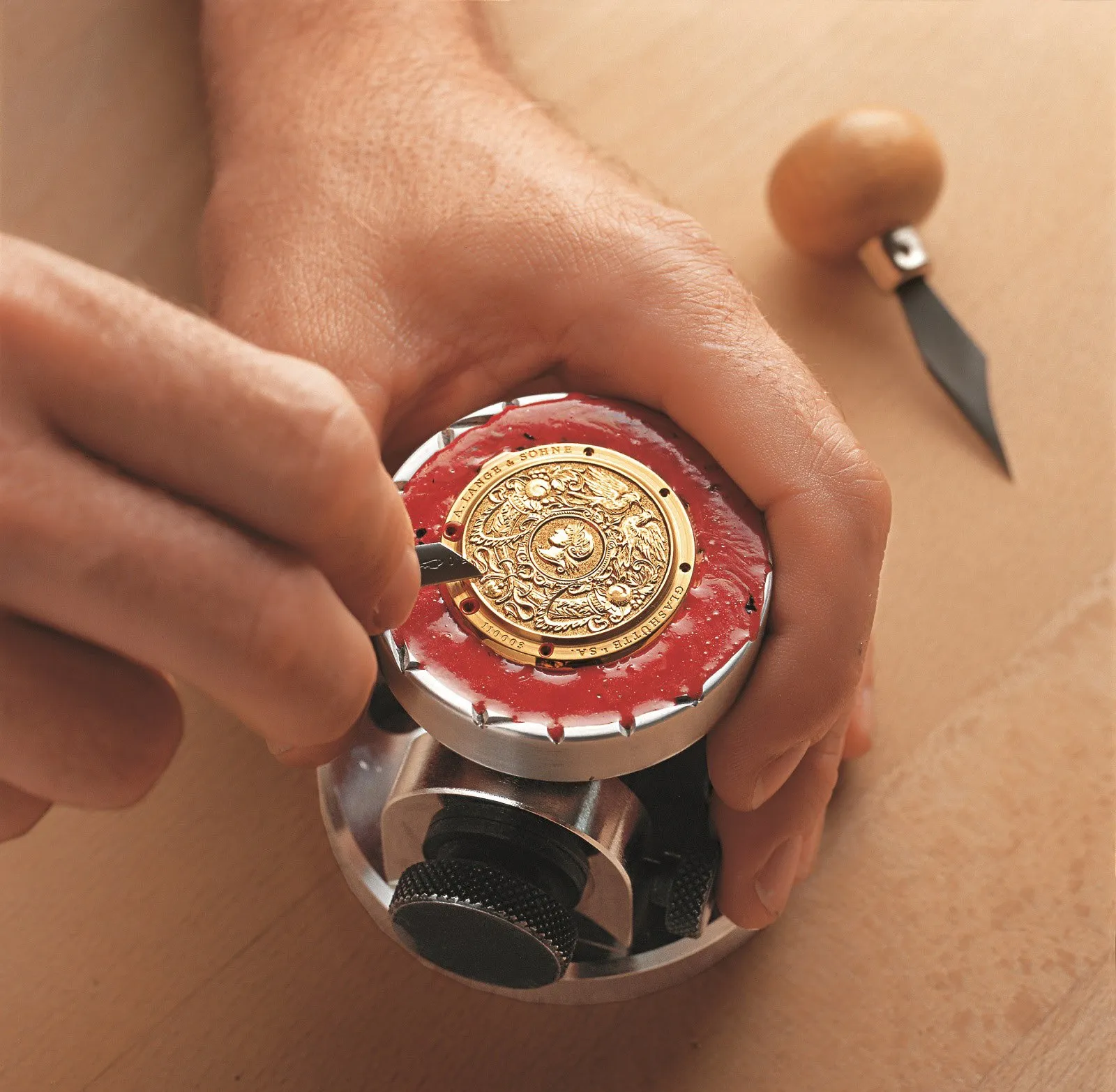
A zone where unknown artisans sit inside vacuum-controlled labs in little unheard of towns work meticulously with their magnifying glasses chipping away on a microscopic piece of mother-of-pearl that can then be screwed on to the bezel so that you can know the various phases of the moon at the blink of an eye. The only difference is that it takes more than a blink to make the moon on your precious dial move in tandem with the real fellow up in the sky.
Then there is the other zone where a watch is not a jogging partner. It is a work of art. It is about precision. It is about pride. It is about memories. And yes, it is about time. This part of the world is inhabited by the few who appreciate the value of time.
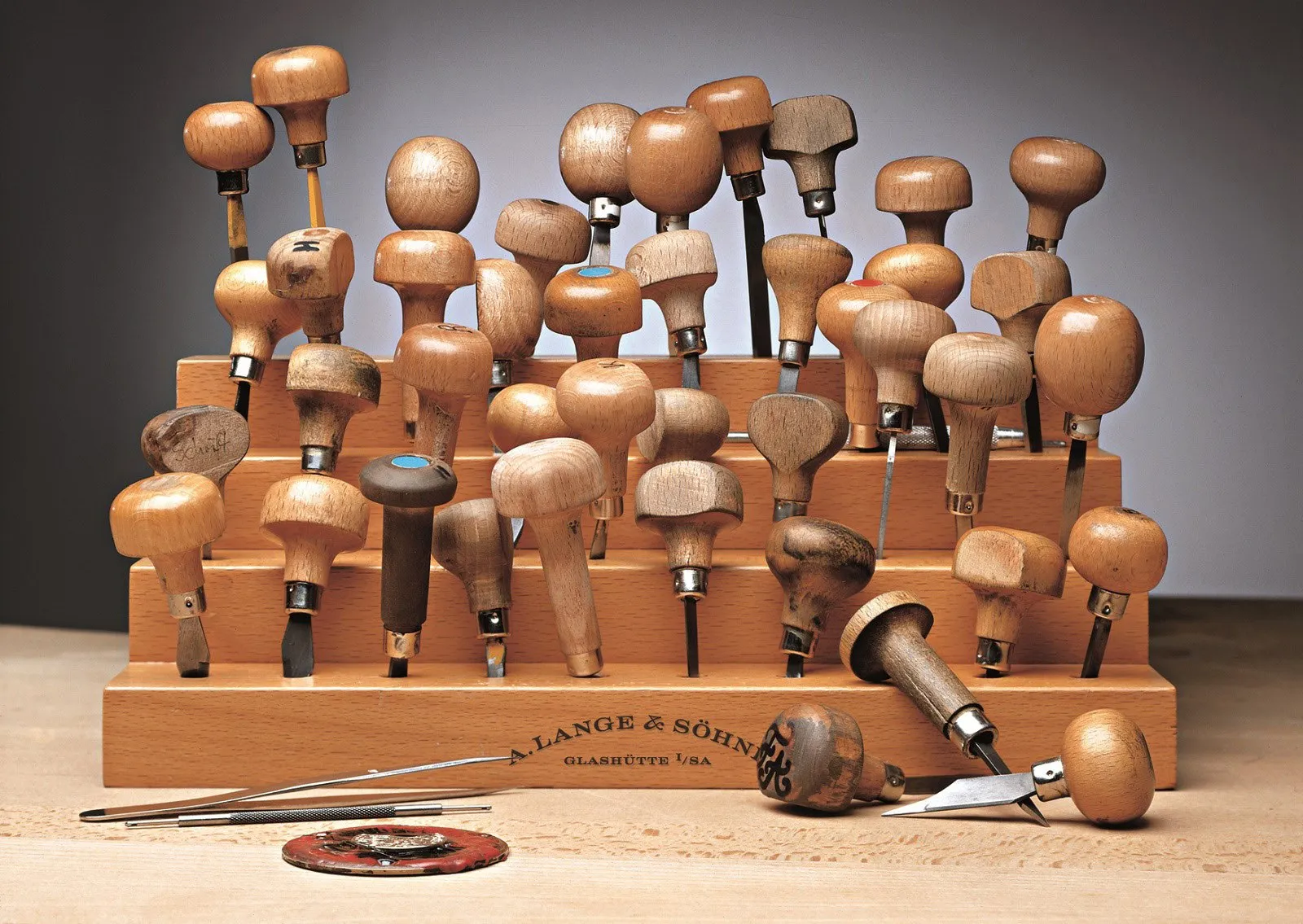
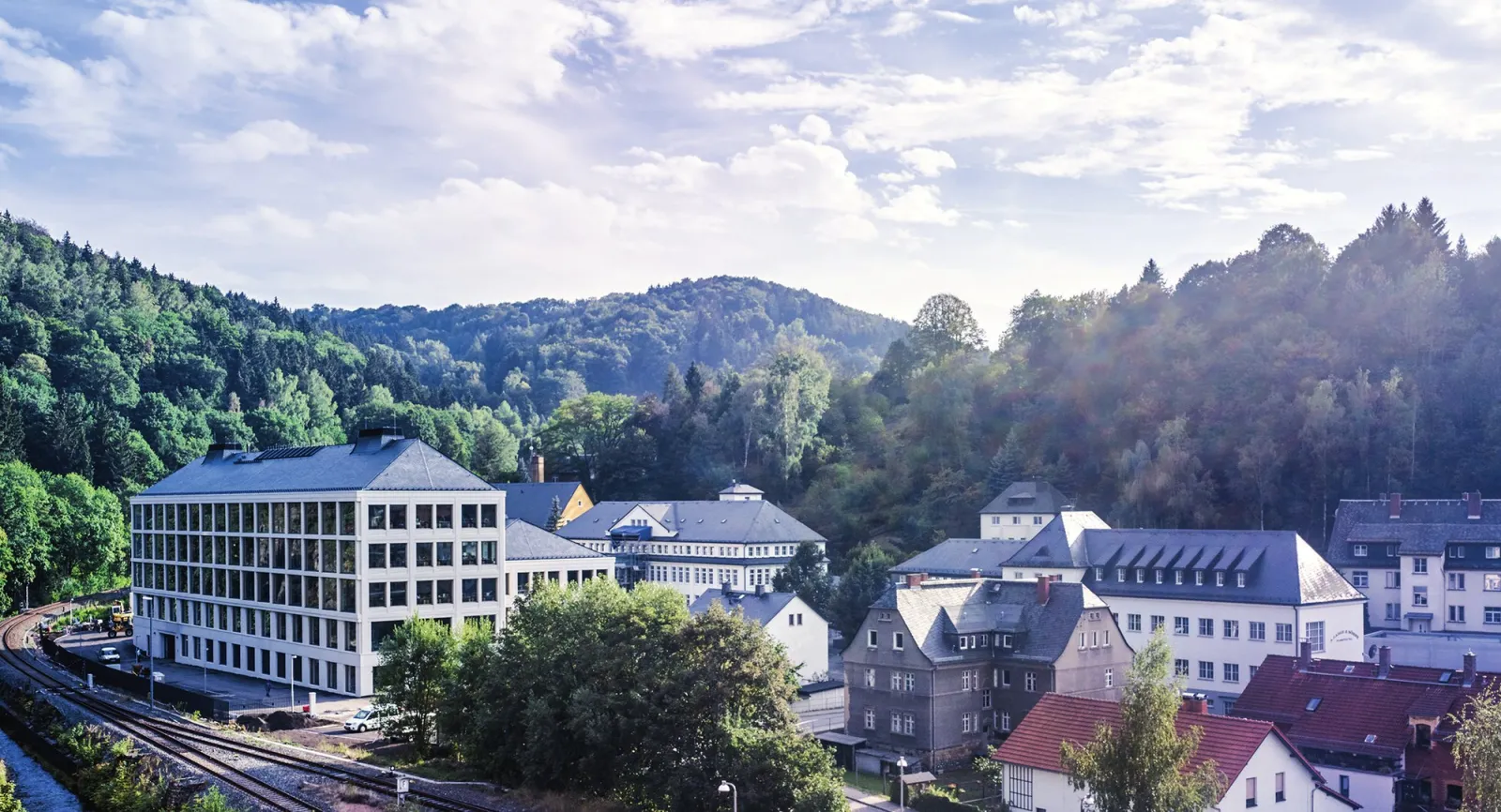
I did. In a small town called Glashütte, near Dresden in Germany, Saxony. It is the hometown of A. Lange & Söhne, where watch-making is not about being smart but about art. It is precision and innovation. The bus drive from Dresden to Glashütte is pretty much like any drive across the small towns of Europe. The narrow winding roads flanked by trees shedding their Fall leftovers, small chalets with bright flowers on their window sills, and as usual little to no sign of life.
You jerk back to reality when you have suddenly stopped at a modern building, quite naturally in the good old German Bauhaus style, casually rising among the old buildings around it. This is where the present and history merge in a moment. A. Lange has converted buildings that were destroyed during the war into watch labs, thus making an entire campus of various specialised labs. Little would Ferdinand Adolph Lange have thought his pocket watches would literally turn timeless when he founded the company in 1845.
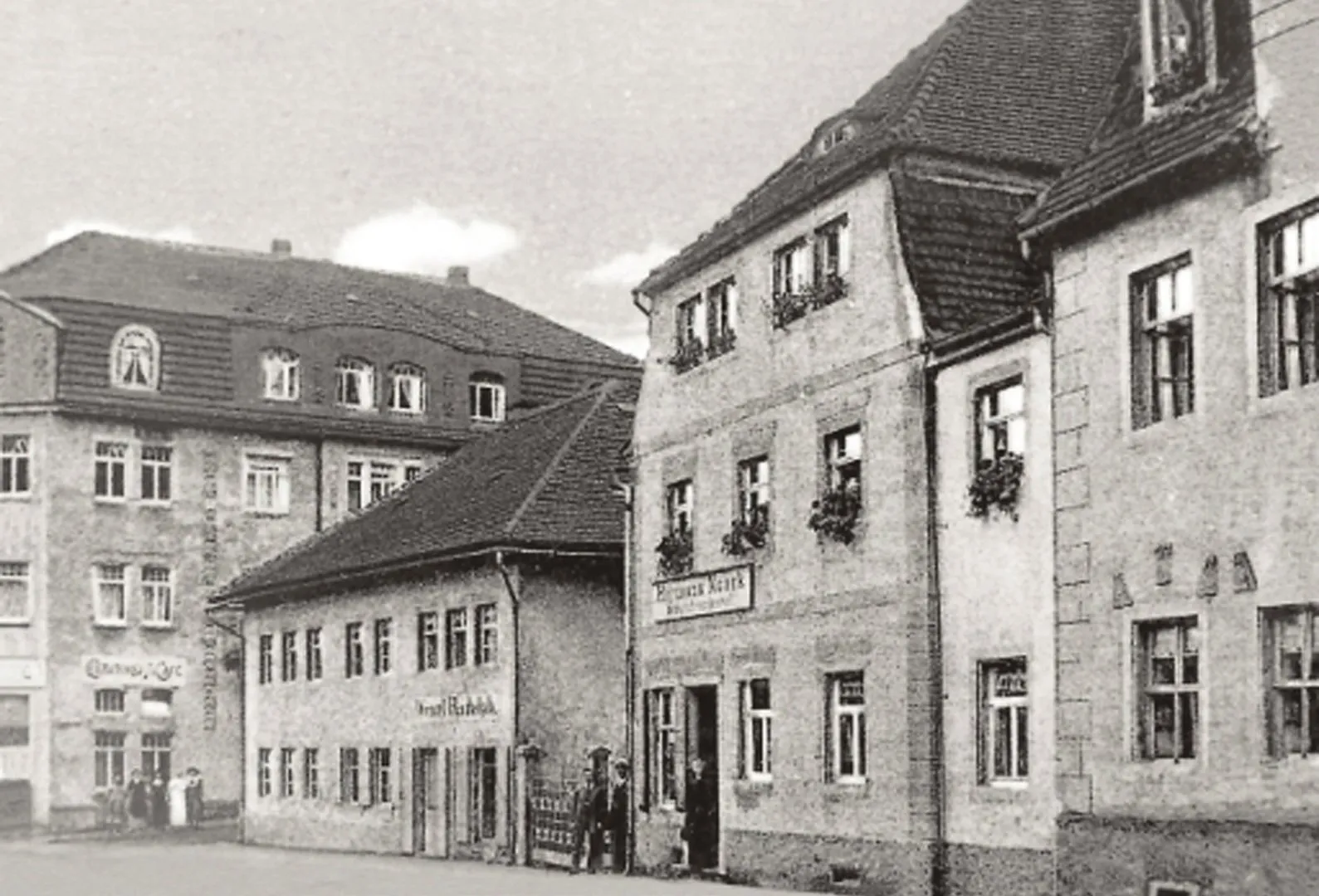
Much of that credit goes to his sons Emil and Richard, as they kept the tradition of making pocket watches. It was eventually, during the World War-II that the company began making oversized wrist watches for German airmen as it was difficult for them to look at pocket watches while flying. They needed something that could be tied to the wrist. Voilà! The Lange wrist watch was born.
It was a busy time at the Lange labs when we checked in. The team was gearing up for BaselWorld 2017 in Switzerland, the very land of watch-making. “But Lange always has a few secrets up its sleeves for the big show,” says CEO Wilhelm Schmid.
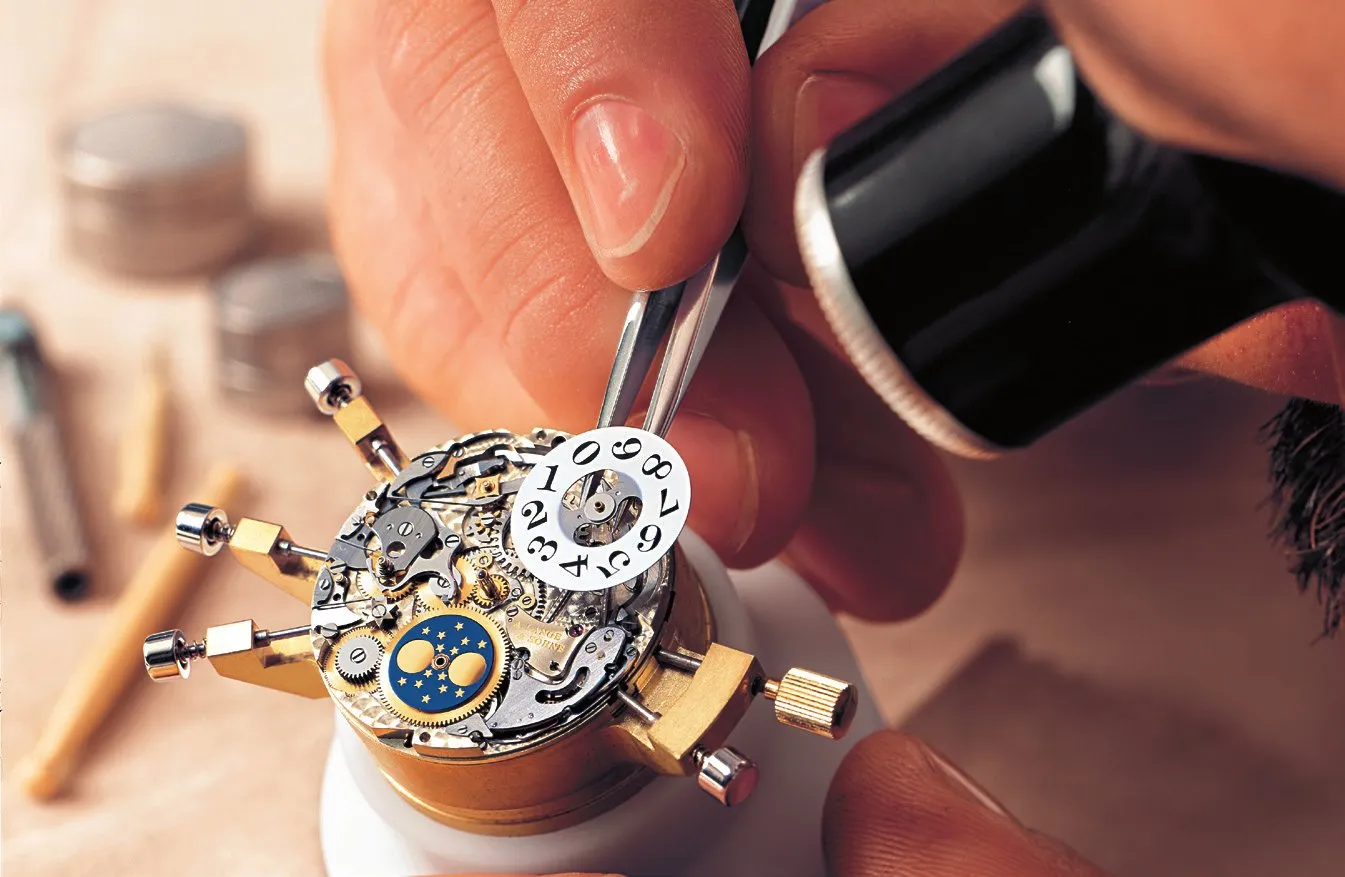
“We do not compete for volume nor are our watches meant for those who do not understand the art of making timepieces. Lange values its customers not in the clichéd manner. For example, we have what we call the Lange & Sohne Club. They are watch connoisseurs from across the world. They are not looking at how many diamonds or sapphires are encrusted on the watch. For them, it is about owning Lange and those who understand the German tradition of timekeeping know that a German watch is way superior to any other even if they don’t see a single diamond on it. They are paying for what goes inside the watch be it tiny gems or precious metal, and we want to give them whatever will make their life easy,” he adds.
For instance, the famous Five-Minute Watch clock at the Semper Opera House in Dresden was created for King Frederick Augustus II of Saxony. He was a theatre lover who frequented the Opera House. As pocket watches were the popular time-keeping devices in those days, members of the audience kept checking the time on them missing crucial parts of the story being played. So Lange gave them a clock and placed it right above the stage (where it still stays) saving them the effort of looking at their own watches. Says Wilhelm, “Our watches are not for the ‘show off club’. Our watches are meant to be used and useful, and hence we are always under pressure to innovate.”
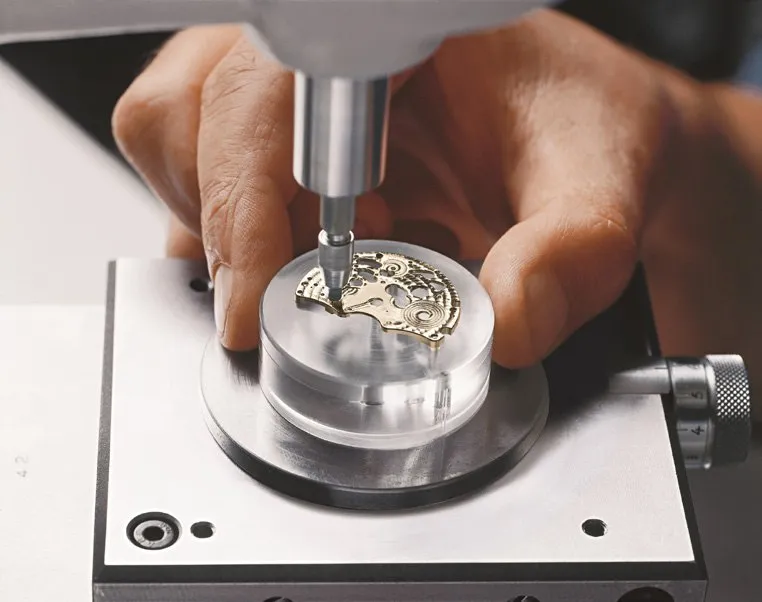
Innovation takes time and dedication. The new range from the Lange 1 Time Zone made in Honey gold, the sixth edition in the range, is harder than other gold alloys. The degree of hardness is achieved with alloy constituents and a special thermal treatment process. The colour is inspired by nature. “Honey displays various colour nuances, depending on the plants from which the nectar is collected. Nonetheless, this natural substance is well suited as a descriptor. Our main objective was to convey the gloss and the warm hue of gold,” Anthony de Haas, Director of Product Development at A. Lange.
In its own way this iconic watch is a tribute to its creators who carefully fix every little hair spring, check every last movement of every single part, diligently create designs that are both aesthetic and creative, spending months on a single watch to finally get the German tradition of precision.
Spotted a mistake, or your photo used without permission? Report a correction