
Wow! Washoku
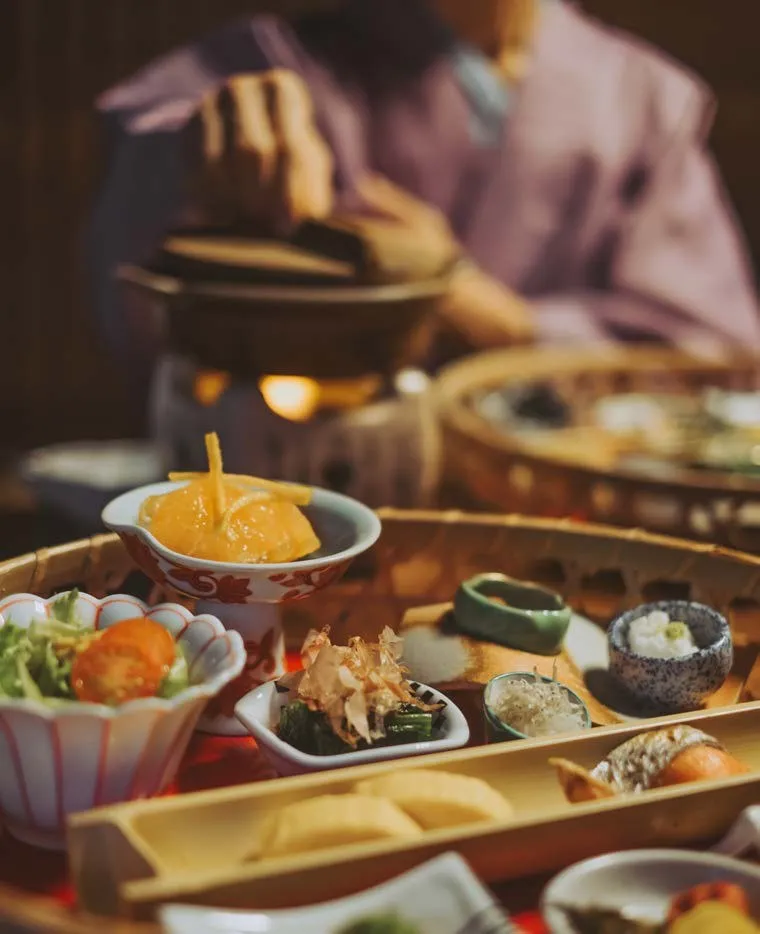




Emphasizing more on vegan ingredients with less sugar contents, this traditional Japanese food culture has grown into a big and fast-spreading international trend.
If you haven’t heard of the term ‘Washoku’ before, then soon you will. Nobody had even thought that nearly seven years after the United Nations Educational, Scientific and Cultural Organization, during its eighth annual session of the Intergovernmental Committee for the Safeguarding of the Intangible Cultural Heritage—held in Baku, Azerbaijan, in December 2013, named washoku (traditional Japanese cuisine) as an “intagible cultural heritage”, the cusine would rapidly sail to the West and become a sensation in Japanese eateries owing to the social custom that has been handed down from generation to generation, expressing the people’s respect for nature.
 L’Officiel India DigitalRead L’Officiel India in the digital libraryEvery issue and every cover story, on TCG Media.Read now
‘Washoku’ simply means ‘food of Japan’ and covers all traditional Japanese cuisine from sushi to yakitori. With a focus on fresh, seasonal ingredients, the cooking style boasts a range of health benefits, promotes healthy eating and uses numerous superfoods as key ingredients. At its heart, the cuisine is a simple preparation of rice and side dishes made with a variety of seasonal ingredients. It’s this wide variety of dishes that allows the meal to become a palette of flavours and colours attuned with nature and the Japanese aesthetic.
Essential ingredients
Today, people around the world may be familiar with dishes like sushi and Kobe steaks. But how many of us are even aware that the two dishes are the flagship of Washoku in the global market. Japan has four distinct seasons, and the dishes served in Washoku reflect that.
The rice and protein components are paired with local ingredients that vary by the season, from tender young buds from wild plants in the spring, to light pickled vegetables in the summer, chestnuts in the fall, and root vegetables in the winter. The seasonality of Japanese cooking culminates at the start of the new year in the gorgeous New Year’s meal called “osechi ryori”, where the colours and ingredients all hold special symbolism.
The meal is accompanied by fish, seafood, and seaweed. As Japan is an island nation and seafood is central to the traditional Japanese diet, for centuries, eating other kinds of meat have been forbidden due to Buddhist traditions.
Traditional Japanese cuisine also focuses on balance, with preparation techniques that aims to draw out the natural flavors of ingredients rather than masking them in heavy sauces. The structure of a washoku meal relies on the principle of “ichi ju san sai”, or the “one soup, three side dishes” meant to accompany a bowl of steamed rice. These dishes provide a variety of flavours and colors, as well as a well-balanced, nutritional meal.
Diversity and freshness of ingredients, and respect for their inherent flavours
Because of the great latitudinal range of the Japanese archipelago from north to south, the land is characterized by many mountains and proximity to the sea. The richly varied natural environment has meant that each regional Japanese cuisine uses a diversity of ingredients strongly rooted in the terroir. This has been accompanied by the development of cooking methods and utensils that make the most of the ingredients used.
An exceptionally well-balanced and healthy diet
The basic composition of the typical Japanese meal, rice with ichijū sansai (“one soup and three side dishes”) is said to have ideal nutritional balance. Because washoku makes skillful use of the umami flavour, very little animal fat is used. This is one cause of the longevity of Japanese people, and it also helps to prevent obesity.
An expression of natural beauty and the changing seasons
Another characteristic of washoku is the sense of beauty of nature and of the changing seasons expressed at the table. By decorating food with blossoms or leaves and by using dishes and other utensils that reflect the changing seasons, the Japanese are able to enjoy each season at meal times.
Close links with annual events
Japan’s food culture has evolved in a close relationship with New Year’s festivities and similar annual events. By eating at the same table and sharing nature’s bounty, Japanese people believe that familial and community bonds are strengthened.
It should be noted that Washoku is not only about the food and ingredients - it’s also about the structure of the menu, the aesthetic plating of the meal, the use of traditional Japanese lacquerware, and the impeccable “omotenashi” or hospitality provided. It is for this reason that people say “itadakimasu” before eating and “gochisosama deshita” after a meal in thanks.
From the October 2020 issue of L’Officiel India.
Spotted a mistake, or your photo used without permission? Report a correction