It’s Always Spring At Dior
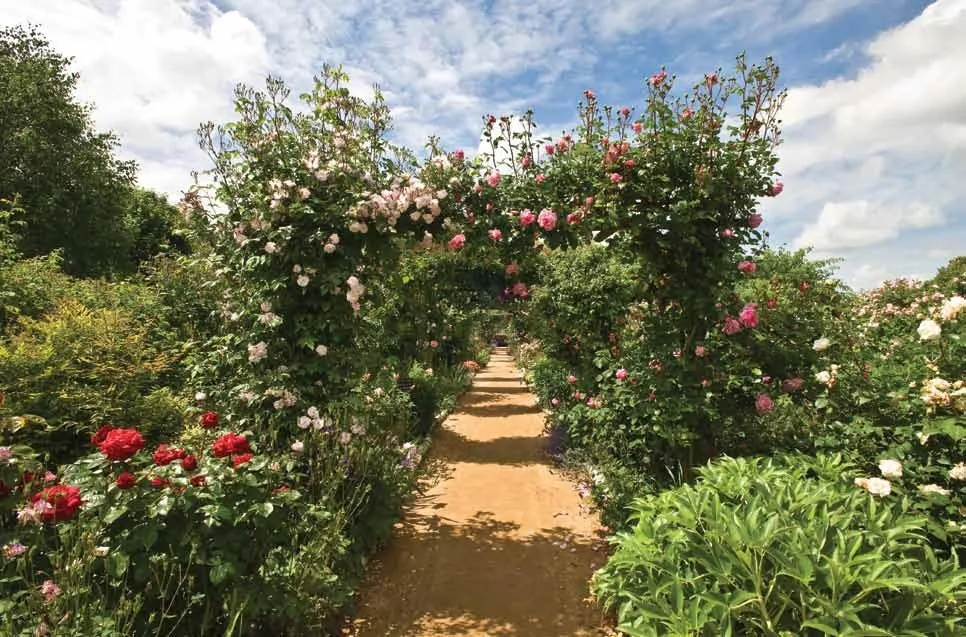




Bloom motifs in couture... Floral inspirations for fragrances... Lily of the valley in his buttonhole... Christian Dior was to flowers born. And now, the House brings their freshness to your face.
Growing up in his family home in Granville, in the commune of Pithiviers, Normandy, France, where his mother had her little garden, Christian Dior was mommy’s little helper. Later, he built a rose garden next door, today the Musée et le Jardin Christian Dior. It was these gardens that the inspiration for his flower woman and some of his most-loved collections, like the Tulipe and the Corolle, and also his colour palette came from. Not to mention his fascination with the lily of the valley, which the first Dior fragrance, Diorissimo, was based on. And his love for the rose, which bursts forth from Miss Dior.
 L’Officiel India DigitalRead L’Officiel India in the digital libraryEvery issue and every cover story, on TCG Media.Read now
Monsieur Dior may no longer be around but half a century on, the legacy of the flowers stays.
For over 20 years now, starting with the Capture range, the House of Dior has been working with potent flowers to reveal and utilise their cosmetic powers. This ethnobiological approach, of which Dior are pioneers, has led to the creation of gardens across the world, specifically to this end, by Patrice André , Director of Dior Ethnobotanical Innovation, and his team of scientists. The result: A first-of-its-kind skincare range, Dior Prestige, developed out of the hybrid Rose de Granville, cultivated in Granville.
The Gardens of Dior
The Dior Gardens combine three dimensions—plants, soil or terroir and remarkably talented scientists to create exceptional skincare. So far, they have five gardens: The mother garden in Pithiviers, where the Rose de Granville grows, in the heart of the best French rose-farming soil; The Yquem Garden in the renowned vineyard of the same name, where the sap for L’Or de Vie is extracted; The Dior Garden of Dromê, where the highly nutritional nectar of Kniphofia is extracted; The Ramafana Garden in Madagascar, which supplies the age-defying Longoza used in the Capture Totale range; And the Dior Garden in Uzbekistan where Jisten, with its extraordinary hydrating powers, is cultivated. Meanwhile, André’s team continues to look for other flowers with which to create new gardens, while maintaining their very high standards. Other gardens are currently in the process of being tested, but validation requires a long observation period, André reveals. It always starts with discovering a flower with extraordinary properties, then cultivating it and protecting it while ensuring integrity in its farming. “Traceability must be total and ethics must be respected, through fair-trade channels that respect the people who work in the gardens,” says André. “We also commit to developing clean cultivation and extraction processes that respect the environment. The ultimate goal is to develop pure raw materials with unique effectiveness, to create exceptional skincare.”
Where man meets nature
Flowers are selected and cultivated based on the knowledge of biodiversity and the research on traditional uses of plants across the world, in the possession of the scientists at Dior. That and the interaction between man, plant and soil. “It starts with a lengthy but essential phase of observation in the natural habitat,” explains André. The identification of the flower gives rise to a dedicated garden, where everything is undertaken “to exalt the powers of the flower and transform it into an exceptional active ingredient.”
But why flowers? “Flowering plants are at the top of the plant life pyramid and the centre of its dynamic: Fertilisation takes place in the heart of the flower, where the seed that will perpetuate the species is born,” André tells us. “Flowers contain unique and active molecules which hold remarkable regenerative and life-giving properties with immense cosmetic potential.”
The Super-Rose
The Rose de Granville is a seventh-generation flower, developed in collaboration with rose specialist André Eve from cliff-top roses known for their resilience to climatic aggressions.
“We crossed numerous strains, to obtain a unique rose endowed with remarkable beauty and the most extraordinary vital energy,” says André. “It is cultivated on open ground, following organic farming rules and they are planted far apart, so that they express their molecular qualities to the full. The plants are pruned by hand and need permanent care.” The Rose de Granville flowers abundantly in June and then in April. The rich nectar of this flower is the heart of Dior Prestige skincare. Taking a cue from the exceptional potential of the plant, scientists are studying to see how the plant can further be used. Indeed, a thesis is being devoted to it at Orléans University. “Every part of the rose is analysed (buds, stalk, and so on) to create new extracts that will enrich Dior Prestige skincare tomorrow,” he signs off.
From the January 2014 issue of L’Officiel India.
Spotted a mistake, or your photo used without permission? Report a correction