Christian Dior: Born Under A Lucky Star
Christian Dior was just as superstitious as he was a visionary, influenced by coincidences, mystics and their predictions.




At the Dior spring/summer 2018 show last October, all those invited, before entering the marquee set up on the gardens of the Rodin Museum, had to walk past a large construction site wall, concrete blocks in shambles with bits of rusted iron rods jutting out. The wall was carved with a saying: If life is a game of cards, then we were born unaware of the rules, and yet, we have had to play our hand.
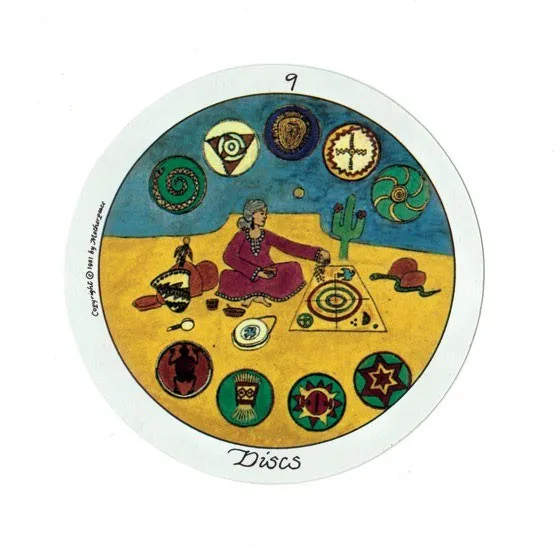
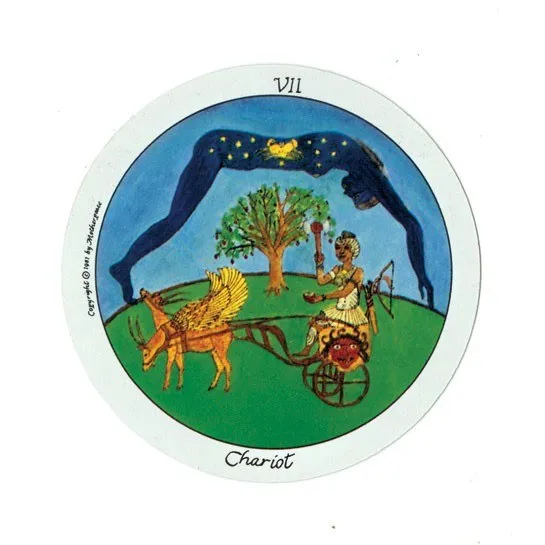
The quote was by Niki de Saint Phalle, whose work is on display at the museum. A friend of the House of Dior, specifically during the time of Marc Bohan (1960- 1989), her artistic spirit has become the driving force behind Dior collection. Highlighted during this show were some of her works, such as the Tarot Garden, a sculpture park in Tuscany, which was represented here through embroidery, weaving and prints on skirts made of tulle and denim, leather shorts and brassieres. An aspect that echoes, in a way, of the very delicate princess dresses with the likes of The Hanged Man, The Devil or The Sun embroidered on them, all of which were a part of the very first collection that Maria Grazia Chiuri designed for Dior a year ago. It included silhouettes inspired by the popular feminist vision of the round tarot cards Motherpeace, created in the 1970s by Vicki Noble and Karen Vogel.
 L’Officiel India DigitalRead L’Officiel India in the digital libraryEvery issue and every cover story, on TCG Media.Read now
A superstitious neo-symbolism, a glimpse of which we saw in the very stylish resort collection show by Dior last spring, in the middle of the Californian desert which has now made its way to the boutiques. A collection that has the right to be put on a pedestal, with pop-up stores dedicated to it where arcanas are the décor, the spaces are filled with tableaus and suspensions of images of The Wheel of Fortune, The High Priestess, and so on.
The fortune-teller of Granville
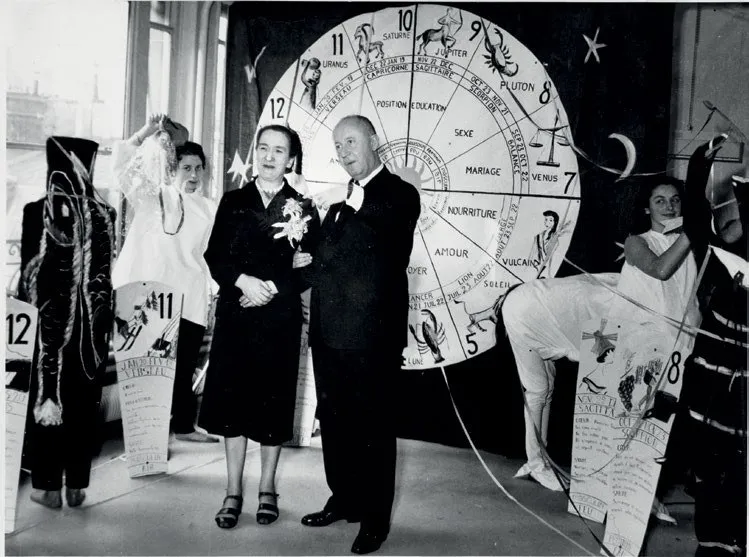
Is esoteric the new chic? Placed at the heart of the modern game of fashion by Maria Grazia Chiuri, the art of fortune telling is central to the history of Dior. It’s embedded deep in the soul of the brand ever since its beginnings, just like the lines on one’s palm. The quote by Niki de Saint Phalle takes us, in a manner of speaking, to the first two sentences of Christian Dior et moi, the autobiography of the creator and founder, written in 1956, a year before his passing. Je serais bien ingrat, surtout bien inexact, si je n’inscrivais en capitales le mot ‘hasard’ au début de mon aventure. Celle-ci ayant été heureuse dans sa conclusion m’amène, par devoir de reconnaissance, à proclamer ma fidélité aux diseuses de ‘bonne aventure’ (I would be very ungrateful, or at least most certainly inexact, if I didn’t write the word ‘fate’ in capital letters at the beginning of my adventure. Fate dealt me a good hand, and I owe her a debt of gratitude and so, I proclaim my loyalty to the teller of good fortunes.) So, Christian Dior, the world’s most sought-after couturier, began to tell us of his life starting with his meeting with, who he called La devineresse de Granville (the fortune-teller of Granville).
Flash-back to when Christian Dior was 14, a young Normand boy disguised as a gypsy for a charity event organised for veteran soldiers of the World War in Granville in 1919. A fortune-teller does a card reading for him. “You will find yourself penniless, but women will be of benefit to you, and it is through them that you will succeed. You will, from them, profit immensely, and you will therefore travel the world.” This was her prediction. Completely indecipherable at first glance, but after a life time of travelling across the globe and becoming king of the New Look, it was, without a doubt, easy to join the dots between the many premonitions that fortune tellers made for him. Yes, there were others.
Apart from his first encounter with a fortune teller, there are several others mentioned in his autobiography. The most written one is Madame Delahaye, well known from the salons of avenue Montaigne, where the lives of many others were foretold, she was given the pet name of Dame Astrologie. There wasn’t a single important decision that Christian Dior made without consulting with her... starting with the very foundation of the House.
“We would be wrong to belittle the role that these psychics played at that decisive moment in the future of French fashion,” underlines Marie-France Pochna in her book Christian Dior, published by Flammarion Publication in 1994. “It was them who should have had reasons to hesitate on imploring this man-child to conclude the struggles of his life.” The couturier himself retells this episode in his personal journal too. “So I went to see Mme D., who did, very reluctantly predict the deportation of my sister. Accept, she implored me, accept! You must establish the Christian Dior House! Irrespective of the conditions right now, all that we might be able to offer you in the future weighs nothing in comparison to the opportunity you have today.”
An answer to prayers
If the secrets of the tarot cards helped build the empire of avenue Montaigne, they were also assisted, along the way, by other magical signs. Notably by the grace of a particular, five-pointed metal star that Christian Dior found on the sidewalk, on the corner of Rue Saint Honoré and Rue Saint- Florentin, in the 1st arrondissement of Paris, on an evening in 1946. At the time he was hesitant about starting a brand with his own name. Fate had her eye on him as he bumped into a friend three times in a row at the corner of the same two streets, a friend who then introduced him to Marcel Boussac, the future investor of the House and that, during this third encounter, he found the famous five-pointed star. He, then, took the decision and established the House of Christian Dior.
His first show, held on February 12, 1947, was an immediate success that had a global impact. Born under a lucky star, yes sir! The lucky charm, the star, from then on, or rather a reproduction of it in gold, became part of the charm bracelet worn by Christian around his wrist or carried in his pocket, day in and day out, just as someone would have their prayer beads with them.
There were other things too: a four-leafed clover, a bit of thrush, a piece of carved gold, two hearts. All these precious amulets became, over time, powerful symbols of the House itself. Seven decades later, they still seem to be casting their magic, as the brand entered into jewellery, beauty products and accessories.
A floor plan if you will, with supernatural accents, to which we must add the wind rose, another symbol which was terribly important to Christian Dior. It represented memories of his childhood home, Les Rhumbs villa, and a touch of red that he considered to be his lucky colour. It is rather intriguing to see how much this visionary designer whose every collection was a global success, was sensitive to and influenced by supernatural predictions. It is also very fascinating to see how much importance we give to superstitions in the world of luxury that this iconic designer brought to life, none other has created anything that would compare. A world made of dreams and magic.
From the January 2018 issue of L’Officiel India.
Spotted a mistake, or your photo used without permission? Report a correction