Immortalised Shakti
With a pinch of reality, a dash of power and a whole lot of sophistication and grace, Mallika Sarabhai gives us a hint into her life and empire.
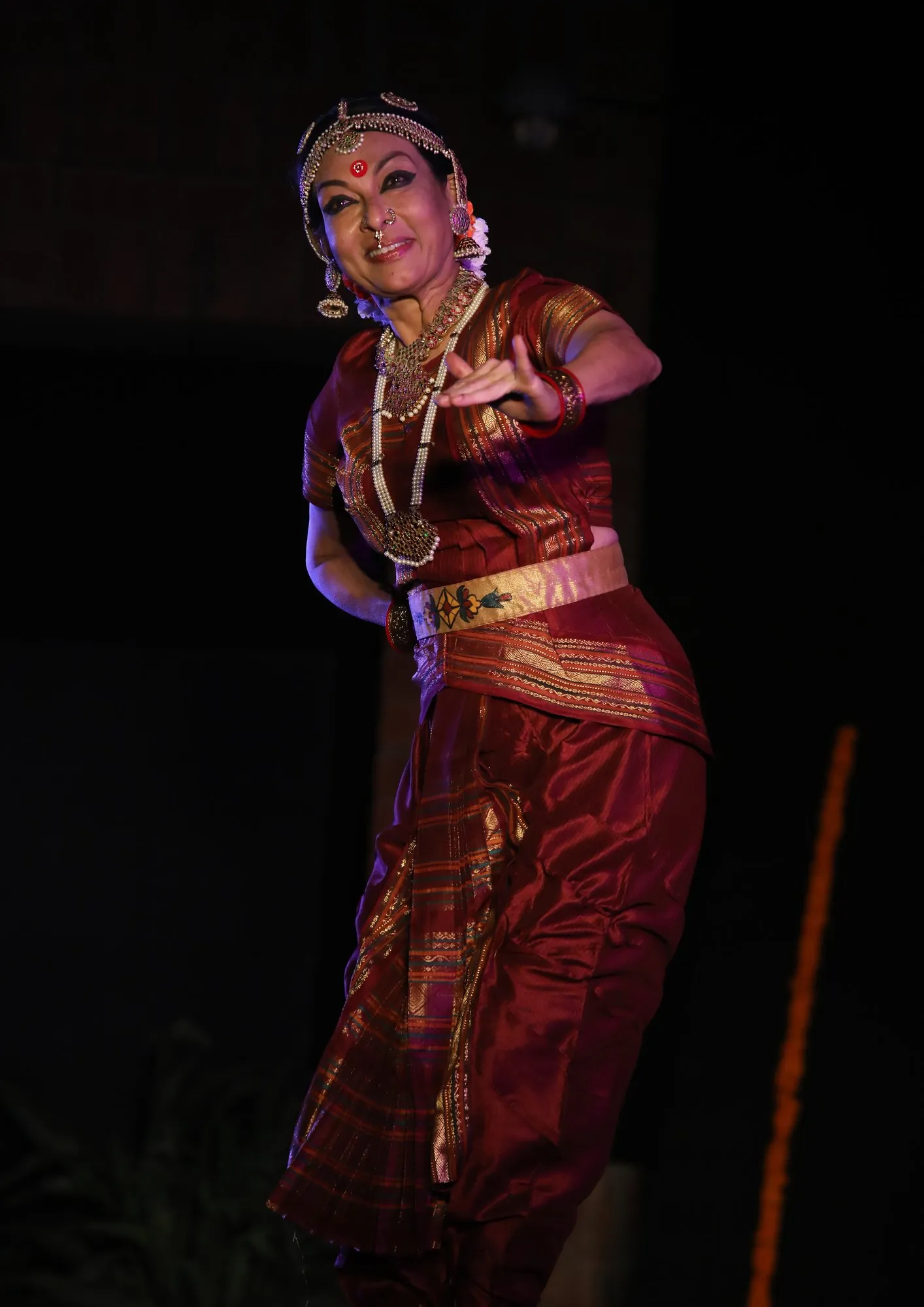




Much like her illustrious family — daughter of renowned classical danseuse and activist Mrinalini Sarabhai and legendary space scientist Vikram Sarabhai — Mallika is a leading bharatanatyam and Kuchipudi dancer, choreographer and acclaimed actress on stage and in films, writer, and social-political activist.
Her dancing genius straddles tradition and modernity with complete élan. Following the footsteps of her mother, Mallika, too chose to channelise her expertise in management to manage the Darpana Academy of Performing Arts in Ahmedabad. Edited excerpts...
 L’Officiel India DigitalRead L’Officiel India in the digital libraryEvery issue and every cover story, on TCG Media.Read now

Your mother has trained over 25000+ students in Bharatnatyam and Kathakali. What do you think is the important aspect of her legacy that she has left behind?
Not only in those two dance styles but music, theatre, puppetry, folk and tribal dancing. In today's world, with the kind of culture that we have and the McDonaldisation of everything sweeping across, our cultural strands homogenising everything, it is important to preserve, archive, teach, change, and grow our cultural strands. It is wrong to freeze culture but it is worse to discard it and never have references one can dig into. Amma felt that, and I do too, that roots need to be strong for a tree to grow as it wants. If it branches out and the roots are weak it will topple.

Over the years, you have been a part of elaborate productions encompassing the musical and artistic influences from around the world, drawing extensively from literature, epics and learnings and experiences. What drove you towards bharatnatyam, also how has the experience been?
As I grow older I fall more deeply in love with bharatanatyam as a language of our times, one of great beauty, purity of line, one that can be used to communicate ideas as diverse as the search for the truth and the problems of global warming, gender realities or violence. While I love doing bharatanatyam classical performances, writing a lot of new lyrics about issues today, my primary work breaks down silos such as “this is dance”, “this is martial arts”, “this is music or puppetry” etc. My work around the world with different creative people, and more importantly my own training in different forms of the arts has made this my path.

They say dance is one of the ways to reach the divine or higher source of life. How do you perceive this?
When my mother danced, it was like a different being from the person off stage, a light bulb lit up her existence then, and I could feel the presence of the spiritual. It is not like that for me. I love dancing. It makes me blissful. Sometimes I lose myself in it. But then, I am not such a believer in God, and I can have spiritual experiences smelling a flower, or seeing a butterfly metamorphose.
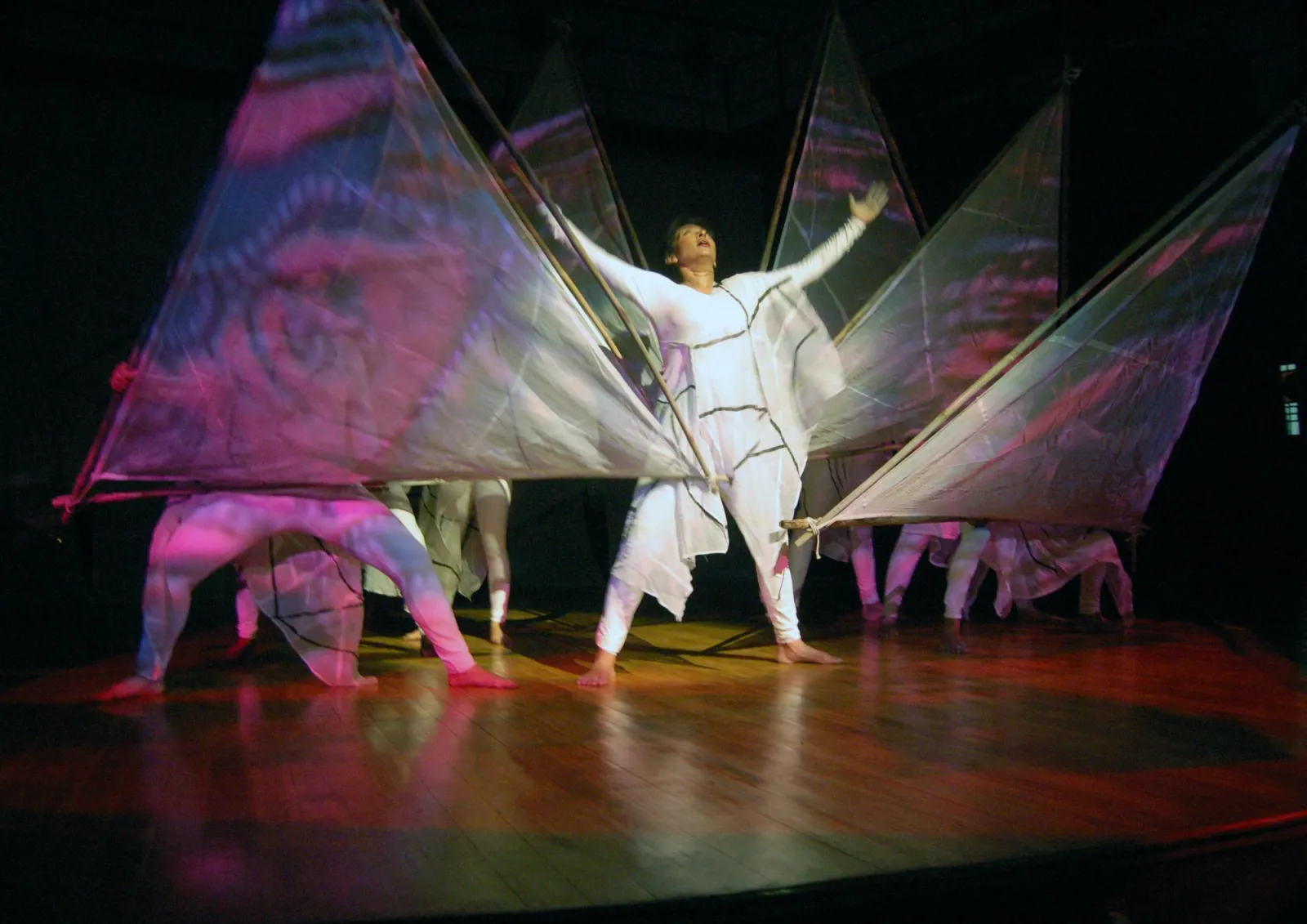
As a versatile artist who takes up each role with utmost poise and grace, we know that you were also trained in Kuchipudi? How did that phase come about, also what drives you to take up different forms of dance?
I have two sides to my personality, one introverted, very disciplined, very ‘earthed’, and another, amused, whimsical and frothy. Bharatanatyam caters to the first, Kuchipudi to the other. I have also learned India’s folk and tribal cultures, their dance, music and anthropology, and I use them in my performances. I try and learn new things all the time and two years ago I learned, and now play passably the chenda drum. We used it in a show and women playing the huge nagada drums in chenda style, brought the house down. I am learning mallakhamba these days, which is the traditional Indian rope aerial work. I love to constantly challenge my mind and body.
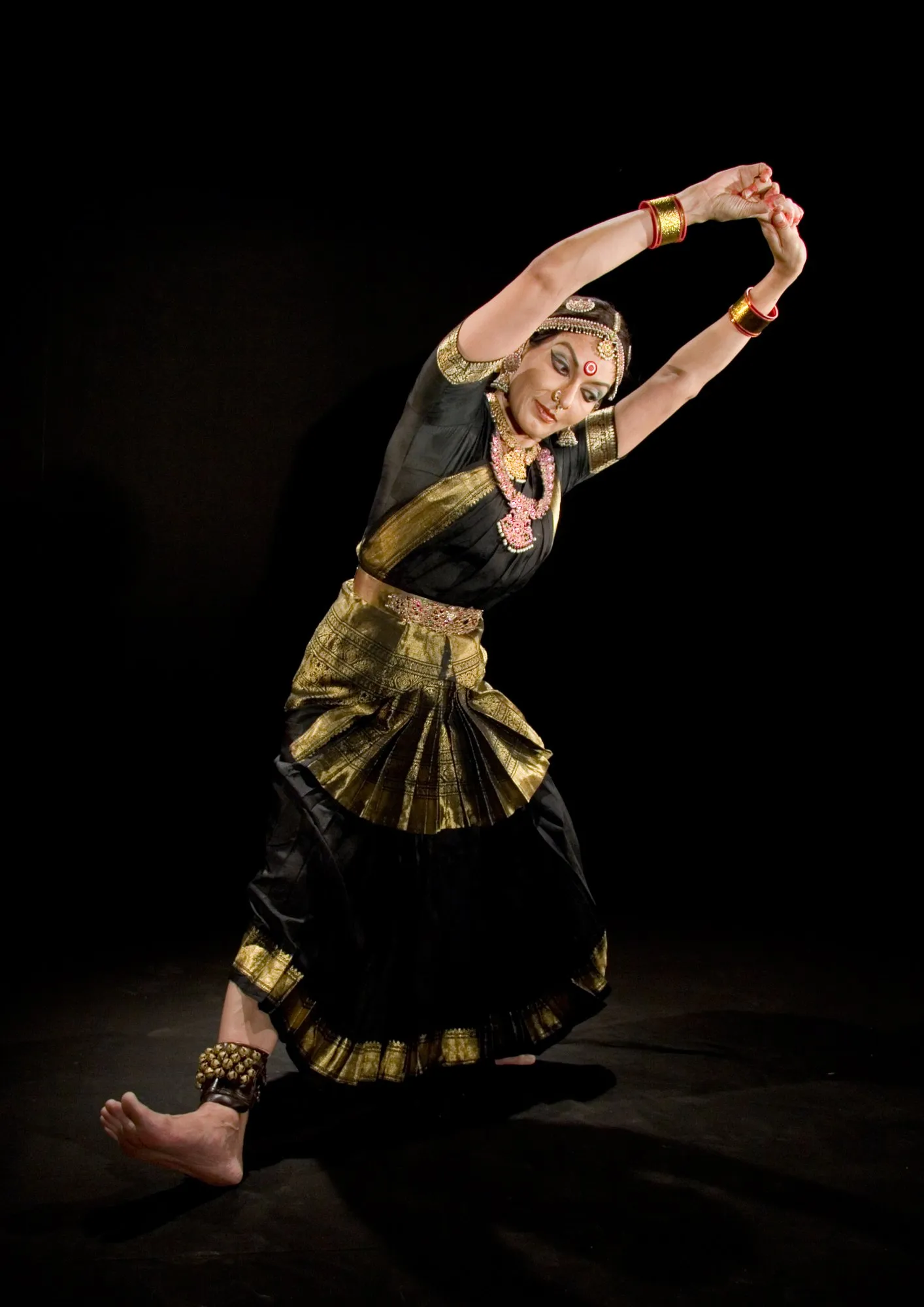
Do you recall a point in your life and early journey in dance when you decided to commit to it in a manner that would make you an inspiration for generations to come?
I don’t know about the inspiration to others, but yes, I know the exact moment when I decided to commit to a career in dance. I was in love, it didn’t work out, I went into a severe depression, didn’t want to do anything, felt emptied and betrayed – and then I woke up one day about four months later, thinking, All I want to do is dance. That was it. I was 22 and luckily had been training since I was 3.

What is your driving force towards success? What keeps you committed to your passion towards your art which you have come to define and redefine for students and audiences globally?
I am passionate about everything I get involved in. Often, if I am doing the same show the hundredth time, before the show I ask myself if I am still going to be able to feel that passion and often I feel tedium or bored; till I get on stage. Then in spite of this ennui, the passion takes over. I want to communicate to the audiences what I am communicating – I am not telling them anything that I am paid to do. It is that I think that gets across.
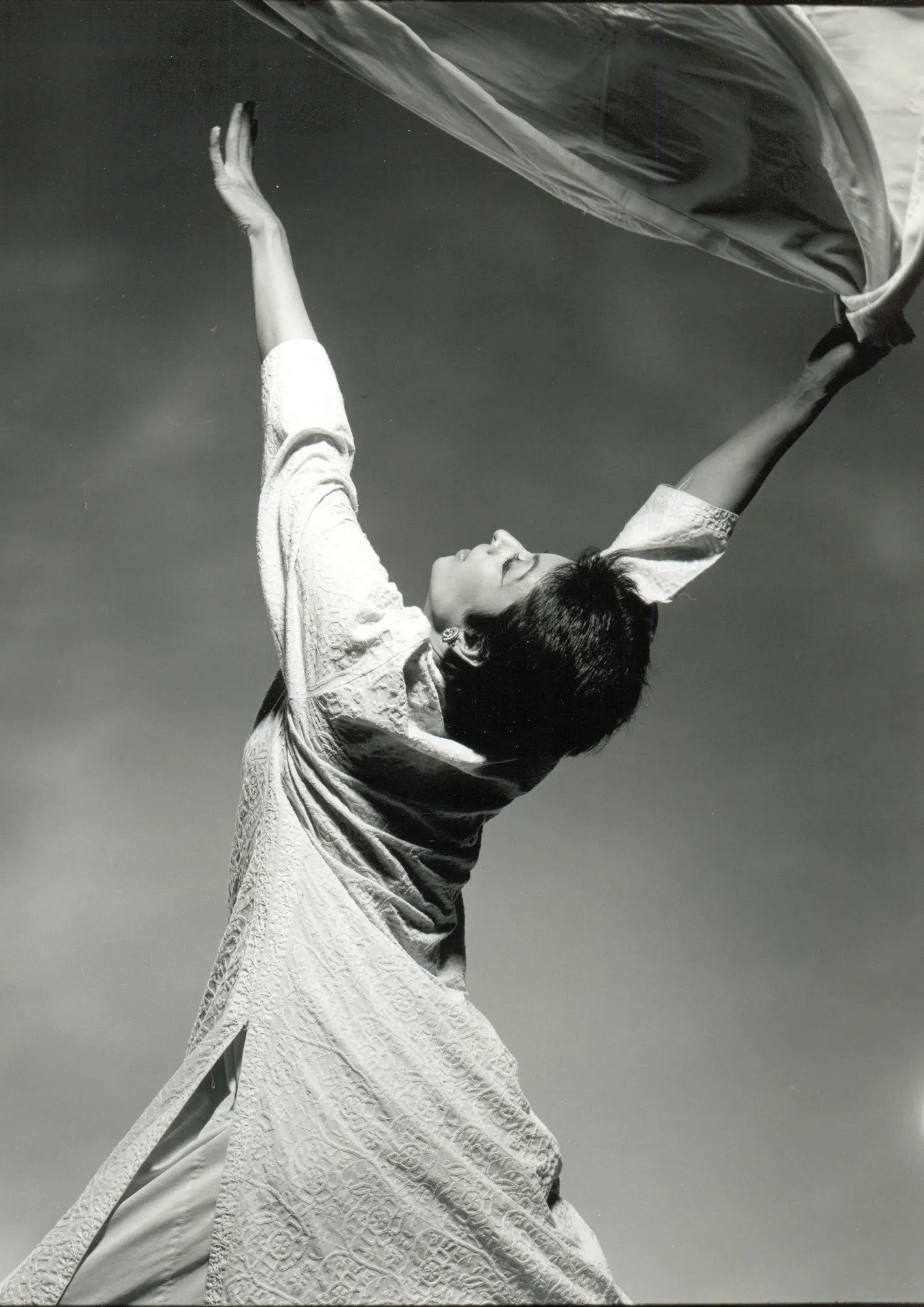
How did a classical dancer like you evolve a vocabulary for contemporary dance?
Contemporary dance in the west did not just birth itself. It came out of classical ballet, the morphing of it, or the rejection of some movements. But ballet was the context. Similarly, my context is bharatanatyam. My vocabulary reduces the movement, juxtaposes it differently, uses a part of a limb or body. It is very grounded in bharatanatyam.
In the age of internet, many are learning the nitty-gritties of dance by watching online videos. What is your take on this digitised ritual?
Although I understand the need that people have for learning like this, I think dance is not mere body movement, it is much more and this needs a teacher. We believe that the correctness, the beauty must be seen in the eyes of the teacher or guru. The internet cannot do this. There is a human-ness that cannot be replaced.
In this changing landscape of riyaaz, is it possible for the dance form to sustain its original essence?
Sustaining dance in its form needs to be treated as a marketing and packaging challenge. The core material is fantastic and fascinating but we cannot present it in the same old way or in the same way to all audiences. I change the way I present it. If I am trying to introduce Bharatanatyam to a European audience, in a school for instance, I will invite one of them to come and tell me a story that I will dance out in bharatanatyam. This astounds them. They suddenly ‘see’ through the exoticism. “Oh wow, she can dance Spiderman” or Goldilocks. That is the Eureka moment we need to create in audiences to keep these amazing languages alive.
Spotted a mistake, or your photo used without permission? Report a correction