Home Away from Home
Since the air is thick with sentimental reminiscence, we speak to a designer who stepped out of the nation to pursue his dreams. While creating fine designs, he fondly looks back at where it all started.





Humble, down to earth and most important of all human are the words that best describe designer Bibhu Mohapatra. His designs although are a relaxed yet structured, feminine yet edgy. Bibhu moved to America in 1996, and after graduating from Utah State University with a Masters Degree in Economics, moved to New York City in 1999 where he then enrolled at the Fashion Institute of Technology.
The Big Apple, gave the designer wings to fly yet he held his ground with his confident demeanor and a dream in his eyes. Soon after inception of his eponymous label came fame, and a much awaited one indeed. To date, celebrities such as Hilary Swank, Gwyneth Paltrow, Glenn Close, Jennifer Lopez, Ciara, Rita Ora and Lupita Nyong’o have all worn Bibhu’s designs and recently he has had the honor of dressing the former First Lady of USA, Michelle Obama upon her arrival in India in 2015. He now surely is the designer whose behind the definitive style that Michelle has.
 L’Officiel India DigitalRead L’Officiel India in the digital libraryEvery issue and every cover story, on TCG Media.Read now
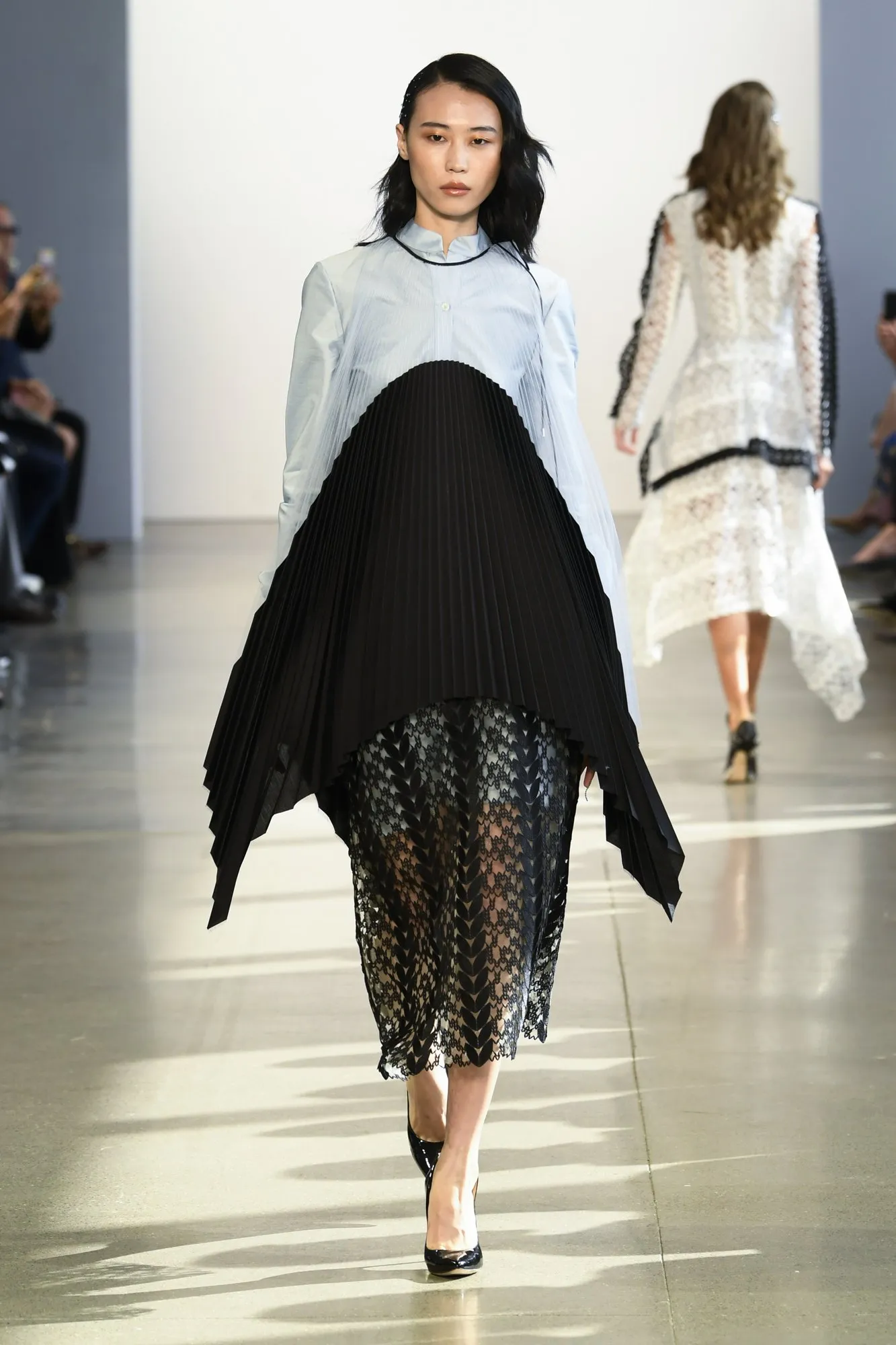
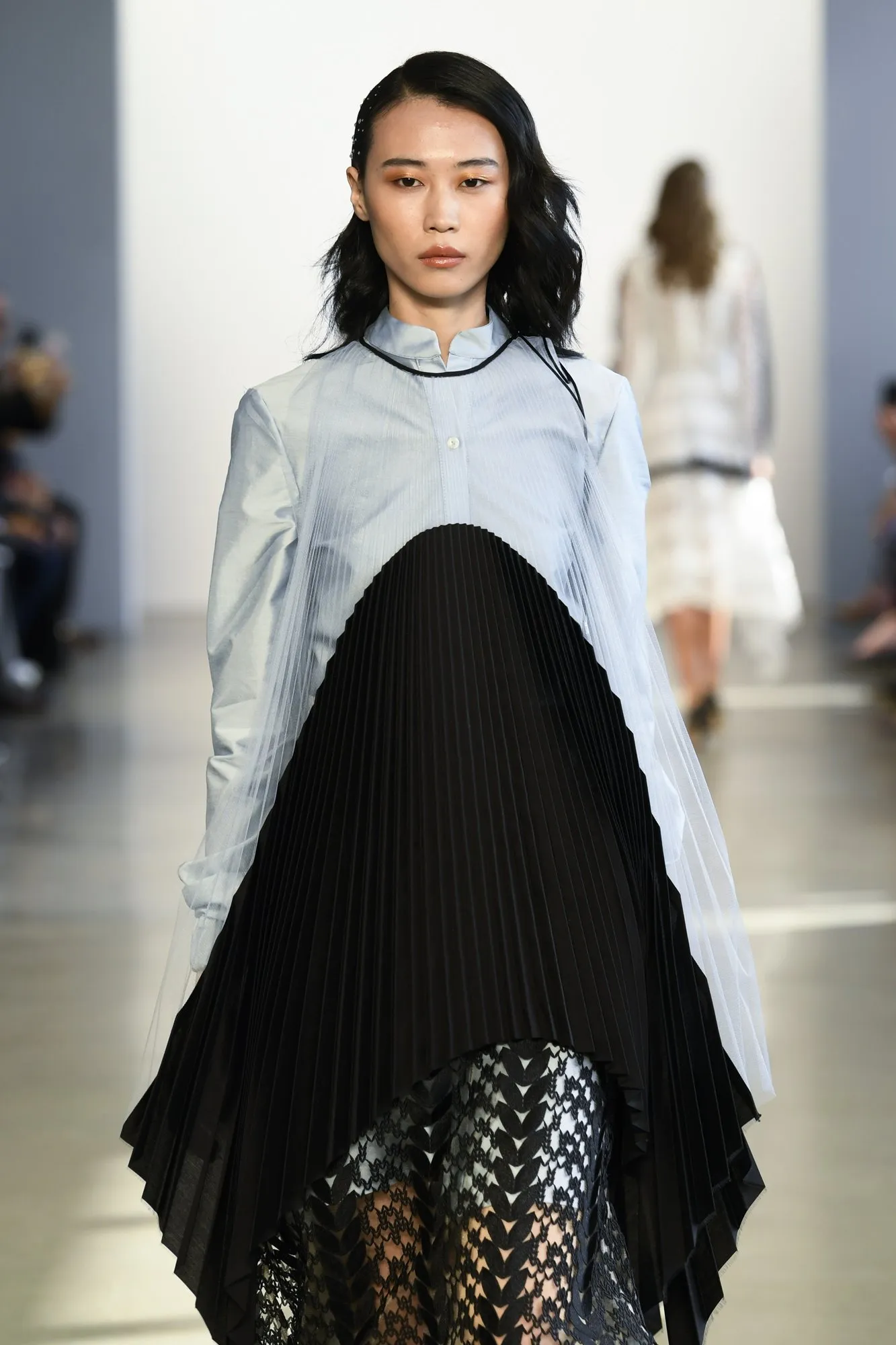
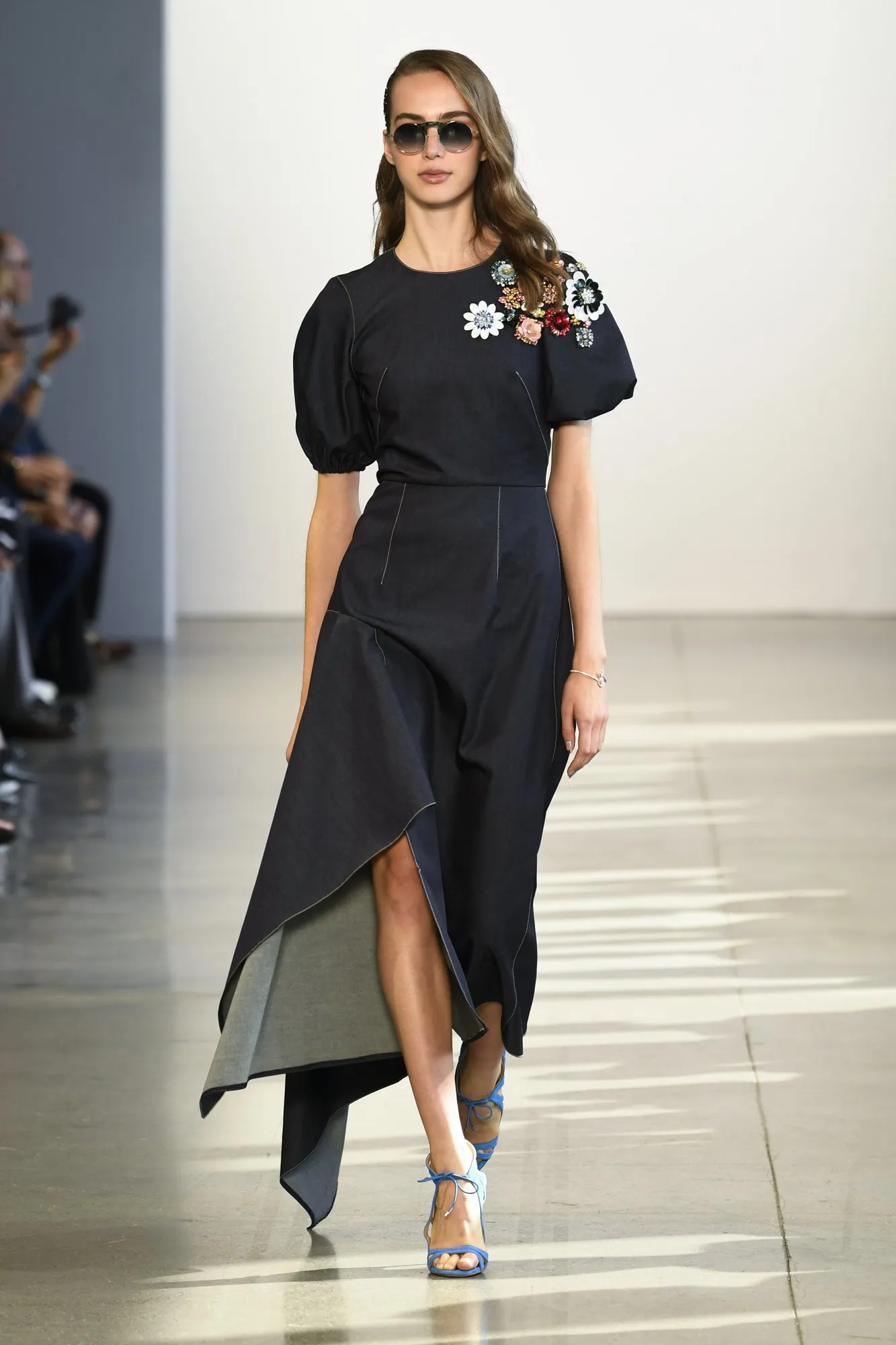
Driving over the success of his most recent and successful runway show, Bibhu tells us what all went into creating such fine silhouettes for his Spring 2020 collection, showcased at New York Fashion Week 2019. It was Bibhu's most confident and relaxed collection. We are happy to see that even decades later, he has celebrated a similar undaunted womanhood in his designs, since its inception. Edited excerpts...

How has growing up in Odisha influenced your vision of fashion?
I had a very happy childhood. My parents always encouraged me to read and explore. I was surrounded by incredible art and craft from my beloved state of Odisha. Although I had no idea about fashion as a business, I really adored my mother's elegant style and her fashion. To me that was the only fashion that was relevant.
Setting up your own fashion label is never easy and after resigning from J.Mendel, that’s what you did. What was the deciding factor that made you make the switch?
In many ways I feel I am like my father, and I follow the trajectory of his career. After working for 25 years as an engineer at a steel plant, my father decided to start his own business. He worked really hard to build a business of his own and turned it into a relevant one. Like him, I too had a dream of building something of my own, so after a 9 year tenure as the Design Director at J. Mendel, I decided to start my namesake brand.

When you start to design a new collection, what is the process? Do you start with an overview of what you want to the collection to be or a mood board with the elements you want to include?
I usually start with a muse or the story of a muse to set the mood of the collection. Based on that I create an inspiration image board. After which the sketching process begins. After many rounds of warm up sketches, I deliver about 500 to 600 sketches. Then comes the colour story and fabric selection as well as embroidery development.
Is there something specific about Indian techniques that you want to bring to the global fashion market?
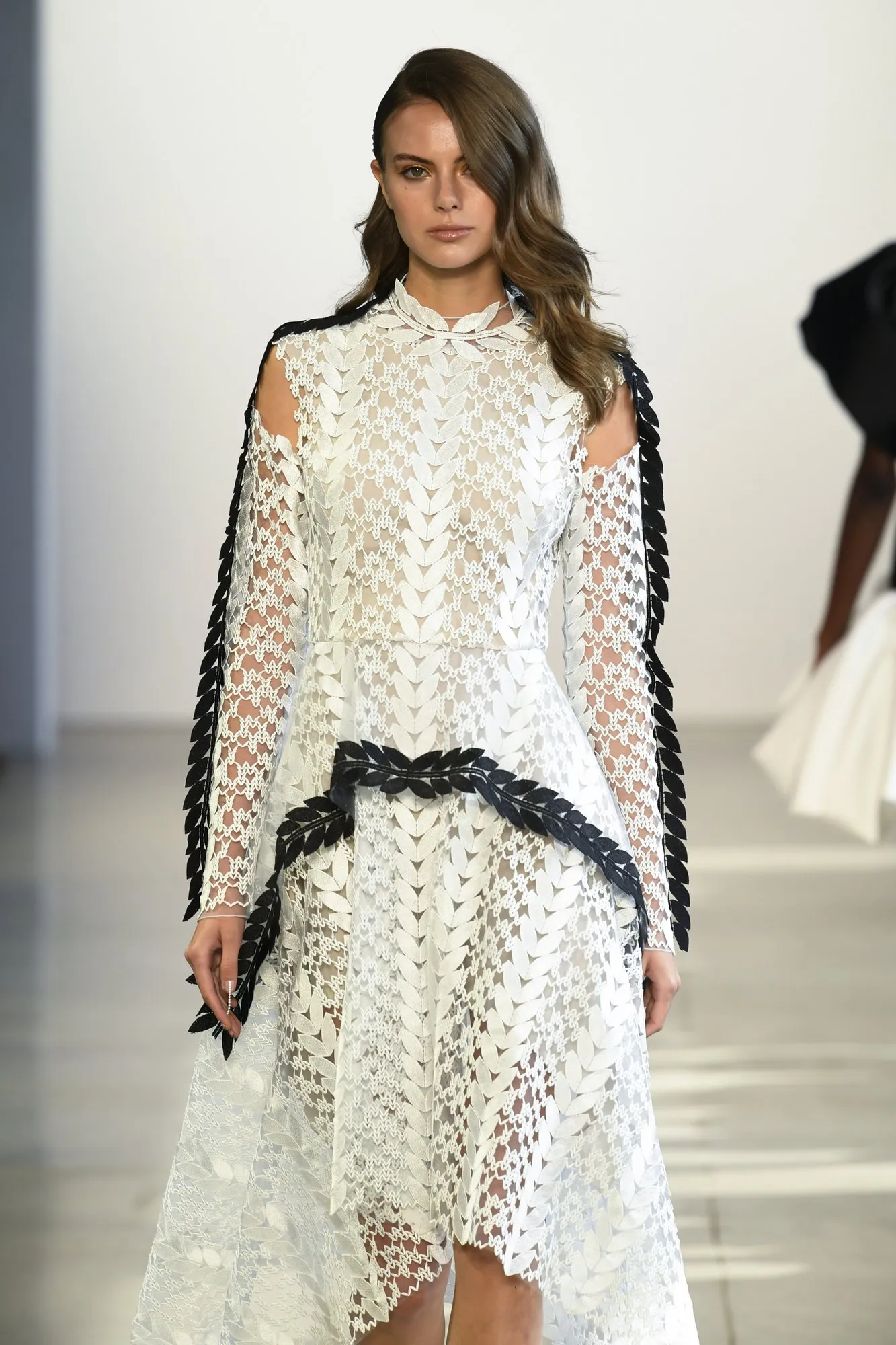
Yes, primarily the beautiful ikat textiles from Odisha and obscure ancient techniques of embroidery.
Do you think you were able to make it big globally because you stayed back in New York? Would it be a lot more difficult for a designer based in India to reach that level?
I am not sure of this. But I think the time when I reached New York and started my career, New york was already the fashion capital of the world. It gave me a platform where I learnt all the tricks of the trade before I started my brand. I do believe I still have a lot of things to achieve and an Indian presence is a big part of it.
The Woolmark Prize offers a great deal of exposure. What was one of the main things you learnt throughout the process, as a finalist?
As a finalist it allowed me to experiment with the yarns and fibers; and express their craft with modern and traditional techniques.
The fashion industry is one of the world’s most competitive and demanding businesses. How do you manage the creative and commercial side of your label?
I always say a successful fashion business is all about the delicate balance of creativity and commerce. This is a mantra that every young and aspiring fashion designer should believe in.
Fashion is defined as an evolutionary process. Is there an evolution from your perspective?
I think fashion has always been evolving, but the real driving force behind it is the consumer and her changing habits.
You have dressed some of the world’s most influential women. Any favorites?
This a hard one, but I would say Michelle Obama.
An Indian bride remains traditional but wants the contemporary silhouette to be a part of her wardrobe. How would you incorporate the best of both worlds for her, in an ensemble?
Colour and cut along with the juxtaposition of opposite elements, i.e, organic .vs. geometric, tailored .vs. drapped and modern .vs. traditional, are some of the ideas that can speak to the modern Indian bride.

If you could design a wedding dress for anyone (from history or a current figure), whom would you choose and how would you dress them?
Alia Bhatt. I think she is one of the most promising artists of our times and she has a unique sense of style. I would love to see her in a tailored wedding dress that is cinched at the waist and to the floor. Ethereal yet commanding.
Do you think that Indians have finally evolved in their fashion sensibilities or they still have a long way to go? Also what do you think about the new generation of designers that has arisen in India?

My people have always had a great sense of style, but what has changed is their access to international fashion and brands. The young generation of designers have shown a lot of promise and I strongly feel that brands like Kanika Goyal will define the future of Indian fashion.
What are your future goals and are there any new projects you are currently working on?
It is to build a brand that represents the lifestyle which is tailored for the global audience. I am currently working on the second round of my IKAT revival project in Odisha. I am really looking forward to share the products with the world.
Spotted a mistake, or your photo used without permission? Report a correction