Herb Rue
The term “sustainable” is on the fast-track to becoming one of the catchiest buzzwords in the fashion industry, but what is it about synthetic free beauty that still requires a wider acceptance. We dissect this ongoing dichotomy.





Have you pondered the rise of the cleanse wave? That makes for what you eat, what you wear and what you put on your skin. This year witnessed people embracing detox diets, sustainable fashion, organic skincare, all essentially working on the common principle of purity. In the wake of eco consciousness, more and more brands are embracing the leafy route, shunning animal cruelty and abandoning chemicals mainly attributed to the rising consumer awareness in response to their aftermath.

Rahul Agarwal, CEO, Organic Harvest comments, “Skin is the body’s largest organ. It absorbs what we feed it. What we put on our skin makes its way into our blood, tissues and organs, and therefore has an impact on our health just as much as, if not more than what we put in our mouth. If you are putting toxic chemicals on your skin, you are inevitably making yourself toxic. Thus, make a slow transition into switching to an organic regime.”
 L’Officiel India DigitalRead L’Officiel India in the digital libraryEvery issue and every cover story, on TCG Media.Read now

The organic blanket encompasses more of such marketable and enticing labels viz. herbal, natural, toxin free, green, well you get the gist of it. Although their meaning remains ambiguous. In order to truly reduce the ecological and social footprint, you must ask yourself. Is the product tested on animals? Is the packaging biodegradable? Are the marketing practices friendly? Are the ingredients responsibly sourced? What makes a product all natural? It could contain an array of botanical ingredients, in nanoscopic proportions with a host of unknown ingredients and still present itself in totality as an organic product. Also, something to think about is, even if an ingredient is 100% natural, who is to say it’s still safe. Paul Penders, the original practitioner of organic and cruelty-free skincare and makeup abolished the use of FD&C colours in cosmetics after a psychologist discovered that children were developing behavioural problems due to FD&C colour pigments present in their food as colouring. The same ingredient is present in lipsticks, only almost a hundred times more in quantity. You consume five pounds of lipsticks in a lifetime, which means we literally eat carcinogens.
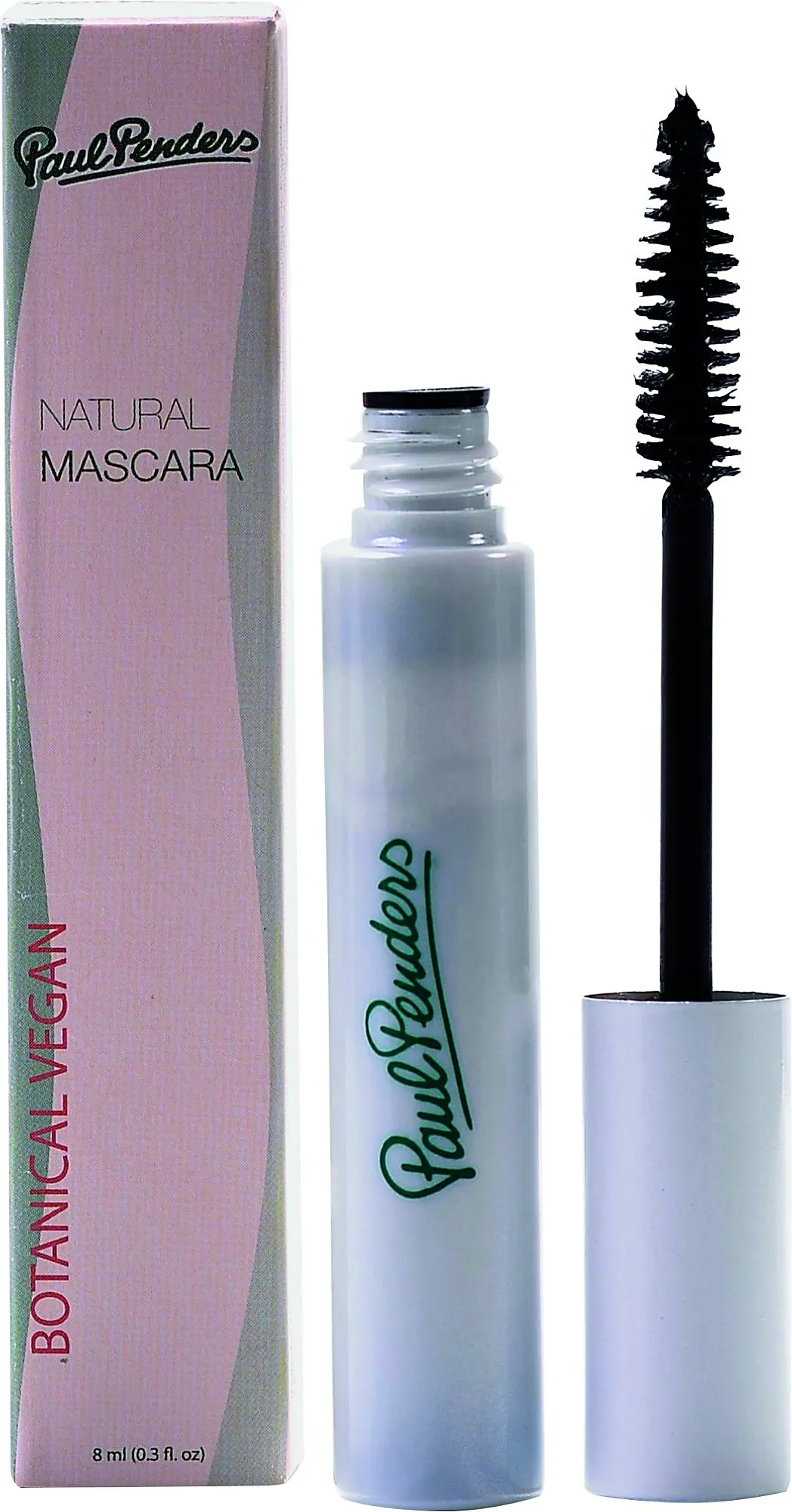
“I started off as a hairstylist and I realised how chemicals were being used to make shampoos look fancy and the more they would lather up, the more attractive it would appear. They were the first product I attempted to rid of emulsification because the chemicals take everything away and don’t give anything back”, Paul says.

Let us illustrate how even a seemingly mundane activity such as washing your face can have a huge impact on our environment. The residue washes down our sink, eventually making its way into lakes, rivers and other water bodies. These chemicals instead of breaking down end up accumulating in our ecosystem. Hence, it is imperative to choose something as small as even a face wash, wisely.
Sulphates and Parabens predominantly present in shampoos and other cosmetics are known for being endocrine disruptors. Other offenders include Oxybenzone, Phthalates, Formaldehyde proven to be fatally cancerous.
However, navigating through the ingredients is not enough. To truly address and minimize environmental damage and contamination, Biotique, along with using botanical ingredients, also uses eco-friendly and recyclable packaging made from recyclable and biodegradable materials.
It is important to remember the practice of sustainability is multi-dimensional. “An ‘organic’ ingredient must be sourced without the use of synthetic pesticides, petroleum fertilizers or sewage sludge fertilizers, and not be a genetically modified organism.” says Mini Sood Banerjee, Brand manager, Innisfree India. Petroleum based oils, byproducts of the oil industry, in this instance, palm oil, used in cosmetics is derived by uprooting an entire rainforest just to grow palm plants. Non-organic rapeseed or cottonseed oil on the other hand is a derivative of GMO farming.
Although intimidating, jumping on the green bandwagon doesn’t have to be as arduous or require you to walk around with a chemistry textbook. Who would have thought a few smart choices could save the environment and give you a healthier glow alongside. Wonder Woman has got nothing on you.
Spotted a mistake, or your photo used without permission? Report a correction