
Don’t Tap It
The causes for breakouts and hair might be where you least expect them. Dermatologists say impurities are flowing freely from the faucet.
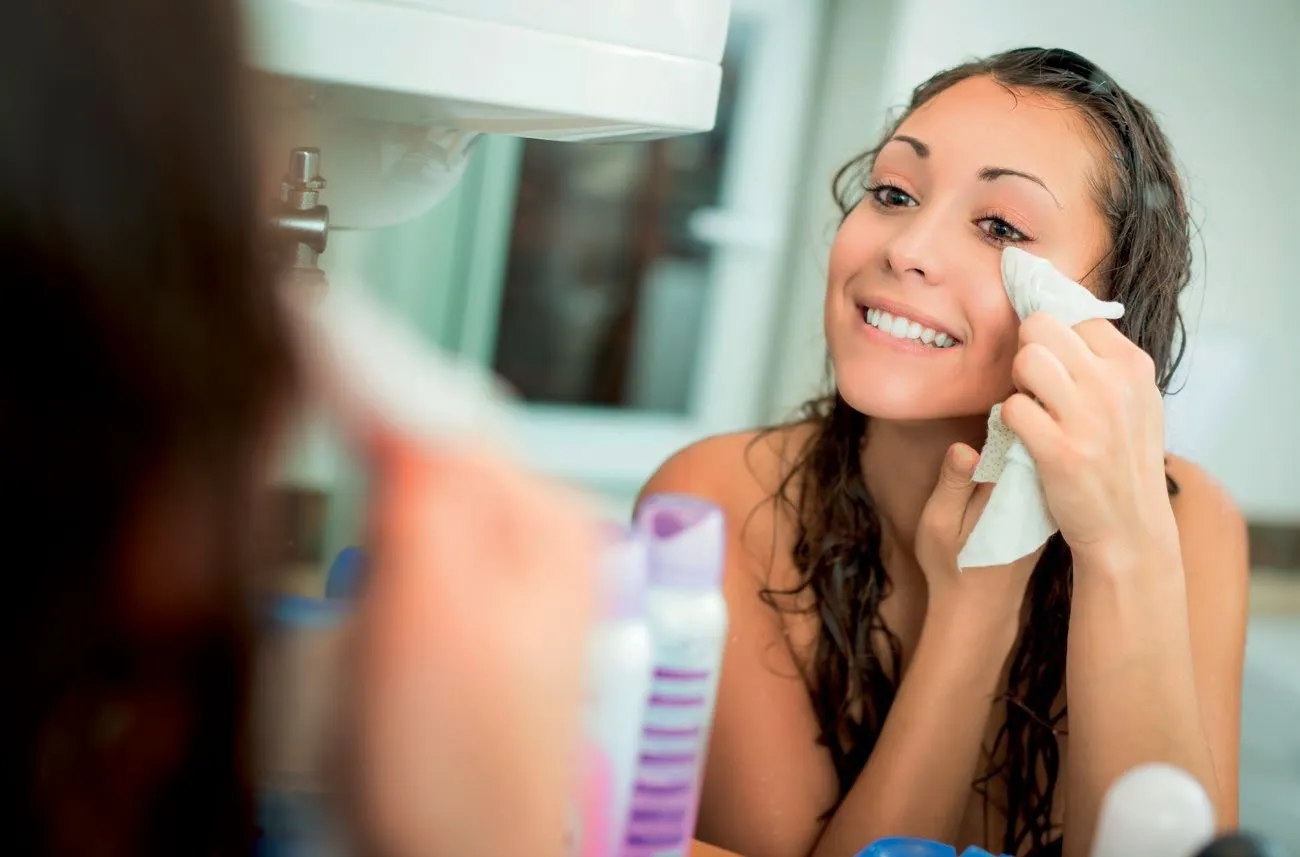




It’s hard to win these days. The list is endless when it comes to staying on top of our beauty game – swapping red meat for fish, turning vegan to avoid hormone-laced meats, and stop looking at the bread counter in the supermarket, and squinting our eyes trying to read (between the lines) the cosmetic labels. And yet, we get entangled in the world of misleading promises (read organic, paraben-free, blah, blah). But, the problem may lie somewhere you are not looking.
It may be your water. Before you write meticulous water-less suicide note, we suggest you read further.
 L’Officiel India DigitalRead L’Officiel India in the digital libraryEvery issue and every cover story, on TCG Media.Read now
The water that we use to wash our face may be the cause of all your skin and hair woes. By hard water, we mean the level of minerals and heavy metals found in tap water.
The ‘hardness’ or ‘softness’ varies depending on where you are, but chances are, if you live in a city, you are exposed to hard water. The harder your water is, the more difficult it is to rinse off products such as soaps and shampoos. The truth is water (whether hard or soft) can be damaging to skin, causing eczema, redness and acne.
Metals like copper, iron and lead react with our skin and oxidise, creating increased free radicals responsible for the breakdown of elasticity and collagen. Even after towelling off, these metals can cause our skin’s natural oils to transform from liquid to wax. Meaning? It will clog the pores and result in acne.
Suppliers add chlorine to disinfect water to avoid disease-causing organisms. The abrasive chemicals can induce dryness and irritation. Have you noticed how tight your skin feels after swimming in a pool? That’s because chlorine strips skin of its natural oils, as well as protective proteins that exist on the top layer of the epidermis, intensifying the appearance of wrinkles. Phew!
Think of it this way. We would never drink water straight from the faucet. Almost every single home, office, and restaurant has a filter. “It’s driven into our minds to boil or filter water before we drink it. But, no one thinks twice before washing our face and hair with unfiltered water. It disrupts our pH balance and dehydrates the skin,” says dermatologist Dr. Rashmi Shetty of Ra Skin and Aesthetics Clinic, Mumbai. And all these years we judged actors for acting too pricy, who used filtered water to drink and wash!
Does this sound like a hopeless quandary? The French answered it for us, and the answer is not hopeless. The story goes like this. Hard water in French cities made it impossible for women to remove their makeup. Micellar water was invented. Removers and cleansers were made with purified water. Women started using a cotton pad to remove makeup, every single day. Basically, they adopted a rinse-free routine. After two years of adopting a ‘tapless’ regimen, dermatologist Dr. Sharad of Skinfiniti Aesthetic and Laser Clinic noticed vast improvements in her once sensitive and dry complexion. “I followed up the regime with a monthly chemical peel to exfoliate the built-up dead skin and prevent breakouts,” she says.
For those who shudder at the thought of a rinse-free regimen, Dr. Shetty suggests using bottled water. “Spring water still has a degree of hardness to it, but it’s much softer than tap water,” she says. If the immaculately clean (and hassle-free) feeling of a shower is non-negotiable, installing a filter is a good idea to sift out chlorine and other toxins. However, an at-home filtration system cannot remove chloramine (sometimes used as a secondary disinfectant) and microscopic heavy metals that are present in the actual solution of the water. Water softeners can also be added to your home’s water system to minimise mineral content, but it cannot remove chlorine.
While some dermatologists swear off the municipal reservoir, others aren’t too convinced. “Provided that treatment is well regulated by the municipality, tap water does not cause problems when used on the face,” says Dr. Madnani of Dr. Madnani Skin & Hair Clinic. “One can avoid tap water only if the skin’s surface has been injured to avoid inadvertent bacterial contamination.”
Author Amy Livingston in her book Bottled Water vs. Tap Water argues that bottled water isn’t always the better option. In most places, tap water is just as safe to drink as bottled water, she writes. According to the Environmental Protection Agency, tap water is subject to the exact same standards as imported American brands (like Aquafina, that are widely distributed in India). However, companies aren’t required to submit the same annual consumer report as municipal water systems.
Dermatologist Dr. Kiran Lohia of Lumiere Dermatology, New Delhi claims that more patients are coming to her clinic complaining of eczema and rosacea than ever before. Whether or not tap water is to blame for increasingly sensitive skin, Dr. Lohia believes that bottled water, water filters, and softeners can be of help. “People who have switched to a tap-less lifestyle have found a noticeable difference in both skin and hair health and appearance.” Let’s bottle!
From the March 2018 issue of L’Officiel India.
Spotted a mistake, or your photo used without permission? Report a correction