Stoned: Peerless Pearls & Ravishing Rubies
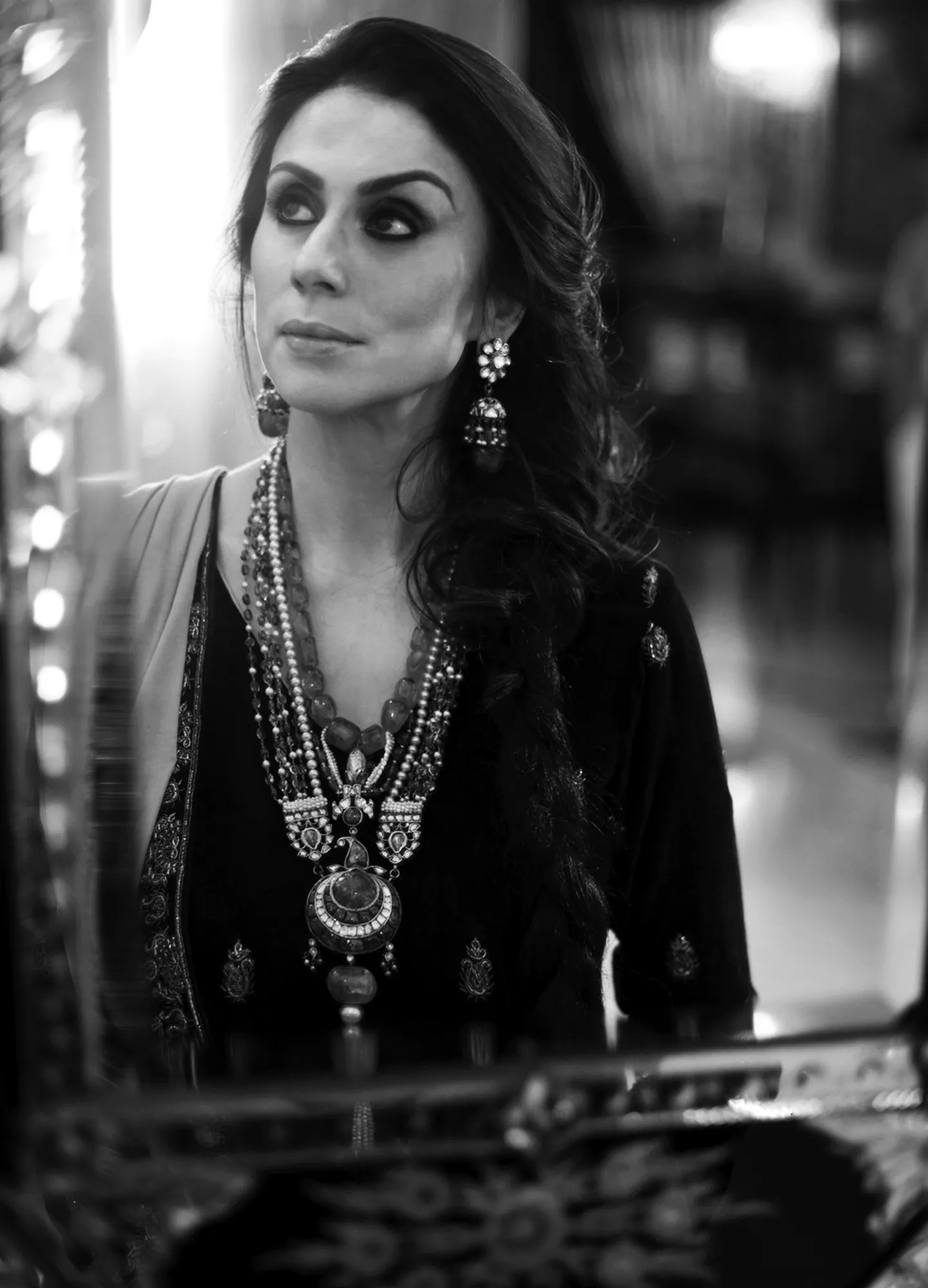




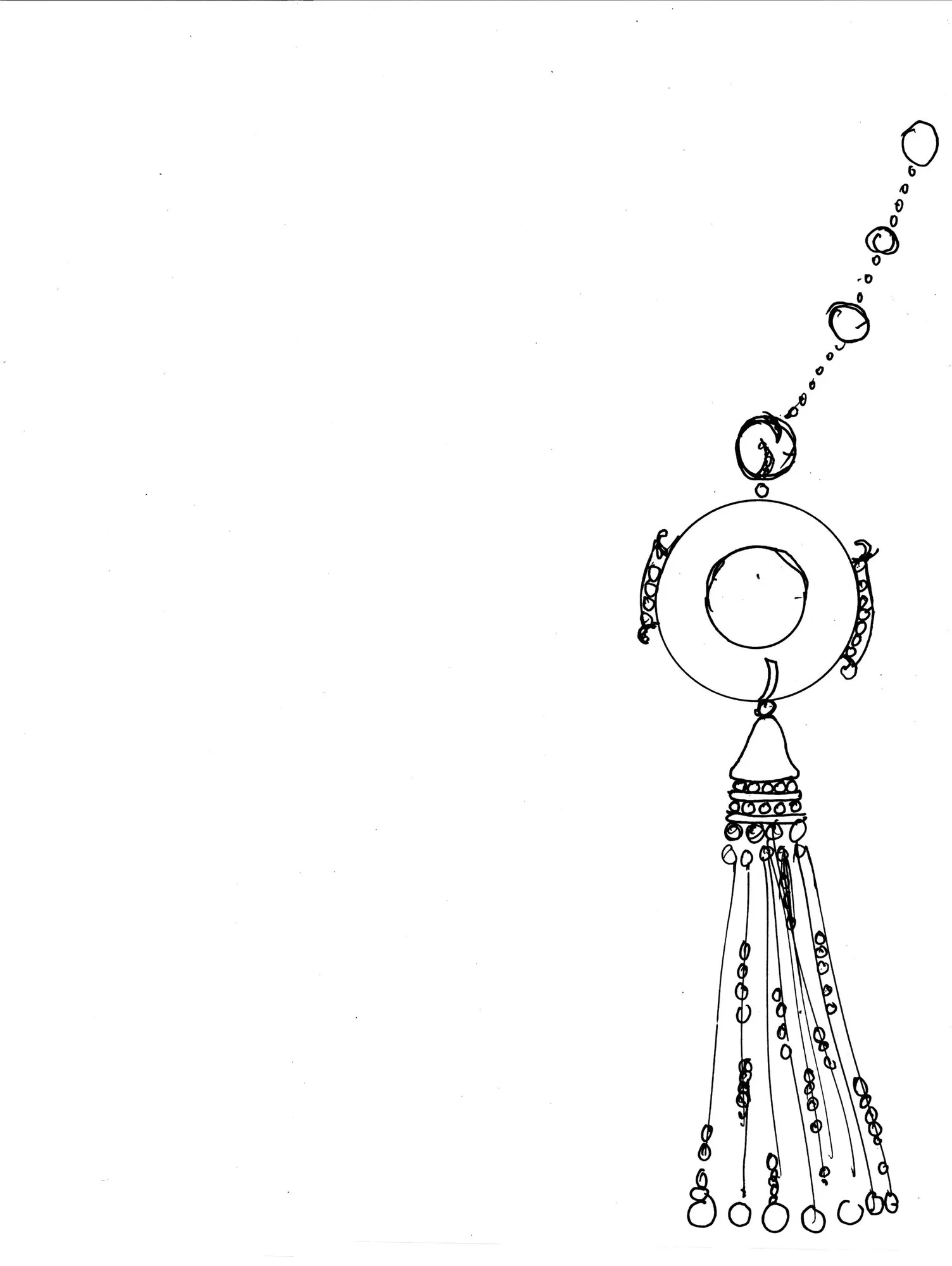
Six jewellery designers reinterpret gemstones, through sketches that have been used in jewellery making, since time immemorial, and continue to sparkle and allure women, the world over. Be it pearls, opals, emeralds, rubies, sapphires or everlasting diamonds, precious stones never seem to lack lustre.
Peerless Pearls: Alpana Gujral
What makes pearls so desirable?
 L’Officiel India DigitalRead L’Officiel India in the digital libraryEvery issue and every cover story, on TCG Media.Read now
Pearls in combination with precious and semi-precious gems, provide a modern interpretation to a classic look. Even with such a wide range of shapes and colours, pearls possess a classic elegance that is enhanced, when combined with other metals.
What are the precious varieties of pearls?
Natural pearls are the most rare and valuable. They occur without any human assistance, unlike cultured pearls which are created. South Sea cultured pearls are large and luxurious. They have very high lustre with few visible blemishes.
How do you identify good quality pearls?
Unlike diamonds, there are no steadfast rules when it comes to pearls, but there are grading systems that are used to assess them. Colour, size, lustre, surface perfection and shape, all help to define quality standards.
Do you think pearls work well, both with ethnic and contemporary style sensibilities?
Yes, they go well with everything and are fitting for all occasions—work and evening included.
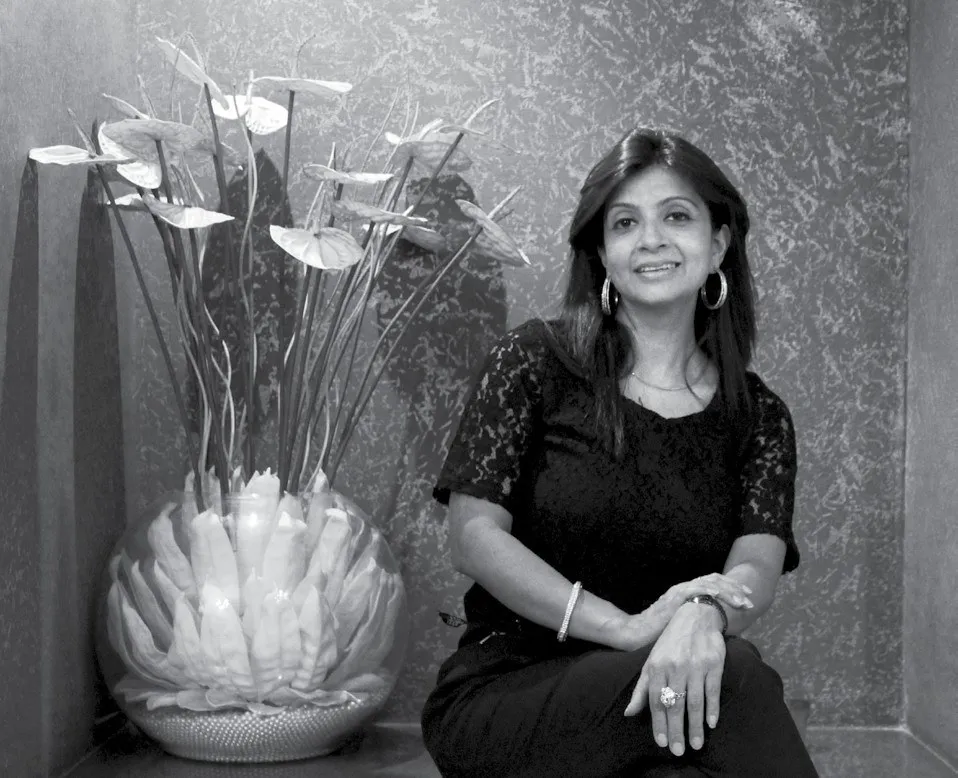
Ravishing Rubies: Pooja Juneja
What are the advantages of rubies?
Its acceptability and extensive use, be it as a centre-piece or a secondary stone. The red colour happens to work very well, both with gold and Indian skin tones. Rubies are second hardest to diamonds, and hence, the setting tends to happen more effectively.
What are the current trends in rubies?
Ruby became the coloured gemstone of the year in 2015. From red carpets to international jewellery auctions–one can see rubies everywhere. Rubies set in gold, rose gold and black rhodium finish are in vogue. Multiple ruby strands twisted together with diamonds are a trend.
What are the varieties in rubies?
Geographical regions differentiate rubies. A Burmese ruby is a deep blood red, whereas a Thai ruby has a brownish hue. They are also procured from Vietnam, Tanzania, Madagascar and Afghanistan. A ruby of a superior quality is usually from a vibrant red to a purplish red colour. Fine quality rubies over one carat are very rare, but commercial-quality rubies are commonly available in a wide range of sizes and shapes. Common shapes include a flat, tabular, hexagonal form, but ruby crystals from some sources are mostly elongated. And fashioned rubies are ovals and cushions, with brilliant-cut crowns.
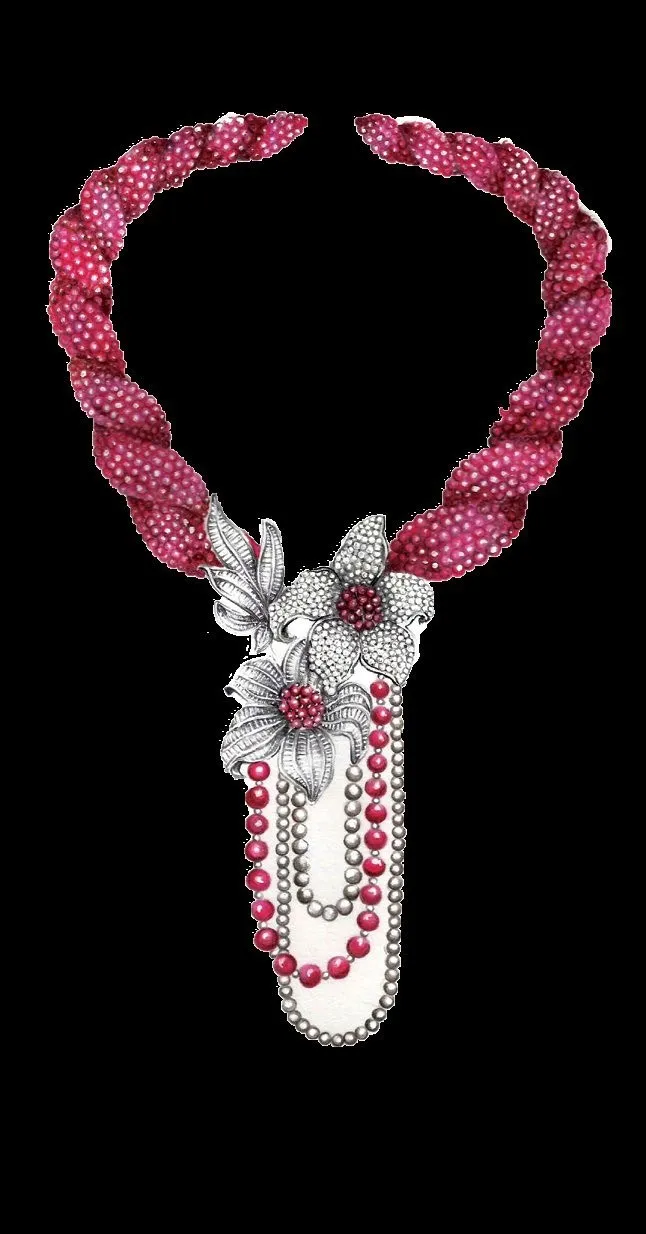
From the January 2016 issue of L’Officiel India.
Spotted a mistake, or your photo used without permission? Report a correction