Geeta Khanna: The Style Dictator





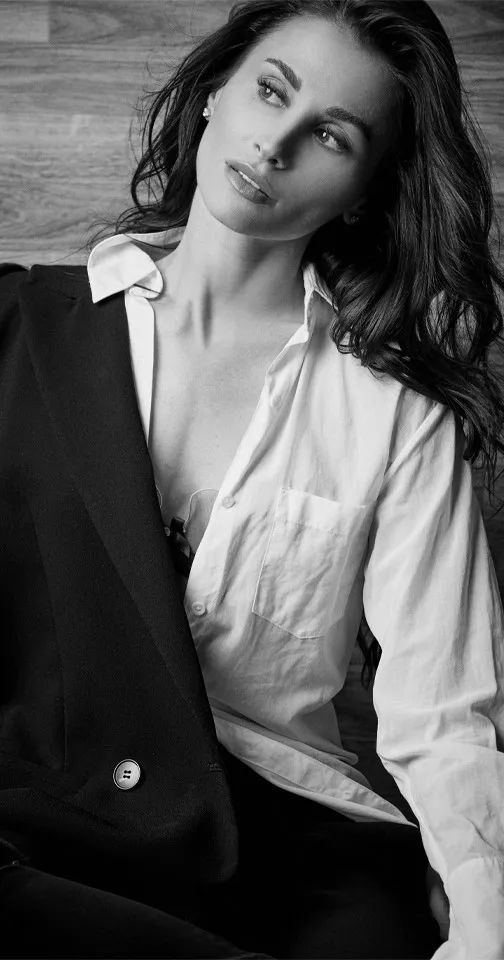
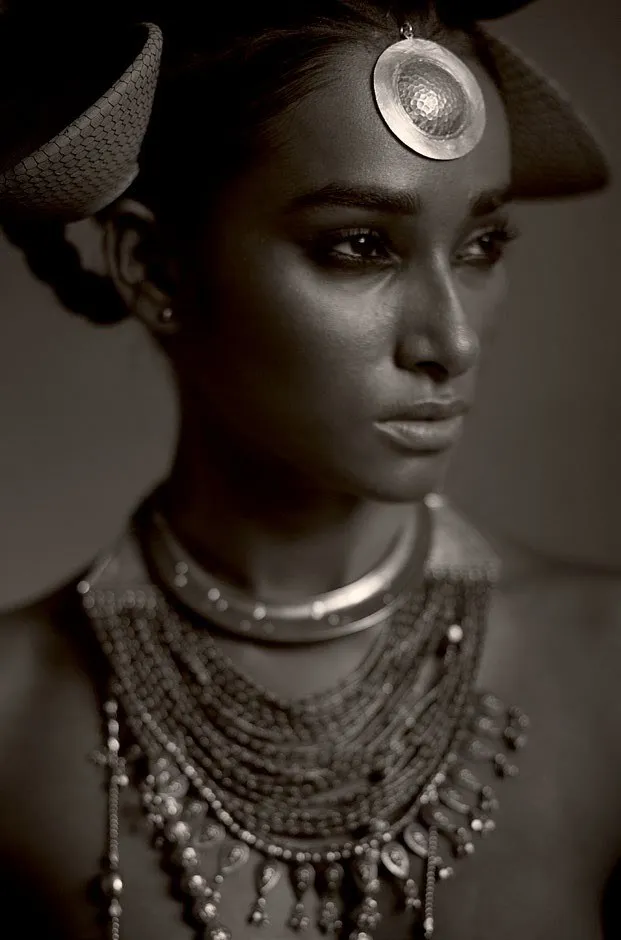
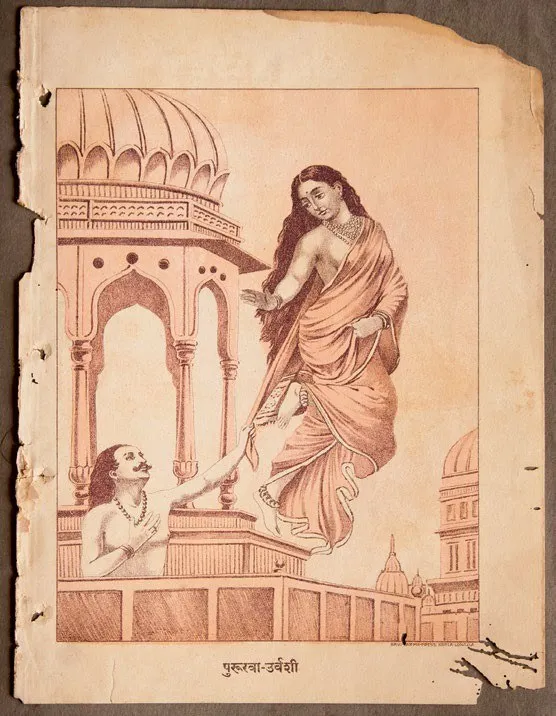
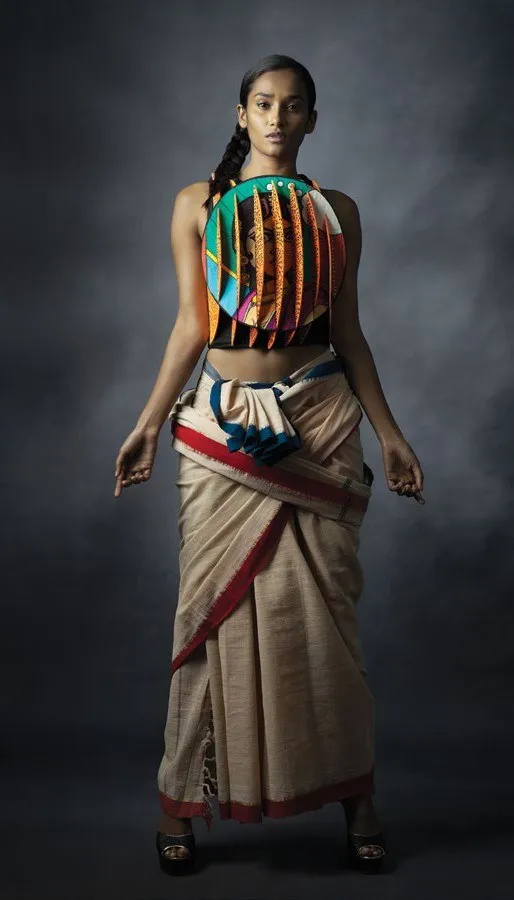
Stylist to many celebrities and personalties, Geeta Khanna in association with her company Hirumchi Styling and Hachette India, has released Style of India, a coffee table book that chronicles the evolution of fashion. She speaks to us on her journey of styling and the making of the book.
What inspired you to come up with a coffee table book on style? Was it easy to research and capture so many eras, genres and stalwarts of fashion and style in one book?
 L’Officiel India DigitalRead L’Officiel India in the digital libraryEvery issue and every cover story, on TCG Media.Read now
As an idea, Style of India burgeoned due to my stint in New York. People often asked me about Indian fashion–it was restricted to saris, Bollywood or a few popular Indian designers. I realised that abroad people were unaware of how talented and progressive Indian creative professionals are. There was very little information on the body of work that had evolved over thousands of years. It then occurred to me that there is no ‘modern presentation’ of India out there for them to see, when it came to style and fashion—just various snippets. And this was not just about foreigners. In India too, there was no unifying work that brought the various elements together in a single accessible point. Yes, it was challenging to find a ‘method to the madness’–India with its diversity, parallel fashion and culture phenomena. I think it was easier to simply take the historic timeline approach and weave around it, which is what I did.
How long did it take to complete the book? Were there any challenges or any discouragement at any point?
The thought was brewing since 2007, but I started working on the book full time end 2010. I think I had the ‘beginners’ luck initially, and landed a publisher and a sponsor for my first shoot for the book, even before I started working on the manuscript. But things were very rough 2013 onwards, and several things that I had not anticipated started to emerge. I was frustrated enough at a point to simply ‘sell’ off the entire work of three years…but I held back.
What aspects of fashion did you encapsulate in the book that you think are otherwise forgotten or neglected, when we speak on this and its related subjects?
I think that we attach too much importance to spring-summer and autumn-winter fashion clock. This is much more relevant when fashion is a mainstream business, as it is and was in the west when it emerged. But we should not forget that in India, we dress according to festivals and events such as wedding, ceremonies, or when we initiate our children into student life. Somewhere, we have lost touch with this side of our culture, which is the very defining feature of our lives as Indians. I think when I did the first event to promote Sally Holkar’s effort to help the women who work for Maheshwari handloom as the first ‘Heritage and Style of India’ event, I presented a concept that has since then snowballed into a fashion mainstay. We did this in April 2013, where we invited designers to send some of their tunics, and corsets that we teamed with khadi and handloom saris. Today, I don’t need to even say anything more than this, it was picked as a huge story by a fashion magazine in just six months, and then it was all over the fashion weeks. But what is still neglected, I believe is the deep dive into our cultural nuances and extracting from it.
Tell us more about your company, Hirumchi Styling? What are some of the milestones in the course of its being?
It started as a fashion syndicate for fashion trade magazines in India; we used to style trade fashion shows, and sometimes advice brands with media buying, art direction and execution of art works. As a start-up, we were doing very well with a tight team of about five people. Then things changed in a big way after I started work on the book as a full time project. I cut down on business and eventually laid off most of my team, whom I used to absolutely love. I almost became three people myself, because I started reading, spending time in libraries and looking for information. By 2012, I think I was looking more like a scholar and less like a stylist or a business woman! Some of the milestones of Hirumchi Styling Company include setting up the identity of the brand Alberto Torresi amongst several others, styling for Sportswear International–India edition, starting the Heritage and Style of India platform that promotes Indian handloom, craft and art.
Do you see an evolution, when it comes to hiring stylists? Has there been a surge in the demand for personal stylists beyond celebrities and actors?
Absolutely! The stylists today are very slick, up and with it. I am extremely proud of the new crop of professionals in India. Styling as an industry is just starting, it will get better and better, as people want to be treated like ‘stars’ and want to express their own selves.
When it comes to styling, are there any fundamental differences between Indian and international clientele? Any strange requests that’s given you jitters?
The fundamental difference between international and Indian clients is that in India people don’t understand the value of the service as much. Unless you are selling them something tangible like a product, they don’t see any reason to pay. Service industry at least in services like styling is not as evolved. Internationally, people value service time, they see the value in a skilled professional advising them, and are willing to pay for it.
There are always problematic clients. That is just an occupational hazard that every styling company or stylist copes with. You get better at dealing with them as the years go by. In styling the first tenet is nothing can be too strange, and even if some ideas make you roll on the floor with laughter…it’s still an idea to be considered, fashioned! But it’s a part of the fun of styling!
What are the pre-requisites to becoming a good stylist?
Apart from an innate talent for styling, I would say ‘attention to detail’, and being able to remember tons of things, high physical stamina, patience and an eye for line, form, curve and colour.
There is a large debate on Indian fashion getting overwesternised? Do you think we need to draw a line?
There’s nothing called ‘over westernised’, in my opinion. It’s all part of globalisation. Even growing up, you go out, you have fun with other cultures and then you come back and start valuing your own.
There is often a dichotomy in how you look and who you are from within. While styling someone, did you ever feel the pressure to bridge the gap?
I don’t see any dichotomy. It may sound strange, but to me every client is a ‘form’ that I ‘work’ with. And here the word ‘form’ includes the inside and the outside of that person. I have seldom felt pressure in my work.
Who is your favourite designer or design house, both Indian and international?
I don’t have favourites because I think that everyone has some kind of a genius in them. It’s important to focus on that point and ignore the rest.
What’s your take on the current fashion scene, with fashion designers emerging in every nook and corner of the city?
I think we are experiencing a ‘fashion explosion’, which is in fact an outcome of the online selling platforms, paired with our ability to produce in India. It is fantastic. Today, when I see girls walking to a metro station, they are also attempting a fashion statement, it might or might not be making the cut, but at least there is an effort—a new consciousness, as it were that is permeating the average and not merely the exception. That’s the beginning needed; and soon it will get better.
Where does Indian fashion excel, and where does it lack?
The negative is definitely the compulsive habit of aping western fashion to the point of absurdity. Sometimes hideous amalgamations have emerged from marrying international ‘now’ fashion to Indian cultural silhouettes. Also, many people want to be in fashion for all the wrong reasons such as the ‘so called’ fame and glamour. Often the designers are groping in the dark with what to make or sell they will show bridal wear, fusion of casual and beachwear, all in the same breath, which to me is appalling. It is an unorganised struggling sector. India’s biggest asset is its craft skills and handlooms. It lacks in ‘clarity of thought’ on what to present and stay with it. That is why in the past fifty years, we don’t have even one fashion house to reckon with like Chanel or any other
Which country according to you has the most stylish women?
Stylish women can be found everywhere, but if you want me to pick a country–it would be Lebanon.
Art encourages fashion, how can fashion contribute to art?
Fashion is the ‘applied’ version of art. Because you can live your life in fashion. You can only look at art. Fashion can contribute to art as much as art contributes to fashion. It’s how you take it.
Who according to you are the icons of style? Men and women... Someone, you aspire to style and you haven’t so far?
There are several people who make the cut, because sometimes everyone’s style statement can be iconic not all the time. I look for that, I admire it and also remember it and then it’s a new icon the next day for me, who ever will catch my eye. I would like to style a Chanel Fashion Show if I can get that opportunity!
If not for dressing up, what according to you, makes a man or a woman stylish?
How centered they are within themselves. That’s what makes a person truly stylish.
If you were to invent a piece of garment, what would it be?
More than a garment, I would invent a software that creates the best composition to wear so that it is available to you in five minutes.
How do you define your personal style?
Couture Sportswear.
Tell us a bit about your growing up years?
I lived in Punjab until I turnrd 18. I grew up in Patiala, a small princely town with tons of style and sports. Growing up was about going to NIS for swimming, school plays, news reading and school choir singing. Also, trekking trails around Shimla, visits to Amritsar and Batala once a year with all my cousins and sleeping on the terrace with fans.
What are your other interests?
Yoga, music and horses.
From the November 2016 issue of L’Officiel India.
Spotted a mistake, or your photo used without permission? Report a correction