From Palace Opulence to Private Vaults
More than gifts, these are annual, highly anticipated commemorations of the Russian Empire’s status. Their stunning surprises and masterful craftsmanship represent the pinnacle of Gilded Age artistry.
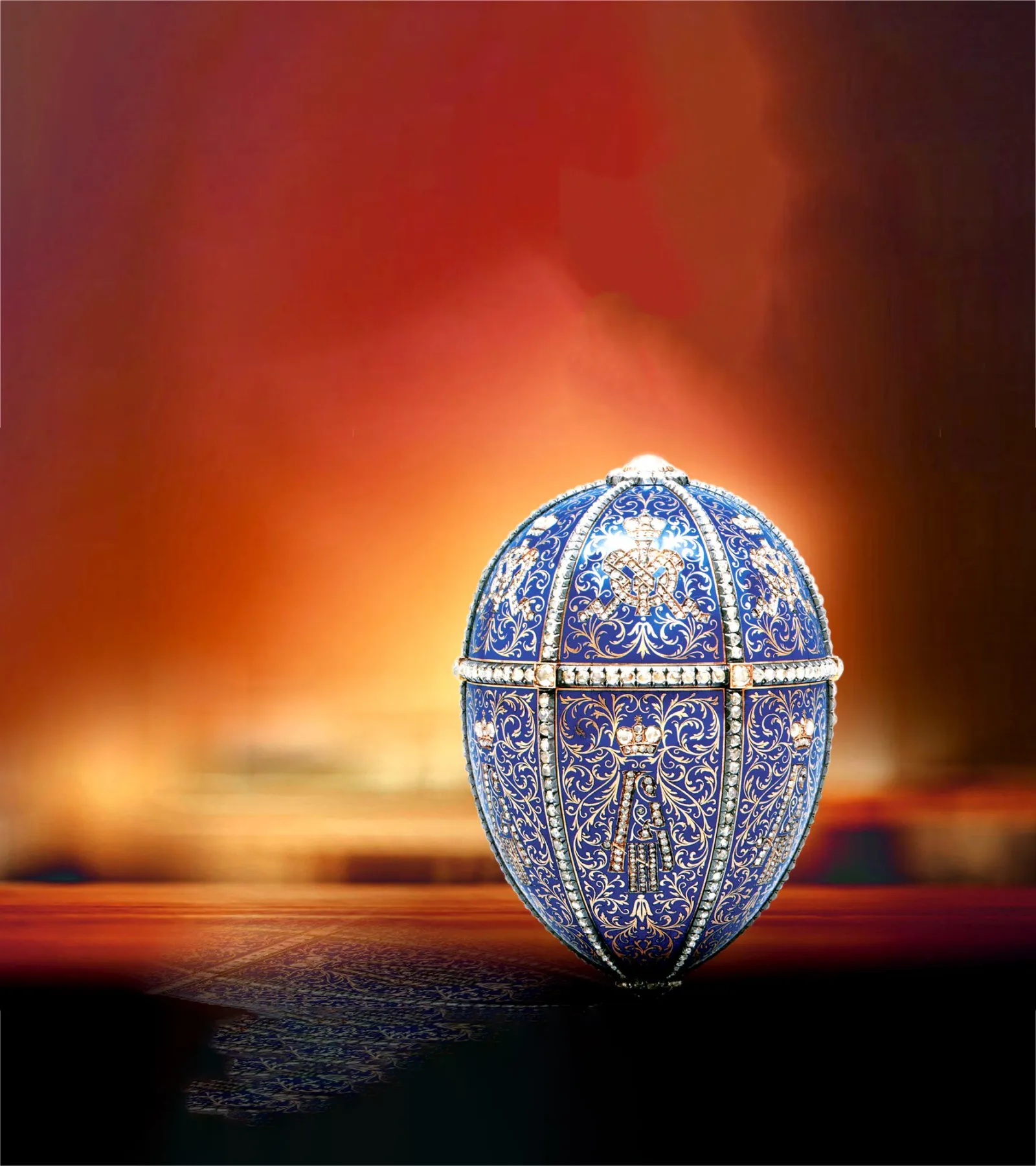




The Fabergé Imperial Easter Eggs are not merely exquisite decorative objects but potent historical commissions detailing the Romanov dynasty's final, volatile years between 1885 and 1916. Created by the House of Fabergé under the guidance of Peter Carl Fabergé, these artifacts served as annual, highly anticipated commemorations of the Russian Empire’s immense wealth, power, and personal milestones, offering a jeweled chronicle of its decline. The tradition began in 1885 when Tsar Alexander III sought a unique Easter gift for his wife, Empress Maria Feodorovna, commissioning the First Hen Egg. This act established two non-negotiable standards for Fabergé: absolute secrecy surrounding the design and the inclusion of an integrated, stunning "surprise" concealed within the egg's shell. By granting Fabergé full creative autonomy, the Tsar performed the ultimate vetting of an artist, elevating him to a status unprecedented in Imperial appointments. Fabergé's ability to maintain this strict secrecy year after year became a unique measure of the House’s discretion and loyalty to the crown. Following Alexander III's death, his son Nicholas II continued the tradition, doubling the commission to present one egg each year to his mother, the Dowager Empress Maria Feodorovna, and a second to his wife, Empress Alexandra Feodorovna. Fifty Imperial Eggs were eventually delivered. The historical significance of each one is embedded in its personal narrative and flawless craftsmanship. Fabergé utilized advanced techniques like guilloché enamel work and an array of precious materials—including Siberian nephrite, rock crystal, platinum, and thousands of diamonds. Each egg was a historical snapshot: the 1897 Coronation Egg honored the Tsarina’s entry into Moscow with a detailed replica of her coronation carriage. The 1913 Winter Egg, designed by Alma Pihl, was the most expensive ever commissioned; its rock crystal shell resembled a melting iceberg, showcasing lavish spending that increasingly alienated the monarchy from its subjects.
The historical narrative shifted dramatically with the outbreak of World War I. The commissions of 1915 and 1916, such as the austere Steel Military Egg, used less precious materials and adopted sombre, patriotic themes appropriate for a nation at war. The entire tradition came to an abrupt end with the Russian Revolution of 1917, marking the demise of the Romanovs. The eggs were confiscated by the Bolsheviks and nationalized. During the 1920s and 1930s, Joseph Stalin authorized the sale of many to Western buyers to raise foreign currency, inadvertently transforming them from symbols of Tsarist excess into international objects of desire. Today, 44 of the 50 Imperial Eggs are known to have survived, resting in major museums and prestigious private collections and serving as the last, glittering vestiges of a fallen empire.
What: Fabergé Imperial Easter Egg
Price: Approx $33 million
Spotted a mistake, or your photo used without permission? Report a correction