Evolution of Men’s Fashion
From tailcoats and zoot suits to bell-bottom pants and everything in between, a brief timeline of the last 100-plus years of men’s fashion.





Times have changed and with everything else, the norms of men’s fashion have also evolved. From the age-old tailcoats to the modern-day custom dress shirts, the transformation has been incredibly fascinating. Through the times, men’s fashion wear has covered a wide spectrum of trends and facade because there has been a history to what men have been wearing.
1910–1919: The detachable collar era
At the turn of the century, many began wearing the “middle-class men’s suit” that originated in England, as opposed to the more decadent knee-length frock coats and elaborate suits of the 1800s. In the early 19th century, men preferred to keep it easy and uncomplicated. Easy three-piece suits, including the jacket, the trousers, and the vest (known as a waistcoat at the time), along with a lighter end to the fabric in shades of charcoal, black and navy, was high in fashion. This decade was known for its propriety and formality, with the additional burden of shoulder pads which is why the selection of clothing was more inclined on the lines of serious and elite sense of fashion originating out of the hands of the class hierarchy.
 L’Officiel India DigitalRead L’Officiel India in the digital libraryEvery issue and every cover story, on TCG Media.Read now

1920–1929: The Jazz Age
The simple trend carried on to the ‘Jazz Age’ or the mid-20s with a new take on life, as postwar optimism was reflected in everything from clothing to music. The suits were simple, but lighter colours began replacing the black, charcoal, and navy of the previous decade. Shoulder pads disappeared, and men began wearing tighter-fit jackets with sloping shoulders. Bow ties became more casual as silks were replaced with a variety of knits.
By the mid-’20s, button-down shirts with detachable collars and softer fabrics became the norm. The white striped shirts of the previous decade were replaced with an explosion of colour. Men began tying Windsor knots with their ties, which meant that club collars were replaced with pointed spread collars to accommodate the style.
1930–1959: The economic-crash conserve fabric age
When the global economy came crashing down, taking the fashion industry down with it in 1929, cutbacks in clothing production and fabric rationing resulted in the restructuring of men’s suits in an attempt to maintain style despite cutting back costs. The “Superman” silhouette became popular, featuring extra broad shoulders, thin waists, and tapered legs, combined with men’s trousers that sat exceptionally high up–about 3 inches above the navel–and hung down in long, straight columns.
Meanwhile, in the late 1930s, the swing era where jitterbug and swing dances were a “thing”, zoot suits happen to bring in a new element to the floor. They required excessive fabric sleeves, with pants worn tight at the waist with a keychain, accessory to be hung around.
1960–1969: Beatles on stage!
A big breakthrough in men’s fashion came in this era where work culture got relaxed and people walked into offices in army coats and denim jackets. The ’60s were considered “youth-driven,” with trends set by subcultures: mod, rocker, hippie, and fashion, as a result, was as bold as it was lighthearted. Beatles on the other hand gave essentiality to straight cut suits, skinny ties, and signature haircuts. While it was inspired by the on-stage arena of a band, this decade of fashion was a kickstart to the time of casual in the formal men’s play game at their nine to five desks.
1970–1999: The high into the casual era
Some say that fashion from the ’70s came from another planet–and we’d be hard-pressed not to believe them. The ’70s were a crazy time. Styles that would’ve been laughed at just 10 years prior became big.
As synthetic fabrics came about, materials dropped in price, and travel and shipping became easier, fast fashion was the name of the game. By 1972, platform shoes and bell bottom trousers were menswear staples. Leisure suits and tracksuits were also popular. Bell bottoms were paired with suits and wide collar shirts in varying patterns from loud florals to polka dots to plaid and everything in between. This was a direct reflection of the era’s air of spontaneity and indulgence.
Similarly, the economic boom in the ’80s, coupled with a newfound attitude toward success and power dressing, made for a very self-conscious and gluttonous (at least, in terms of materialism and excess) decade.
2000–2019: Fusion of modernity around
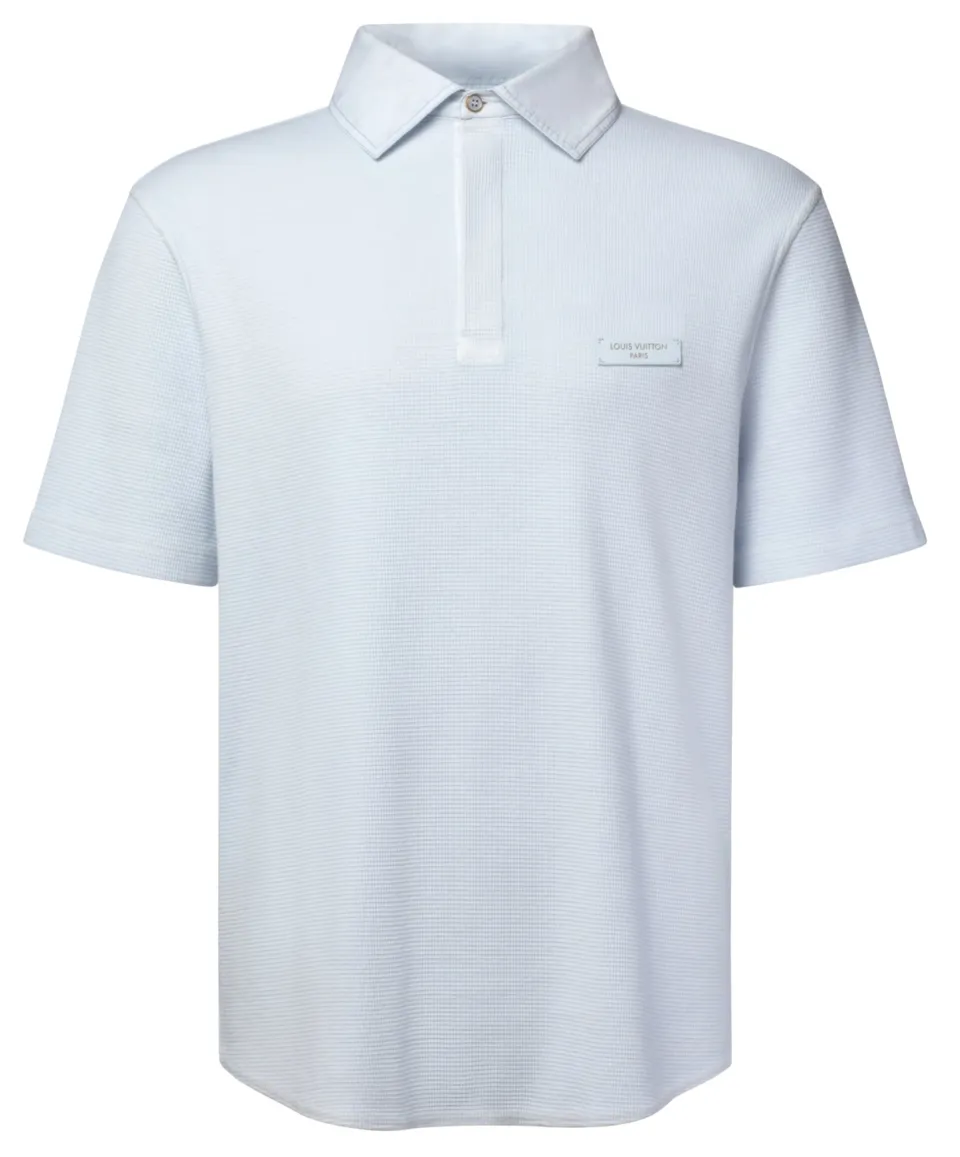
The early 21st century featured low-rise jeans and light-coloured polos, voicing a simple yet unapologetic look, along with cargos, khakis, aviators, flip-flops, and boxers. While the later decade witnessed the ’20s prep style, including the casual looks with added class. This also grew to be athleisure, along with rave bracelets bringing out a new rebellious charm to the decade. Luckily, this year, after experiencing an abyss of traumatic events, experts have called for comfort and simplicity as the key to men’s fashion. Now, unless you walk out of the door with the most gibberish attitude and anything which suits you, a legacy will remain yet to be followed.
From the July 2021 issue of L’Officiel India.
Spotted a mistake, or your photo used without permission? Report a correction