The holidays are here, and that can only mean one thing: delicious feasts, endless sweets, and a time of joyous indulgence. But for those practicing intermittent fasting (IF), the holidays can present a unique challenge. How do you balance a regimen of eating within specific windows while navigating the tempting smorgasbord of holiday treats, cocktails, and family dinners?
Good news! With a little planning, you can enjoy the festive season without feeling like you're missing out. Intermittent fasting during the holidays is absolutely doable—and even fun—when approached with the right mindset. Here’s how you can navigate the holiday season and make the most of both your fasting routine and the festive food spread.
Navigating the Holiday Feast with Intermittent Fasting
Plan Your Fasting Schedule Around Events
Good news! With a little planning, you can enjoy the festive season without feeling like you're missing out.
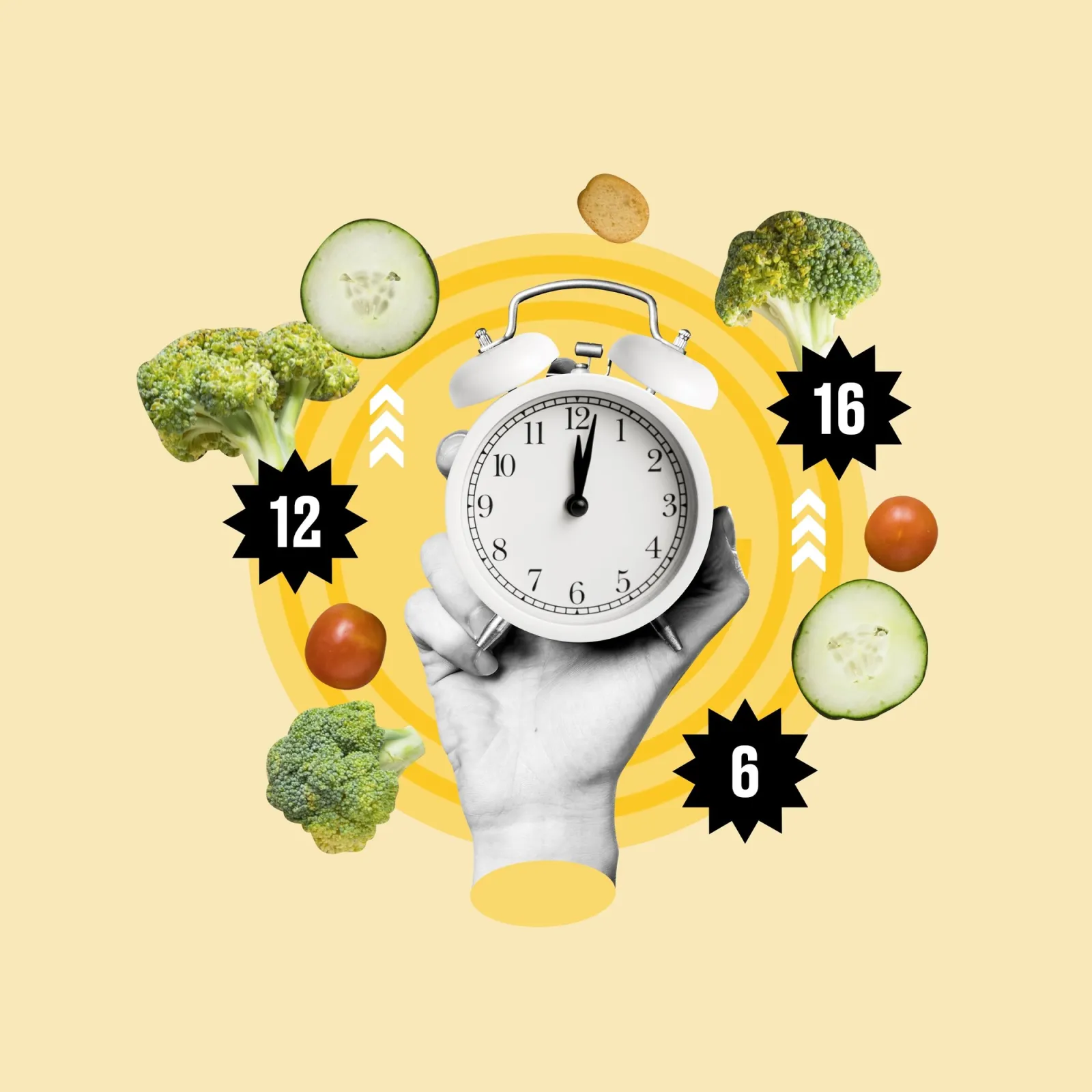
It’s all about timing! One of the great benefits of intermittent fasting is its flexibility. So, rather than rigidly sticking to your regular fasting schedule, adjust it to accommodate holiday meals. For example, if you know that a festive dinner will be served in the evening, consider pushing your eating window to later in the day. If you’re doing the 16:8 method (fast for 16 hours, eat during an 8-hour window), you can simply shift the start of your eating window to coincide with the dinner timing.
Opt for "Fast-Friendly" Holiday Foods
Yes, there are options on the holiday table that won’t throw you off track! Think about it—while you may be surrounded by rich gravies, mashed potatoes, and sugary pies, there are plenty of nutritious, filling foods that fit within the IF philosophy. Fresh veggies, lean proteins like turkey or grilled salmon, and fiber-rich dishes like roasted Brussels sprouts can be filling without sabotaging your fast. You can still indulge in a small serving of dessert, but opt for a few bites of the pie or cake rather than diving into a massive slice. Quality over quantity, right?
Stay Hydrated
During a fast, hydration is key. But with all the festive drinks circulating—like mulled wine, eggnog, and sugary punches—it’s easy to forget about water. Drinking enough water not only helps you stay on track with your fasting but also curbs hunger and prevents overeating. Hot herbal teas or sparkling water with lemon can be a refreshing, festive alternative to calorie-laden beverages. And hey, you can even get creative and make “mocktails” that are both hydrating and holiday-themed.
Burn Off Those Holiday Treats with Fun Activities
Staying active during the holidays doesn’t have to mean hitting the gym after every meal (unless that’s your thing). Why not get outside for a holiday walk or hit the ice rink for some fun? Dancing around the living room to festive tunes counts as cardio, too!
Be Mindful of Portion Sizes (Without Going Overboard)
It’s easy to get carried away with all the delicious options on a holiday table. But don’t forget that intermittent fasting isn’t just about when you eat; it’s also about how much you eat. You can still indulge in your favorite dishes but think of it as a buffet, not an all-you-can-eat contest. Take smaller portions of each dish, and savor every bite. When you eat mindfully, your body will thank you later.
The Intermittent Fasting Myth-Busting Series
Myth #1: Intermittent Fasting Leads to Muscle Loss
This is perhaps one of the biggest myths floating around. Many people assume that fasting means you're going to lose muscle mass, but the science says otherwise. When done correctly, intermittent fasting can help maintain muscle while shedding fat. The key is to ensure you're consuming enough protein during your eating windows, which supports muscle repair and growth. Plus, regular strength training (even bodyweight exercises) will further help protect your muscle mass.
The Truth: Your body uses fat as fuel during fasting periods, but it doesn’t just start breaking down muscle. As long as you’re eating nutrient-dense meals, you’re supporting both muscle health and fat loss.
Myth #2: Intermittent Fasting Causes Binge Eating
Another misconception is that fasting leads to binge eating when you break your fast. The theory is that since you’ve been hungry for so long, you’ll end up overeating once the eating window begins. However, this isn’t typically the case for most people who practice intermittent fasting.
The Truth: Fasting, when done correctly, can actually help regulate appetite over time. Studies have shown that intermittent fasting can increase your body’s sensitivity to hunger hormones, making it easier to feel satiated during your eating window. If you’re bingeing after a fast, it’s more likely due to not eating enough during the eating window or choosing nutrient-poor foods.
Myth #3: Intermittent Fasting is Only for Weight Loss
While weight loss is often a goal for those trying intermittent fasting, it’s far from the only benefit. Intermittent fasting has been shown to have a range of health benefits beyond just weight loss, including improved insulin sensitivity, reduced inflammation, enhanced brain function, and even a longer lifespan. It’s not just about dropping pounds; it’s about improving overall health and well-being.
The Truth: Intermittent fasting is a powerful tool for improving metabolic health. Whether you're trying to manage blood sugar levels, support heart health, or simply boost your energy, fasting can be beneficial for a wide range of reasons.





 L’Officiel India DigitalRead L’Officiel India in the digital libraryEvery issue and every cover story, on TCG Media.Read now