
Eat Your Garden
In a world where sustainability and self-reliance are becoming priorities, this gardening style is the perfect fusion of practicality and creativity.
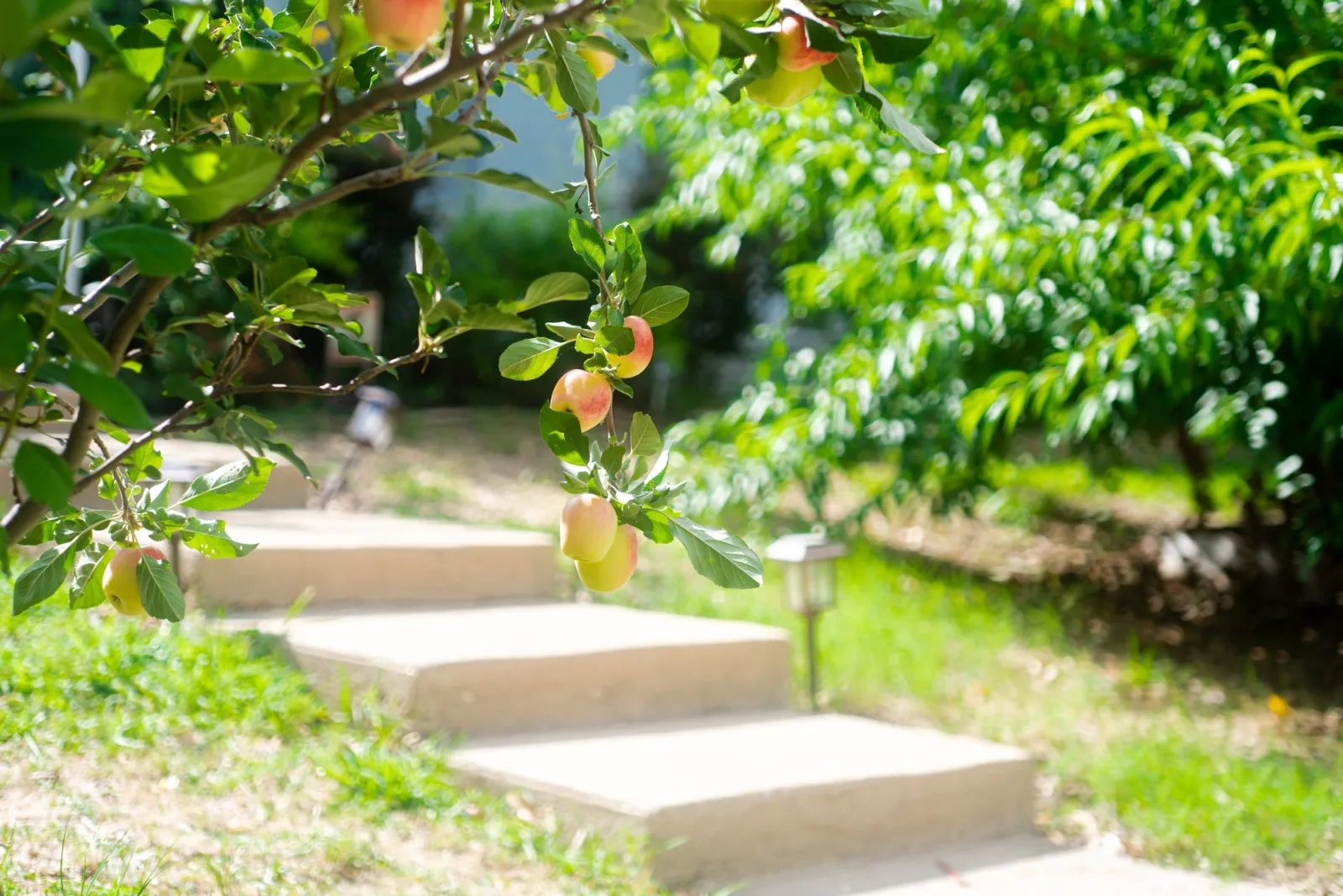




Edible landscaping is redefining gardening in 2025 by combining aesthetics and utility in innovative ways. Instead of segregating vegetable patches and decorative plants, gardeners are blending the two, creating spaces that are as visually stunning as they are functional. From strawberry-lined borders to kale-adorned walls, this trend is transforming traditional gardening into a sustainable, multi-purpose art form.
Strawberries at the Edge, Herbs in the Borders

Borders are no longer just about hedges and ornamental plants. Low-growing edible plants like strawberries, with their vibrant red fruit and delicate white flowers, make excellent border choices. Herbs such as thyme, rosemary, and lavender are also popular, bringing subtle fragrances and acting as natural pest repellents. These plants serve a dual purpose by beautifying pathways while being readily available for culinary use.
 L’Officiel India DigitalRead L’Officiel India in the digital libraryEvery issue and every cover story, on TCG Media.Read now
Kale Walls and Vertical Gardens
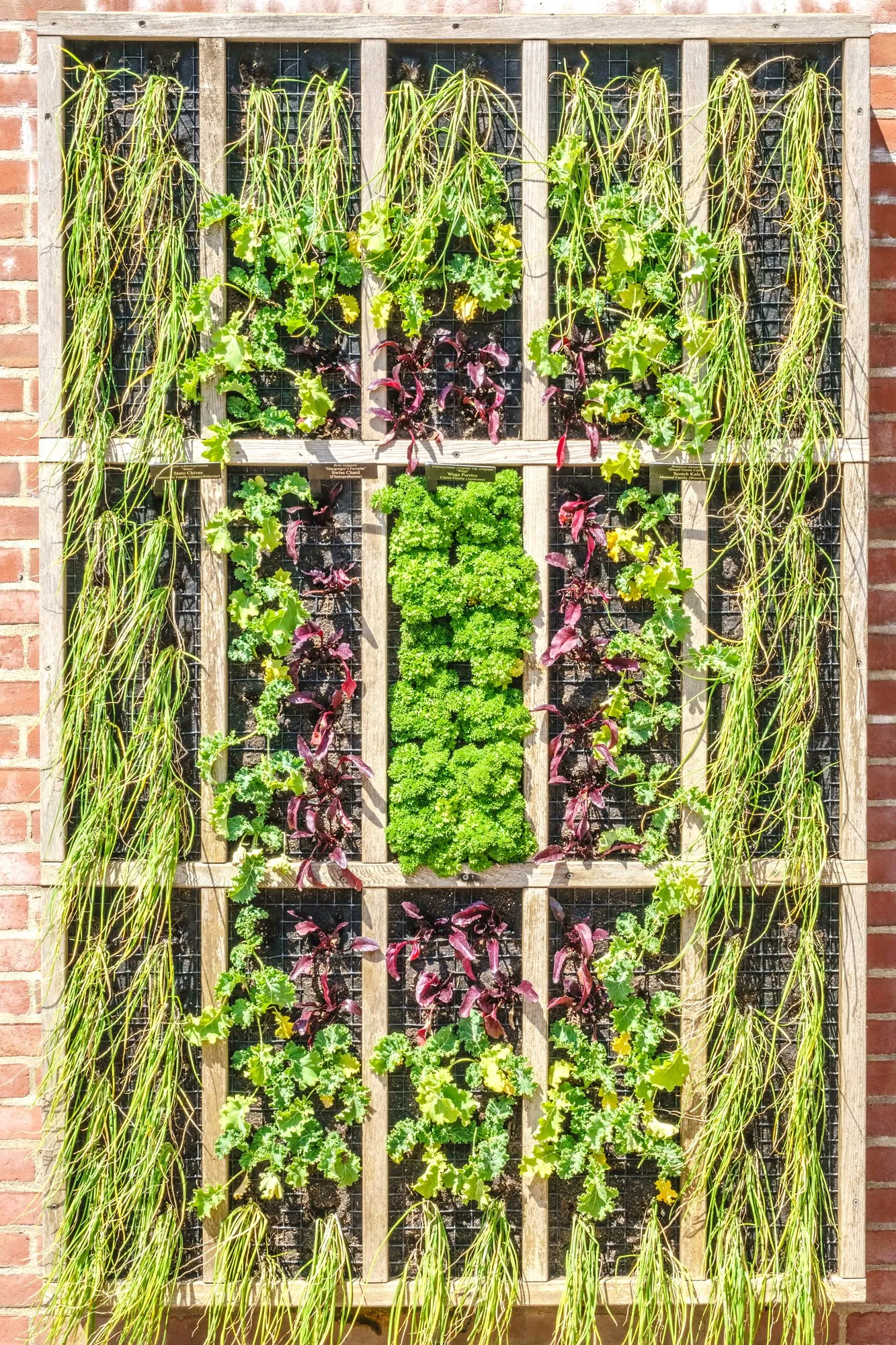
Vertical gardens are evolving to incorporate edible greens like kale, Swiss chard, and lettuce. These plants, with their bold textures and rich hues, turn a plain wall into a living piece of art. Edible flowers like nasturtiums or violas can be added for color accents, making the design pop while being perfect additions to salads or desserts. A vertical edible garden not only saves space but also ensures fresh produce is always within reach.
Instead of segregating vegetable patches and decorative plants, gardeners are blending the two, creating spaces that are as visually stunning as they are functional.
Grapevines and Pergolas

Grapevines, passionfruit, and climbing beans are finding a place in decorative landscaping, especially on pergolas and trellises. These plants provide shade, visual appeal, and seasonal harvests. The cascading vines and hanging fruit create a natural, elegant look while contributing to sustainable gardening practices.
The appeal of edible landscaping lies in its ability to blend beauty with function. A garden that provides food while enhancing outdoor aesthetics is both sustainable and cost-effective. It reduces dependency on store-bought produce and lowers one’s carbon footprint. Additionally, the integration of edibles into landscaping designs reflects a growing awareness of eco-friendly practices.
Spotted a mistake, or your photo used without permission? Report a correction