Easy Peasy
With the advent of modernised societies and our constant need to be connected, we are encouraging the revival of slow travelling, vacations which take their time, more ecological and more together. A bend in the road which beckons the cliental of palaces.




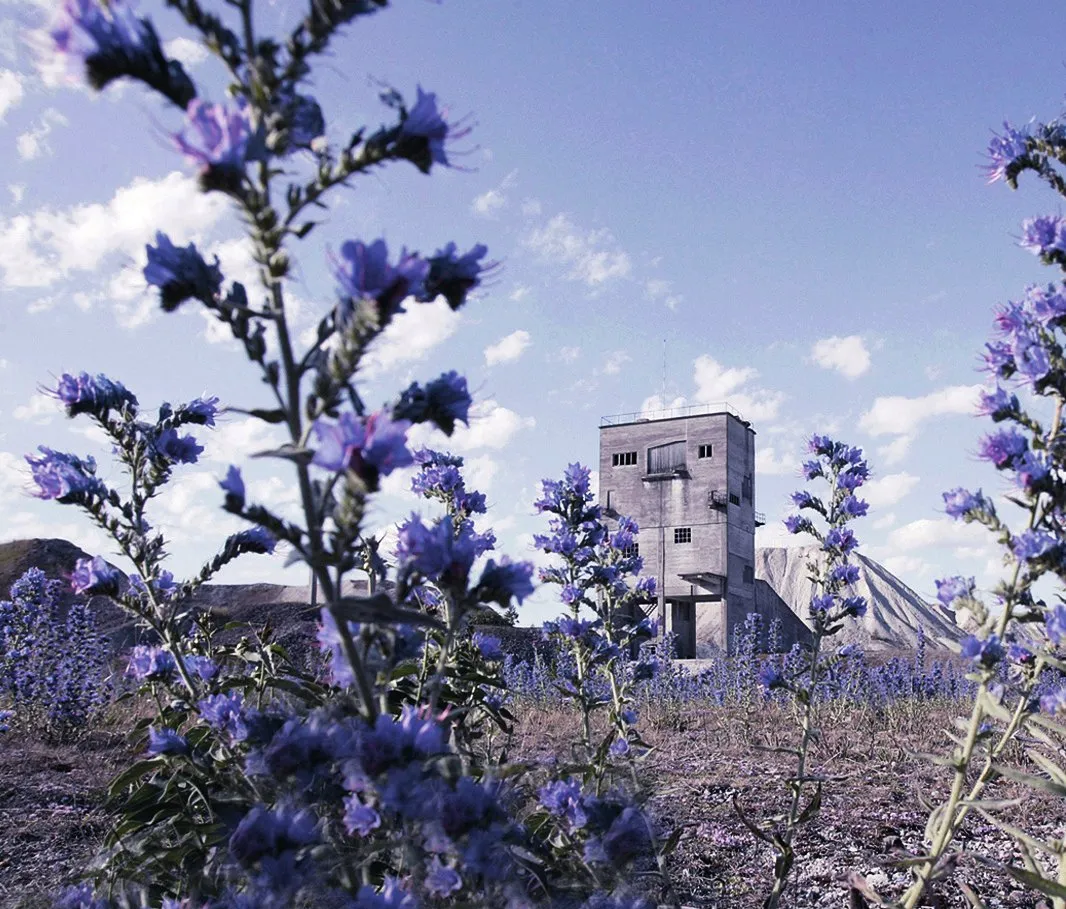
Gotland is a lost island between Sweden and the Baltic nations. On its shores, a post-apocalyptic landscape lies with scattered decommissioned buildings and outlandish white mounds where limestone had been farmed in a time long forgotten. A few meters away from the shore lie houses made of wood like those that might have been built by the survivors of a zombie apocalypse, and industrial housing converted in such a way that the large glass ceiling lets you peer in and perceive wooden benches and tables covered with the skins of beasts. Welcome to Fabriken Furillen, one of the most coveted hotels of its time. The photographer Johan Hellström built it himself, over a span of ten years, this refuge where luxury is in absolute silence. “I was tired of this consumerism”, he explains, “I want the guests to wake up to the light, sights and sounds of nature and not to the generic noises of manmade inventions.” With next to no staff, ultra-minimalistic cuisine made from fresh produce grown on the hotel’s farm, isolated rooms without electricity and flowing water, a description which would make amateurs from the world of five star hotels shudder. They know nothing. With prices ranging from 250 to 520 € a night, the hotel is already at full capacity. “I think that true luxury, in the future, would be that of being able to reconnect with nature and certainly in the true sense”, he concludes.
Far from the madding crowd
 L’Officiel India DigitalRead L’Officiel India in the digital libraryEvery issue and every cover story, on TCG Media.Read now
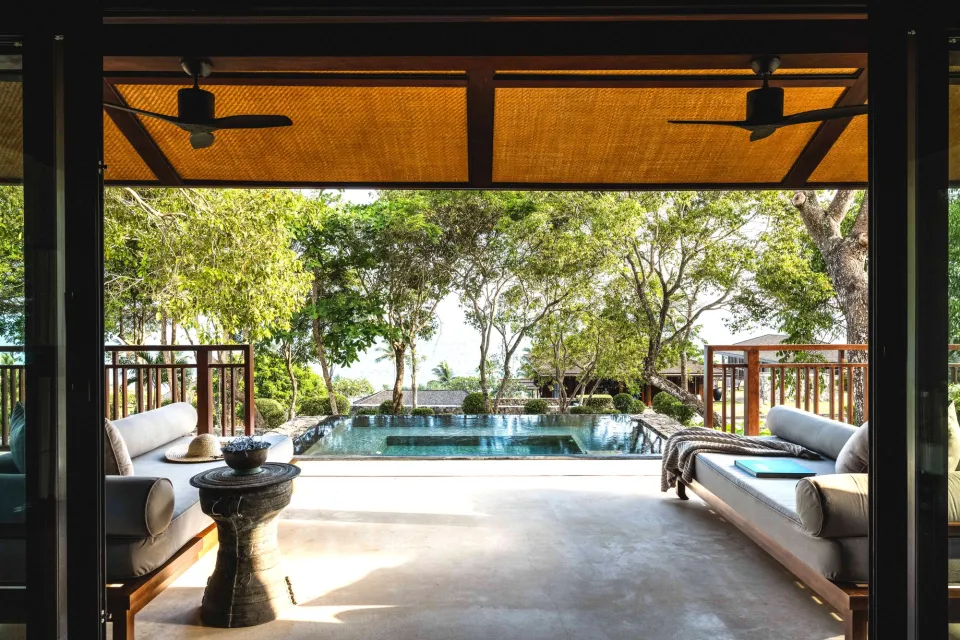
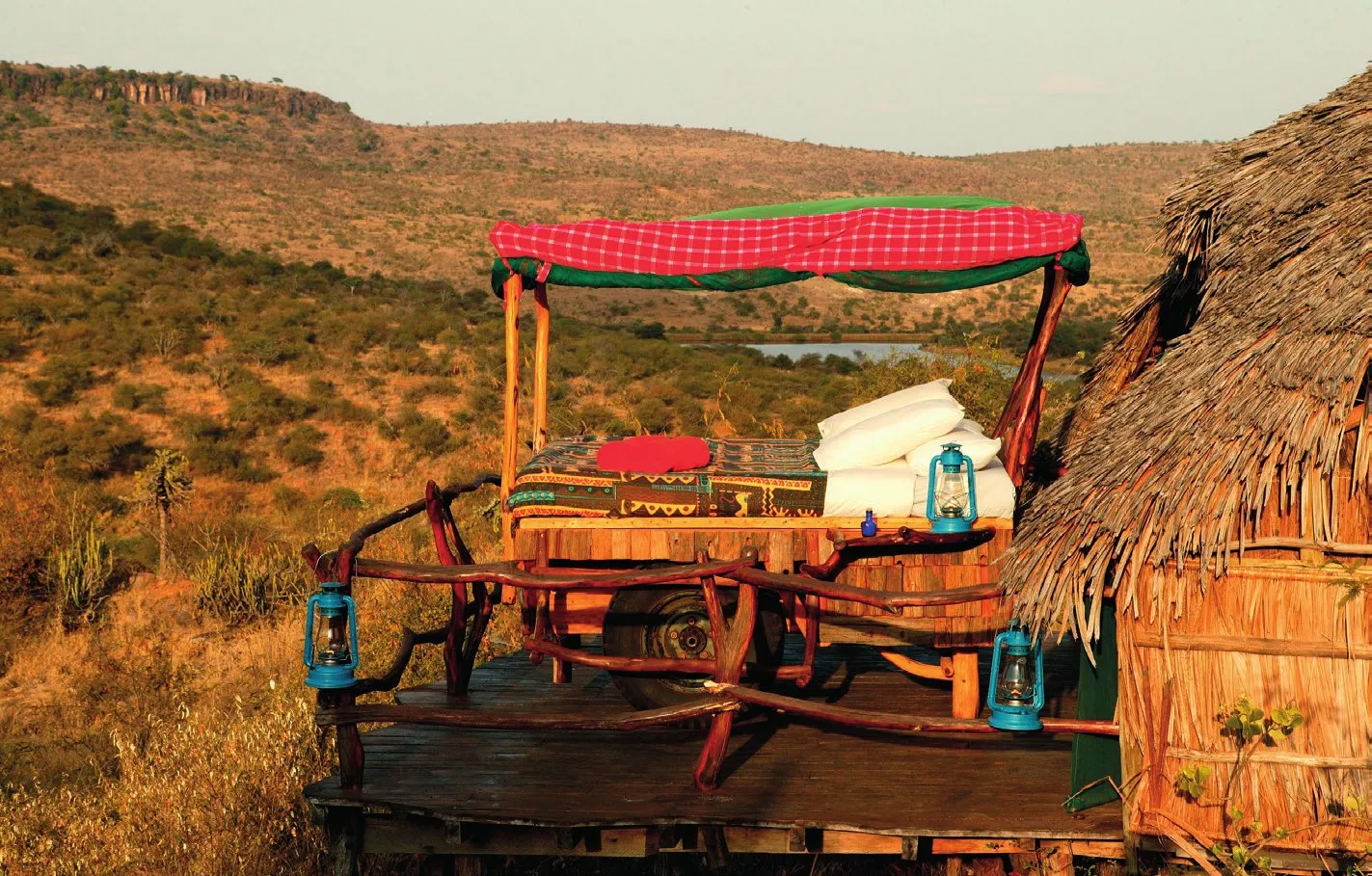
Vacations are the new counterpoints in our incredibly fast paced lifestyles, always on the move, always connected, always planning and therefore the slow travel proposition, a movement which came to pass with the coming of this millennium and has been popularised since by hotels near us, who simply had to follow suit. While certain advocate a digital detox by banishing cell phones and wifi connections others push even further. At Comporta, a seaside hamlet in continental Portugal taken over by the high society of fashion, architect Manuel Aires Mateus has converted fishing cabins, in the middle of the marshes, into almost monastic huts; some of them have open air showers and drawing rooms with one’s feet in the sand. Available to all guests are horses, canoes and bicycles. The cliental of the Cabanas no Rio? Those ready to spend 200 to 700 € a night to be in the middle of nowhere – one is far from the anti-globalist youth and their yurts with dry toilets. “A large number of the clients are used to frequenting grand hotels, but they are no longer fooled by what those have to offer, be it the turquoise sea which is in fact polluted or the meals which are not at all prepared from local produce”, analyses Vincent Grégoire, Head of luxury poles and lifestyle at Nelly Rodi. “Certain are even fed up of the immaculate countryside shown in postcards, they want to face a more brutal nature, more primal, where the imprint of man is little to none.” The pinnacle of luxury, the Null Stern, in Switzerland, an establishment constructed within an anti-radiation shelter and which installed, only last year, a room without walls, without a roof and without a bathroom, alone at an altitude of 1,800 meters. In the guise of room service, butlers in white gloves welcome the hosts and breakfast is served by one of the inhabitants of the neighbouring village. The objective? To live with the natural cycle, its harsh beauty and the little inconveniences that man has always been able to fight: temperatures that drop dramatically at night, the wind, the sun that hits your face in the morning, the insects who find their way to the sheets… In high-end luxury resorts, like the sublime Pura Vida, in Costa Rica, guests have the option of exchanging their suites, fitted with all comforts, for a rudimentary tent (well almost one) situated a few hundred meters away. One can find the same philosophy in Loisaba, where the private huts on stilts, hidden away in a Kenyan national park, have been so arranged that all rooms be open to the outdoors or with a supplementary bed on the terrace, to sleep under the stars.
In harmony with nature
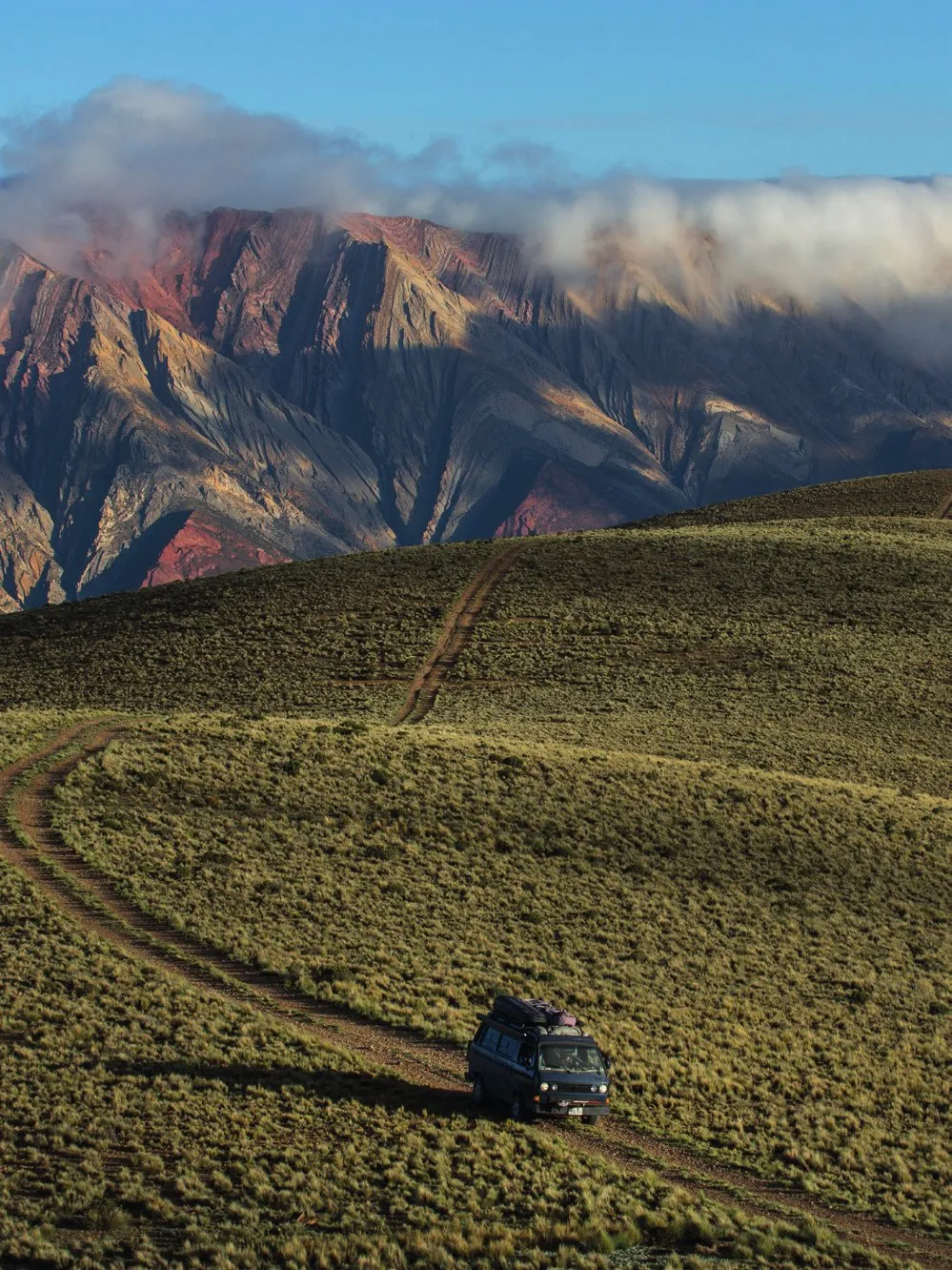
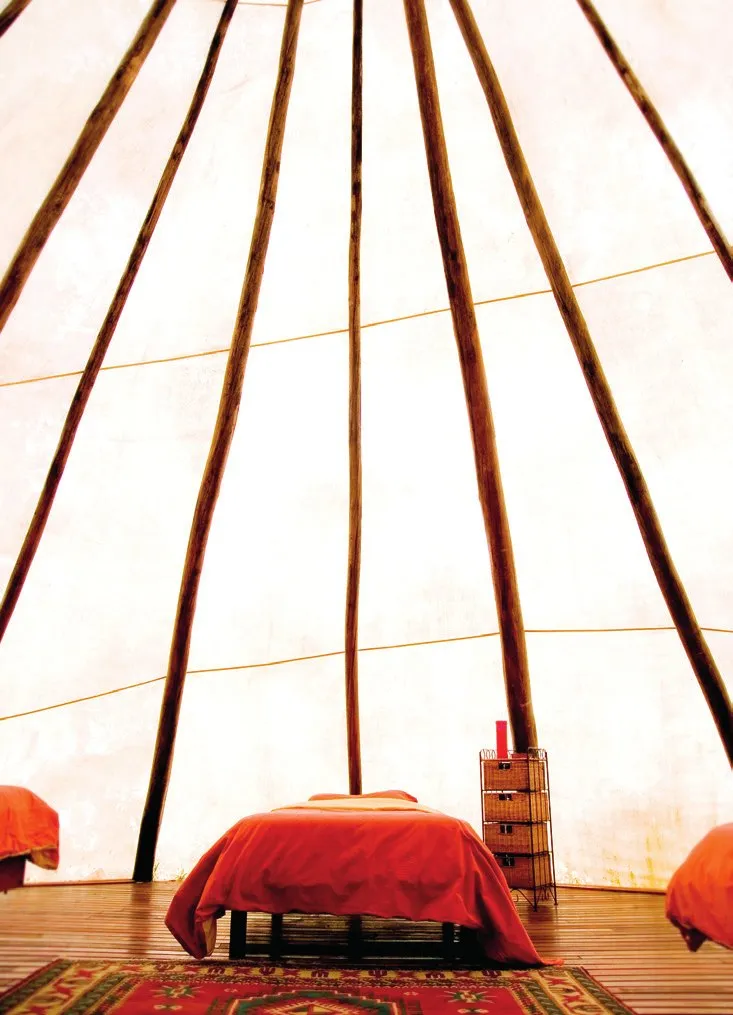
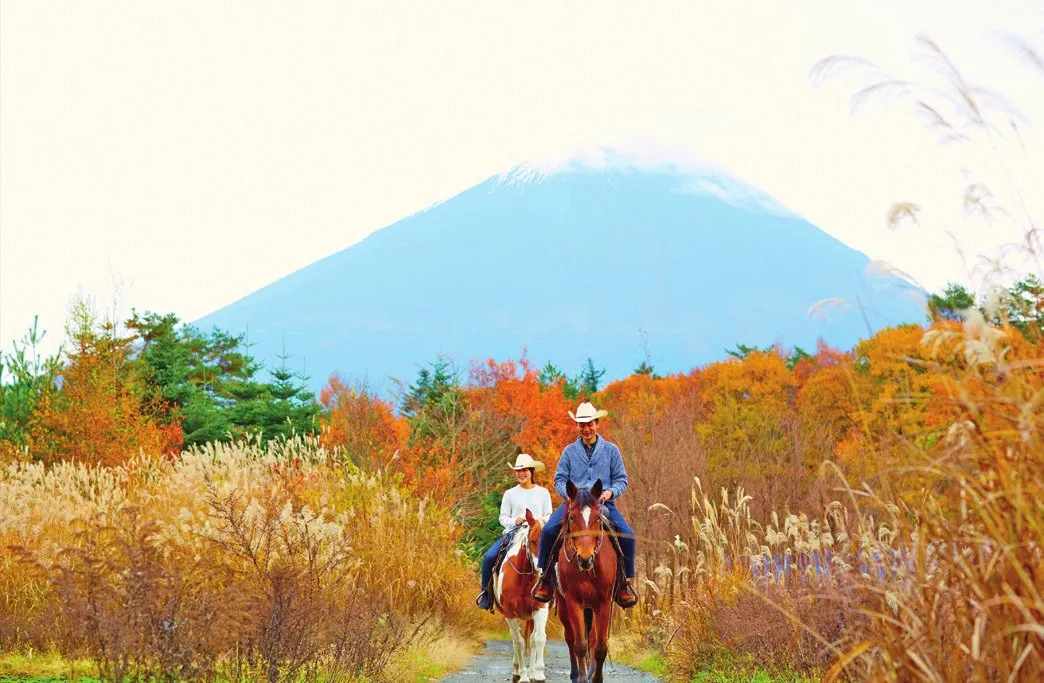
Another new phenomenon is “glamping”, which allows a person to discover untouched regions without the drudgery of being part of an organised excursion. In Japan, in front of Mount Fuji is the Hoshinoya Fuji which has replaced the previously existing tents with futuristic cabins, in it a backpack for their guests well stocked with a necessary survival kit so they can go out and sleep under the stars including facilities to do one’s own barbecuing in the open. “It is also the gnawing fear of environmental impending doom”, continues Vincent Grégoire. “We travel with the idea in our heads that, chances are, we will never be able to revisit the same landscape.” Evidently long-lasting, glamping also looks to minimising man’s footprint on nature. In the valley of Algarve, in Portugal, the surfing camp, Tipi Valley consists of a few tents, some for sharing and some private, with a communal bath and toilet in the open working on solar energy, where water usage is strictly limited. Apart from the spectacular experience offered in this space far from everything, the success of this new hotel is the outcome of a more global phenomenon, the emergence of a new ecological consciousness. There is therefore a desire to return to a more primitive way of life, to the essentials which most members of the ‘civilised’ world have never known. One can witness this in the recent infatuation with the Greek island of Hydra, where cars are not permitted and the number of tourists limited. One can move around either on foot or on the back of a mule, swapping unrestrained and frantic visits of archaeological sites and the constant search for a spot to Instagram with absolute idleness and an in-depth discovery of the life and culture of the island, possible now with longer stays made available to visitors. For Vincent Grégoire, “We no longer wish to live in a ghetto, disconnected from reality, where everything is done to amuse and entertain the tourists. We would rather assimilate and live with the locals.” More exciting still is if slow travel were to become a new way of life. A time where certain continue to spend the year between private jets and five star hotels while others break away from their bourgeois comforts and create a world with family and caravan. That is the case with the Harteau family, true Californians who have been on the road since 2012. “Something that was supposed to be nothing more than a road-trip for one year across the United States has transformed into a way of life.” explains Emily Harteau. “After five months of travelling in a van, we decided to slow the pace down and stop to plan everything out, we wanted to open ourselves up to the unknown.” Since their blog and Instagram account named Our Open Road went online, whenever their connection allows it, we can see photographs telling the tales of their adventures across the world, from the plains of Peru to the mountains of New Zealand, a journey they have set out on with their two daughters. “Apart from all the wonderful places we have visited, the most beautiful aspect of this journey has been the people we have crossed paths with”, adds Emily.
Participative Tourism
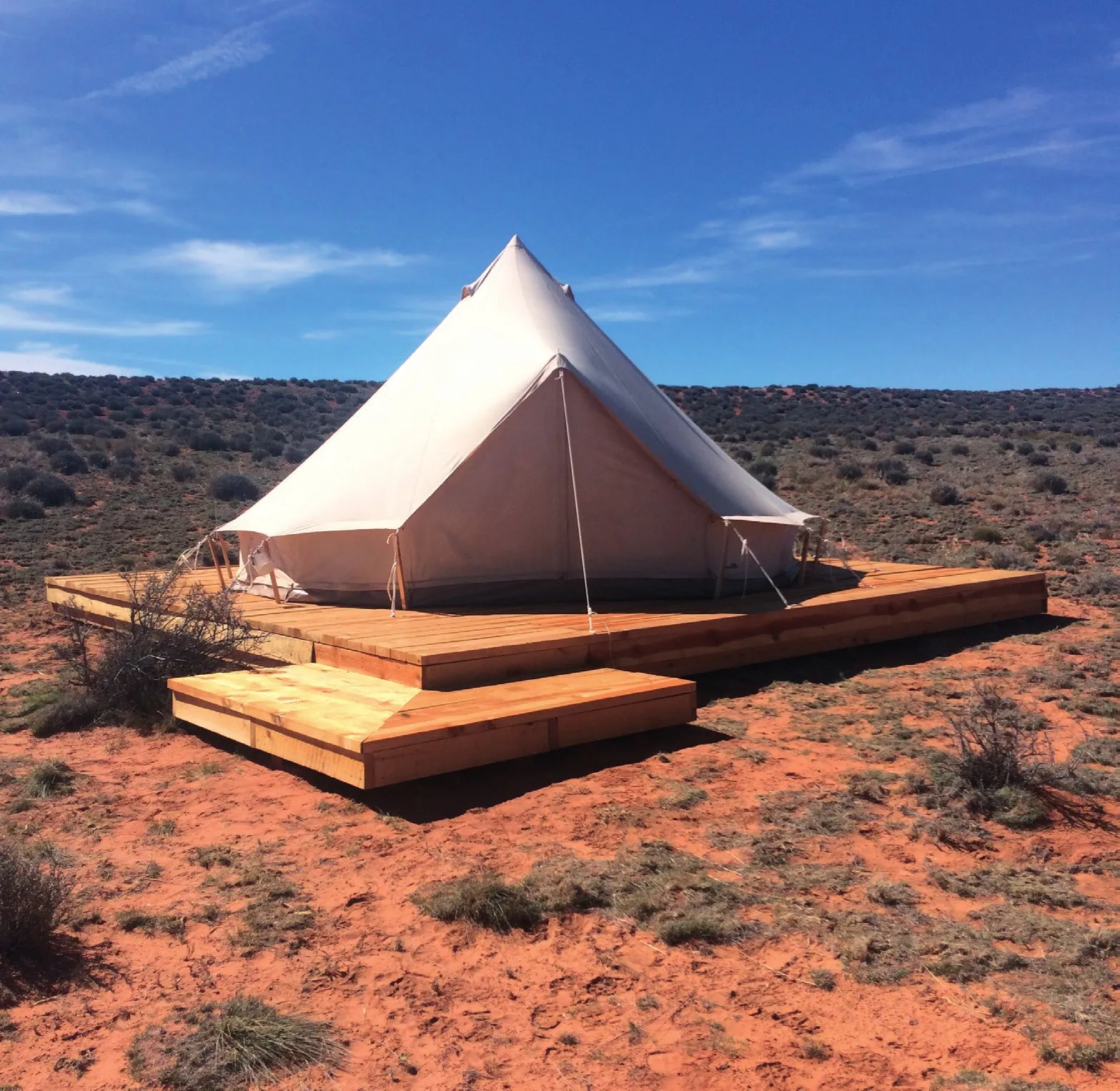
To reconnect with the other and to integrate into foreign cultures by participating in local activities is also one of the objectives of slow travel, which facilitates and encourages complete immersion into the country that one is visiting, an exaggerated cultural appropriation at the least. “At times people are shocked by the social, environmental and political situation in a country. They feel the need to get involved personally, by opposing the obsession of the masses to stereotype societies”, analyses Vincent Grégoire, “to reconnect with nature, is also to reconnect with oneself.” The recently launched website, Les Nouvelles Terres proposes immersive vacations à la carte, including accommodation with a local or in an eco-lodge. More than just experiencing something different, the future of slow travel will also find itself in tourism which is participative. At Shash Dine, an environmentally responsible camp set up in the Navajo reserve in Arizona, one advises a slow and gentle immersion into local culture, as part of the objective being to sensitize people to the Native American cause. French organisations like Double Sens or Terres d’Aventure offer independent stays where, apart from financial participation in local life, the guests transform their vacations into humanitarian missions or ecological projects. Even five star hotels are incorporating such ideas in their establishments, as is the case in the Maldives, the Four Seasons at Landaa Giraavaru offers its guests an opportunity to help in the restoration of the coral reef and the preservation of marine species by participating in dives alongside biologist Guy Stevens. Certain analysts talk of “the journey that transforms”, where the adept, often young people, from the cities who are always connected, look for something more than just an addition to their abilities, they look to fulfil their need and desire to contribute. Just an ego trip is what slow travel offers? “Regardless of the motivations of each individual”, concludes Emily Harteau, “we hope that each person can pull themselves up in whichever way possible to them, and strive to live so as not to be haunted by a perpetual, ‘what if…’”.
Fabriken Furillen : www.furillen.com Cabanas no Rio : www.cabanasnorio.com Null Stern : www.null-stern-hotel.ch Pura Vida : www. puravidaspa.com Loisaba : www.elewanacollection.com Hoshinoya Fuji : www.hoshinoyafuji.com Tipi Valley : www.surfalgarve.com Shash Dine : www.shashdine.com Four Seasons at Landaa Giraavaru : www.fourseasons.com Emily Harteau’s instagram : @ouropenroad
Spotted a mistake, or your photo used without permission? Report a correction