Born this way
Explores the 'born this way' idea, the gender binary and non-binary identities, and nature versus nurture, through the story of dancer Prateek Sachdeva.




For decades, “born this way” has been the rallying cry of the mainstream gay rights movement, a simple slogan cited as the basis for both political change and cultural acceptance. Some societies – like ours – tend to recognize just two genders, male and female. The idea that there are only two genders is sometimes called a “gender binary,” because binary means “having two parts” (male and female). Therefore, “non-binary” is one term people use to describe genders that don’t fall into one of these two categories, male or female. Gender is a human experience, and human experiences cannot be reduced to simplistic, reductive structures. The most cutting-edge of cultural change right now is coming in the form of gender fluid and non-binary people. This is the part that conservatives have the hardest time with but is actually just an extension of something a lot of people already do subconsciously already. So, is how we see ourselves based on nature or nurture? The truth is more complicated, but not by much.
Prateek Sachdeva
Profession: Dancer
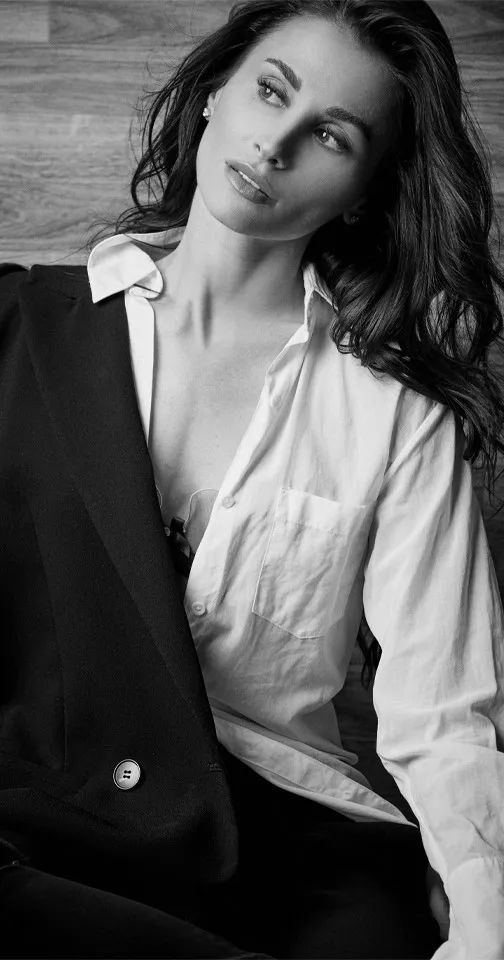
Prateek identifies as a CIS gender, gay male and is a dancer by profession. He teaches children and elderly women, choreographs for events and models at times in the day. Come night and he transitions into Betta Naan Stop, a fierce drag queen who enthralls the audience with his flawless splits. “I came out to my mother about a year ago. It was tough for me since I am very attached to her. I was a bit apprehensive of her reaction, but what she told me that day was very empowering to my existence. She said that it’s my life and I should decide who I would want to love.”
 L’Officiel India DigitalRead L’Officiel India in the digital libraryEvery issue and every cover story, on TCG Media.Read now

Prateek believes that once the families accept their child’s sexuality, there is not so much pressure, because we need them by our side at all times. He considers himself privileged to have a mother, who although she is traditional in her values, was able to understand her son. But, not every coming out story is as positive. “I know of friends who are over 30 and still closeted. The society is still traditional even if we claim to be modern in our thinking,” he says. Family fears the societal pressure and neighbours and extended family aggravate this thought process. A lot of families are fine with homosexuality as long as it is not one of their own.
He was aware of his sexuality from his school days and had many friends from the community, but wasn’t exposed to the activism side of it. Prateek acknowledges that through drag, he has been fortunate to meet and interact with activists, who form a support system to those who are not as fortunate as himself. He now has taken it up on himself and wants to reach out to as many people who are having a hard time to come to terms with their sexualities.
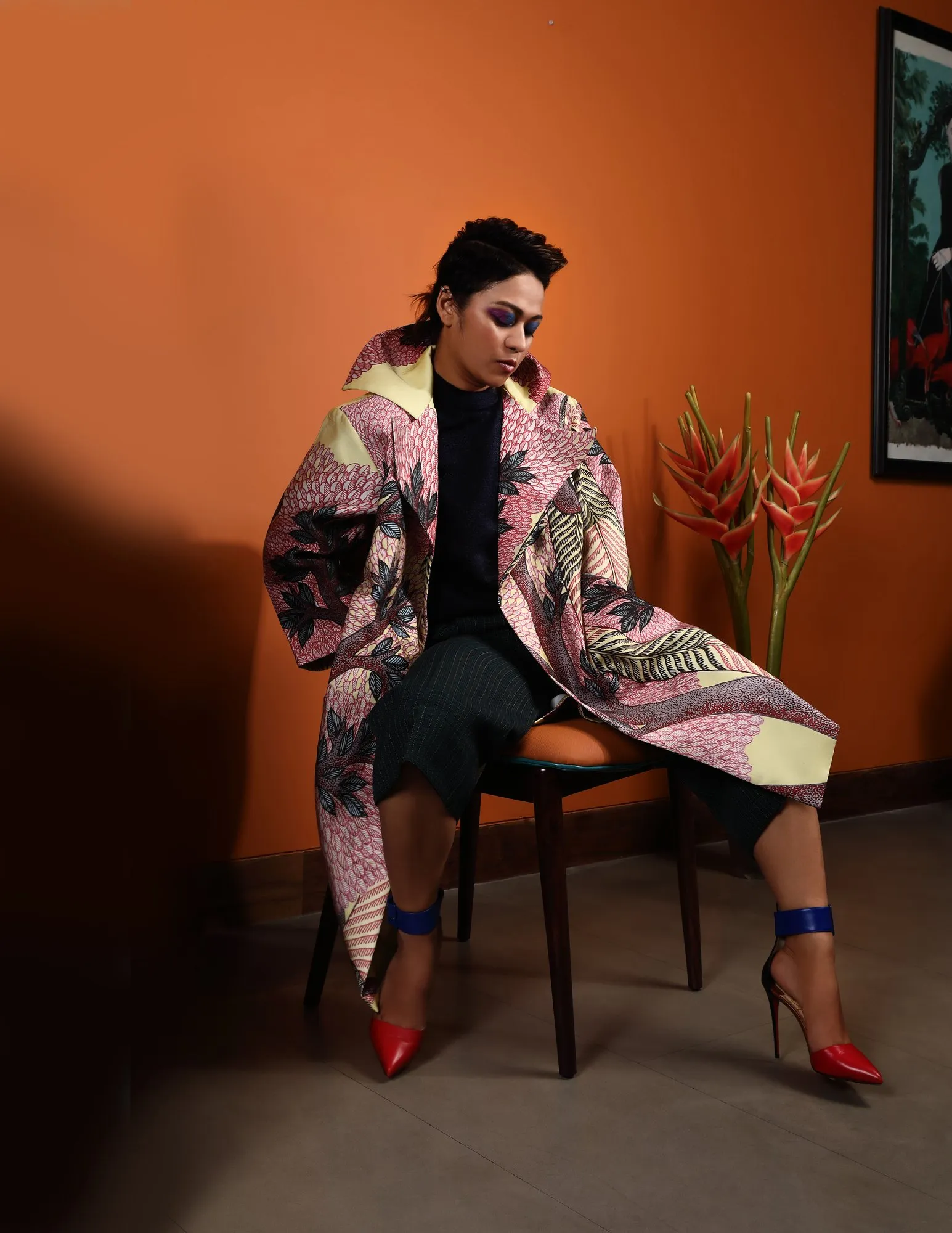
Although homosexuality is no longer criminalised, it will take time for people to become non-judgmental, he feels. Prateek dreams that he will shatter stereotypes and recreate the musical Chicago one day with drags as leads and wants to portray Roxy Hart, an aspiring vaudevillian and murderess. “I want to promote drag as an art form and want Indian drag queens to represent Indian drag culture internationally,” he says.
Taksh Sharma
Profession-
Age-
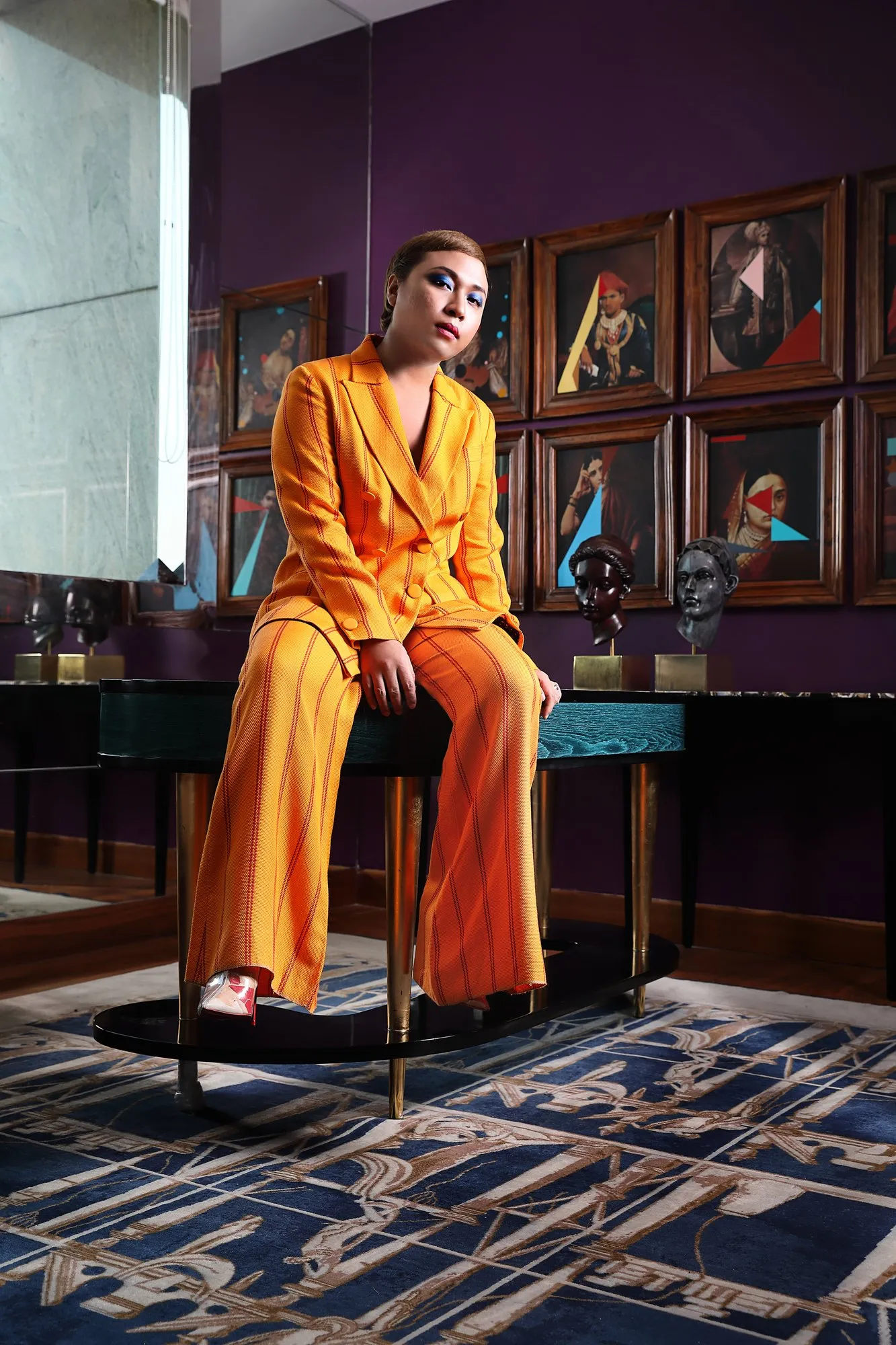
All of 23, she has walked the ramp for brands like Huemn and shattered the glass ceiling in an industry where being a non-binary is common but taking the centre stage is not. She has been transitioning for over a year now and has successfully completed her gender-reassignment surgery.

“It was all a process. From a very young age, I was drawn to all things feminine. I would play with my mother’s sarees and don her jewellery and apply makeup. Although I have fairly liberal parents, it was hard to explain to them that I was not at home in my own body. Like any other urban middle class family, society’s validation was a mandate to them. I was a rebel from a very early age and would fail to conform.”
When she moved to Mumbai, she came out as gay to her parents, who were accepting but could not understand his fascination.

“It was hard to come out as a trans person, not only because I was not able to articulate what I was feeling in my body but also growing up as an effeminate child, one gets to hear things about oneself that are not very pleasant. Colloquially trans people are called names that could be detrimental to their being.”
In 2016, Taksh had a big fall in terms of education, career and his mental health. She expresses the time as ‘being in a bottomless pit’. She explained to her parents that in essence, she felt like a woman and asked for their help in order to transition physically. This call for help sparked a lot of introspection for the family. A lot of her behaviour and emotional outbursts suddenly made more sense to her parents. They started seeking therapy, counselling and then hormone replacement and finally the GRS.

“It has been beautiful ever since, looking back at my life I can clearly see a very volatile and fragmented past. Cut to present day, for the very first time I feel my body feels like home to me. There is a sense of comfort and calm. It is not just evident to me but also to my family and peers. This sense of contentment helps me to be kinder to the ones around me because I feel I have been kind to myself. I want to lead by example to my trans sisters and encourage them on their journey. I have been extremely fortunate.” Talking about her future, Taksh says, “I am not sure what the future holds, but now I look towards it with more optimism than I did before.” She aspires to be like her role model, designer and fashion icon Iris Apfel at 80.
Anurag
Profession-
Age-
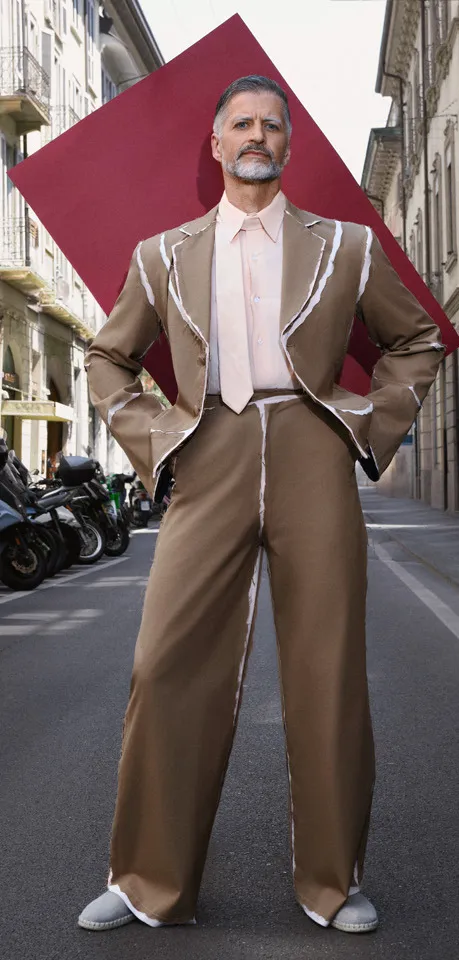
“Why is coming out even required. I mean we are who we are,” says Anurag. He comes from Kota, Rajasthan, a small township, where ‘homosexuality’ is a hushed word, even taboo. “I always knew I was different not just about my sexuality but also how I expressed myself, the way my voice sounded or my hand gestures or how I walked. I studied in design school which was a liberal space with people from all spectrums of sexuality. They were very open about themselves and came from families that were accepting of them as opposed to where I had come from. College was the place where I figured myself out and decided how I want to be and who I want to be. I started taking necessary steps towards it. I was becoming an individual and started taking care of my finances. When you are the odd one out, you have to look after yourself, because no one else will.”
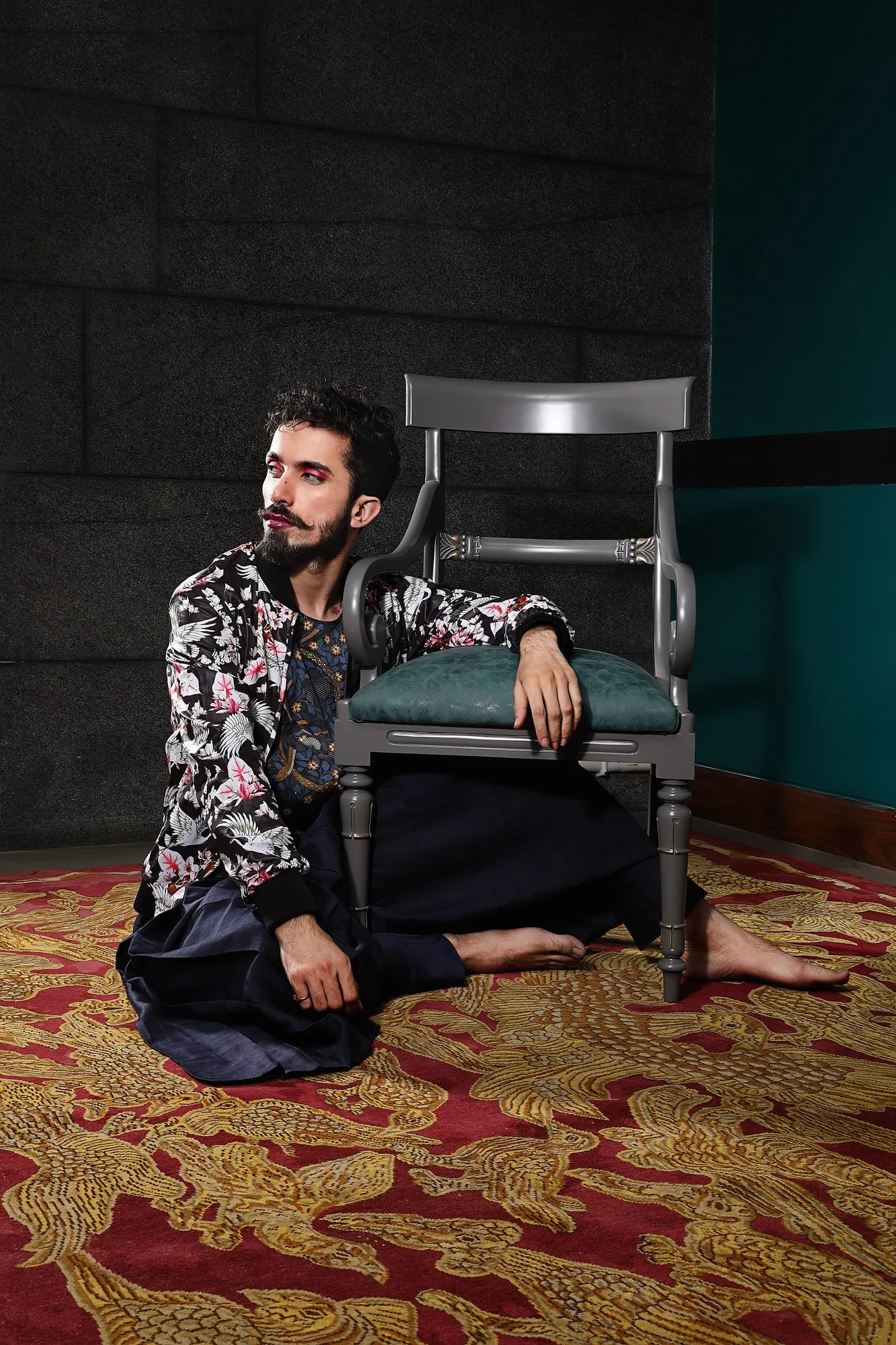
He had only recently come out to his family and says it was not as bad as he had expected. Although his parents always felt he was not ‘normal’ and thought it was a phase that Anurag would get out of eventually. They realised that he was the way he was and there was nothing that they could do to alter his orientation.
“I feel coming out is a process and you have to keep doing it all your life to friends, family and strangers. One has to preserve themselves and their identity. Although now revoking Sec 377 will give queer people more visibility in public spaces without fear of being rebuked, he feels that bullying in workplaces, especially in a corporate setup is much more. He experienced it himself before quitting. “I would like to say that they are welcoming to queer people but the reality is a stark contrast to expectations. A gay or a trans person can be singled out for being self-expressive. They are constantly jeered and glanced for being flamboyant. It is difficult to tell your story to so many people and expect them to understand you and your orientation because we are a minority in such setups.” Anurag is currently working as an independent fashion stylist and is happy that at his current work place people know him for who he is.

“I try to tell people’s stories through clothes and also express myself through it.”
Ben
Age-
Profession- Poet
Ben is a demure fem boy from Mizoram, a state rooted deeply in Christianity in the North East of India. Born into a Christian family, his gender remains an open secret till today, like a wound that neither festers nor heals but stays as a wound nonetheless. “I moved away from home to study in Delhi that gave me the liberty to exercise my choice in expressing my desired identity. I prefer being a ‘she’ here. It has been over a decade now since I moved and have been identifying as ‘she’ except during my short visits home. I could become a son as quickly as I can be your girlfriend or a sister. It’s perfect equilibrium. I have mastered the art of shifting from ‘he to she’ and vice versa.”

Ben says that back home in Mizoram, he felt oppressed by the patriarchs of the family, who were adamant to make him abide by societal heteronormative ideas. Although Ben has many friends from the community he could never get involved in activism. “I know how vibrant and dynamic the community is and that one cannot run away from an identity concerning their own.” He feels neither attached nor detached to the community, but has always remained supportive.
Ben feels that section 377 never made any difference to his life because ‘what remains behind closed doors is for the ones behind the doors to figure.’ But, he feels good that many of his friends who have live-in partners can finally be able to live in peace without being vulnerable to situations concerning section 377.
Ben wishes to make it big in the literary and fashion world and wants to tell his story through poetry.
Meenakshi
Profession-
Age-29
Minakshi identifies as a lesbian. As an army kid, she has travelled all over India and finally decided to call Delhi her home. In 2007 during her college, she figured her sexuality and came out to her family. “It was a gradual process. I wanted to give them time to process and understand me. I first came out to my brother and mother and eventually to my father. I am extremely lucky as a girl in today’s society that not only my family but also my extended family love and support me for who I am, and not just me, they have also been very loving and kind to my partners over the years.”
Meenakshi knows of many women her age who have been forced to get married or are completely ostracized by their kin because of their choice of partner. Meenakshi says that people in the music world also know her sexuality and also know of her partner. She feels proud of it because she never felt the need to hide in the closet. “I have always been open about who I am and everyone I feel should never feel the need to hide from facing their true self regardless of the fear of being shunned.”
Commenting on the verdict on section 377, she feels that although this will create a ripple of change, the fight continues, both inside and outside the courtroom. She highlights that the LGBTQIA community still has not been granted marriage sanction and are not allowed to adopt children. She feels the good thing is that now queer people will no longer be called ‘psychologically ill’ and subjected to moral cleansing.
Meenakshi says that there is a lot more to be done as a society. “We have to desensitise ourselves from the conditioning that ‘homosexuality is abnormal.’” she says. We need to create safe spaces for people who are queer, to be accepted and heard and most importantly loved. “Love is a connection of the soul and gender doesn’t count it.”
She tries living each day to be a better version of who she is. She uses her music to heal and be healed. It is both her passion and form of expression. “Every day is new when you strive to free yourself from the shackles of imposed beliefs and you survive. But one thing that does not change is my passion and love, my art and ideas and the people who I have loved,” she says.
Spotted a mistake, or your photo used without permission? Report a correction