Book Reviews: January 2016
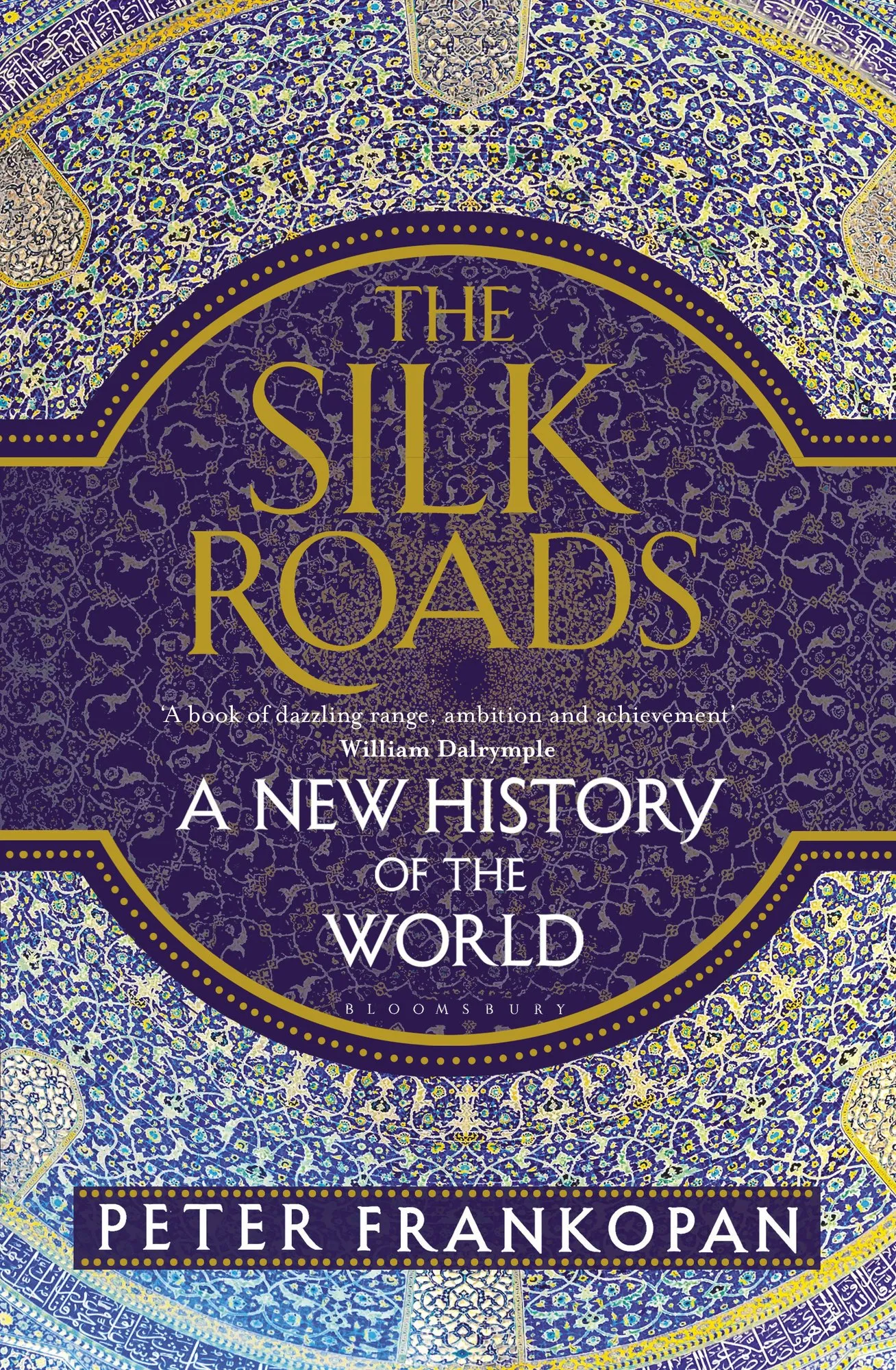
The Silk Roads: A New History of the World, by Peter Frankopan (Bloomsbury Publishing, September 2015)




History comes to terms with a new, compelling narrative by Peter Frankopan in The Silk Roads: A New History of the World. For far too long the discovery of the Americas has been attributed and looked up to for cultural, economic and socio-political inspiration. Frankopan’s latest book aims to restore the balance of power to its rightful holders- the parts of the world spanning Eastern Europe across all of Central Asia and all the way to the heart of China and India. These were the rightful countries where the birth of some of the world’s most efficient and prolific civilisations, institutions, cultures and codes of conduct took place before the sheer might of the Americas colonised ambitions and entire cultures. The Silk Roads are the routes that have quite literally manufactured the fabric of culturally significant advancements in the history of mankind and are brought under glorious amounts of the limelight thanks to this revisiting by Frankopan.
Hitler at Home, by Despina Stratigakos (Yale University Press, October 2015)
 L’Officiel India DigitalRead L’Officiel India in the digital libraryEvery issue and every cover story, on TCG Media.Read now
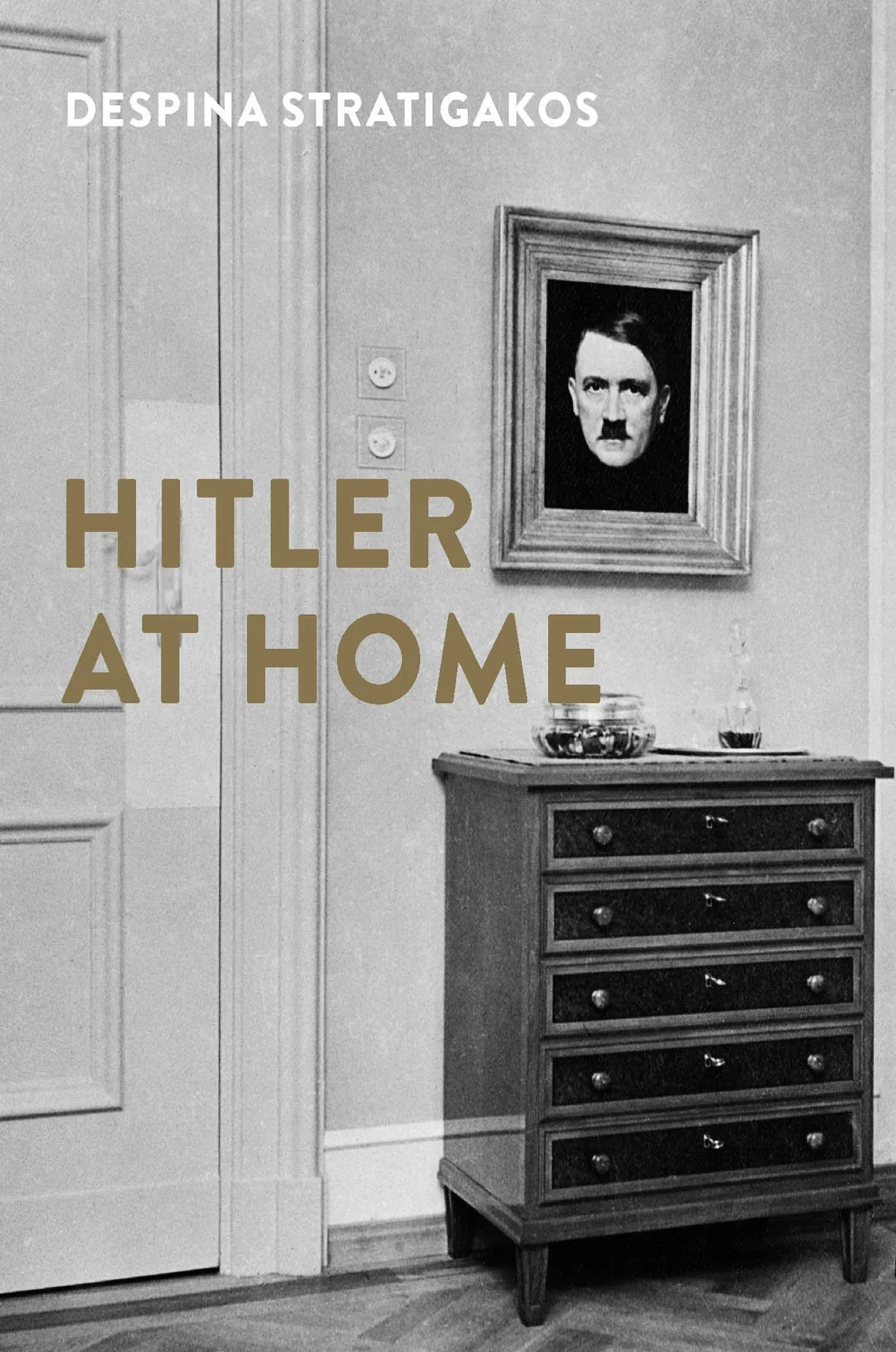
The Nazi Führer, Adolf Hitler, premeditated a stratagem to project his intentions as contentiously docile, to mask his vision of world supremacy. His public relations were at the helm of a calculated move to renovate his three homes in the Old Chancellery in Berlin, his apartment in Munich, and the Berghof, his mountain home on the Obersalzberg, to fit the parameters of a ‘family man’. Gerdy Troost was the interior decorator responsible for his homes’ transformation which led to a very public viewing of Hitler as a man of simple tastes and ironically even simpler ambitions during the Third Reich. The book by Despina Stratigakos reveals a plot embroiled in new previously unpublished documents of the various homes and the image built around the German dictator. It is a startling inquiry into the power of visual suggestions to assuage masses into believing that all that glitters may in fact, be only a suggestion of gold.
Death by Water, by Kenzaburō Ōe (Grove Press, October 2015)
Kenzaburō Ōe’s literary alter-ego in the form of novelist Kogito Choko comes forth in the decisive, final novel titled Death by Water which aims to clarify Choko’s confoundedness regarding the untimely and mysterious death of his father, by drowning in a river while boating amidst a torrential storm during the World War II. When the contents of the red suitcase, to be found in his small village, and rumoured to contain documents corroborating the evidences leading to his father’s death, fail to be of any help, Choko is left bereft of any hope. His yearning for the truth is then rekindled after witnessing a dramatic theatrical performance of the contents of his previous books building up for a fantastical finale. He is urged forward towards his motive to find a cohesive end to the mourning of his father’s death by the successful uncovering of the facts, as he knows them in Ōe’s tantalising Death by Water.
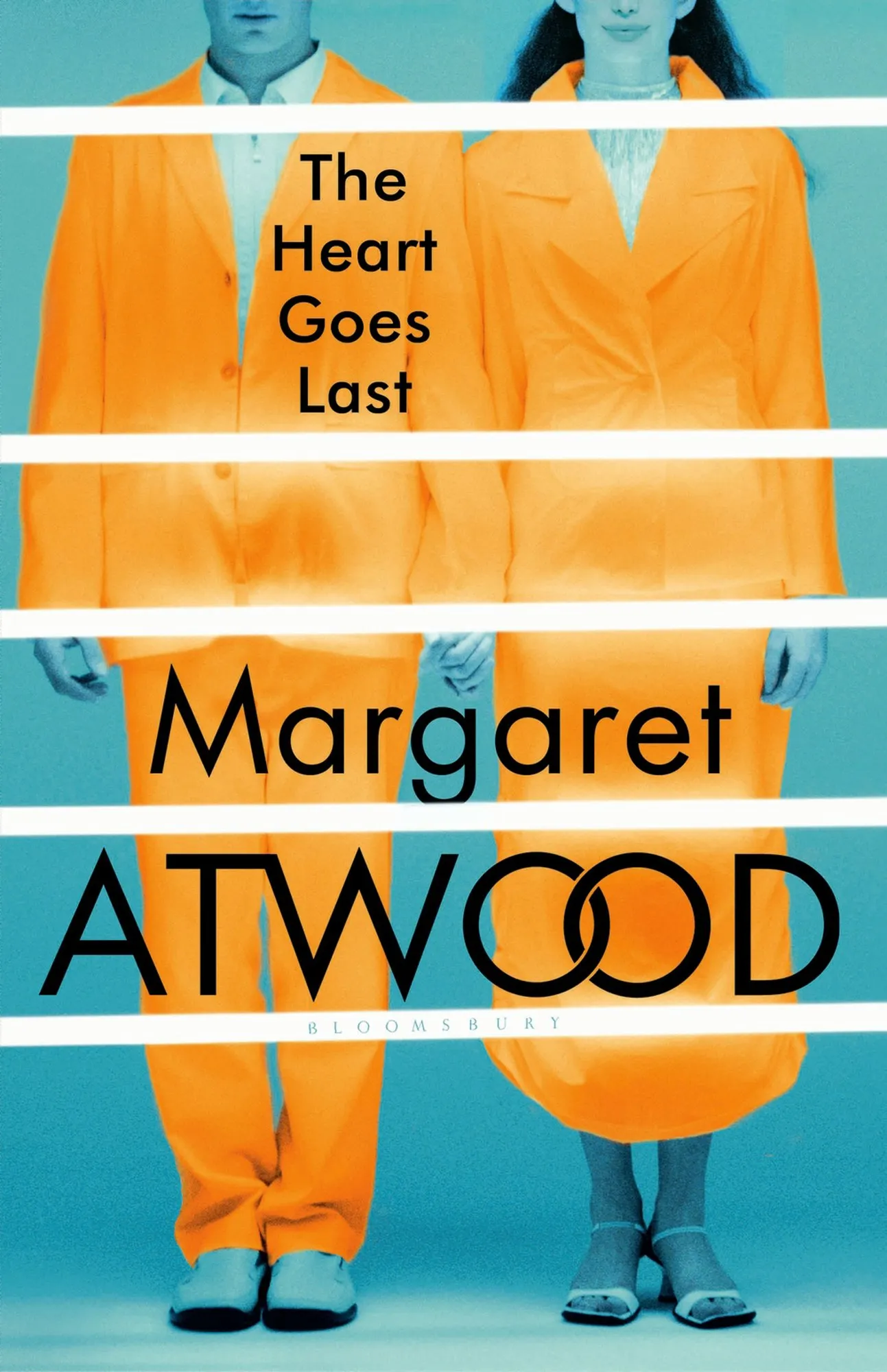
The Heart Goes Last: A Novel, by Margaret Atwood (Deckle Edge, October 2015)
Margaret Atwood takes dystopia a notch higher in her latest work of fiction with the lives of Stan and Charmaine- a married couple that loses the roof over their heads caught in the midst of a cesspool of economic and social downfall. They are forced, consequentially, to live in their car and are subjected thus, to the risk of gang brutality. The idea of a roof over their heads leads them to accept the State penitentiary program called The Positron Project, wherein the governance dictates an assured state of employment and residence to the participants for six months of civilian-ship in exchange for six months spent in prison. The town of Consilience and this erratic program is all they have in the face of a life-transforming tragedy. The story follows the lives of the distraught couple through the catacombs of this inexplicably complex exercise on the human psyche.
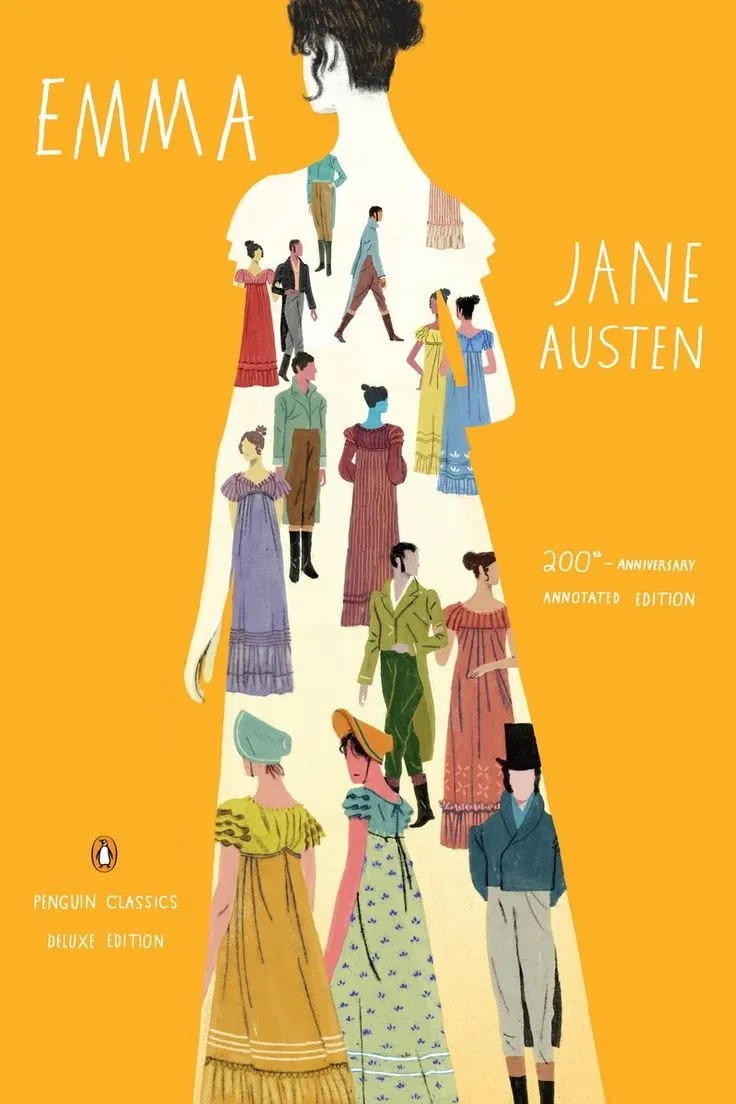
Emma, by Jane Austen (Penguin Classics, December 2015)
December 2015 marked the 200th anniversary of Jane Austen’s classic Emma, penned in the early 19th century. The thematic explorations of the narrative are as relevant as ever, in the 21st century as it serves to dissect the tiers of a global society as seen through the lens of Highbury, the quaint English village ensconced in the nitty-gritty’s of Austen’s literary triumph in Emma Woodhouse, reflected in every modern-day messiah of the pariah. This year should begin with an emphatic nod toward the characters that have helped thread together our generation with that of our ancestors, by revisiting the classic Emma.
Spotted a mistake, or your photo used without permission? Report a correction