
Blue Print
A look at parliaments with impressive architecture, including Budapest's Neo-Gothic Hungarian Parliament on the Danube, built 1885 to 1904.




Parliamentarians should really thank their stars for having some of the best offices, architecturally speaking. We take a look at a few parliament buildings that make a lasting impression.
When we think of the most sophisticated and immaculately designed parliaments around the world, we invariably think of the United States Capitol and India's Sansad Bhavan. Indeed, they are architectural marvels, and are comprised of a widely varying historical significance, great political and national symbolism, and if certain conspiracy theories are to be believed, some seriously sophisticated and well hidden escape routes. Aesthetics wise however, they are rather simplistic and understated, and understandably so. You don't want to draw attention to the highest office of the land. However certain governments really take care of their parliamentarians, by providing them palatial offices to work from. We only wonder in amazement, if only our offices were this marvellous...
 L’Officiel India DigitalRead L’Officiel India in the digital libraryEvery issue and every cover story, on TCG Media.Read now
The Hungarian Parliament, Budapest

Located on the bank of the Danube River, the Hungarian Parliament is one architectural marvel that everyone has to visit at least once in their lifetime. The architect, Imre Steindl, who was selected after a competition, drew his inspiration from Renaissance and Gothic architecture. Consequently, the building is a classic example of Neo-Gothic and Neo-Renaissance architecture, with its gables and central dome. The construction began in 1885 and was completed 19 years later, in 1904. Initially, the exterior was decorated using millions of precious stones and 40 kilograms of gold (just for the dome), most of which was stolen, during the World Wars.
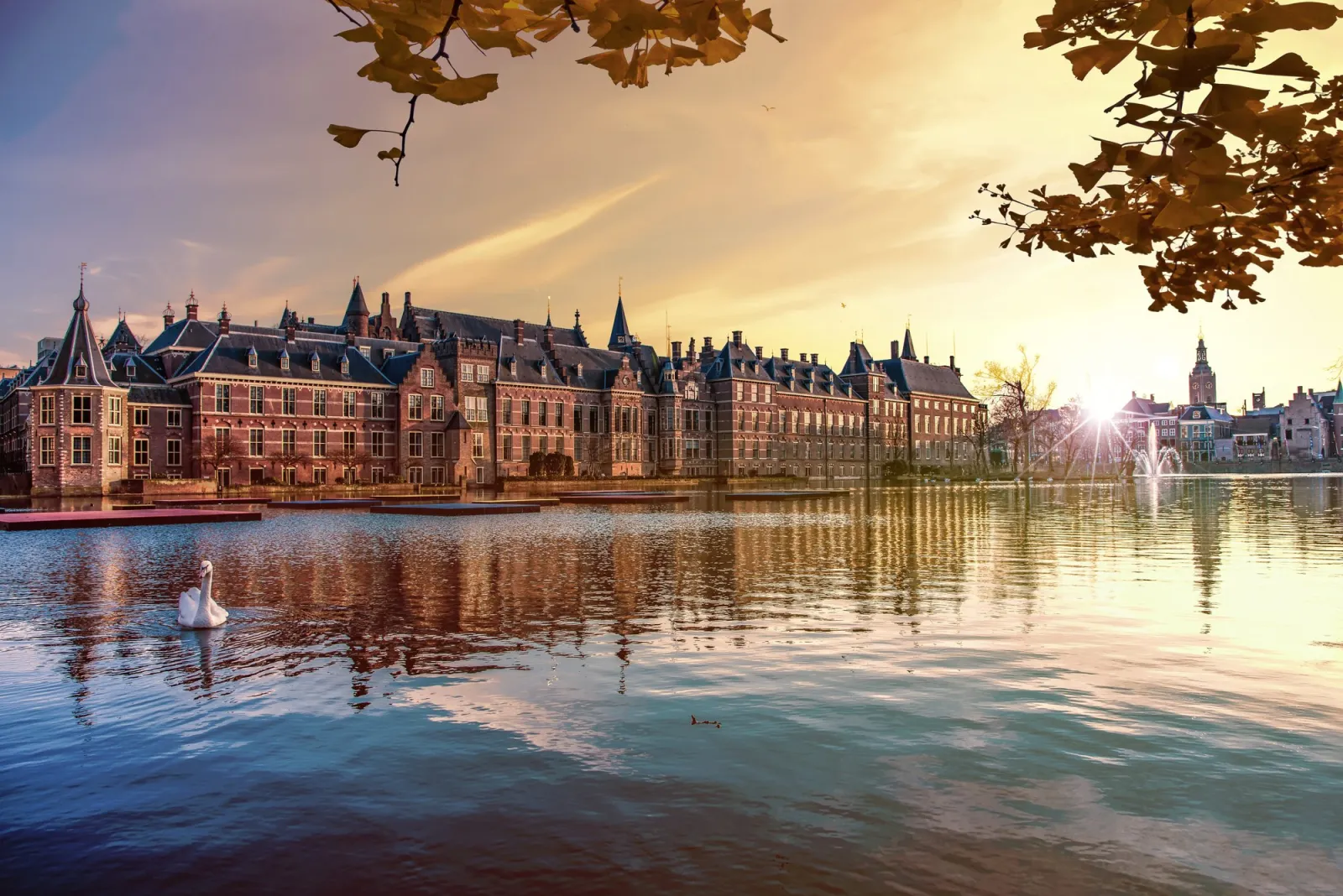
The Binnenhof, Netherlands
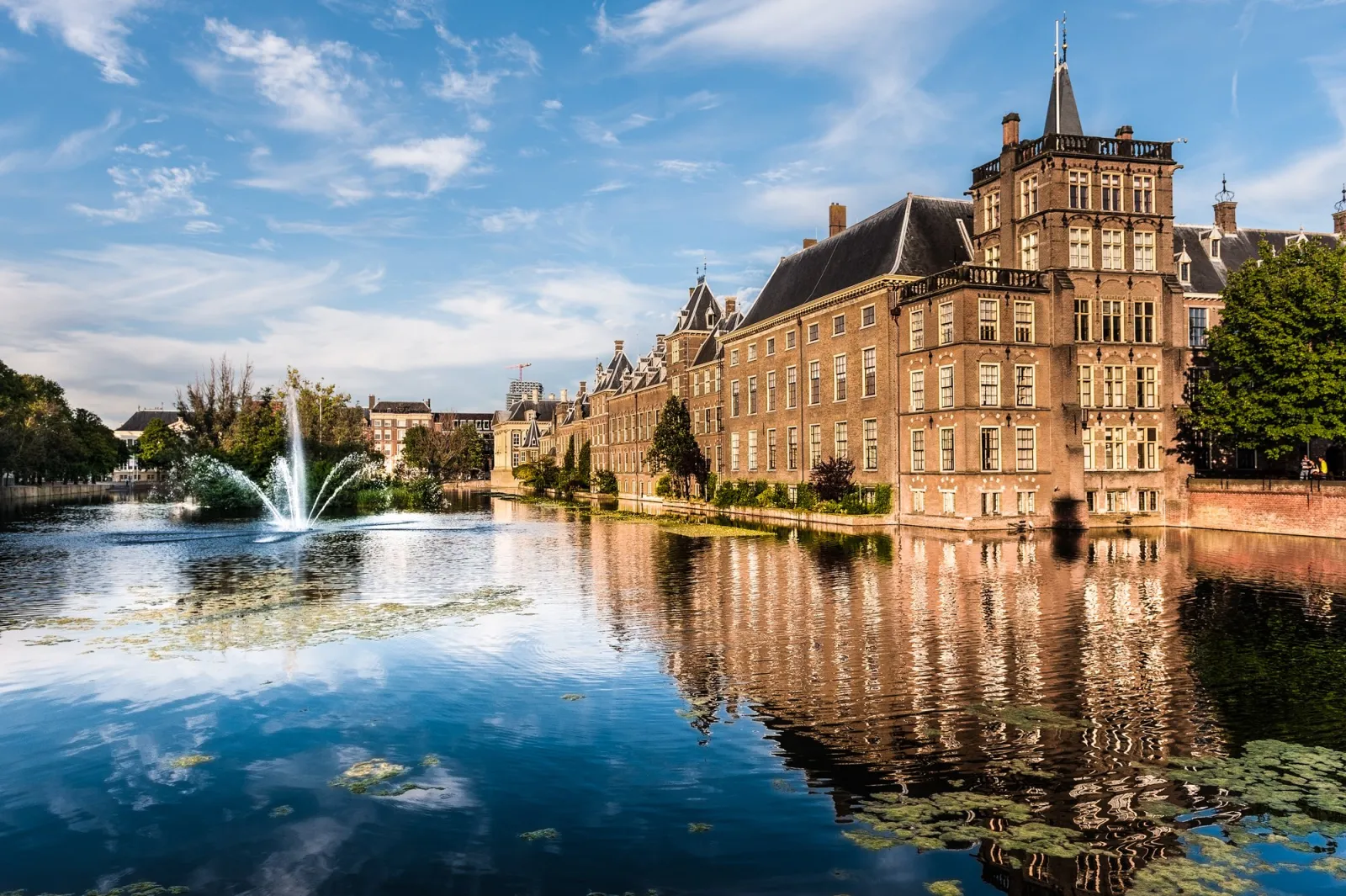
The Binnenhof on the bank of the Hofvijver is one of the oldest government buildings in the world that is still in use today. It was built in the early 13th century and was originally the residence of a count. The main building of the modern-day complex was the royal residence for a long time, and was originally built as a ballroom. Ever since the Netherlands became a republic, there have been numerous attempts to demolish the building complex, or at the very least, just the main hall, also called the Ridderzaal, since it was considered a vestige of the old and archaic aristocracy. But the Gothic architectural style of the Binnenhof had become so ingrained in the locals, that they, along with several academicians vehemently protested against its demolition and were able to persuade both the houses of the States General of the Netherlands to declare it as a Heritage Site.
The Palace of Parliament, Bucharest
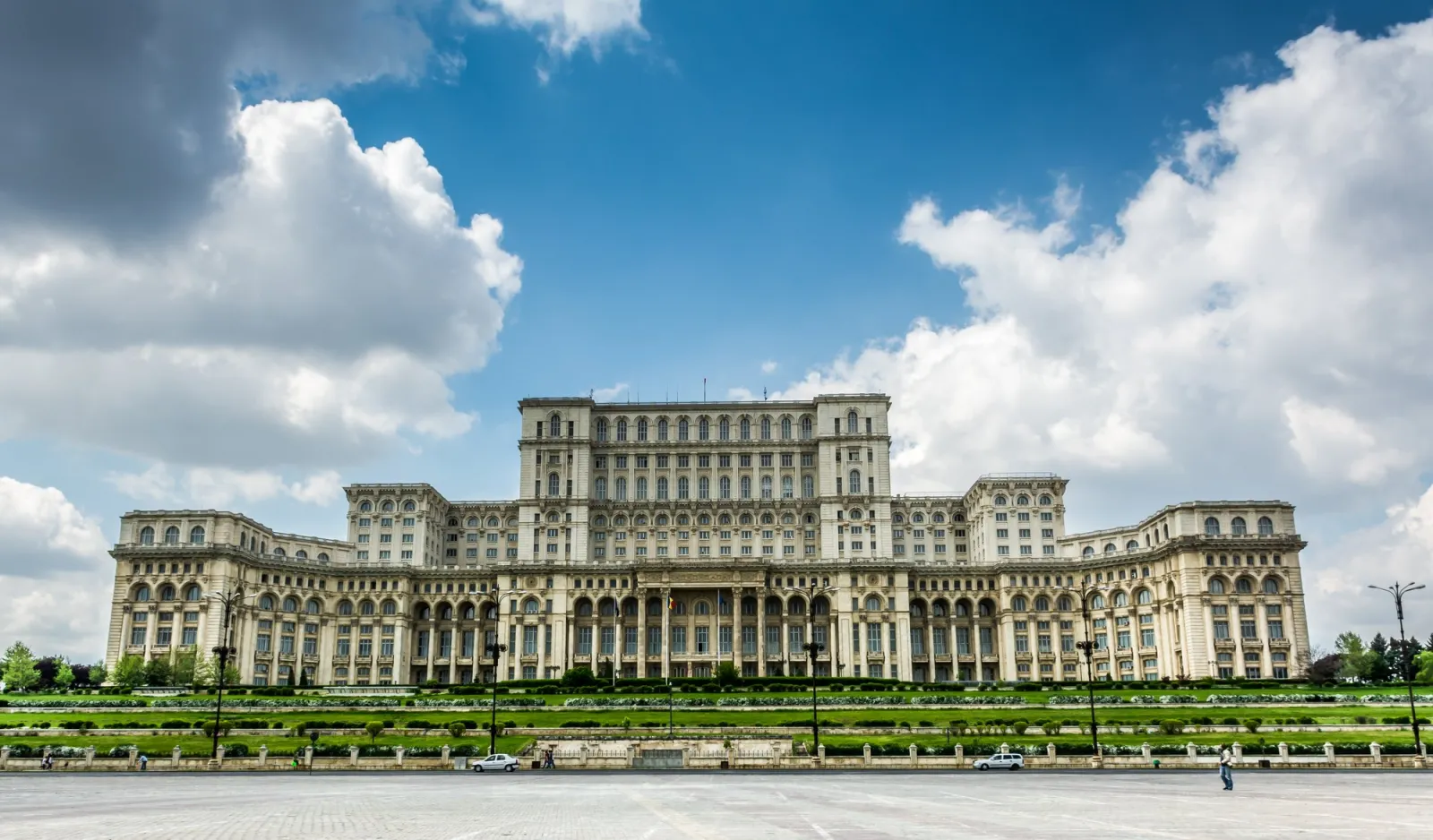
Housing both the houses of the Romanian Parliament, the Palace of the Parliament is an architectural specimen like no other. There are several anecdotes related to every aspect of the building that one can think of. The construction of the palace began in 1984, under the supervision of Nicolae Ceaușescu and Anca Petrescu, both of whom were architects by profession and politicians in the Romanian Communist Party. A total of 1100 rooms were designed, of which only 400 have been built, along with two halls to seat all the representatives from the land. In spite of the colossal number of rooms that have already been built, about 70 per cent of the palace remains without any use. Another interesting factoid would be that the building sinks by six millimetres every year, because of its sheer weight. Several influences can be seen in the building's exterior, from Neo-Classical Roman architecture to Venetian or Italian Gothic.
Parliament Building, Sri Lanka
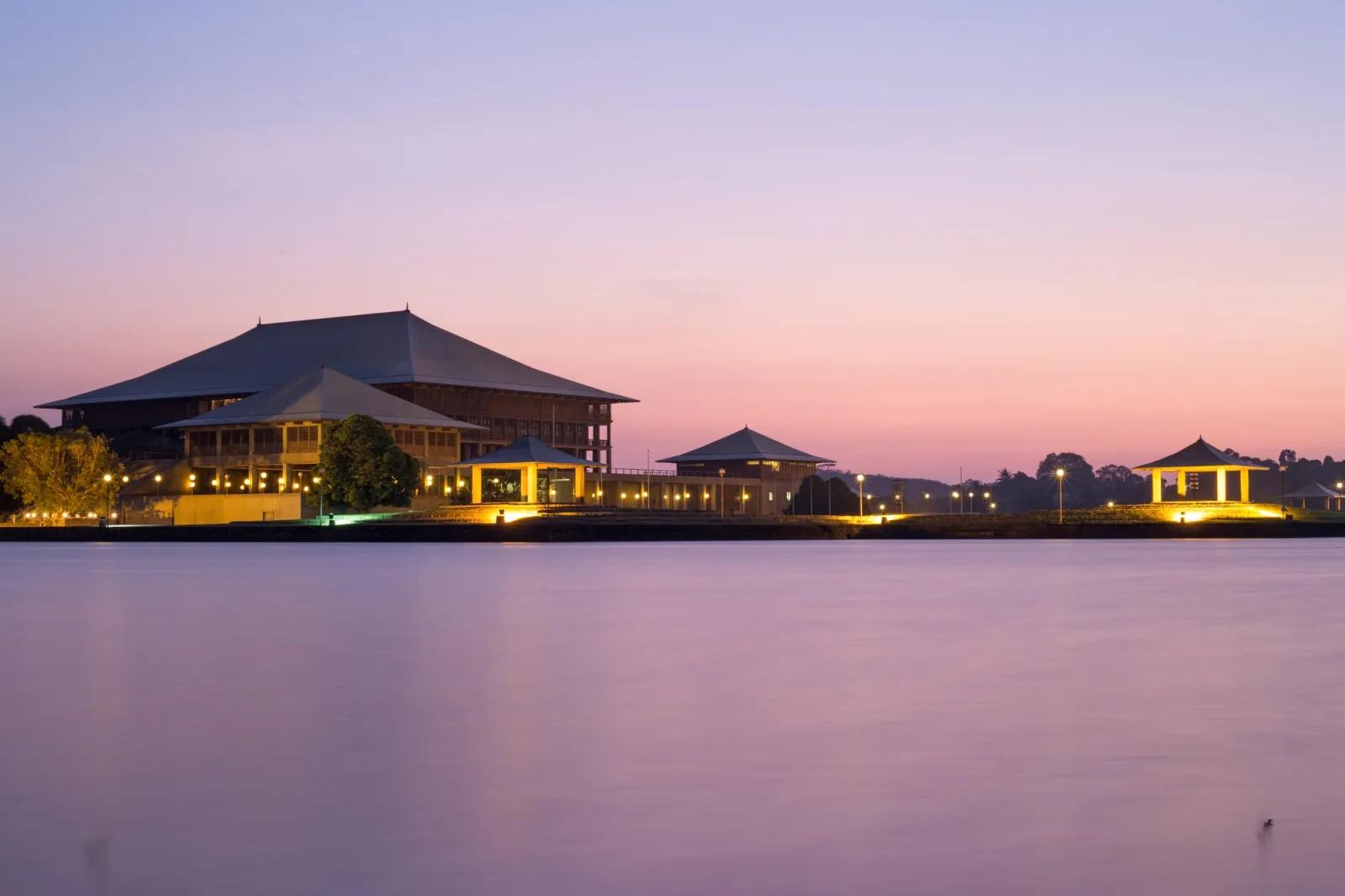
Designed by Deshamanya Geoffrey Bawa, one of the most iconic Sri Lankan architects, the Parliament Building is situated on an island in the middle of the Diyawanna Lake. Bawa was able to incorporate visual cues from the lake's current into the design of the building itself, which is considered to be a great example of the amalgamation between Modernism and Sri Lankan vernacularism. The building was sanctioned in 1980, and was completed within 26 months, making it one of the quickest major projects in Sri Lanka, and the fastest parliamentary building to be built.
Spotted a mistake, or your photo used without permission? Report a correction