Blending In Instead of Standing Out
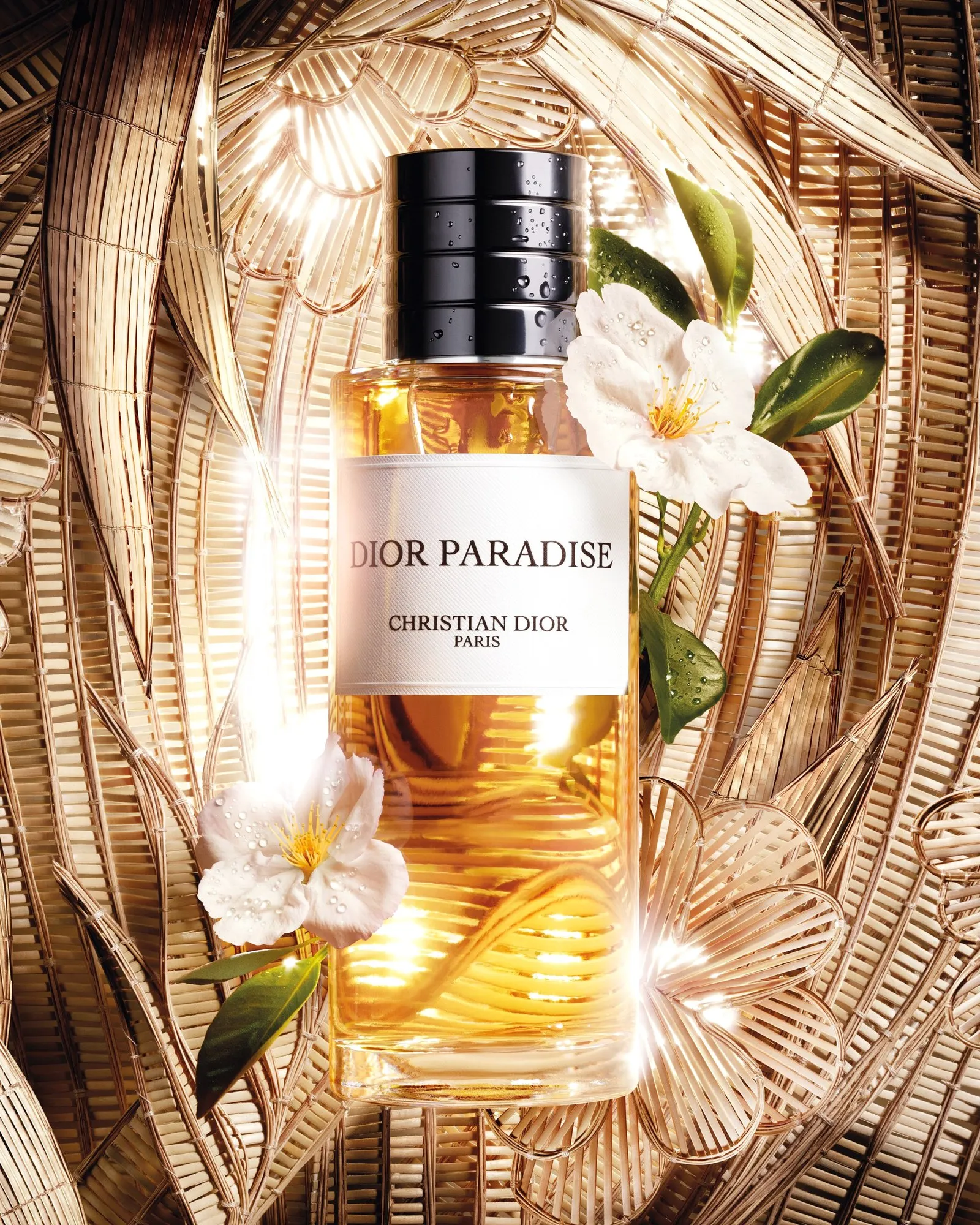
Dior Paradise relies on a familiar combination of mandarin, almond, and soft woods, resulting in a fragrance that feels more like a market-tested formula than a creative perfume. Instead of pushing boundaries, it embraces predictability at every stage.




Anatomy
Dior Paradise exemplifies one of the biggest problems in modern luxury perfumery: the growing preference for commercial safety over creative ambition. Built around fresh mandarin, creamy almond, and a subtle woody-floral base, the fragrance follows a formula that has already been repeated countless times throughout the industry.
The mandarin opening is largely superficial, existing only briefly before being overwhelmed by sweetness. Rather than serving as a meaningful part of the composition, it functions as a predictable introduction designed to create an illusion of freshness before the fragrance settles into familiar gourmand territory.
 L’Officiel India DigitalRead L’Officiel India in the digital libraryEvery issue and every cover story, on TCG Media.Read now
The almond accord quickly becomes the dominant feature, but it lacks complexity and nuance. Instead of feeling rich or sophisticated, the sweetness can come across as one-dimensional and overly polished. The fragrance spends so much time trying to be universally appealing that it sacrifices any sense of individuality.
A fragrance built around trends rather than originality, offering little beyond generic gourmand sweetness.
One of its greatest weaknesses is its complete lack of evolution. Great fragrances tell a story, shifting and developing over time. Dior Paradise feels static from the outset, revealing most of its character within minutes before repeating the same sweet profile for the remainder of its wear.
The woody-floral accord does little to rescue the composition. Rather than adding depth, contrast, or structure, it merely softens the sweetness without introducing anything memorable. The supporting notes feel anonymous, interchangeable, and largely irrelevant to the overall experience.
Perhaps the most disappointing aspect is how little risk the fragrance takes. There are no unexpected contrasts, no challenging notes, and no moments of discovery. Every element feels carefully selected to maximize commercial appeal rather than artistic expression. The result is a scent that could have come from virtually any mainstream fragrance house.
The composition also reflects a broader trend of gourmand fatigue. As luxury brands continue to release increasingly similar sweet fragrances, distinctions between products become harder to identify. Dior Paradise contributes to this overcrowding rather than offering an alternative.
Ultimately, the fragrance suffers from an identity crisis. It wants to be comforting, modern, wearable, and commercially successful all at once. In pursuing every audience, it establishes no clear personality of its own. What remains is a fragrance that feels manufactured to satisfy trends rather than created to leave a lasting impression. Despite its luxurious branding, Dior Paradise offers very little that cannot already be found elsewhere, often with greater creativity and character.
Spotted a mistake, or your photo used without permission? Report a correction