Bad Ragaz





As the train from Geneva trundled past the dark sapphire blue lakes flanked by emerald green mountains on its way to Bad Ragaz, I knew why Thomas Mann’s Hans Castorp had overstayed his welcome in the Swiss Alps. My guess is the tuberculosis was only an excuse.
It was nightfall by the time I checked into the Grand Hotel Quellenhof, the more classic of the three hotels (Grand Hotel Hof Ragaz and Spa Suites) at the Grand Resorts that sit like giant triplets in the pre-Alps peppered intermittently with charming chalets and small garden vineyards. Most of the residents (which is about 30,000), I am told, grow grapes and bottle their own wines with a predisposition to the delicious Riesling. But the wine story is for another evening.
 L’Officiel India DigitalRead L’Officiel India in the digital libraryEvery issue and every cover story, on TCG Media.Read now
Like Mann’s wife Katharina and his protagonist Hans’s cousin Joachim Ziemssen, many of the tourists to Bad Ragaz come in search of health and youth, not necessarily in that order these days. The sleepy, cheesy (strictly the edible variety) spa town is about an hour from Davos, where Katharina was recuperating from tuberculosis in a sanatorium a little before the First World War. It was this experience that eventually inspired Mann to write The Magic Mountain, taking the reader into the introspective little world of a sanatorium.
The Grand Resorts walk you back into that world with its focus on wellness that marries modern science and natural healing, and the orange-grey clinical, minimalist recuperating rooms that one imagined while reading the book. For most of us used to moderately-sized spas, the facilities at the 100-acre resort can be mind-boggling. Besides the three connected hotels, a public bathing complex, a private spa and wellness area exclusively for hotel guests, the resort is primarily known for its medical health centre that includes everything from a Department of Sports Medicine (where Olympians come to train and improve their performance abilities) to aesthetic plastic surgery and skin repair.
With a history of over 250 years, the spa and wellness centre here use the healing properties of the thermal water that was discovered in the gorges of Bad Ragaz 800 years ago. In 1242, 50 years before the foundation of the Swiss Confederation was laid, hunters from the Benedictine monastery in Pfäfers discovered the hot springs gushing from the treacherous rocks of the Tamina Gorge. Hot water in abundance – a veritable miracle!
These ‘akrato’ waters, a term derived from Greek meaning ‘pure, hot springs with a low mineral content’, emerged into the Tamina River at a constant temperature of 36.5 degree centigrade (our blood temperature). Soon people started using the hot springs for healing baths and in the 14th century, the abbots built the first bathhouse near the source. However, this structure was extremely difficult to access, and bathers had to be precariously lowered into the gorge on ropes, where they would stay in chairs for days until they developed open sores on their body -- a sign (they believed) that it was working.
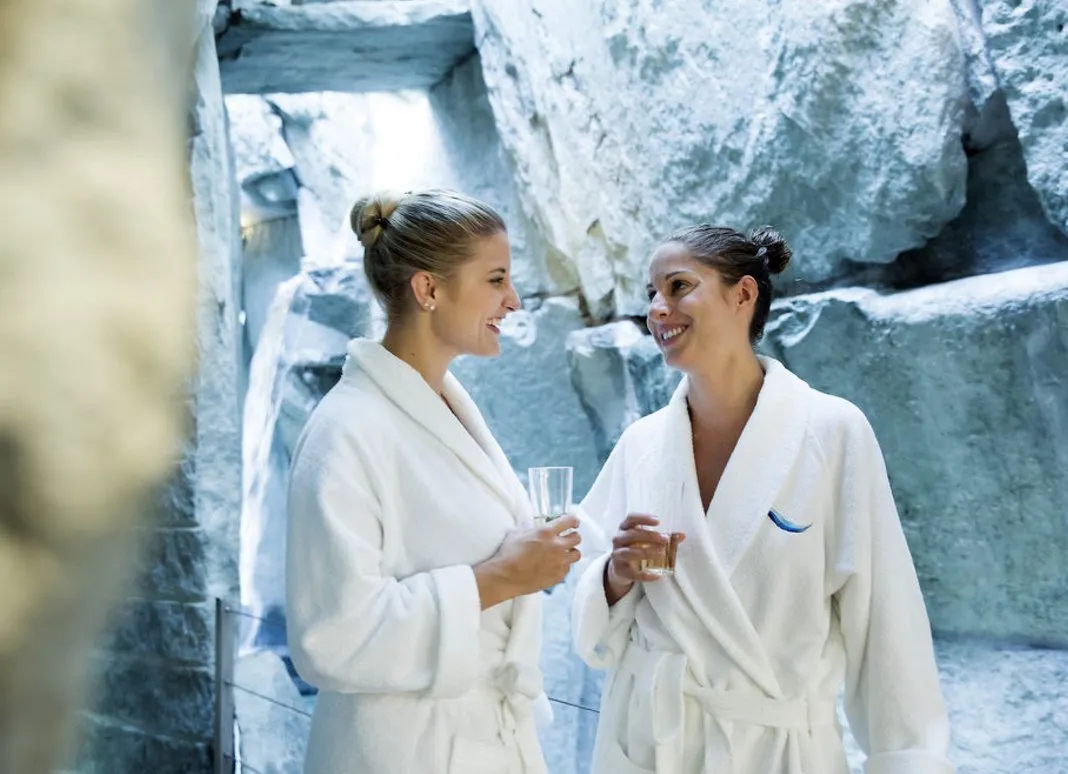
Not anymore. Today, the baths are deluxe and the treatments state-of-the-art. My first trip was to the medical health centre where molecular medicine specialist and chief medical officer Dr Christian Schlegel, virtually strip-searched me using sophisticated contraptions. He is adept at squeezing every little bit of hidden information out of you with his machines. From exactly how much fat you store in every inch of your body to how long it will take for your skin to sag and face to collapse. Well, almost.
My diagnosis was embarrassing, but on expected lines: no exercise, ageing bones, slow metabolism. Well, head for the magic waters then. Thankfully, there is no going down the ropes down a gorge anymore.

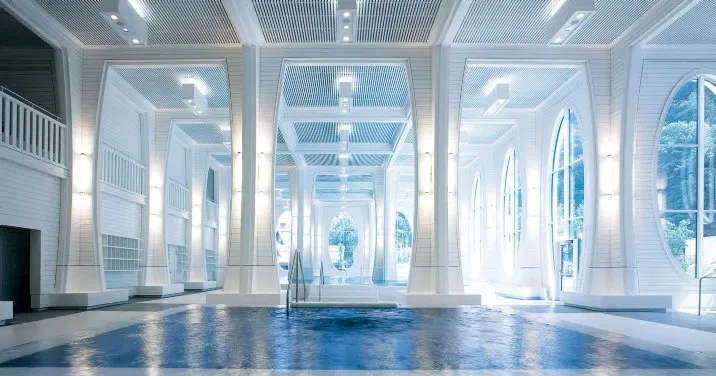
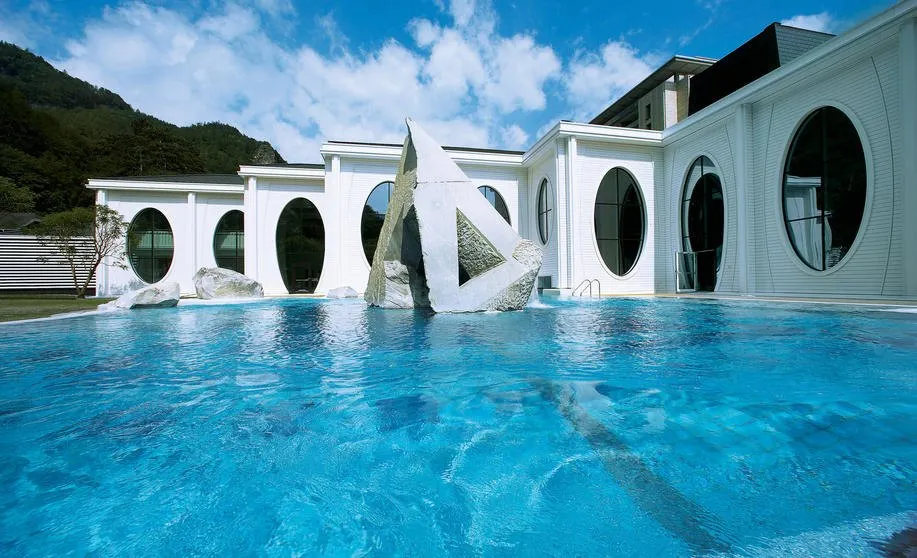
It was a short walk from my room to the private thermal pool, initially built in 1871 making it the first indoor pool in Europe. The water to the pool is fed directly from the Tamina Gorge through a 4 km conduit pipe that was built in 1840, of course modernised considerably today. The hydrotherapy with its soft inbuilt water massages works scientifically on your joints and bones. While the minerals in the water smoothen your skin, the temperature helps ease cramps and stiffness in your bones. This probably explains why despite my ageing bones, I was the still the youngest spring chicken in a brood of 70 year olds (mostly Euro millionaires and Arab billionaires).
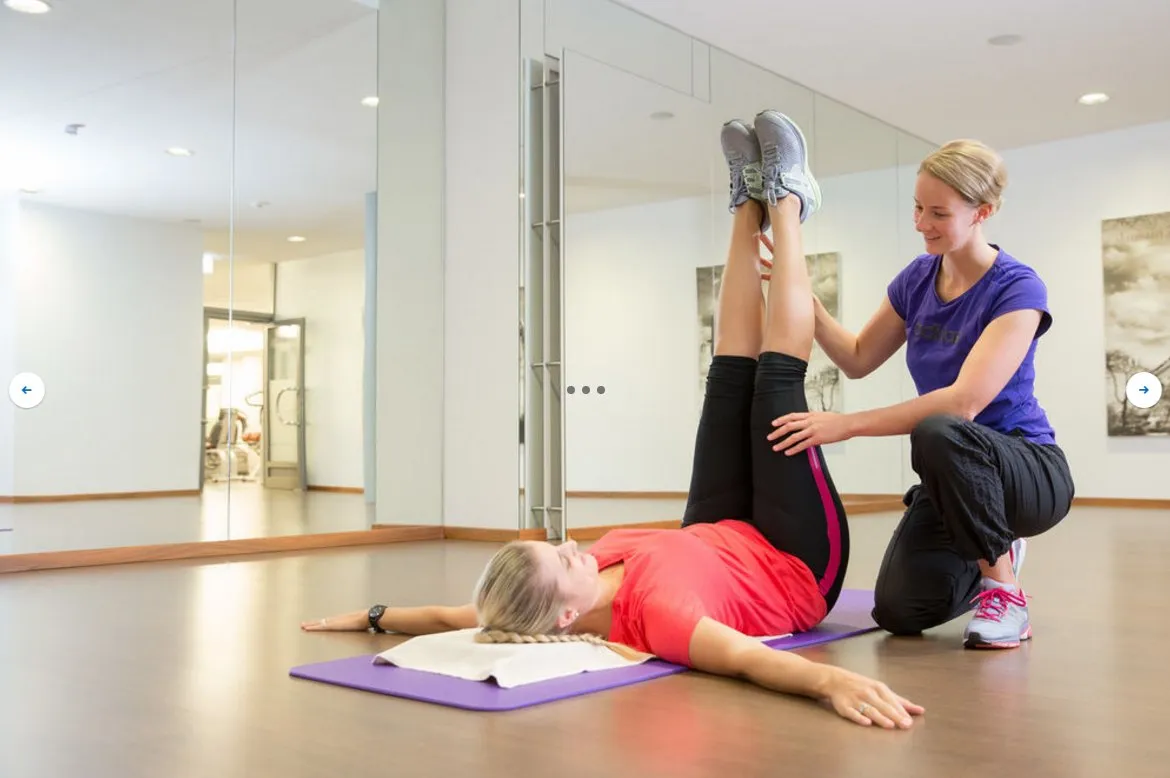
Must you be warned: Hydrotherapy is not just about waddling like a lame duck in the water. You are assigned a personal physiotherapist who will work with you every morning (wake up call at 6 am) in a deep pool giving lessons in water gymnastics, water yoga and water aerobics. I did my bit, albeit grudgingly. Also, you drink and bathe only in thermal water. The rooms in the spa tower have hot spring water flowing out of the faucets. It must have worked. I walked out of the resort a week later with a shoulder less frozen.
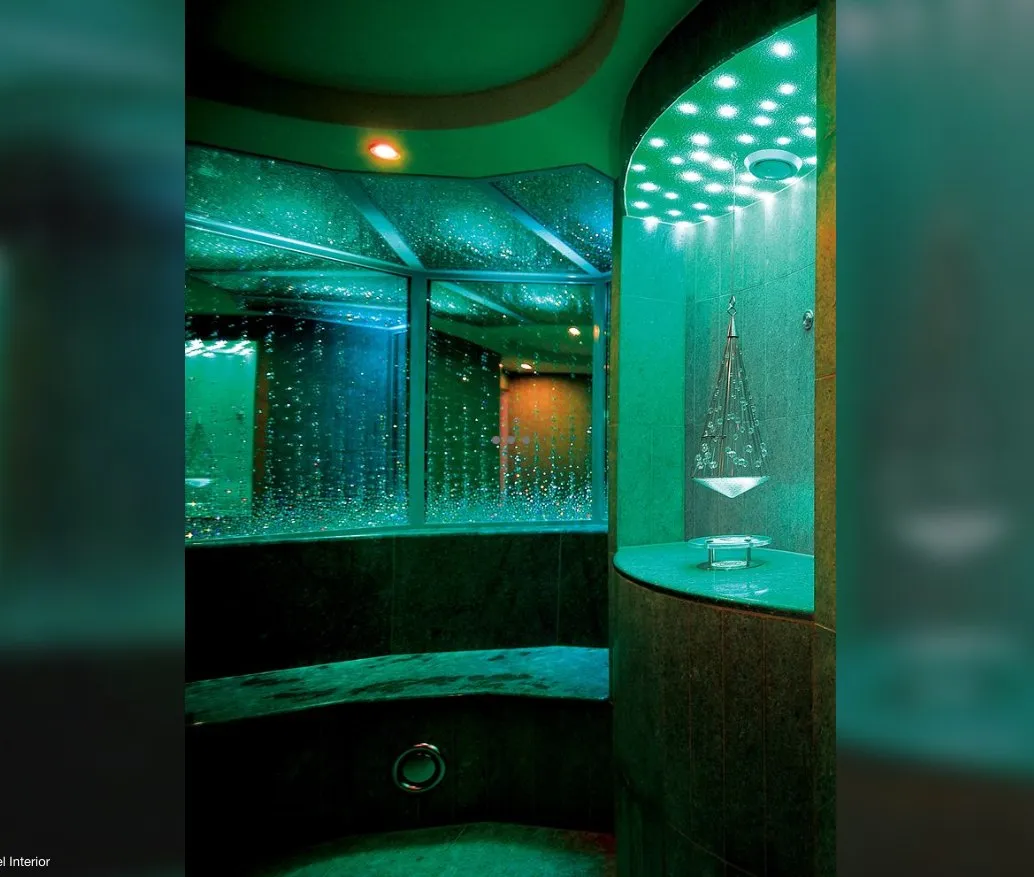
My favourite part was the post-soak indulgence. You can steam out your stress inside the first Swarovski crystal herbal steam bath in the world. It just proves that all that glitters is not gold - sometimes it's crystal. Another quirky (and relaxing) thing to do in the hotels’ 7,300 square-metre To B. Wellbeing & Spa is to refresh with a power nap in their state-of-the-art pod-like nap shells. I chose the herbal-scented sauna instead. There is nothing quite like working out a sweat, eh?
With my aches and pains behind me, I headed to the zone that really excited me – anti-ageing. The medical centre uses advanced stem cell technology to slow down the ageing process of our cells. So do not confuse the medi-spa for one of those five-star massage parlours. This is serious business.
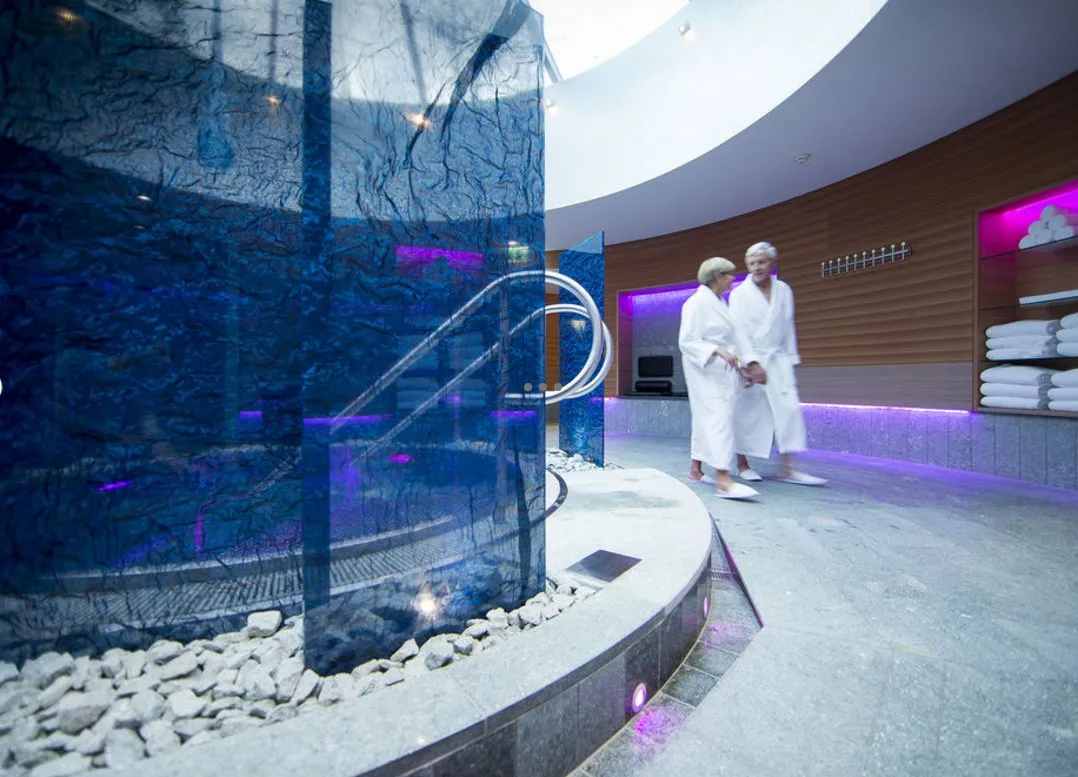
The bio-stimulation and regeneration mesotherapy and the intravenous iron infusion are some of the more advanced anti-ageing therapies that the doctors at the centre vouch for. It allegedly works at the mitochondrial level, giving our cells longer lives. But there are no free lunches. Once you enroll for the therapies, a strict diet and routine has to be followed. For instance, the detox plan can be rather gruelling with some intense intravenous infusions. But the difficult part is the complete denial of our staples like phones and laptops, besides a very tough diet.
I decided to skip detox. What’s Switzerland without its wine and cheese? The little town of Bad Ragaz outside the resort is a perfect place to indulge in some cottage wines and homespun cheeses. I chose the more traditional ones that can be a bit pungent to the uninitiated, but there is always the all-time favourite Tom & Jerry cheese I loved as a child, Emmental – the one with the holes, light and flavourful.
A little further up the mountains lives a more vivid memory from my childhood: Swiss author Johanna Spyri's Heidi. For someone who grew up on an unhealthy dose of fairytales, a trip in and around the village of Maienfeld, now called Heidiland, is a vindication of sorts -- that fearless Heidi was real, and she was one of us. There is even a little chalet up in the hilly hamlet of Oberrofels, now a museum, where Heidi supposedly lived a 100 years ago. Even Uncle Alm is somewhere around. The trail is scenic, winding back down through lush meadows filled with spring wildflowers to the village of Jenins, and back to Heididorf across little garden vineyards that make delicious homegrown wines.
It is the local wine that surprises you. You can buy a bottle or two from the local stores all of which offer a range of very good homewines. For guests looking for more formal vintages, there is a lot to choose from the hotel’s cellar. They even have water and wine sommeliers to help you match your water with the wine, a bit poncy but fun.
It was time for dinner. My favourite among the 12-odd restaurants in the complex is the very traditional and old Swiss restaurant Abtestube (built 150 years ago) best known for its sinful blue cheese fondue. My host is the good doctor Dr Schlegel who fancies himself as a bit of a wine maker on the side. So, my wine for the evening was from his garden. He and his wife grow Riesling grapes in their backyard and then send them to be bottled and aged to the local winery. The more serious wine bores make quite a stash out of the arrangement. But the wine is, and I know this is blasphemy, a lot better than some of the big daddies from France and Italy.
The rumour is that the Swiss don’t quite know how to transport their wines, which is where the crafty French and the Italians score. May be. Next time you are anywhere near Switzerland, hoard a crate or two. And forget Yash Chopra landscapes, drive down to Bad Ragaz to take a thermal plunge and come back younger and healthier. And who knows, a new nose?
Spotted a mistake, or your photo used without permission? Report a correction