Art In Transition
At a mere age of 24, this designer is making a name for herself in the fast and ever changing world of fashion.




While kids her age were busy going out and having fun, Indian-Norweigein designer Helena Bajaj Larsen was busy exploring art galleries and studios with her mother. This exposure to the creative world at a very young age got her interested in art, which later swayed towards a specialisation in textiles.
Born and raised in Paris and having lived in various parts of the world since, she effortlessly mixes her experience from Paris, India, Norway, New York and Dubai into her designs. She walks us through her processes and talks about what inspires her creations. Edited excerpts.
 L’Officiel India DigitalRead L’Officiel India in the digital libraryEvery issue and every cover story, on TCG Media.Read now
Your mother, Sujata Bajaj, is an acclaimed and celebrated artist. How has her legacy and love for art influenced you and your childhood?
My mother has been very crucial in my introduction to art and design, she planted all these seeds in me. It is entirely through her that I was exposed to all kinds of creatives artists, musicians, dancers, playwrights, architects and fashion designers from a very young age. This helped me grow a fascination with the creative industry, the whimsical people that make it and the amazing things that come out of it. Being exposed to her world as a painter and then being pushed by her to tap into my creative side is what shaped me to pursue a career in arts.
When and how did you decide to step your foot in the world of fashion? How did it all start for you?
I gravitated towards design because I liked the idea of making objects that represented an intersection between art and function. As a teen, I completed a couple of internships which led me to my studies in fashion at Parsons. It was there that I realised what I love about fashion is actually fabric, creating surfaces, textures and the study of different materials. After graduating, I applied to several competitions with my thesis collection and one of them was Lakme Fashion Week's Gen Next platform, which I was fortunate enough to be selected for and how I initially launched in February 2018.
Your garments do no digital printing or screen printing, making each and every piece unique. Do you think it is one of your USPs that sets you apart from other designers today?
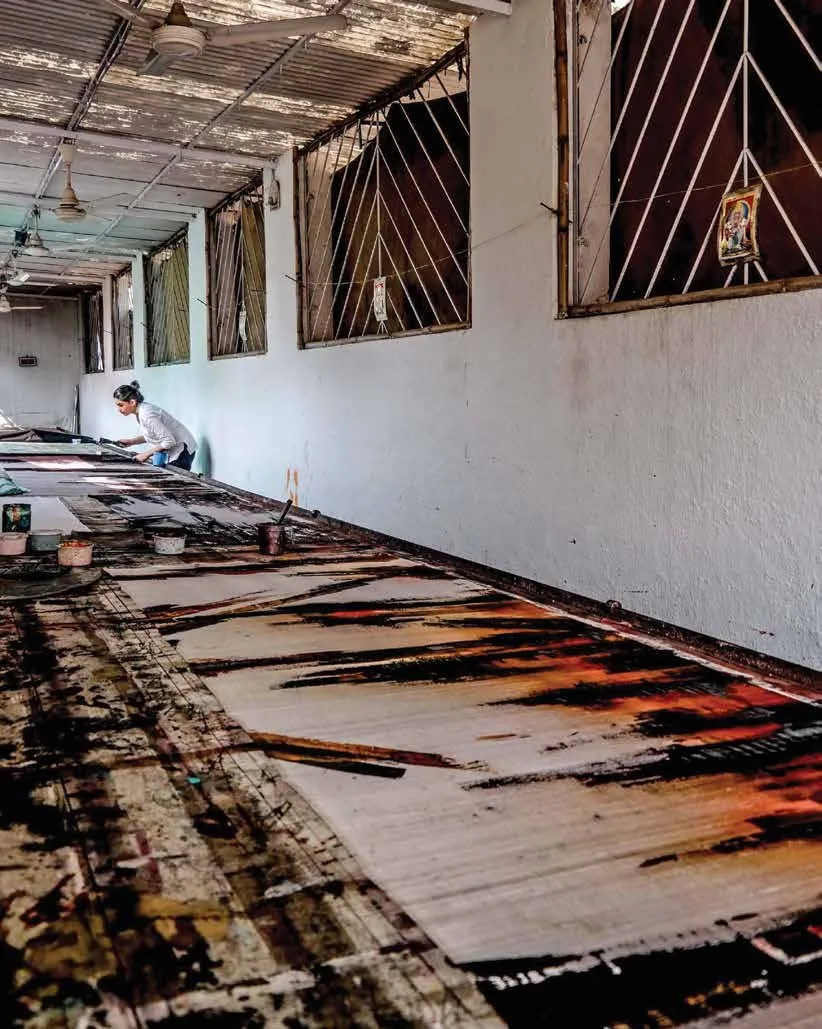
I would like to think that it is my USP. Every piece starts off as a blank canvas for us, each line and mark is completely hand-painted by me. I think there are a lot of customers who love the idea of owning something that is a bespoke work of art. The idea is for the person to see the garment more as a collectable object rather than another piece of clothing.
What does it take to stay relevant in the ever-changing world of fashion?
This is tricky! What I find to be the hardest part of this job is to be relevant without becoming trend-obsessed. I think to stay relevant, you have to remain innovative and continuously offer a fresh product, whilst being true to your identity and never compromising on your ethics.
How do you think the Indian fashion scene is getting influenced by international exposure?
The Indian fashion scene is really mature as well as impressively progressive. Designers there are exploring everything from making genderless clothing to very neutral coloured clothing, something that westerners won’t typically associate to Indian clothes and this is what I am finding so exciting at the moment. If they are able to balance these new developments with the craftsmanship resources that India has, I think there is immense potential there.
You have interned under Rohit Gandhi+Rahul Khanna, Mary Katrantzou and Thakoon. How has the experience of working under such accomplished designers influenced you?
Each internship impacted me in a different way, be it the professional environment or the nature of the tasks, what you learn truly differs. Interning with Mary Katrantzou left a great impression on me. The way they use unconventional materials for their craft made me think out of the box and work out of my comfort zone. At Rohit Gandhi + Rahul Khanna, I learned a bit about how to create embroidery swatches and so much more.
Walk us through your upcoming collection. What can we expect from your label?
I actually don’t really work around the idea of a fashion calendar and specific seasons. It is more about creating a painted series every few months and the creative direction they end up taking really depends on my mood (laughs)! For my last series, I thought I'd challenge myself and work with pastel colours like beige, baby pink, lemon yellows, sky blues - basically colours that don’t usually speak to me. In the end, I was quite pleased with the results - I am hoping they will attract clients who have a more subdued style and don't wear louder colours!
Spotted a mistake, or your photo used without permission? Report a correction