In early 2026, the global art market has embraced a profound metamorphosis, as visionary galleries bridge the gap between ancient African craftsmanship and speculative futures.
For generations, the mainstream art narrative has viewed African and Diasporic creativity through a limited, ethnographic lens, often categorizing foundational spiritual works as "folk craft" rather than high art. This narrow perspective failed to capture the sophisticated mathematical and philosophical depth of the continent’s artistic evolution. However, the January 2026 season has signaled a total tectonic shift: major international platforms have moved beyond tokenism to embrace "Afro-Futurism" as a rigorous historical lineage. By foregrounding the link between 19th-century West African bronze-casting and 21st-century digital world-building, curators are dismantling old hierarchies. This season, the market and contemporary creators have moved beyond mere observation; instead, they are actively remixing, reframing, and reclaiming these narratives to prove that the past was always ahead of its time.
The Modern Lens: 2026’s Artistic Reinterpretations
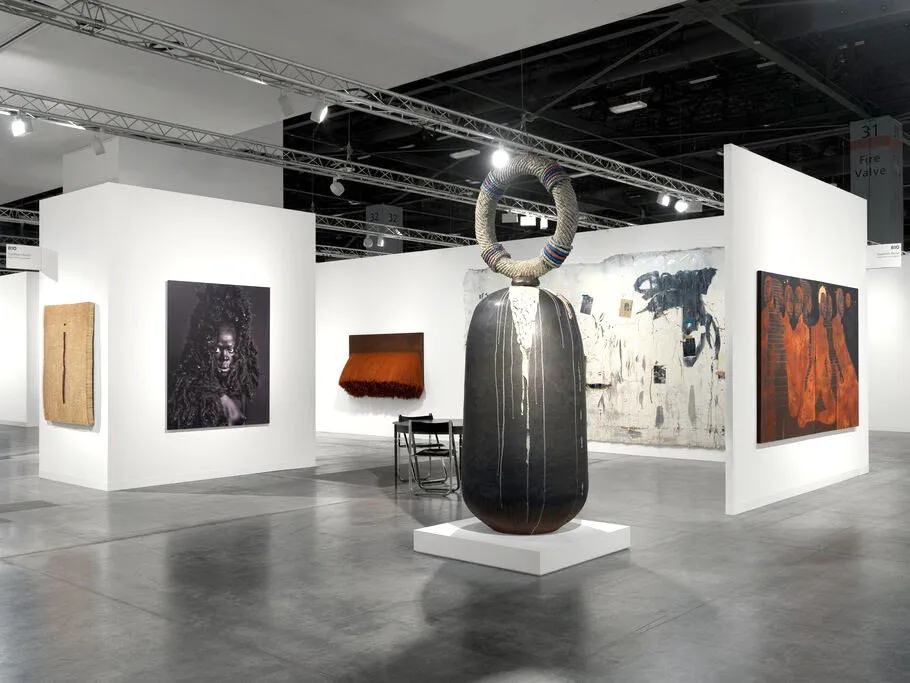
Premise: Bridging Lineages, Filling Gaps. The Premise sector of the 2026 January fairs became the epicentre of this movement, dedicated to singular presentations that established a direct continuity between pre-colonial mastery and post-human aesthetics.
Benin Bronzes & Binary Code: A Lagos-based gallery made waves by pairing 18th-century royal relief plaques with the generative, 3D-sculpted works of Cyrus Kabiru. The presentation argued that the intricate geometric symmetry found in ancient bronze-work was the true precursor to modern computational design.
L'Officiel found that the "Afro-Futurist Legacy" is not a destination, but a living dialogue between ancestral spirits and digital pioneers.
Galleries: A Spotlight on the Diasporic Avant-Garde. The main Galleries sector saw a surge in focus on artists who use traditional medium to explore "non-linear time."
The Power of Malangatana: Presentations focused heavily on the dense, symbolic paintings of the late Mozambican master Malangatana Ngwenya, whose work is being reinterpreted through the lens of modern surrealism and political resilience.
Wangechi Mutu’s Hybridity: A New York gallery dedicated its space to Wangechi Mutu, showcasing how her hybrid figures—blending organic, mechanical, and mythic parts—draw directly from East African folklore to address 2026’s questions of identity and technology.
Art Market Diversity Statistics (January 2026). The commitment to a globalized history was evident in the numbers:
72% of "New Horizon" presentations featured artists from the African Diaspora or the Global South.
50% of historical solo-booths were dedicated to non-European Modernists previously overlooked by Western institutions.
Spotlight on Artists Bringing History to Life
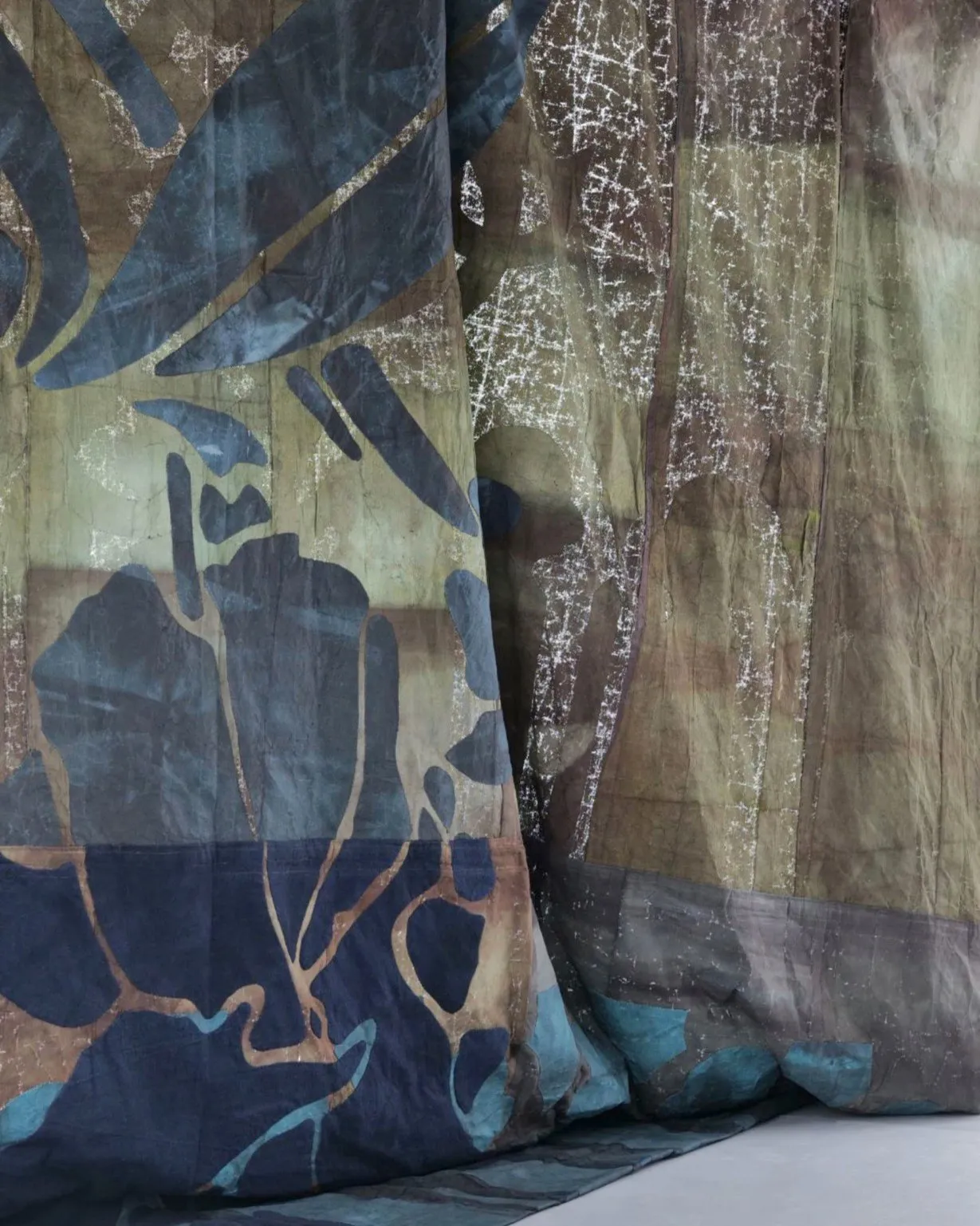
Victor Ehikhamenor: The Weaver of Sacred Code Ehikhamenor’s 2026 installations utilize digital tapestries and traditional Nigerian Uli markings. By translating these ancient symbols into large-scale, LED-integrated textiles, he creates a bridge from the "anonymous" masters of the past to the high-stakes contemporary art market. He reminds us that "history is a living fabric, and we are simply adding the latest thread."
Phoebe Boswell: The Architect of Memory Presenting in the Emergence sector, Boswell uses immersive AR (Augmented Reality) to "re-animate" 19th-century drawings of Kenyan landscapes. By layering digital voices and moving portraits over historical sketches, she ensures that the stories of the marginalized are not just preserved, but are actively speaking to the viewers of today.
Zohra Opoku: The Alchemist of Identity Opoku blends photography with West African textile traditions. Her recent series uses screen-printed images on vintage Kente cloth to explore how clothing acts as a "second skin" of history. Her work elevates the act of dressing into a monumental statement about ancestry and the permanence of the soul in a digital world.
What did we learn from this Afro-Futurist revival? The past is not a museum piece; it is a launchpad. In 2026, art became a time-travelling party where the old-school legends and the bold innovators shared the same stage. By reimagining the works of forgotten masters, today’s creators have ensured that the voices of the past are louder, bolder, and more futuristic than ever.




 L’Officiel India DigitalRead L’Officiel India in the digital libraryEvery issue and every cover story, on TCG Media.Read now