A Cut Above: The Achievers Club




Destiny favours bold dreamers and fearless doers. L’Officiel India meets men and women who wrote their own fate. They lead, others follow.
Murad & Nataly Osmann, travel influencers
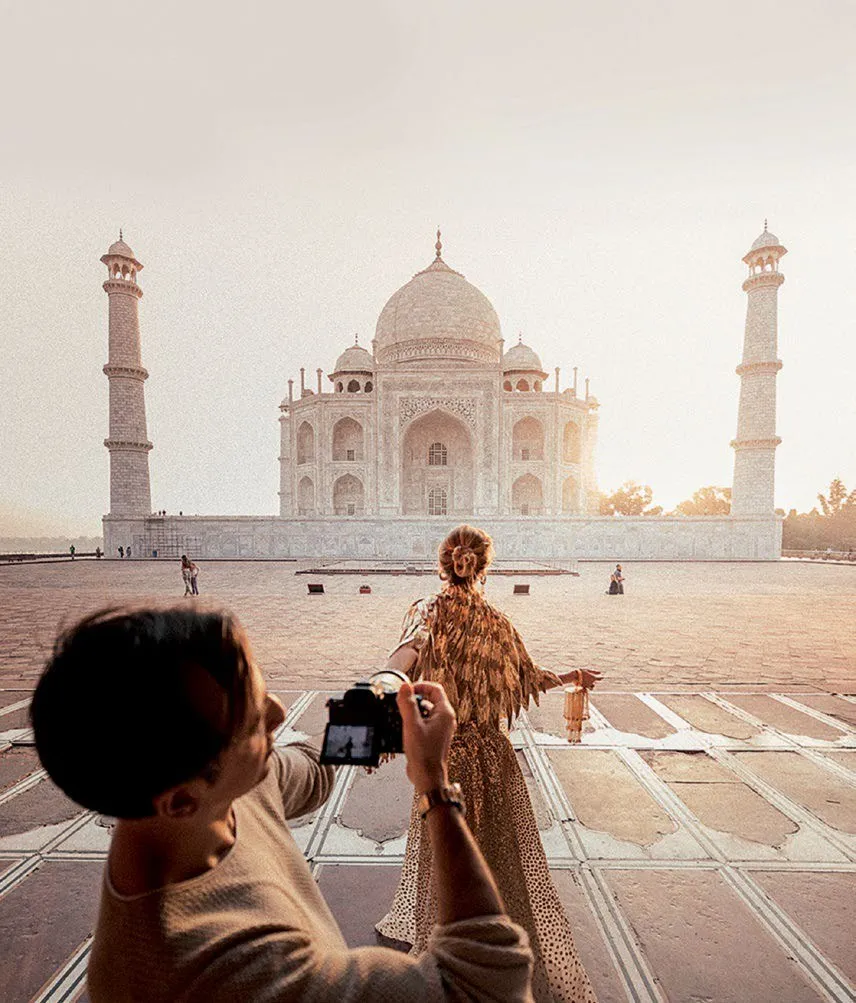
Whoever said love can move mountains was right. At least it is true for photographer Murad Osmann and his journalist wife Nataly. The Instagram sensations, counted among top travel influencers, are the creators of one of the most recognisable online entity, the #FollowMeTo series. Murad is followed by 4.6 million people on Instagram, Nataly is followed by one million people and another 4.85 lakh follow the FollowMeTo handle. Number crunching aside, there is something adorably sweet about their love that spills over, even when we chat with them over FaceTime.
 L’Officiel India DigitalRead L’Officiel India in the digital libraryEvery issue and every cover story, on TCG Media.Read now
They finish each other’s sentences, looking at each other lovingly. Nataly leans over Murad’s shoulder even as he tells us how she is the more expressive one among them. Nataly tells us about Murad's great sense of humour. They met through common friends and Murad perused her to meet. “I would try to impress her by showing off my bike riding skills,” Murad recalls. They are two different people who love to travel. “It’s good to have different perspectives, so that we can look at the same thing from different angles,” Nataly says. They talk to each other in Russian. Well, mostly. “Sometimes she talks to me in Hindi but I don’t understand,” Murad jokes. They are as love struck as they were five years ago when Murad made the first-ever #FollowMeTo photograph with Nataly in Barcelona.
“We had no idea that a simple photo would create such a buzz. We were doing what we always do on our travels... I take photos and Nataly nudges me to follow her,” Murad says with bewilderment in his voice. Nataly chips in saying that he likes to stop every five minutes to take pictures and all she was doing was pointing to a beautiful spot. That one picture catapulted them into a galaxy of digital movers and shakers. How life changed after it, we ask. “Well, Nataly and a bit of my hand became celebrities,” Murad jokes, as Nataly laughs. It definitely gave them a chance to translate their vision into reality and not only experience different cultures but also let a bigger audience be a part of it.
Over the years, Murad has refined his photographs even as Nataly, also a journalist and a model, puts together the looks. For their India series, she wore clothes by designers Rohit Bal, Tarun Tahiliani, Abu Jani Sandeep Khosla, Manish Arora, Rahul Mishra, Nikhil Thampi, and Arjun Saluja. While they have travelled a great deal, with a flexible calendar, their bucket list is far from over.
The Instagram sensations, who tied the knot two years ago in two separate events (one at Murad’s native place and another in Moscow), now run a successful YouTube channel apart from their Social Media campaigns. Their India series garnered 1,293,871 views (and counting) in less than two weeks. Their YouTube channel has videos from their travels to Bali, Cuba, India, Japan, Myanmar, and Cambodia. “The last one is from China and it’s really worth watching,” Murad says. Through their photos and videos, they make the trails popular, spills footfall.
But, nothing can replace hard work. “There is a lot of ground work involved. We are constantly on the move, looking for newer places to explore, newer spots to strike a pose. Audience demand more sophistication and complex frames,” Murad says. It is always easier to be a flash in the pan, but sustaining fame is the real challenge, they say.
Currently, Murad and Nataly are working with Four Seasons Hotel on a new cocktail called Follow Me To. “You can try it at Four Seasons Hotel Moscow at the Moskovsky bar, and will be available soon at other Four Seasons Hotels,” Nataly says.
While popularity has its perks, but there is a flip side too. There are imposters and copycats. “We are not perturbed by any of it. In fact, we are happy when people copy our pose,” Nataly says. “We, in fact, encourage everyone to recreate it and post it so that we can repost it,” Murad says. “Ivanka Trump recently made an amazing #FollowMeTo photo,” Nataly recalls.
Murad and Nataly would like the #FollowMeTo series to transcend time and boundaries. “We want it to become bigger than us, and take a life of its own,” Murad says.
By Nidhi Raj Singh
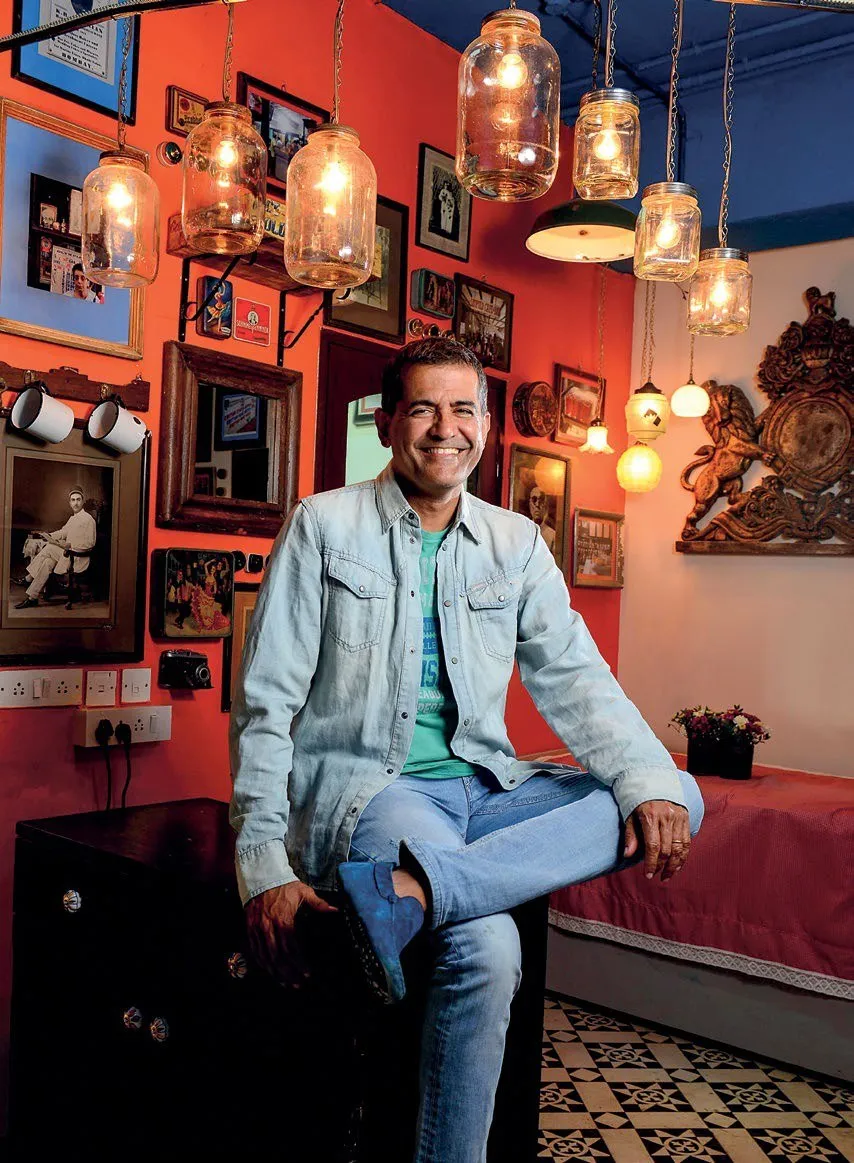
AD Singh, restaurateur
It all began with an incurable sweet tooth, a young AD Singh, on his return from his university stint in the US, yearning for his ultimate sugar fix, made his restaurant debut in 1990 with Just Desserts, a jazz café that served only coffee and desserts. Since it filled a massive void in the casual dining space, the restaurant was a success. He recalls, “I found I loved it despite all the struggles. We opened on a budget of ₹50,000 that makes me laugh looking back.”
Once he got back to Bombay, a lover of jazz, AD began working with jazz musicians that organically lead to his positioning of jazz as a selling point to develop the Guest Line Hotel and the Ripon Club. By 1995 AD had succeeded in bringing together his love for jazz and his knowledge of the hospitality industry through the conceptualisation and creation of Jazz by the Bay for the Narang Group. Soon after which came the Copa Cabaana, an incredibly popular Latino bar that brought Tapas to Bombay.
Back when AD got into the hospitality industry in India it was only in its fledgling stage. Nowhere near what it is trying to achieve today. Despite those constraints he refused to be limited by his formal training and lack of deep pockets. AD relied on his creativity and originality supporting those with hardwork, a genuine spirit and innovation, making the combination of these elements the cornerstone to his systematic success over the years. In his own words, he attributes his accomplishments to, “hard work, great teams, a strong vision and supportive stakeholders.”
1998 saw the launch of The Olive Bar and Kitchen. Then came the opening of Suzie Wong, Bombay’s first floating bar, off Marine Drive. Time came to branch out and so in 2003, he brought the Olive Bar and Kitchen to Delhi.
Now of course, Olive has grown into much more than a restaurant, becoming a way of life. AD says, “We have always opened Olive’s doors to the art, fashion and literary fraternities. The vision for the Olive brand is to remain committed to creating and hosting events that serve as platforms to showcase different forms of art and lifestyle events.” Those who know AD will agree that he has always celebrated life and good living filled with fun, laughter, cocktails and conversation and this, in turn, has contributed to Olive becoming one of the most frequented restaurants in the country.
AD Singh has made it his mission to encourage the growth of the ‘stand alone’ restaurant business with Olive Bistro (Olive in a more affordable and casual avatar), Guppy (contemporary Japanese) that opened in New Delhi in August 2013 and SodaBottleOpenerWala at Cyber Hub in Gurgaon, which is an ode to the dying legacy of a Bombay Irani café. Then followed The Local in South Mumbai, a comfortable, neighborhood bar and Ek Bar at Defence Colony, Delhi, serving a modern menu, inspired by regional Indian cuisine. 2017 saw him add a Goan beach shack styled Lady Baga located in Connaught Place, Delhi to the Olive group fold, and open the brand’s first microbrewery in Hyderabad, The Hoppery, spread across a quaint glasshouse, an alfresco and wooden deck. Hello Guppy, an all-day Japanese Café, then made its move on Bombay. Through this long gastronomic journey, A D Singh says, “The biggest struggle has been keeping up with the rapidly changing and ever widening spectrum of the world of hospitality over the many years.” But of course, there is no stopping him, plans are underway to take his brand abroad.
When asked who he’d like most to see dining at any of his restaurants? He laughed and said, “My daughter Zoe as she grows up!”
By Shashi Sunny
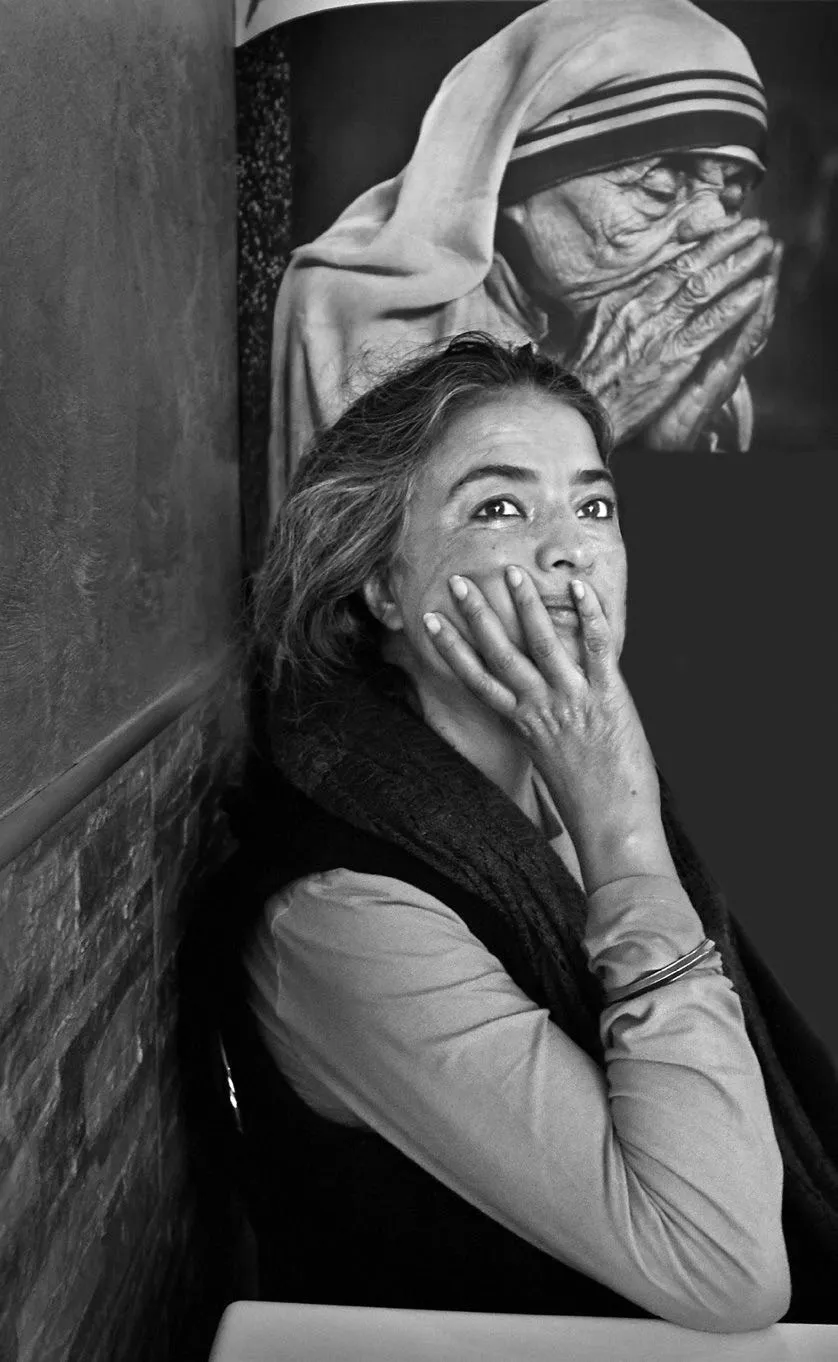

Gurmeet S Rai, conservation architect
During her rich career spanning 27 years, Gurmeet S Rai has worked on conservation projects throughout India, and particularly in Punjab where she has extensively documented historic buildings. Her two projects Krishan Temple and Lakhpat Gurudwara, which were hugely appreciated for her conservation efforts, received UNESCO Asia Pacific Heritage Awards in 2001 and 2004 respectively. She has been on the jury of the UNESCO Asia Pacific Heritage Award for Cultural Heritage for over 10 years now.
Gurmeet is continuing to bring innovations in the development of conservation practice in the country. Her approach to heritage conservation is not determined by a fixed template, but is acutely responsive to the context of the particular site and its tangible and intangible values. For instance, in preparing the management plan for the Red Fort, she designed linkages that synergised the roles of the state, civil society and technical agencies.
For the Ellora caves, the conservation management framework integrates the management of the cultural heritage site and its environs with the regional development strategy. In 2006 she headed the preparation of the conservation, management and revitalisation plan for the Gobindgarh Fort in Amritsar, a fort of immense historical significance that was gifted to the people of Punjab by the Government of India.
Gurmeet’s vision is to push the frontiers of heritage conservation towards becoming a more inclusive, development oriented and interdisciplinary practice. Among several other assignments she is presently engaged with, one is conservation and enhancement of intangible and tangible heritage in Kashmir.
Rai has been instrumental in preparing the management plans for the international heritage sites, Lumbini in Nepal and Bagan in Myanmar. Over the years, she has moved from heritage sites to cities and villages, integrating heritage into development framework.
By Noor D Singh
Anish Kapoor, sculptor
One can hardly be Indian and not know that almost every accent, even which hand you eat your food with, has some deeper symbolic truth, reality, says the award-winning master sculptor who was born in Mumbai and has lived and worked in London since the early 1970s where he moved to study art, first at the Hornsey College of Art and later at the Chelsea School of Art and Design.
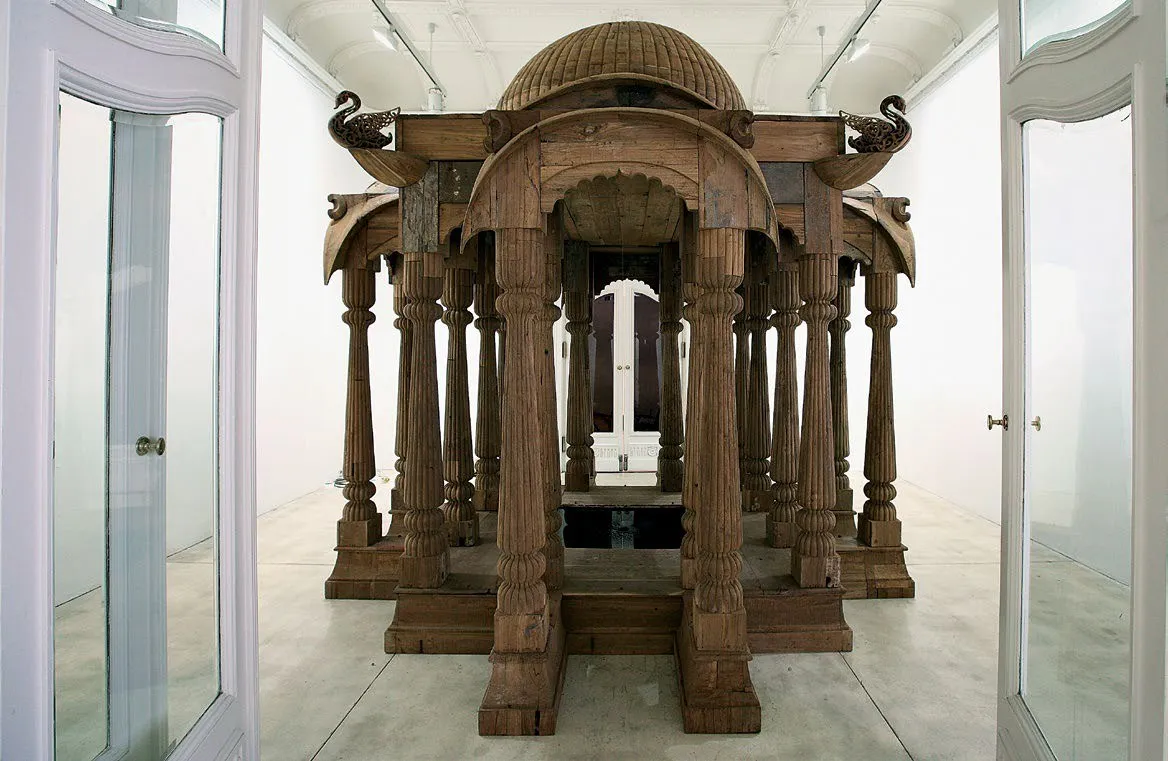
Anish Kapoor, apart from all the accolades that he has garnered, including the Padma Bhushan 2012 and the Knighthood conferred by Britain in 2013 for his services to the visual arts, is destined to be remembered as one of the most iconic sculptors of his generation. He was awarded the Turner Prize in 2002 and has left his indelible mark at prominent world locations for public with his large scale projects like the Cloud Gate (2012) at the Millenium Park Chicago, Leviathan at the Grand Palais in Paris and Orbit (2012) at Queen Elizabeth Olympic Park, among others.
His work is an intense mix of forms and textures, sometimes realised on a monumental scale, but always with a mesmerising quality. His art is conceived and realised on ground through complex engineering, but has a quality of engaging the audience intimately, and is almost a transcendental or a metaphysical experience. The forms are intriguing – poetic and powerful at the same time, achieved with an array of materials like resins, wax, raw pigment and most notably stainless steel, deployed with a high degree of care and sensitivity. As the relationship with the viewer is key in any art form, Kapoor says, “We have two outstanding attributes—one is to believe, the other is to relate. “Art engages the need to believe, great art in its overwhelming ability, intimately wraps us in a relation.” While Kapoor has said he wants to draw viewers into a moment of intimacy with his enigmatic sculptures, several of his most notable museum installations have taken this notion of wrapping to a monumental scale.
Kapoor’s recent work includes Descension (2014), presently installed at Brooklyn Bridge Park in New York. Descension is the culmination of intensive research into materials and processes. The continuous swirling motion of this 26-foot (in diametre) liquid mass converges in a central vortex, as if rushing water is being sucked into the earth’s depths. Result is a stunning masterpiece.
Kapoor’s abstract forms are experienced on multiple levels and their powerful physicality has a very overt and visceral impact. And yet Descension also stimulates the imagination and has layers of social, cultural, and even mythic dimensions.
By Noor D Singh
Sudarshan Shetty, contemporary artist
Sudarshan Shetty is a leading name in the contemporary art world today. He grew up in Mumbai and went to study commerce before he landed at the JJ School to study drawing and painting. His most recent engagement has been as a curator and artistic director for one of the country’s most reputed art programmes: last year’s edition of the Kochi Muziris Biennale.
Sudarshan, describing his journey, says, “I grew up with a lot of music and storytelling at home as my father was a performer in Yakshagana, an artform of dance-drama mostly performed in southern Karnataka. In the last few years I have been actively looking at various traditions like these to inform my practice. This is also to find resonances within us, to look at the world as naturally as possible, as opposed to a system that is made available to us by an education system that is largely informed by the western canons.”
“I have been interested in the traditions of music and poetry that come to us in a way that is unbroken despite our colonial pasts. When we think of modernism I think there is a need to look beyond a singular perspective of colonial influences on us.”
Sudarshan’s work could be described as an active engagement with the perception of body and its ontological relationship with the world of material and immaterial objects. He finds himself continuously looking back at various traditions of such representations to draw from, whether within the worlds of arts or philosophy as a way of moving forward.
We can expect his brand new shows including a large piece for Jerusalem Lives in Birzeit in Palestine and two solo shows in Vienna scheduled for November of this year and another one in Dubai for January 2018.
By Noor D Singh
Rajiv Makhni, gadget guru
Rajiv Makhni confesses that he has always been passionate about technology and says, “My mom must have been a huge Star Trek fan and must have watched a lot of it while she was carrying me. She also must not have watched the end of each episode, because I only cared to take things apart and not much else. As a child, I used to break open everything to see how it worked from the inside. Every toy, every TV and every music player in the house. Sadly, I could never put it back together again. I was never the favourite child when it came to extended family and friends of the family because nothing was ever safe around me.”
Growing up, Rajiv spent all his money on gadgets and cars. He explains, “Everything I made from modelling and my first business, I put into technology. I was obsessed with the idea that most products were so clunky and poorly designed. I used to redraw design, come up with features, dream of creating a perfect gadget.”
And then one day, out of the blue, he got a call from a close friend who had just taken over as editor of a men’s magazine. Now, since Rajiv was in any case always tinkering away and spending all his time and money on technology and cars, his now editor friend wanted him to put all that knowledge and himself into a column. And that is how today’s story began.
This gig changed things around and Rajiv had to be a lot more clued into the new and improved. He has to be aware of the incredible rate at which technology is constantly evolving. Credibility is in high demand but short in supply and Rajiv says, “People look to me to tell them what would be the most reliable and worthwhile buy before they actually go out and spend that money. While I may be chest thumping a bit, but there is a good chance that if a company is launching a phone in India and gets rave reviews from me in my column and on my show, it may sell very well. If I criticise it, it maybe the death of the product. It’s both a sobering thought and a huge responsibility.”
Rajiv has several projects that he is working on. “I have a book releasing soon, I am going to being mentoring startups, launching a national radio show and a daily online show.”
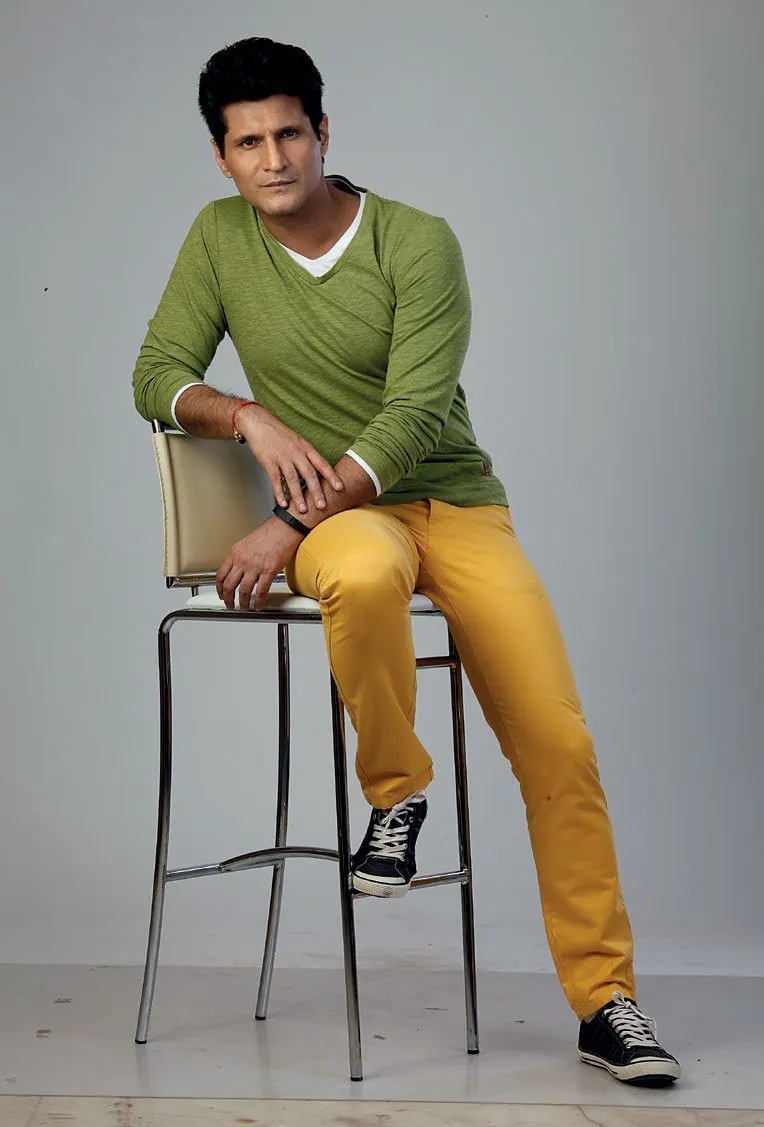
To those striving to get to where he is today, Rajiv’s advice is, “If you don’t truly have the passion for the business, then don’t get into it. Every line of work is hard. But this may well be the toughest. Your daily life is very different from anybody else. I have often done a 14-hour shoot, got back for 30 minutes and then had to return to work for another 12-hour shift without any prior knowledge. If you come across someone who tells you that they didn’t get into this line of work for the glamour they are simply telling you a lie.”
And his most interesting fan moment? “Well, I had once joked that I will truly know that I have arrived when the person taking a wee in the urinal next to mine at a public restroom asks me for an autograph. That has now become commonplace and I have taken hundreds of selfies with men in bathrooms. But my greatest fan moment was when I walked into a party and was introduced to one of the most beautiful woman I have seen. She was about 80 years old and as I was being introduced to her she stopped the host and said, “Don't be silly, he's with me in my bedroom every night”. The stunned silence of all the people around was only broken when she added with a twinkling eye, “I watch his show in my bedroom before I turn in every night”. I slept very well that night,” he says.
By Shashi Sunny
Anny Divya, commercial pilot
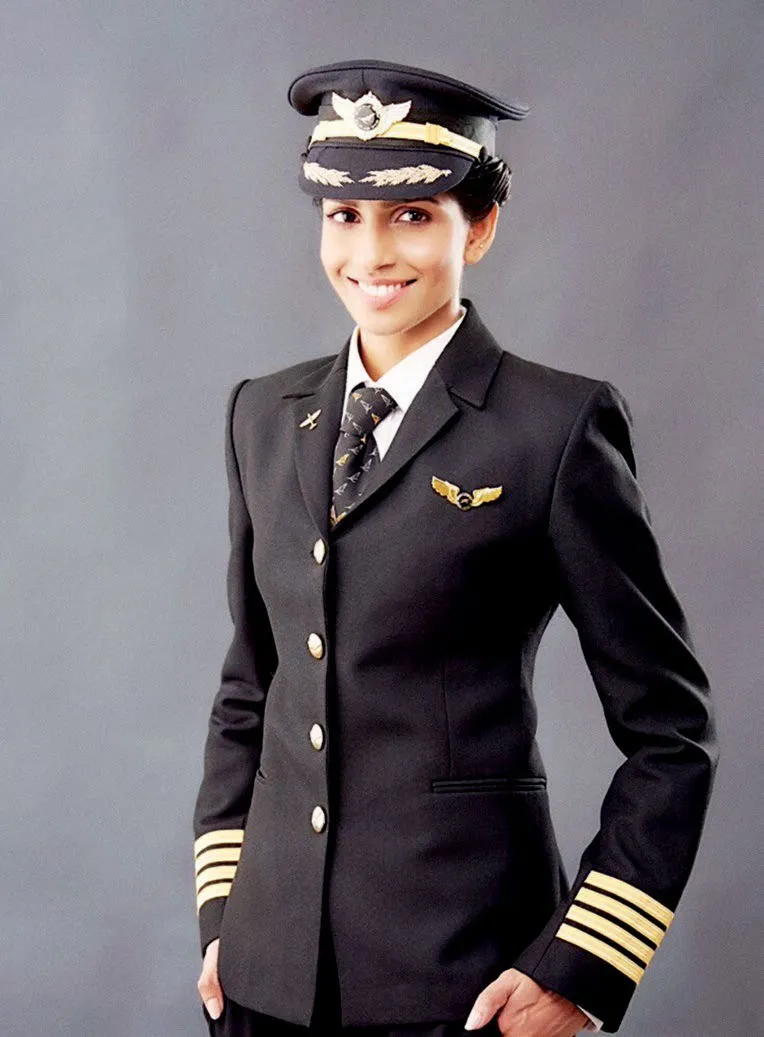
They say that if you reach for the stars, you’ll at least make it to the top of the tree, and that’s definitely a lot higher than where Anny Divya started. Of course, now when it comes to Air India pilot, Captain Anny Divya, she made it a hell of a lot higher than the tree. Apart from soaring in the sky at 43,000 feet above sea level she is the youngest woman Commander in the world to pilot a Boeing 777 at 30. “It is such a wonderful feeling to commander such a modern aircraft that too in an industry dominated by men,” says Divya who has been inundated with print, online, radio and TV interviews from around the world ever since the news broke.
Reaching such heights at such a young age is no cakewalk in any case, but for Captain Divya it was a lot harder still. Starting out from humble beginnings. Divya has had to put it all on the line and really work to get to where she is today. Bank loans to pursue her passion to be a commercial pilot one day, learning to adapt to completely new environment, overcoming language barriers, since she is from the town of Vijayawada where Telugu is the spoken language Divya had to learn English once she left home. “As would be the case for all who learn a new language, I used to make a lot of mistakes and some of my peers often laughed at me,” she says in fluent English and laughs. “I always took criticisms and sarcasm positively and worked harder to learn from them and overcome my shortcomings. Swimming against the tide is always hard, but then once you master the art, suddenly everything becomes very smooth and easy.”
That very same grit and determination carried her to newer heights. Today, she flies a Boeing 777 to far away destinations in the United States such as New York, Chicago, Washington and San Fransisco. “I love flying. I feel fabulous when my passengers write notes to me about how exciting it was for them to see a young woman commanding the aircraft. Today, if I have achieved anything in life I want that to inspire other young women out there in small villages and cities around the world,’’ says Divya.
She has an interest in fashion and beauty, but doesn’t pretend she is an expert in the field. “Once on a flight to the US, someone flying First Class came and congratulated me and introduced himself as the boss of MAC Cosmetics. And I seriously had no clue what MAC really was,” she laughs. “I smiled and quickly thanked him and went back to the cockpit.”
Stemming from her love for fashion she is quite keen on exploring other facets of the industry but only if and when she gets some time off flying across continents. A head turner in her Air India uniform at international airports, Divya says she loves to dress up. “I adore fashion and love brands such as Ellie Saab and Victoria’s Secret. I have always believed in following my dreams and doing everything to turn them into reality...,” says the highflier, with a charming smile.
By Vinod Nair
Sonic Sarwate, makeup artist
A tête-à-tête with Sonic Sarwate, Global Senior Artist at MAC Cosmetics India reveals his affinity for the ‘50s makeup.
Sonic is an industry staple and to say, he keeps himself rather busy, would be an understatement. Besides working with film stars and for editorials, he has been a regular at New York, London, Milan and Paris Fashion Week for over 10 seasons and also curates looks for India Couture Week. Having solidified a legendary status in the Indian beauty industry, it would be hard to believe, he didn’t plan out a career as a makeup artist. A fashion design graduate, he worked with design houses for a while before he found his true calling.
“I always wanted to do something more than just designing clothes. Since I wanted to be a stylist, I decided to learn the basics of makeup. Seeing how it can completely transform and change someone’s attitude made me realise how powerful an art this is. Putting a smile on my customer’s faces and instilling a sense of confidence in them, gave me that instant job satisfaction that I was always looking for. Besides, it poses a new challenge for me every day. Did I need any more reasons to take this forward?” Probably not.
Sarwate’s makeup career with MAC began with a call from Dubai. “When MAC decided to open in India, I was asked if I wanted to join. MAC AIDS Fund and the credo of All Ages, All Races, All Sexes was my instant connection with the brand.”
Citing period makeup as his inspiration, he remains biased to the ‘50s. “Marilyn Monroe’s classic makeup look is one of my all-time favourites. The winged eyeliner with red lips is still the most popular red carpet look. It can never go out of fashion.”
When asked if there’s a beauty trend he hates, “I don’t think I can ever hate any beauty trend. I would rather be excited to make it work for me even though it can be challenging. Because I love newness, and change can be a little bit uncomfortable sometimes.”
By Shivani Dahiya
From the September 2017 issue of L’Officiel India.
Spotted a mistake, or your photo used without permission? Report a correction