
Ultra Performance Meets Hybrid Power
Where horsepower meets haute couture, and every curve speaks opulence.
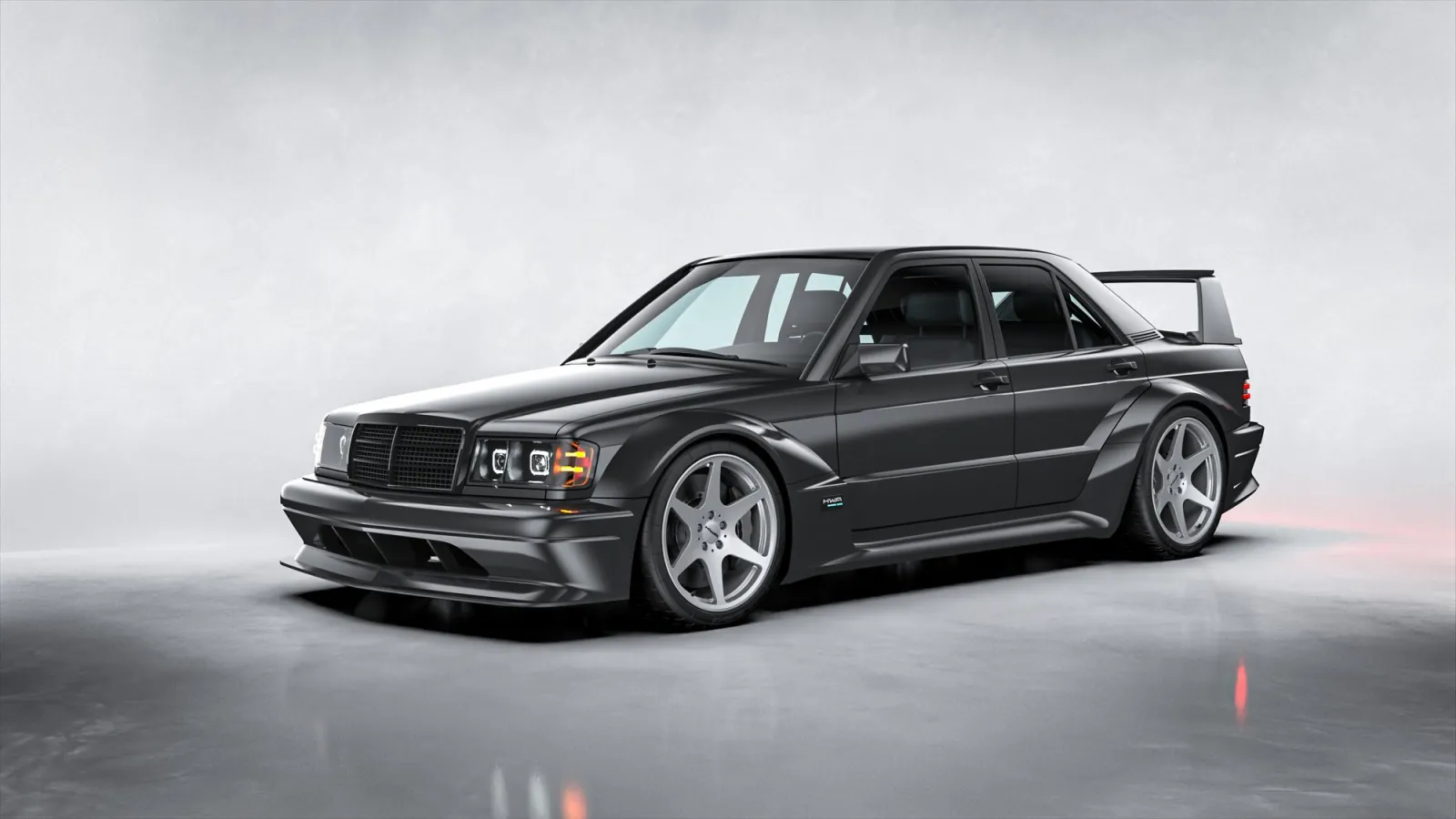




HWA Mercedes 190E

The first-ever HWA AG 190 EVO II restomod is making waves at auction through RM Sotheby’s. This road-legal sports car reimagines the iconic Mercedes-Benz 190E Evo II, infusing it with cutting-edge technologies. HWA AG, known for its motorsport heritage, has seamlessly blended the past and the future in this modern tribute. The original Evo II, produced in limited quantities for homologation, set a high bar for design and performance in its time. Now, the HWA EVO retains the classic 190E design while incorporating state-of-the-art advancements in powertrain, performance, chassis, brakes, aerodynamics, and safety.
The HWA EVO, a restomod based on the Mercedes-Benz 190E Evo II, has undergone some intriguing changes. The original Mercedes badges have been replaced by HWA derivatives, and the tail lights now feature a more modern, horizontally flowing design (possibly LED) compared to the vertical arrangement on the original model. Additionally, the HWA EVO has shed some of its fissures and curved lines, resulting in a cleaner overall appearance. This likely means a substantial increase over the original car's 232 bhp and 181 lb-ft of torque, which came from its 2.5-liter inline-four engine. Well, it's clear that the HWA EVO is poised to impress with its blend of classic design and modern enhancements.
 L’Officiel India DigitalRead L’Officiel India in the digital libraryEvery issue and every cover story, on TCG Media.Read now
2024 BMW M2 COUPE
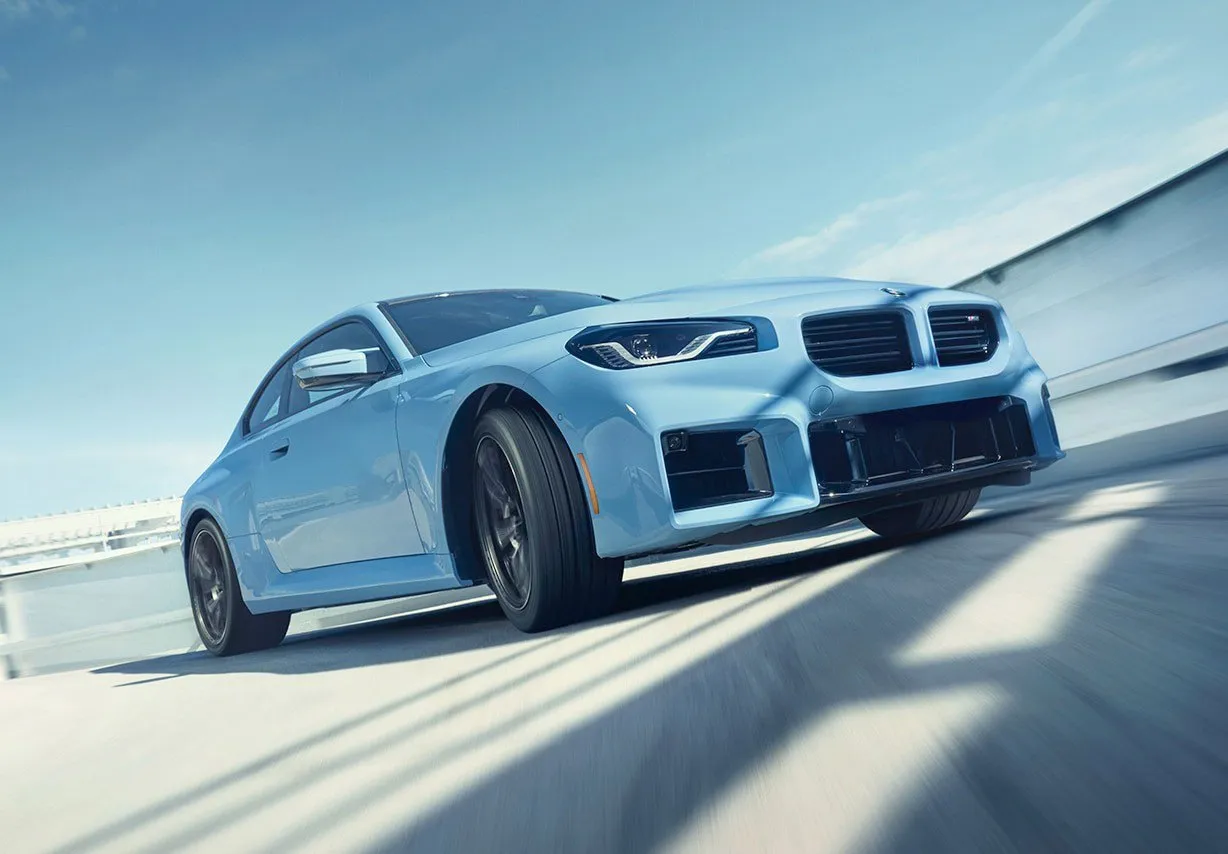
The German automaker recently revealed an updated version of the second-generation M2. The upcoming model boasts more power than ever before and features a tech-focused interior makeover. If you appreciate the M2's robust styling, you're in for a treat. The coupe's muscular body remains unchanged from its 2023 debut, emphasizing its status as a genuine sports car.
Inside, BMW has redesigned the dashboard to accommodate more screens while reducing physical controls. A curved display spans from the driver's cockpit to the centre of the dash, featuring a 12.3-inch digital gauge cluster and a 14.9-inch infotainment touchscreen running the latest BMW operating system. Other updates include a restyled leather-wrapped steering wheel and the option to upgrade to M Carbon bucket seats. Although the M2 still seats four, the rear seats remain somewhat cramped.
Under the hood, the M2 retains its twin-turbocharged inline-six engine. It now produces 473 horsepower and 406 lb-ft of torque—a 20 hp increase. The coupe comes standard with an eight-speed automatic transmission, but enthusiasts can opt for the six-speed manual for that perfect downshift. Interestingly, the automatic version adds an additional 37 lb-ft of torque to the mix.
According to BMW, the top speed remains at 155 mph, but the optional M Driver’s package increases it to 177 mph.
Bugatti Tourbillon
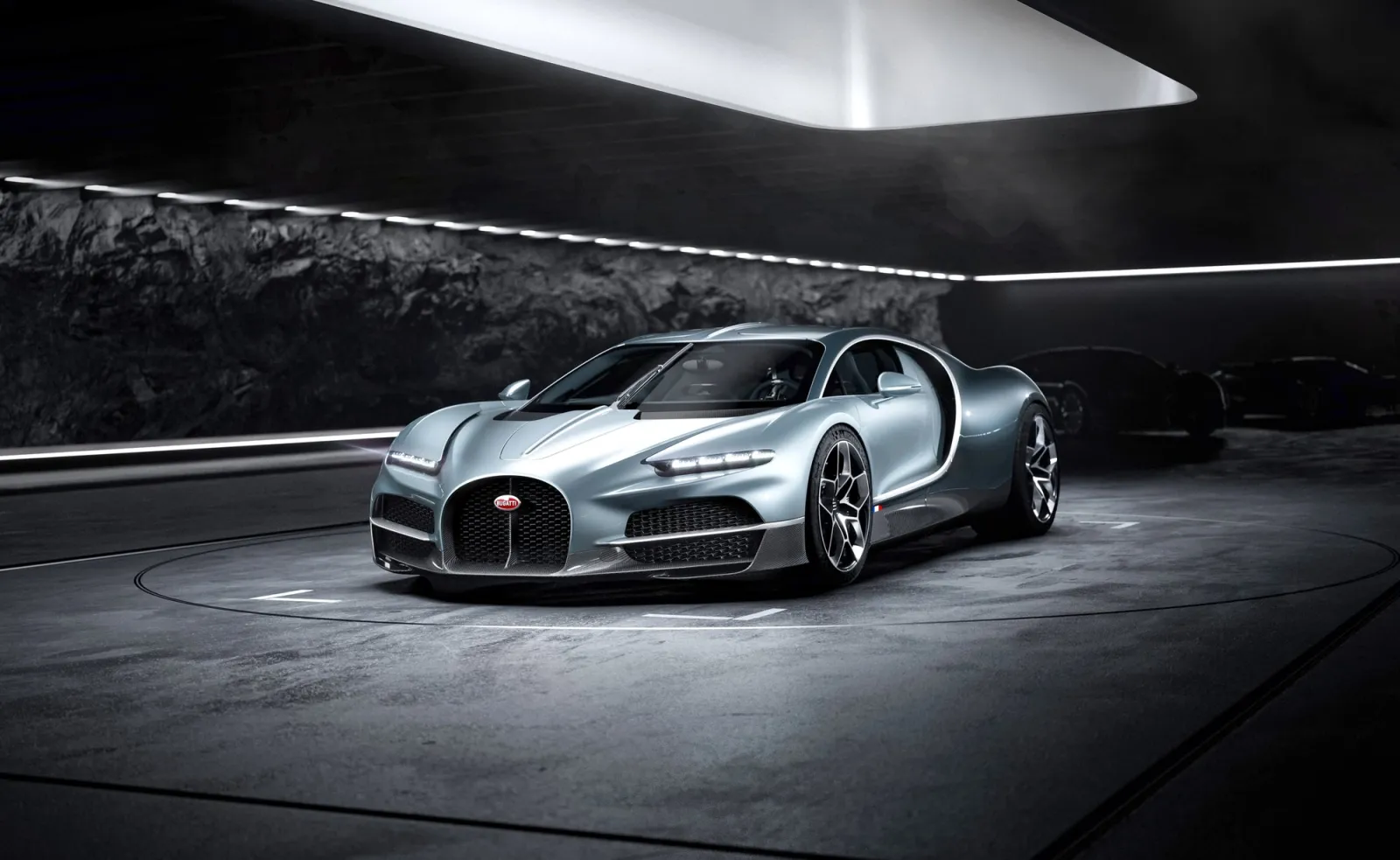
Following the iconic Veyron and Chiron, the Tourbillon hypercar takes shock-and-awe to new heights. Departing from the renowned 8.0-liter quad-turbo W16 engine, Bugatti now equips the Tourbillon with a 1,000 hp, 8.3-liter naturally aspirated V16 engine, complemented by three electric motors delivering an additional 800 hp. This combination makes it the most powerful Bugatti ever.
While the all-carbon-composite body design draws inspiration from the Veyron and Chiron, the Tourbillon features a lower roofline, a lighter and more aerodynamic body, and an imposing horseshoe grille. However, the standout feature lies within the car’s all-new interior—a skeletonized, titanium-and-sapphire-glass instrument cluster inspired by Swiss watchmaking.
The Bugatti Tourbillon represents a true beauty, performance, and luxury – including an SUV, coupe-like crossover, and luxury four-door sedan—the decision to retain a combustion engine was clear. This hypercar features a naturally aspirated V16 engine designed to rev up to 9,000 rpm, offering a similar output to the original Veyron’s quad-turbocharged W16. Enhancing performance, Rimac paired the V16 with twin electric motors driving the front wheels and a third motor at the rear, leveraging their expertise in electric propulsion. Integrating a 25 kWh, oil-cooled 800-volt battery pack into the chassis, providing a usable electric-only range of approximately 37 miles.
The engine sits low in the Tourbillon’s super-stiff body structure, crafted from next-generation T800 carbon composites. With car featuring a forged-aluminium, multi-link suspension—both front and rear—replacing the previous double-wishbone steel setup from the Chiron.
Polestar 3
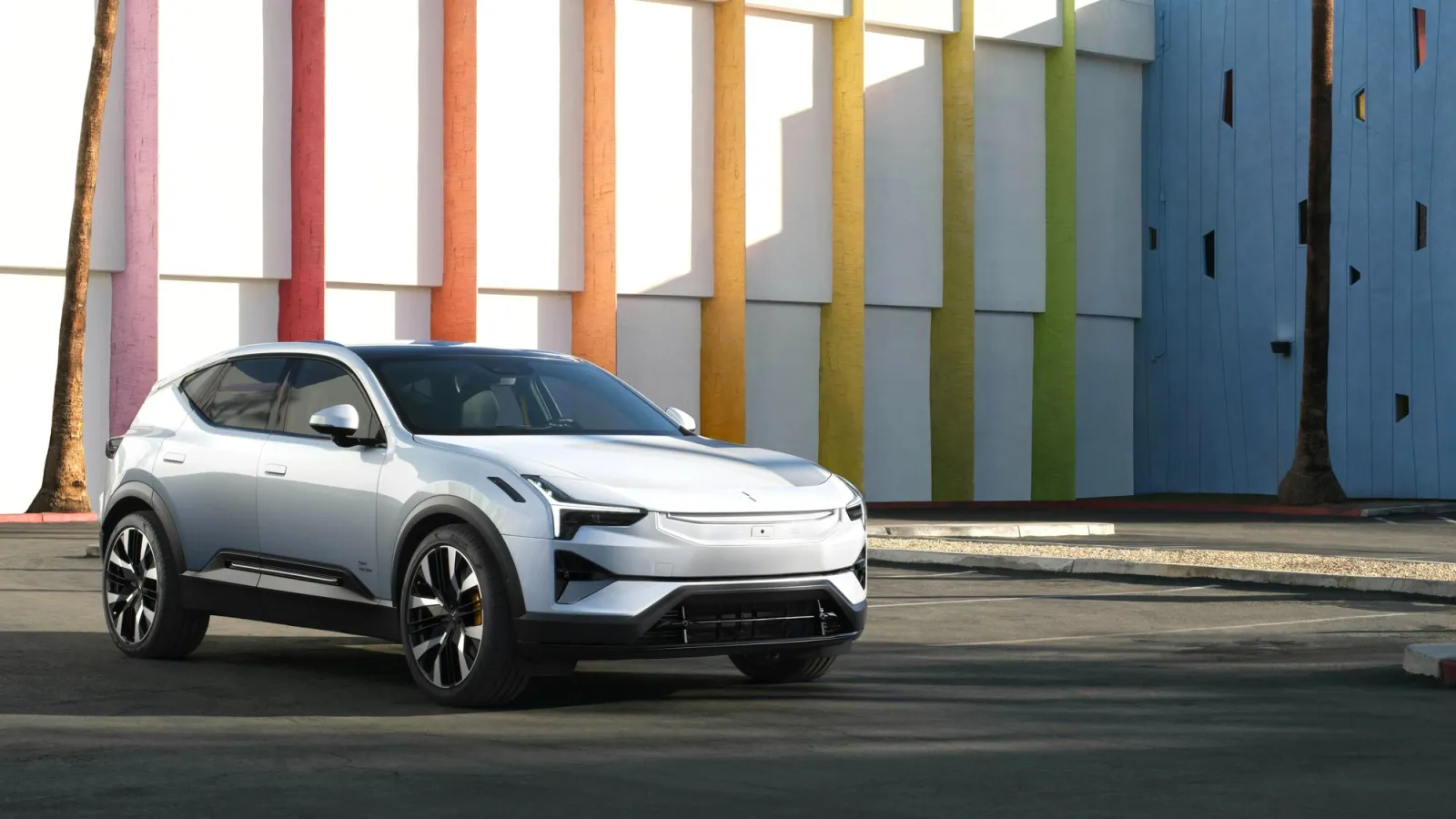
The Polestar 3 is a mid-size luxury crossover SUV produced by Swedish manufacturer Polestar. It's set to be released in 2024 and is the first vehicle to use the all-new SPA2 platform, which is dedicated to battery-electric vehicles. This model is designed as a more driver-focused alternative, infused with Scandinavian minimalism. While the Polestar 2 combines coupe, crossover, and saloon elements, the Polestar 3 unabashedly embraces its SUV identity. Its sleek design benefits from optimized aerodynamics, including a narrow wing element integrated into the bonnet to improve airflow and achieve an impressive 0.29 coefficient of drag. At the rear, you'll find a full-width lightbar and a compact rear wiper.
When it comes to power, the Polestar 3 offers a choice between the regular AWD version and the slightly quicker Performance pack. Both variants feature a twin-clutch torque-biasing differential for the rear motor and share the same XL 111kWh battery pack (with 107kWh usable). The regular dual motor version boasts an impressive 390-mile range, while the Performance pack still offers a reasonable 349 miles.
Despite the CATL-supplied lithium-ion battery pack featuring a 400-volt architecture, unlike the 800-volt systems of its top-tier competitors, it supports DC fast charging at speeds of up to 250kW. This allows for a 10 to 80 percent recharge in just 30 minutes under optimal conditions.
Aston Martin DBX707
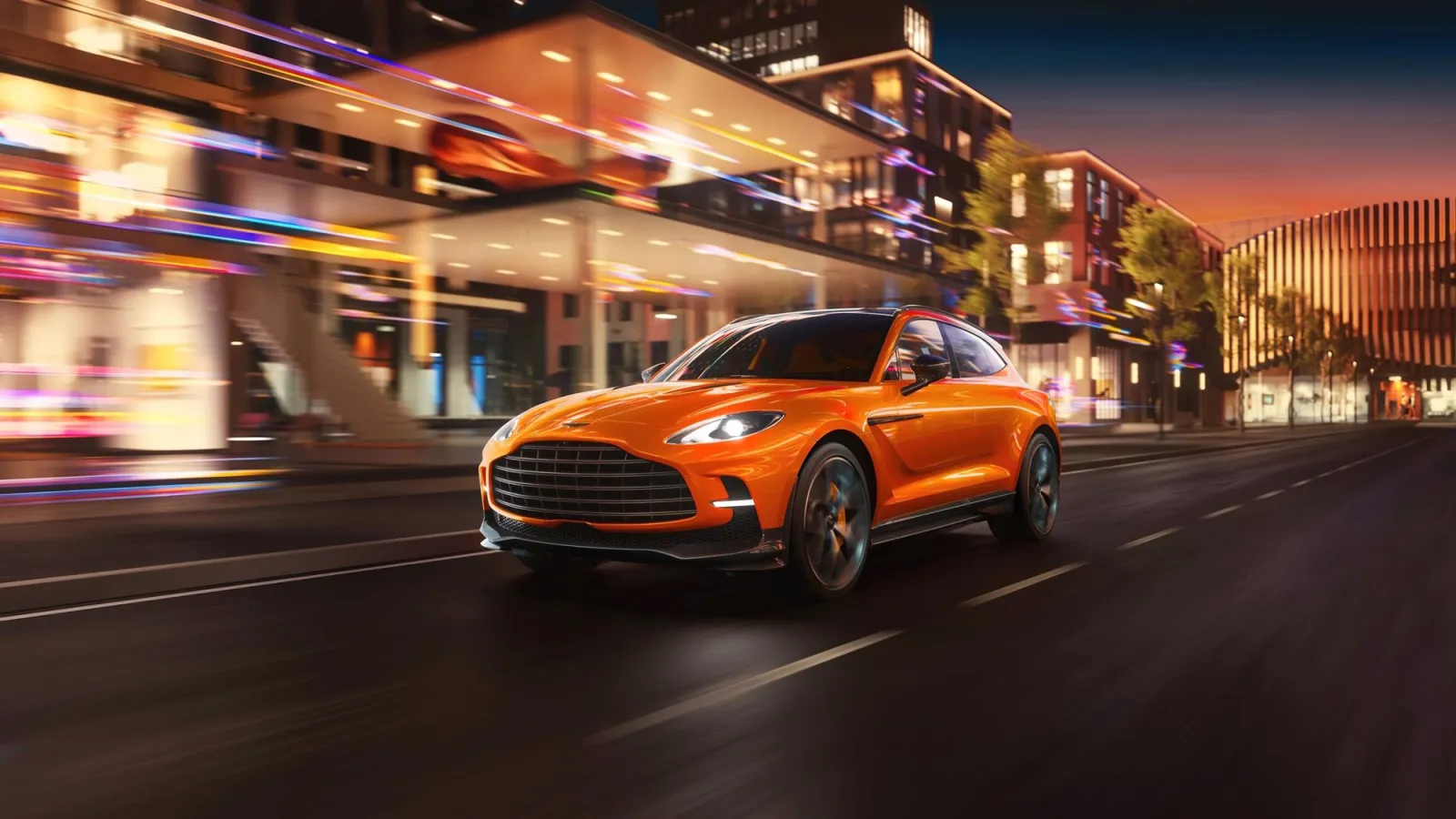
Aston Martin is bustling with activity these days. However, the brand hasn’t overlooked its new mainstay, the DBX. The most notable change is the new interior, this setup is similar to the new DB12 and Vantage, with more screen surface area to utilize the available space. Now, the DBX’s screen features a proper touchscreen, and for the first time, offering wireless Apple CarPlay and soon, Android Auto. This brand will also be among the first to adopt the new version of CarPlay.
Believing we’ve reached ‘peak screen,’ Aston Martin has retained numerous physical controls for functions like climate and driving mode adjustments, moving away from ‘mega screens.’
But the updates aren’t limited to the interior. Aston Martin leaves only the 707 model, as 90 percent of orders were for this more powerful version. Minor tweaks have been made to the steering and body control, and the exhaust has been returned to produce more noise at lower revs, which is a welcome change.
Nevertheless, with 697bhp (or 707PS, hence the name), the DBX707 is far from underpowered. Its 4.0-litre twin-turbo V8 remains largely unchanged, enabling it to sprint to 62mph in just 3.3 seconds and reach a top speed of 193mph. The nine-speed automatic gearbox and all-wheel-drive system continue to be used, with the option to send all 664lb ft of torque to the rear wheels.
Refinement is top-notch, with Aston Martin reshaping the mirrors to reduce wind noise. Every little detail helps. Despite riding on optional 23-inch alloy wheels, the ride quality and road noise isolation are exceptional at high speeds.
McLaren Artura Spider
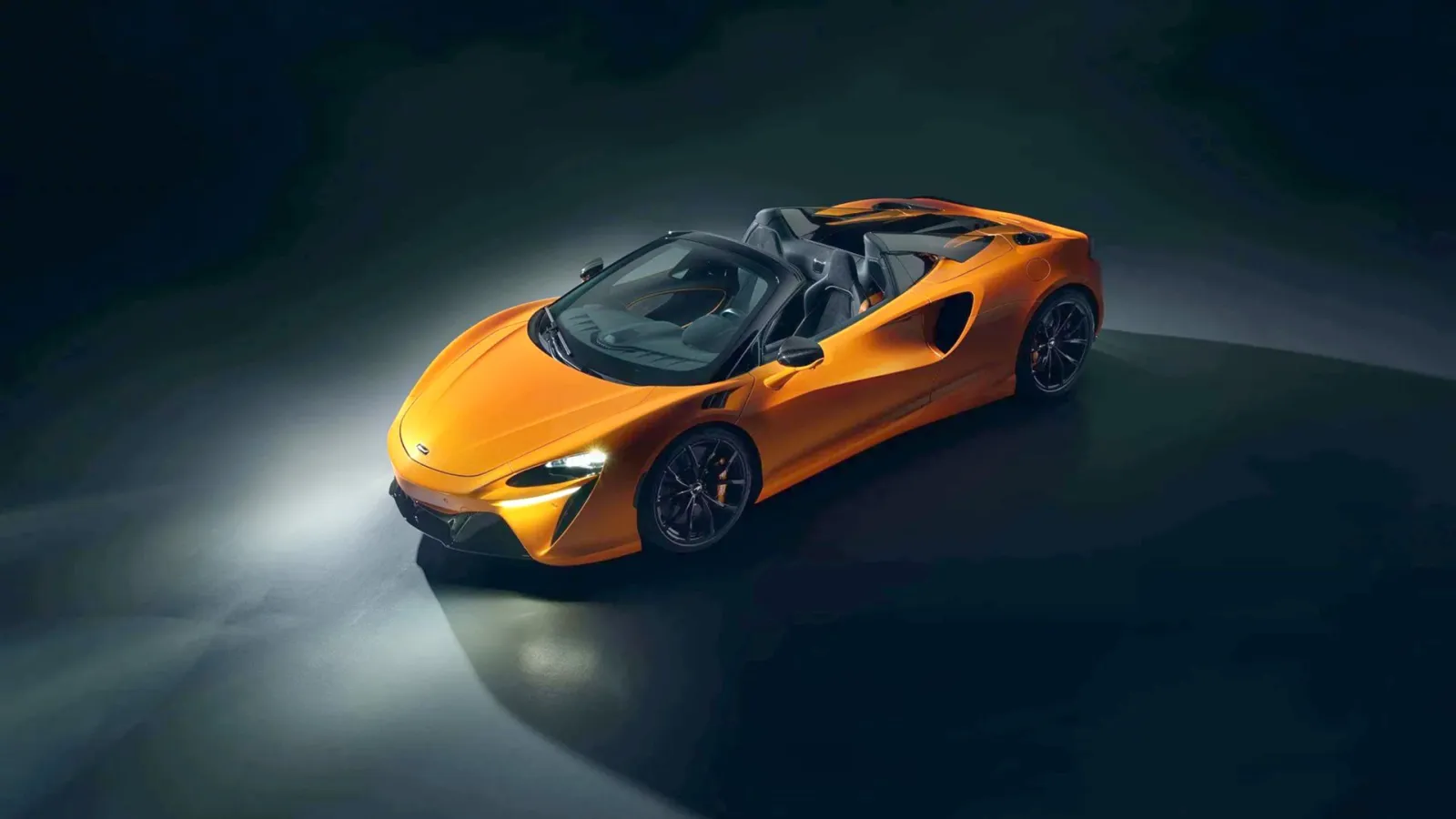
McLaren’s new Artura Spider is more than just a new addition; it represents a fresh beginning.
The internal combustion engine has been remapped, boosting power by 19bhp to 690bhp. The electric component also sees an upgrade, with an additional two miles of EV range, totalling 21 claimed miles.
A significant change is the new powertrain mounting to the chassis. McLaren's eight-speed gearbox now includes a pre-fill feature that pressurises hydraulic fluid, resulting in 25% faster shift speeds.
Additionally, an optional sports exhaust with a symposer channels natural engine sounds into the cabin. The standard exhaust system now features an upward conical shape to the tailpipes to enhance the engine note at mid and high revs.
McLaren has made significant advancements in the chassis, the brakes have been upgraded with new cooling ducts and recalibrate ABS settings, promising better feel, increased durability, and a shorter stopping distance of 31 meters from 62 mph. This extensive list of chassis changes indicates McLaren saw significant room for improvement in the original Artura.
In summary, while it’s not a complete transformation from the original Artura, there’s a noticeable enhancement in the car's overall refinement. The rear-wheel traction is impressive, allowing for quick power application after cornering. The redesigned exhaust system adds excitement with a more engaging exhaust note, especially past 4.5k rpm.
Rolls-Royce Cullinan Series II

The Rolls-Royce Cullinan Series II is a midlife update of the original model, with significant changes primarily at the front. The new grille has sharper edges, less roundness, and more defined surfaces.
The Cullinan now looks more like an oversized Fiat 500X rather than a London taxi. Mechanically, changes are minimal. The wheel size has increased from 22 to 23 inches, requiring a recalibration of the air suspension.
Under the hood, it retains the same 48-valve twin-turbo 6.75-litre V12 engine found in the Phantom and Ghost. There is no hybrid option, and due to the large V12 engine and the vehicle's weight, it is neither clean nor fuel-efficient. Official fuel consumption is 16.8-17.7 mpg, with CO2 emissions of 363-380 g/km.
Overall, the Series II is essentially the same as Series I, with a new dashboard, new wheels, some minor visual tweaks, and a higher price. However, if you appreciate the Rolls-Royce concept of luxury and sophistication, this is a modest step forward. The new infotainment system works well, and the suspension has been adeptly adjusted for the larger wheels. The new daytime running lights look striking at night. The brakes, as before, feel slightly underpowered, and a lower car might satisfy the keen driver more.
Cadillac Optiq
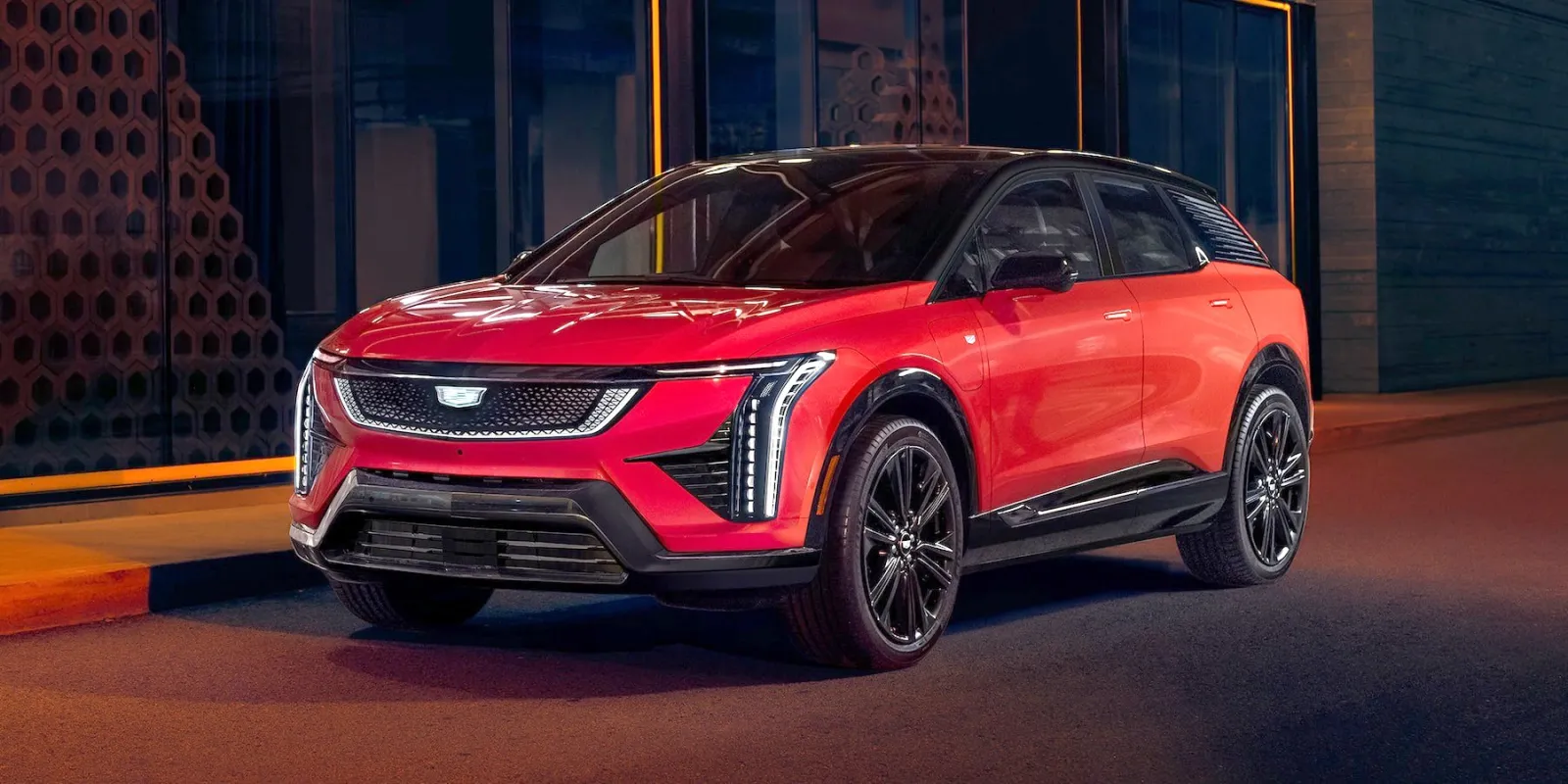
Cadillac is venturing into smaller territory with its next electric vehicle (EV). The Detroit automaker has recently unveiled the Optiq, a battery-powered SUV. While smaller than its other EVs, the Optiq maintains the luxurious details and solid performance associated with the brand's electric offerings. Although Cadillac doesn't explicitly label the Optiq as compact, it's notably the smallest among its battery-powered models, featuring a wheelbase half a foot shorter than that of the mid-size Lyriq. This move toward a smaller vehicle could open up new market opportunities for the company.
Well, the Optiq's styling will surely feel familiar to those who've seen the Lyriq. Both vehicles share a similar front fascia, lighting package, and softly curved body panels. Interestingly, the design language truly shines at this smaller size. The Optiq exudes sportiness, especially when equipped with the larger 21-inch wheels—a description rarely associated with non-Blackwing Cadillacs, let alone their SUVs. While the exterior boasts athleticism, the interior exudes elegance, emphasizing its luxury status. The spacious cabin features a substantial 33-inch curved touchscreen that seamlessly combines the instrument panel and infotainment system. Physical controls are also well-placed. Many interior surfaces, including the seats, are covered in fabric, creating a fresh and modern ambiance. Additionally, the Optiq offers a glass roof, a 19-speaker AKG sound system, and ample storage space—typical of an SUV.
Spotted a mistake, or your photo used without permission? Report a correction