Tod’s: It’s All About 133!
That’s the magic number Diego Della Valle zeroed in on to make our dream shoe.
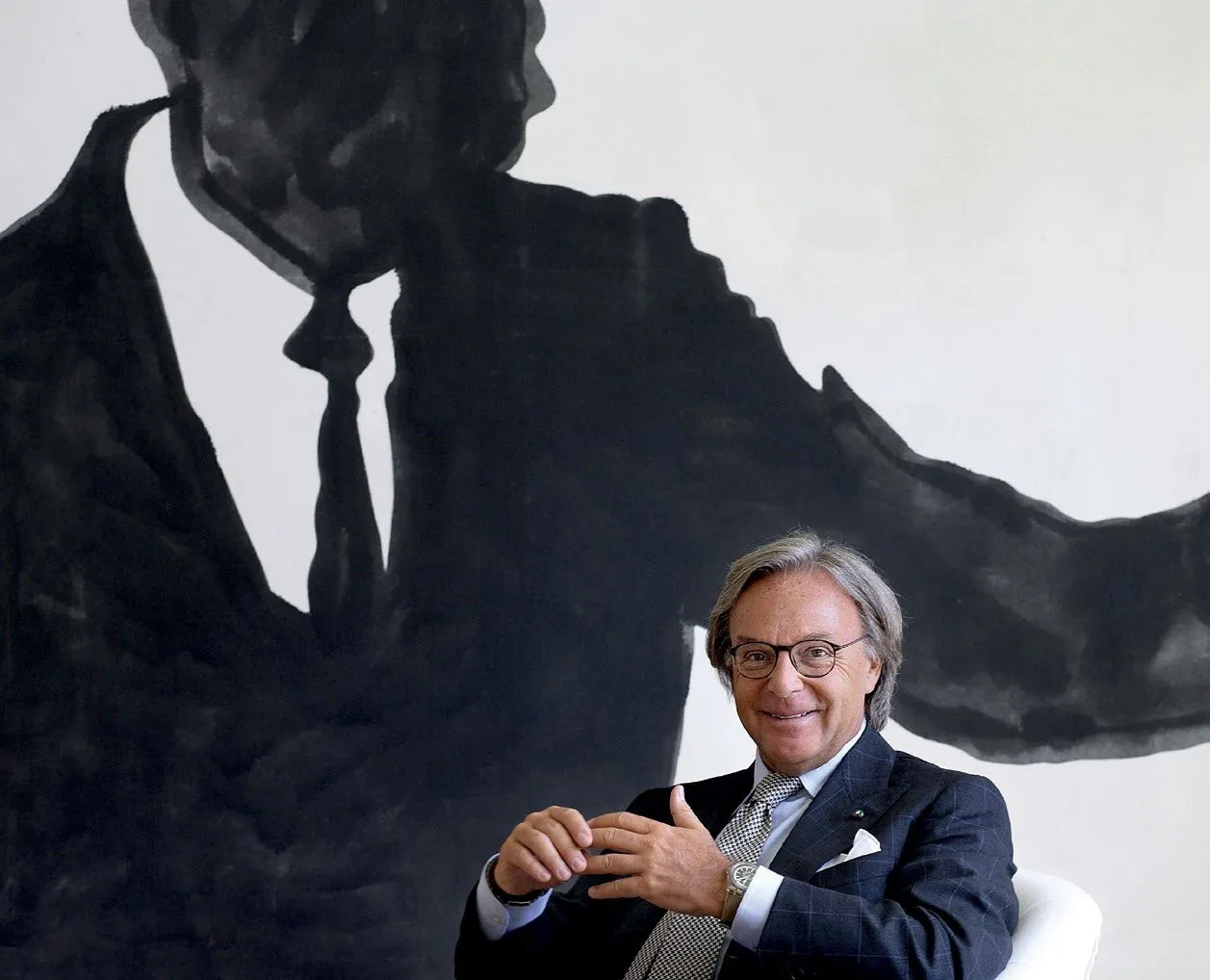




We made our way to see for ourselves at the manufacturing ateliers of Tod’s in Brancadoro in Italy, home to the Gommino, one of the most emblematic designs ever, which, thanks to its sole, is now an undeniable status symbol. Here, in the heart of this undulating and industrial landscape, we found craftsmen who hand-stitch the iconic moccasins of the Italian brand, Tod’s. Extremely soft soles, the identifying feature of this brand’s shoes, are made with not one more or one less but 133 studs. Baptised Gommino, it is available in every colour and leather type. It was, in this very place that Diego Della Valle was born in 1953, owner of Tod’s.
Diego grew up surrounded by samples of leather at a manufacturing unit run by his grandfather Filippo and later by his father Dorino. Diego turned the Tod’s group into an empire. Today, he runs this enterprise with his younger brother, Andrea.
 L’Officiel India DigitalRead L’Officiel India in the digital libraryEvery issue and every cover story, on TCG Media.Read now
An Italian affair

They not only have offered their services to the Florentine football club, the Fiorentina, but have also been involved in preserving and restoration of national symbols such as La Scala in Milan, Colosseum in Rome, construction of a Cinecittà themed park called Hollywood-sur-Tibre. If that wasn’t enough, the brothers dedicate one per cent of their turnover to the development of their hometown and region.
A challenge won by these self-made visionaries who committed themselves completely to their dream, it has been forty years since it all began and today they are among the best in the world at what they do. Tod’s sells up to 2.5 million pairs of shoes a year, across over 200 outlets. Charlotte Casiraghi, George Clooney, Katie Holmes, all of them are familiar with this reinterpretation of the driving shoe, a moccasin of Portuguese origin which had been adopted by race car drivers.
It was in Manhattan, in the year 1970, that Diego, then a student of law, discovered these slip-ons worn by racing fans. On his return to Italy, he transformed the design and created, by the end of the ’70s, the to-be symbol of the Tod’s brand.
Pure artistry
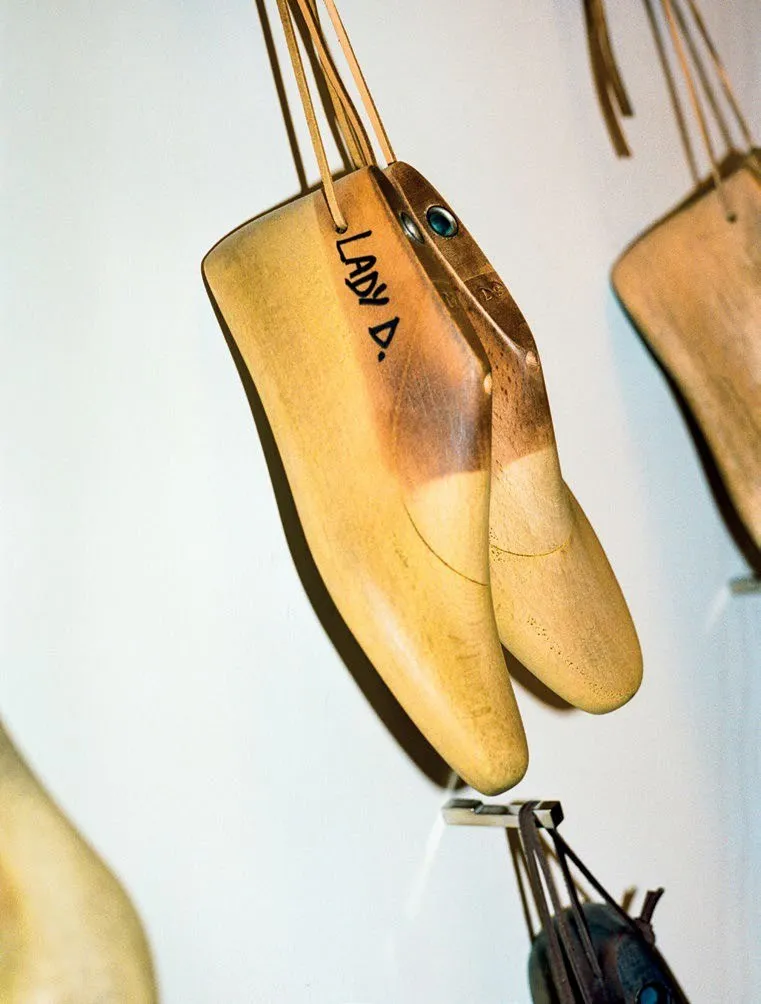
In the industrial zone of Brancadoro, a few minutes away from the village Casette d’Ete, where Diego Della Valle was born, we discovered three buildings which had the charm of a contemporary arts museum. Constructed in the middle of olive fields, its edifices with clean lines have been imagined by Barbara Pistilli, Diego’s architect wife. Almost a thousand employees work daily at these three sites. They have, available to all, a canteen with local produce and homemade meals, a day care where up to 30 children can be accommodated, and a well-equipped workout space with a coach. Only a swimming pool seems to be lacking, is the joke often made. On the inside, it has a Gattaca-esque vibe, the film by Andrew Niccol. In the entrance hall, an enormous map of the world autographed by Felice Limosani, hangs, symbolic of the conquering spirit of the brand. Between the stairs, like the mouth of a dragon, made to scale by Ron Arad, the paintings of Giovanni Castel, suspensions by Jacob Hashimoto and performance photography by Vanessa Beecroft, make art omnipresent. In the distance are images of celebrities wearing the famous Gommino. And on one wall, next to the old work desk and cutting tools of Diego’s grandfather are suspended a few, hand carved wooden forms.
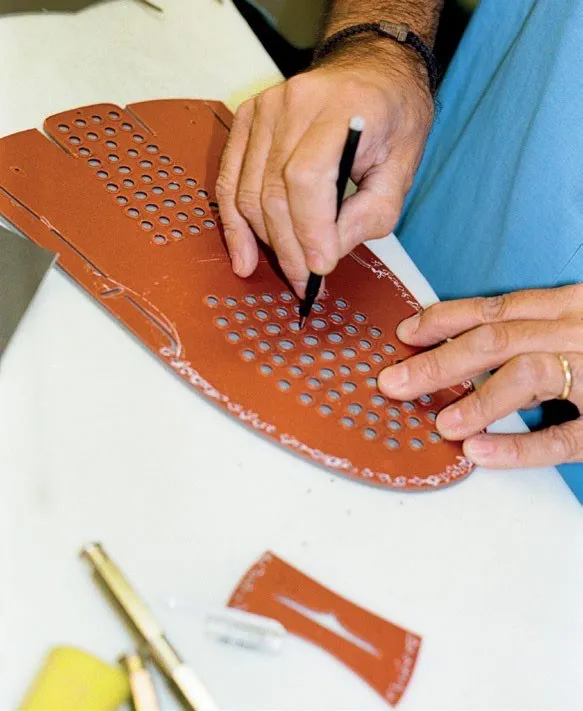
One way to remind ourselves that the entirety of every sole of a Tod’s shoe is handmade. To bring the moccasin to life, Tod’s goes through a multitude of steps and tools. Depending on the design you are looking at, four to six hours of work and 150-180 steps go into crafting. Once the design has been approved by Diego, it goes off to be modelled so they can make accurate proportions, digitalise and then print it all out in several pieces (between 35 and 40) which then come together to give the final prototype.
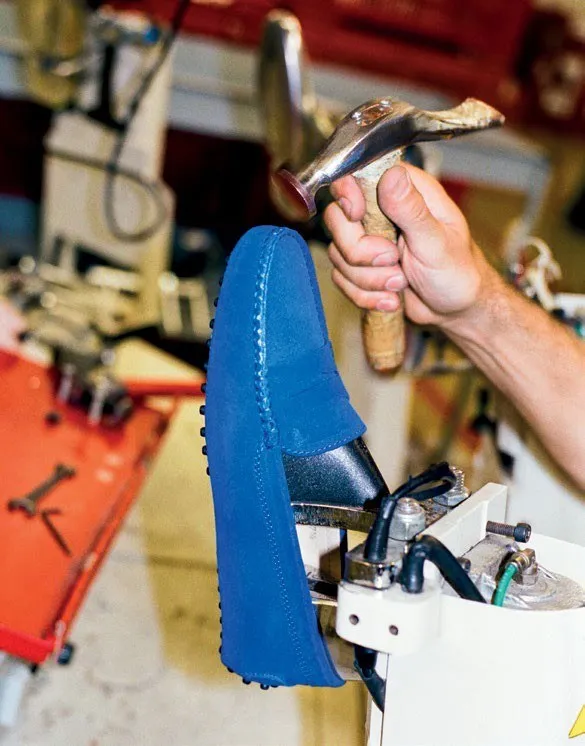
Before sending the design out for production, one version is put together by a group of 45 craftsmen. The studs are then inserted into the previously perforated leather sole and then fixed onto specific spots to ensure that it is sturdy and waterproof. The heel is folded in and the top of the shoe is then stitched onto the edge of the base with a specific needle and a thick wax thread. Everything is done with hands... cutting, stitching, assembling. Once all of that is done, the moccasin is then placed on a machine like a hot iron, or an artisan gives it its final form and smoothens out the contours.
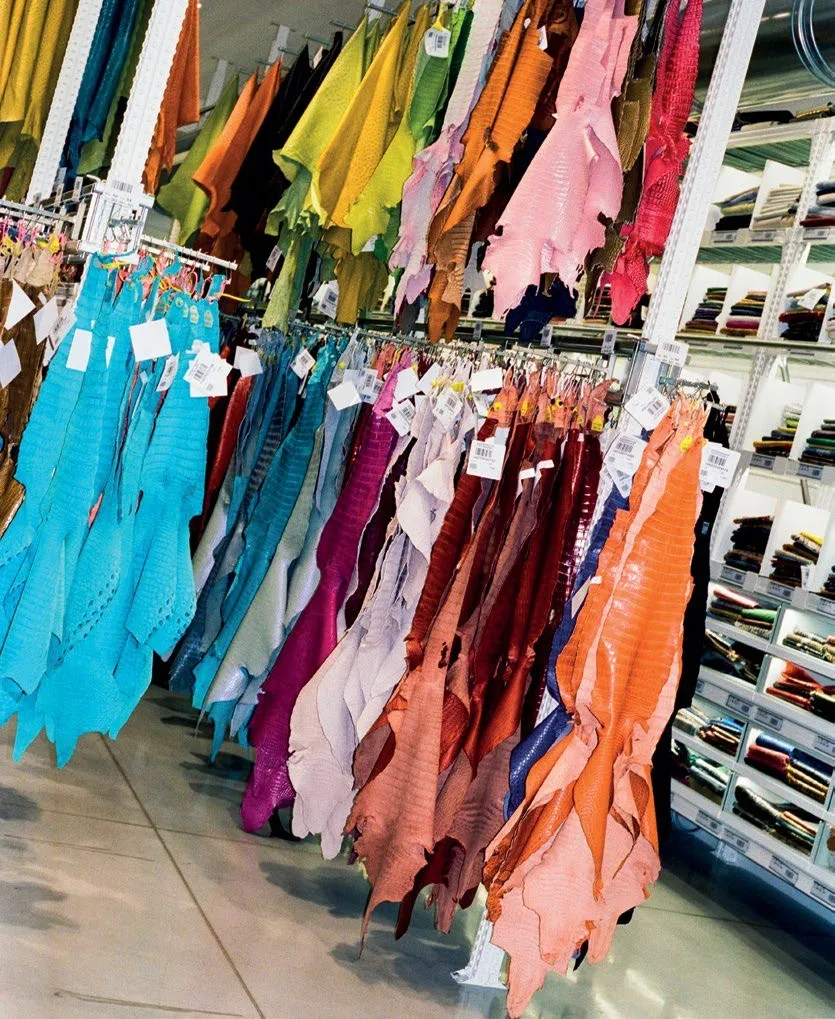
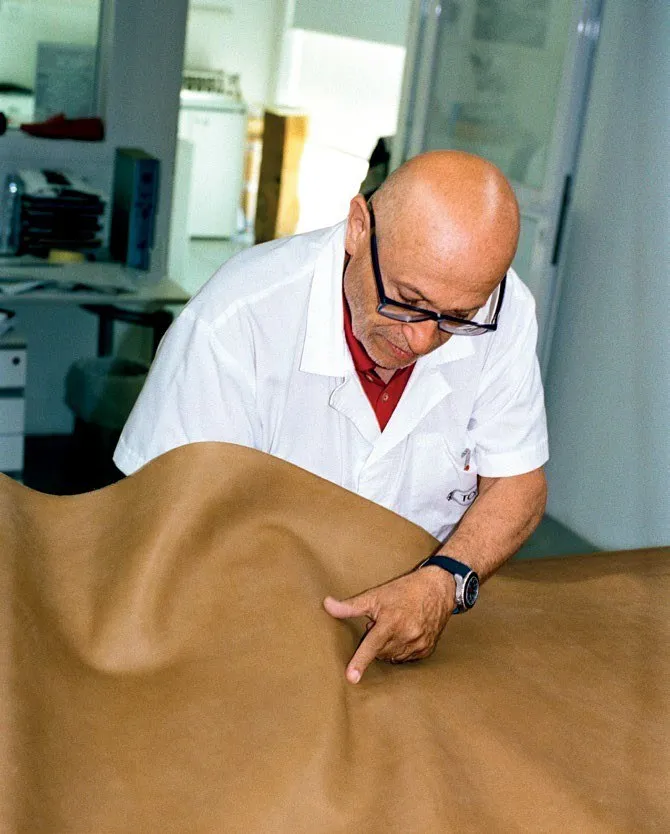
To attract some of the most well-informed clients, the designers at Tod’s work on new interpretations, every season, with colour combinations and experimenting with more obscure leathers. Those leathers are then found, ordered, stocked and verified before being sent off to New York, Paris or Ibiza. This entire operation is left in the capable hands of Toni Ripani, one of the closest collaborators of Diego. For 40 years, this head of the department has controlled the quality to get the softest and best of leathers, from alligator to python, crocodile and more exceptional material, always upholding the rules and laws that ensure that the animals do not suffer and hunting rights are not violated. “All of the raw material that comes in is controlled to the utmost,” certifies the man who orders 58 million feet of leather (approximately 18 million metres of the best raw material).
Amid this inspiring cultural heritage are talented individuals, the expertise of craftsmen’s hands, the time taken over every step, the knowledge collected over the years and an undying respect for quality and materials.
From the November 2017 issue of L’Officiel India.
Spotted a mistake, or your photo used without permission? Report a correction