Timeless Aesthetics
The key to design excellence is not in following trends but to create a classic experience.
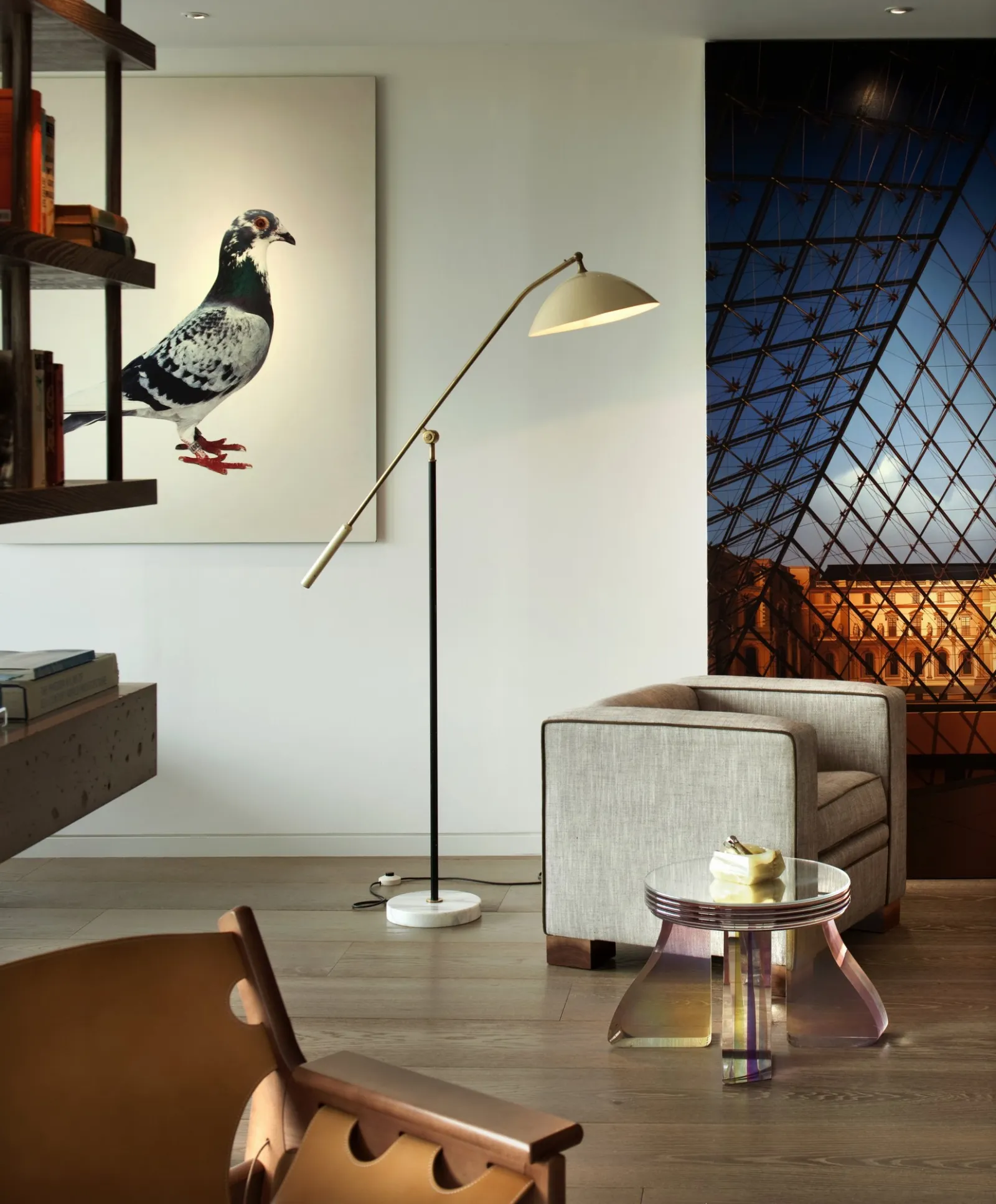




When we think of ‘interior design’ the first thought that crosses our mind is ‘luxury’. The design space has witnessed a paradigm shift over the past decade and along with it has evolved the concept of luxury. From thematic elements, clean lines to raw and edgy silhouettes, creativity knows no bounds. Joining the league is London-based interior designer Tara Bernerd who is of the opinion that real authentic experience is taking the centre stage. She is rewriting the rules of design by bringing approachable luxury to the fore. Tara gives an insight into her philosophy, style, future projects, and more, in an exclusive interview. Edited excerpts...
When and how did you find your calling in interior design and architecture?
I think interior design got into me even before I was aware of it. A pivotal point for me was when I had the opportunity to work in property and design, and then ultimately with Philippe Starck at YOO. It inspired me to set up Tara Bernerd & Partners and we are fortunate enough to still be working on amazing projects all over the world 17 years later.
 L’Officiel India DigitalRead L’Officiel India in the digital libraryEvery issue and every cover story, on TCG Media.Read now
What is your design philosophy and how would you describe your signature style?
For me, the most important aspect of design is seeking components that are authentic and will stand true in time. I don’t tend to follow trends and strive to create spaces that are indigenous to their surroundings. However, there is a definite thread that runs through our work that links them all on an aesthetic level. Perhaps it’s a slightly more handsome feel, or the fact that we tend to incorporate raw, more architectural materials within our work.
“The use of industrial elements such as exposed brickwork or structural ironmongery with softer, warmer tones and textures is a great way to add character to a space.”
How has London influenced you personally and professionally?
Being based in London does not play much of a part in where or how we work. Although our head office is based in London, our projects are very much on a global platform from LA to Japan. I am therefore travelling often and fortunate enough to be on site in Asia, the US and mainland Europe regularly. That said, when I do get the chance to spend time in London, I really cherish it. My apartment sits in a very particular spot on the river facing onto the Chelsea embankment with exceptional views onto The Albert Bridge, so it’s always a great sight to come home to.
Are you of the opinion that approachable luxury is revolutionising the design space? Do you think it is the need of the hour?
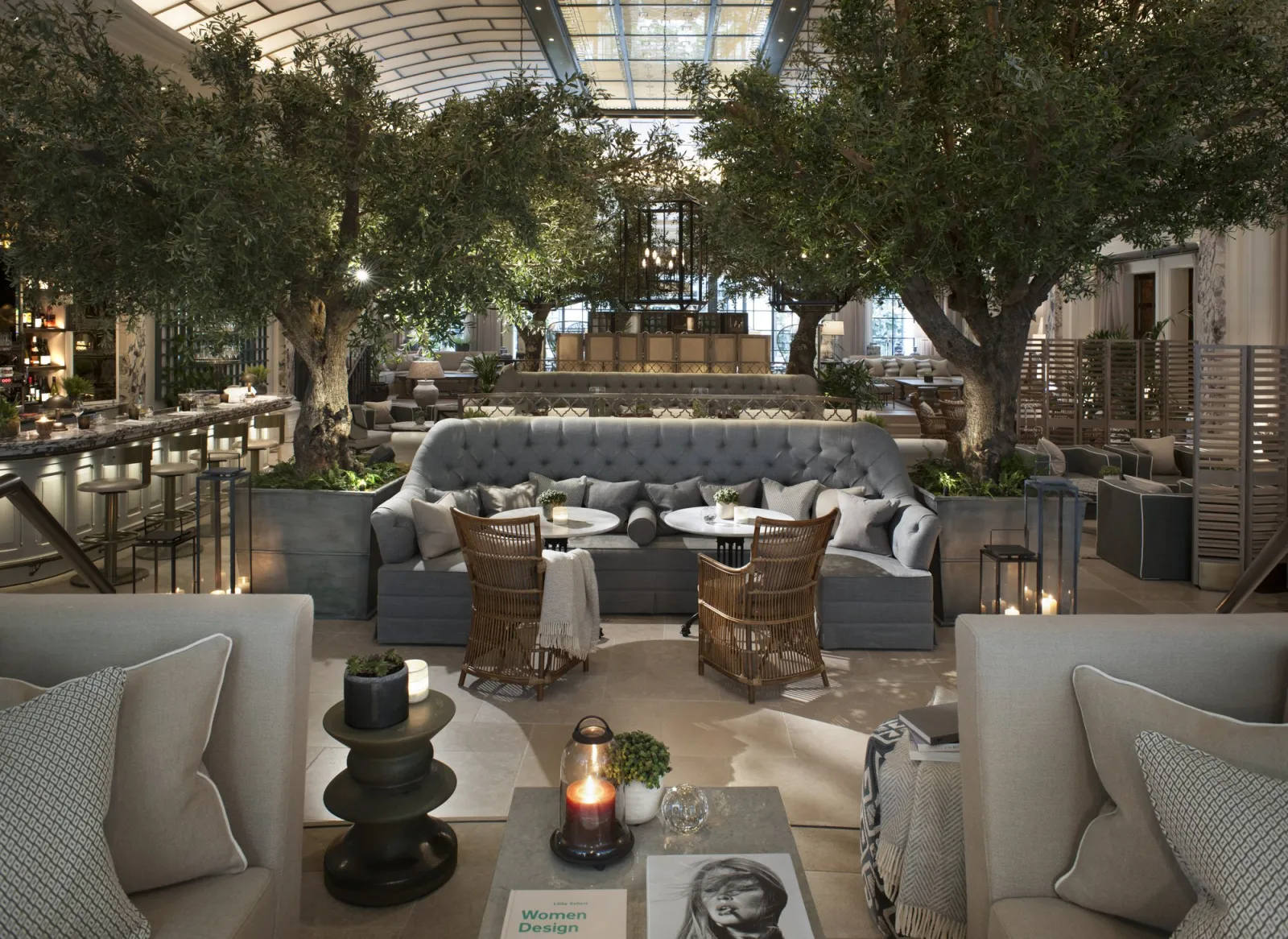
At one time, I think luxury and approachability were considered to be opposite ends of the spectrum, but our idea of luxury has certainly changed. I think we now feel that luxury is defined by authentic and meaningful experiences rather than exclusivity alone. This is a shift that we are seeing in the hospitality industry particularly. Our work with Four Seasons in Fort Lauderdale is testament to this. The continuing success of boutique hotels means that some of the larger brands have to, and indeed want to, evolve. They understand that a brand name is not enough; instead it is about the DNA of that brand. Travelers today seek a more personal, tailored experience and want to feel as though they are getting something totally unique. We want to feel an emotional connection to the people and places we are visiting and therefore we may have moved on from the more exclusive formality of years gone by.
What are the innovative concepts you are betting big on this year?

Personally, I tend to avoid trends and instead I tend to focus on creating spaces that possess a timeless quality. That said, I have often sought inspiration from modern architecture and many of our projects include materials traditionally used for a building’s exterior. The use of industrial elements such as exposed brickwork or structural ironmongery with softer, warmer tones and textures is a great way to add character to a space which I think we’ll see more of as people continue to experiment more with unusual design finishes. I am fortunate enough to be working with Frank Gehry on a new Equinox Hotel in Downtown LA and indeed many of the interior design elements for our project together draw upon the form, energy and materials of the landmark that will house them. Layouts optimise on the impressive architectural landscape surrounding the hotel and bold palettes were curated with the lively Downtown LA locale in mind.
What materials you use mostly? Where do you source the materials from? Does the process involve handcrafting?
I tend to focus on creating a space that is both indigenous to its surroundings and timeless in design. Drawing upon the local culture, the history, the climate and the atmosphere of a place, we seek to create a design DNA that embraces the character and identity of the space in which it is set. So, with that said, materials are sourced from all manner of places depending on the individual project. We are currently working on a resort in Mexico and we have sourced all the furniture items locally which is something quite special. Everything from the lamps to the headboards have their own story which adds another dimension to our design. Another example of this is an 8-bedroom mountain chalet we recently completed in Switzerland. For the entranceway we combined locally quarried quartzite with timber panelling, embracing the local flavour and materials of the building’s setting from a modern perspective.
Tell us about your latest collection of rugs and cushions. Where do you retail from?
I collaborated with The Rug Company many years ago and our Papillon rug can still be purchased from them directly on request. As a studio, we are currently looking to develop further products so it’s an exciting time.
India is deeply rooted to culture and traditions which in turn has a strong influence in our design philosophy. Handcrafts take the centre stage and often rules over mass-produced lines. What is your opinion about this?
I often layer different types of products and materials to achieve both elegant luxury and clean simplicity, so I find that a combination works well. That said, it really depends on the DNA of a building as to what works best. The local environment, as well as people that will use the space, are key when thinking about finishes and fabrics so we tend not to be prescriptive in our approach.
What are you working on next?
We are incredibly fortunate to have so many exciting projects in the pipeline. We were appointed by a prestigious hotel group in Japan to create the design DNA for a new hotel brand and the first one will open in Osaka. It is such a privilege working in Japan and indeed on such an exciting project. As well as this, we are continuing our work on a deluxe villa in Ibiza, a 200-key hotel in Hollywood and a 730sqm penthouse in Hong Kong. I am also delighted to be working again with The Harilela Group on their new hotel development, The Hari, in Hong Kong’s lively Wan-Chai district. In addition to our work with Four Seasons in Fort Lauderdale, we will also be working with them once again at the Four Seasons Park Lane in London. I feel so fortunate to be working with such wonderful people on projects that continue to inspire me.
Spotted a mistake, or your photo used without permission? Report a correction